Housemarque has quietly become one of the most dependable studios in modern gaming. Over the last decade they’ve carved out a reputation as masters of the bullet hell genre, blending arcade chaos with cinematic presentation in games like Resogun, Nex Machina, and most notably Returnal. So going into Saros on PS5, I already had pretty high expectations. Thankfully, this is another incredibly confident release from the studio, and while it clearly shares DNA with Returnal in both tone and gameplay structure, this is not a sequel. You absolutely do not need to have played any previous Housemarque title to enjoy it.
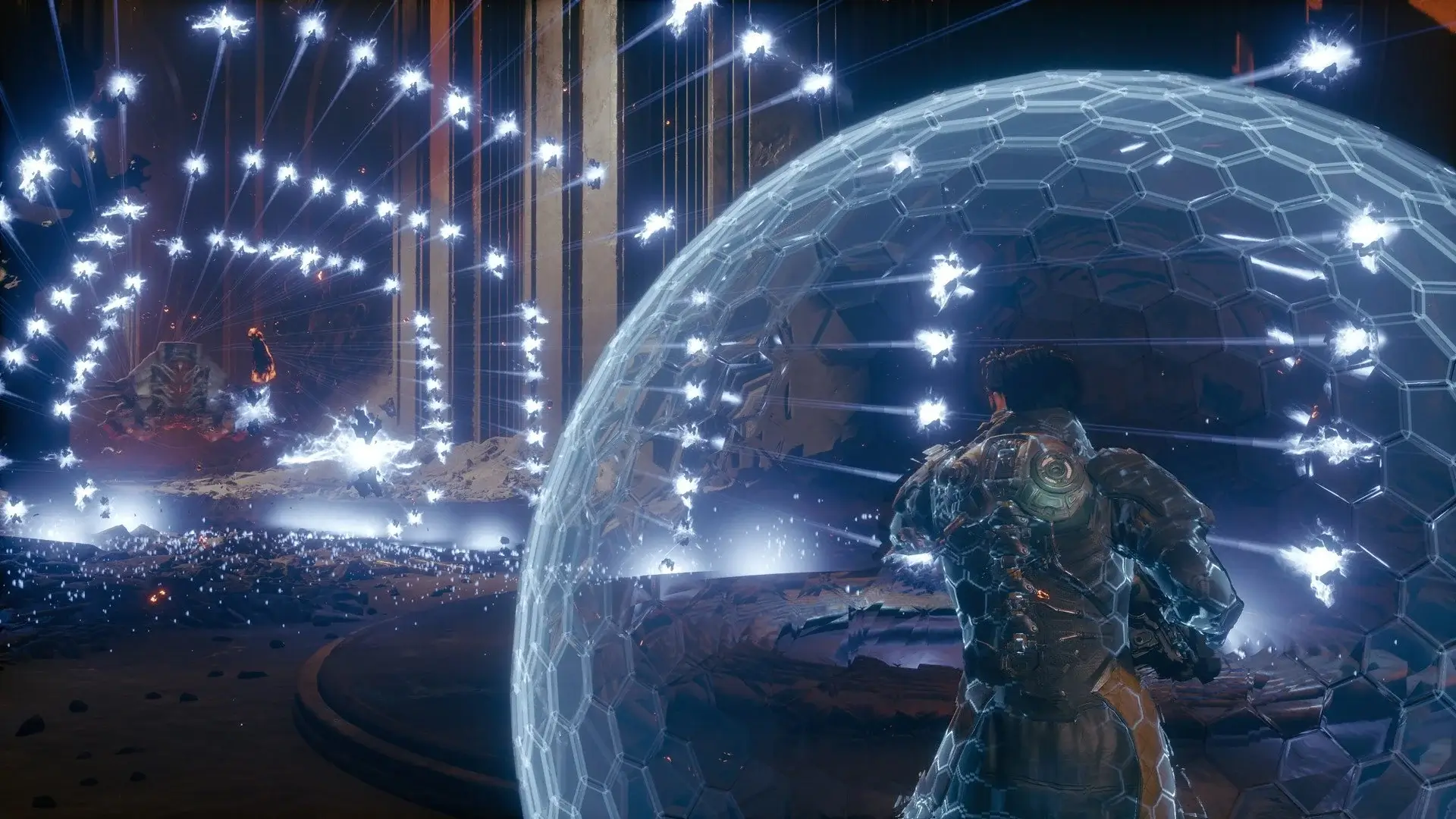
In fact, I’d argue Saros is probably the best jumping-on point the studio has made so far. It keeps the fast-paced combat and oppressive sci-fi atmosphere they’ve become known for, but presents it in a way that feels a little more approachable and flexible. It still has that unmistakable Housemarque identity, though. The screen regularly erupts into storms of glowing projectiles, enemy attacks overlap in chaotic patterns, and every encounter feels like a desperate dance between survival and destruction.
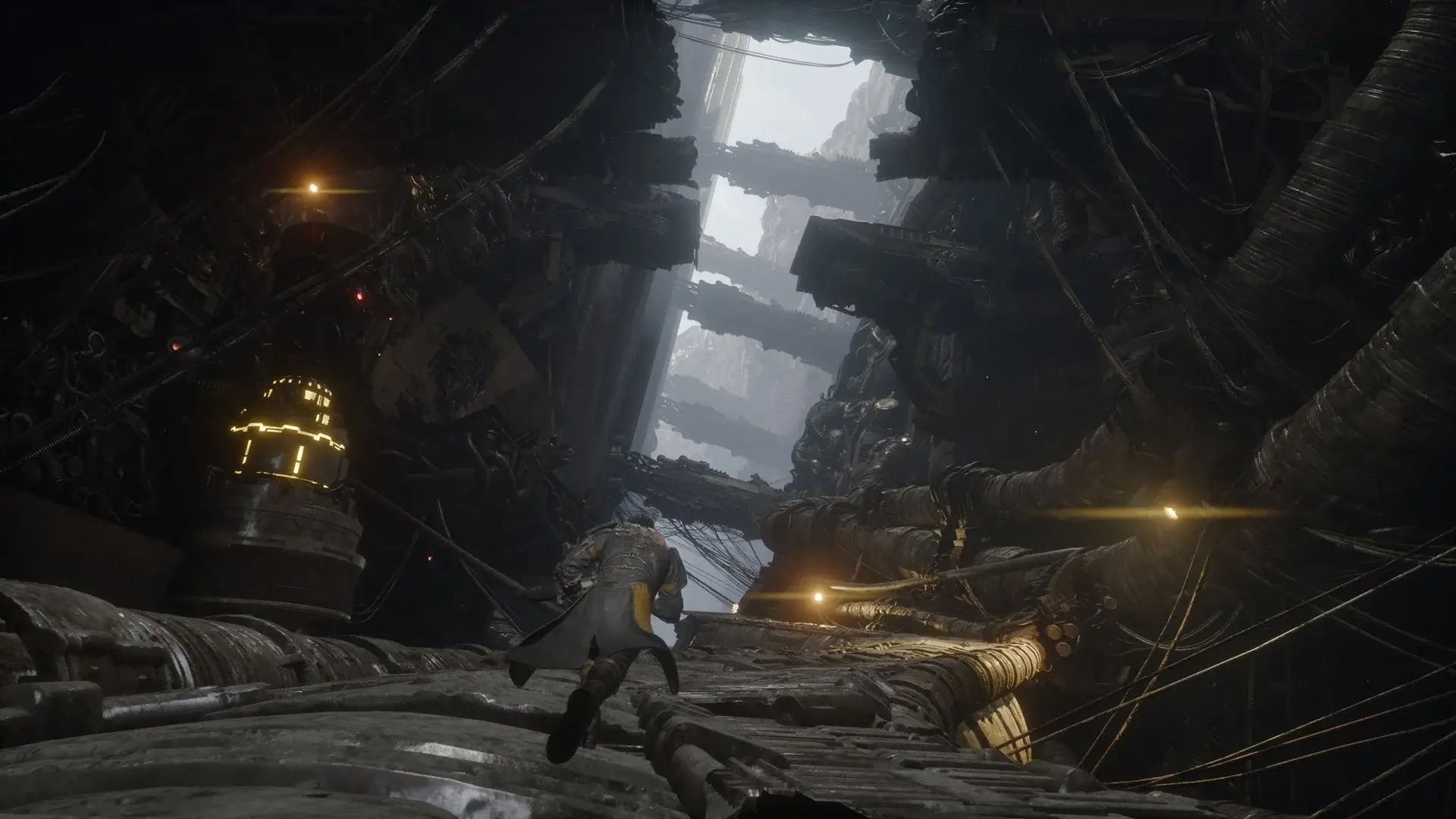
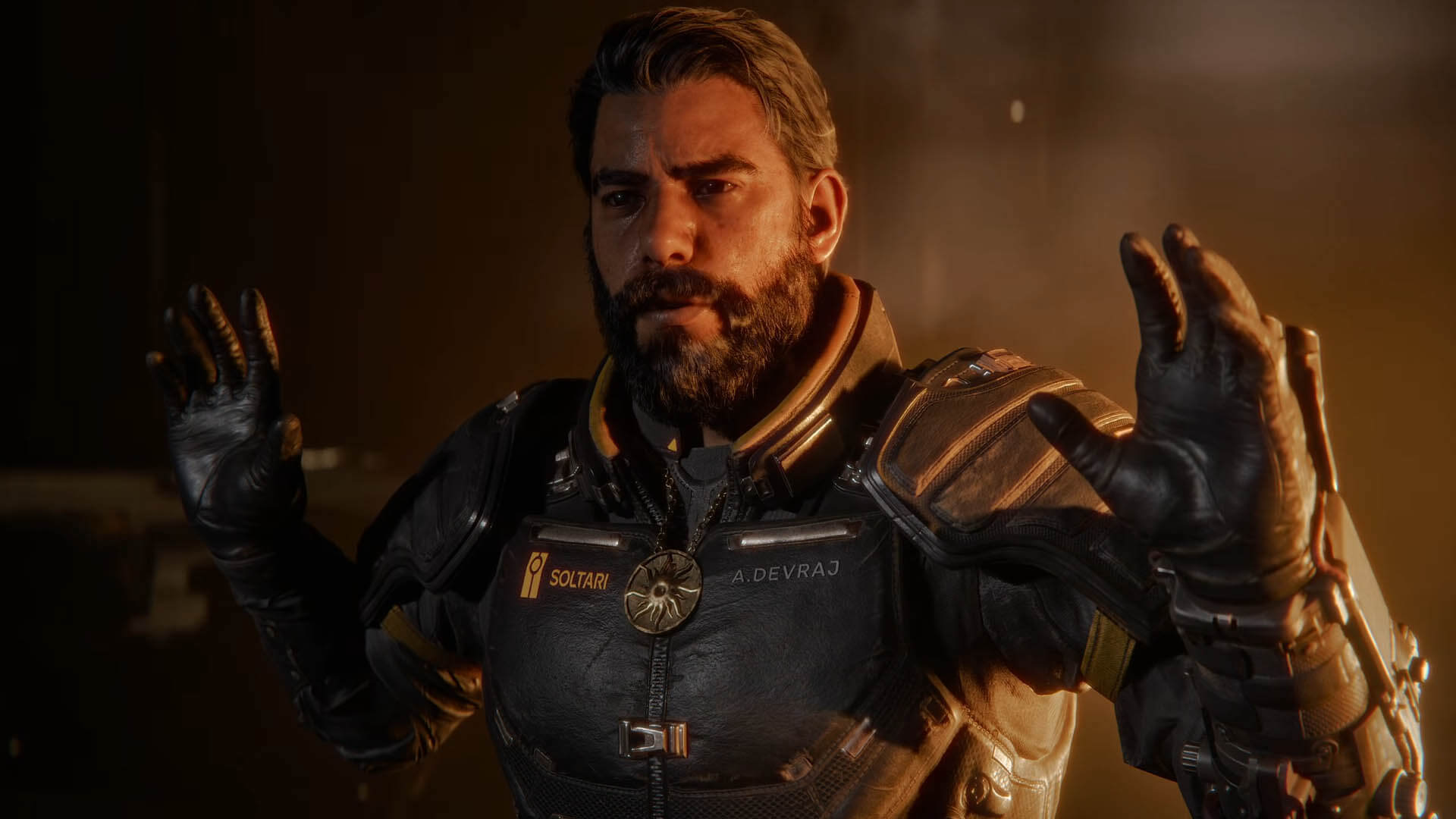
What surprised me most, however, was just how invested I became in the world itself. Saros takes place on Carcosa, a mysterious and hostile world drenched in cosmic horror influences. You play as Arjun Devraj, a member of the Echelon IV crew, and the game wastes no time throwing you into the deep end. There’s very little upfront exposition. Instead, Saros opens in a deliberately cold and disorienting way, forcing you to slowly piece together what has happened on Carcosa, what’s going wrong with the current expedition, and what personal history Arjun is carrying with him.
I really enjoyed this approach, but I can also see it dividing players. Saros tells its story in fragments. Audio logs, environmental details, scattered conversations, strange visions, and character interactions all gradually build the bigger picture. If you’re someone who wants straightforward storytelling with constant answers and clearly explained lore, this might feel frustrating or even a little thin. The game expects you to meet it halfway.
For me, though, uncovering the mystery was part of the appeal. The worldbuilding is excellent, and I loved how heavily the game leans into cosmic horror inspirations, particularly its connections to the mythology of Carcosa itself and classic weird fiction literature. There’s a constant sense of dread hanging over the experience. Even when the action slows down, the atmosphere never really lets you relax. The further I progressed, the more invested I became in understanding not only the fate of the crew, but also who Arjun really is beneath his calm exterior.
The actual gameplay loop is where Housemarque once again proves why they’re so good at this style of game. Each run sends you through multiple procedurally generated biomes where you’ll battle through hordes of enemies while gathering weapons, upgrades, and resources before eventually reaching a major boss encounter. Like Returnal, movement is absolutely everything. Standing still for even a second usually means death. Success comes from mastering every part of Arjun’s toolkit and learning how to react instinctively during combat.
At first, things can feel overwhelming. Enemy projectiles flood the screen, larger foes pressure you aggressively, and environmental hazards constantly force repositioning. But as I spent more time with the game, I gradually found myself slipping into its rhythm. Dodging through incoming attacks, weaving shots between enemies, parrying at the perfect moment, activating shields under pressure, and rushing in for a melee strike all started to become second nature.
That’s where Saros is at its best. It creates this fast-paced state of controlled chaos where your brain is constantly processing danger while your hands are reacting almost automatically. Few developers make combat feel this fluid and satisfying.
The weapons are also fantastic across the board. There’s a huge range of weapon types, and each one comes with its own perks, behaviours, and alternate firing modes. Some weapons excel at crowd control, others focus on precision damage, while a few become absolute monsters once certain upgrades align together. I found myself constantly experimenting rather than sticking to a single loadout because the game encourages adaptability so well.
One run I’d be using a rapid-fire smart rifle that melted groups of enemies with homing bullets. The next I’d stumble into a shotgun build focused on explosive area damage and defensive buffs. Because weapons and upgrades synergise differently every run, there’s always excitement in discovering combinations that completely transform your approach to combat.
That progression loop is what kept pulling me back in. Even when I failed a difficult encounter or lost a promising run, it never really felt like wasted time. Back at the hub area, you can spend collected Lucinite and Halcyon with an overseeing AI known as Primary. This is where the game’s “come back stronger” philosophy really shines. Every failed attempt still contributes toward future progression through permanent upgrades, unlocks, and improved survivability.
I appreciated how the game balances punishment with progression. Saros is definitely challenging, but it rarely feels cruel. Almost every run gives you something meaningful to work toward, even if things fall apart early.
There’s still a strong layer of randomness throughout the game, though, and that unpredictability is a huge part of what keeps each adventure feeling fresh. Biomes shift and rearrange themselves between runs, enemy placements change, loot drops differ, and available upgrades constantly vary. Because of this, no two runs ever play out exactly the same.
Naturally, that also means some runs are simply better than others. There were moments where my build came together perfectly and I felt almost unstoppable, shredding enemies with devastating weapon synergies while breezing through encounters that had previously destroyed me. Then there were the opposite runs where nothing seemed to align properly. Weak weapons, poor upgrade combinations, rough enemy placements, and constant bad luck created runs where I knew pretty early that things probably weren’t ending well.
Oddly enough, I didn’t mind that too much. That unpredictability is part of the genre, and Saros handles it better than most because the combat itself remains satisfying even during weaker runs. There were definitely attempts where I was basically waiting to die so I could cash in my resources and try again with hopefully better luck, but those moments never became frustrating enough to push me away entirely.
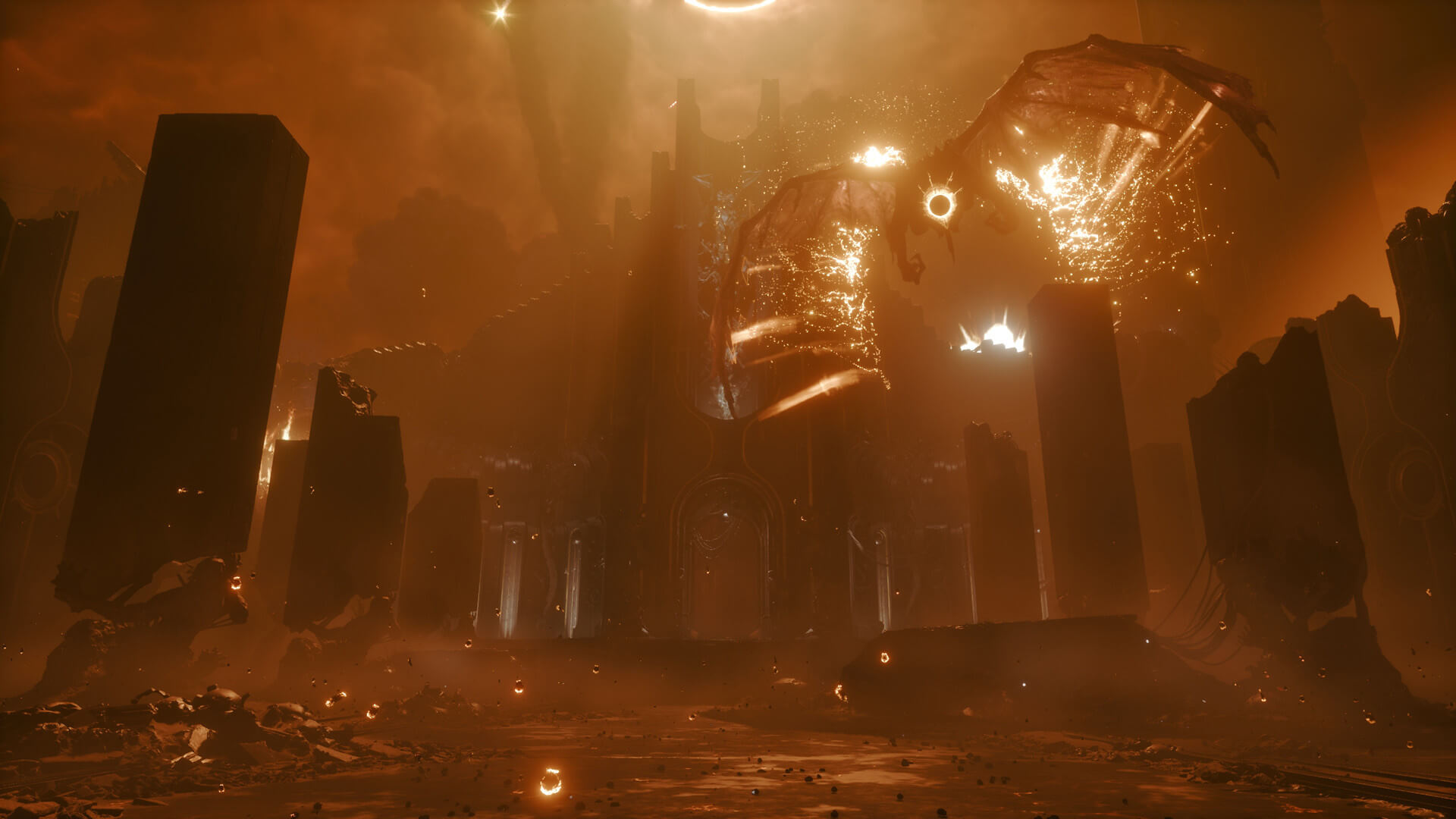
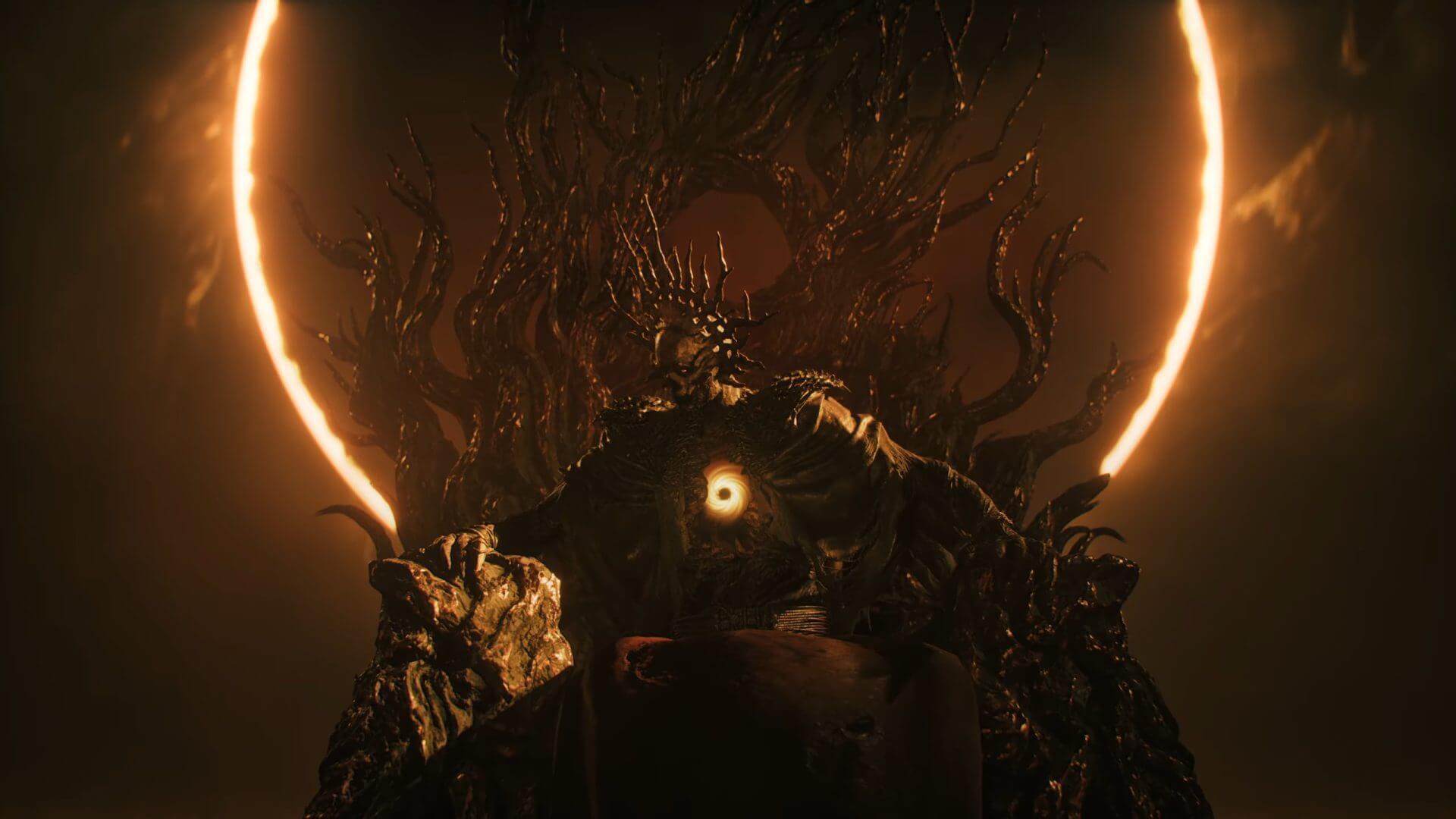
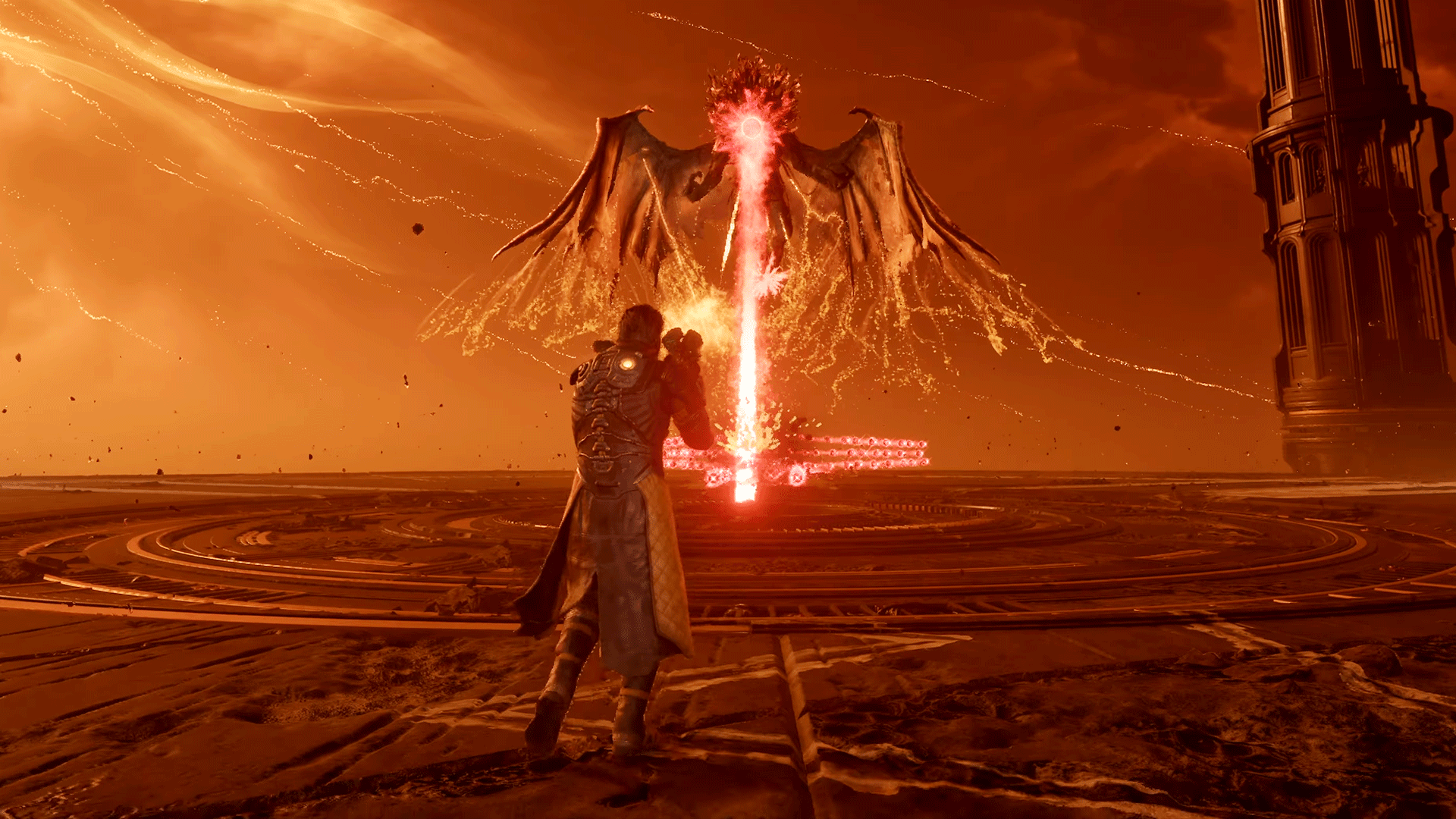
The bosses deserve special mention because they’re some of the best encounters Housemarque has designed. Every major boss features incredible visual design and multi-phase encounters that constantly evolve as the fight progresses. Patterns shift, arenas transform, attack combinations intensify, and new mechanics are introduced throughout each battle. These fights demand total concentration, and they’re spectacular to watch in motion.
What I loved most was how each boss felt like a genuine test of everything the game had taught me up to that point. They aren’t simply damage sponges. They’re skill checks that force you to utilise movement, positioning, timing, and weapon mastery all at once.
The sense of accomplishment after finally taking one down is enormous. After several failed attempts against one particular biome boss, finally overcoming it genuinely had me sitting forward in my chair afterwards just trying to calm down. Saros creates those memorable “I can’t believe I survived that” moments constantly, and they’re a huge part of why the gameplay loop works so well.
Outside of the major bosses, there are also numerous sub-boss encounters scattered throughout the world. These enemies often serve as brutal difficulty spikes along the way and help prevent runs from becoming too predictable.
One feature I really appreciated was the Carcosian Modifiers system. This allows players to adjust various gameplay elements to either increase or decrease difficulty depending on personal preference. I suspect this was partly implemented in response to the player drop-off Housemarque likely saw with Returnal, which was definitely the harsher game overall.
Personally, I think this was a smart decision. Saros still offers plenty of challenge for players who want it, but giving people more control over the experience means more players will actually get to see the game through to the end. Accessibility and flexibility don’t diminish the core experience here. If anything, they make the game feel more welcoming without sacrificing its identity.
Visually, Saros is extremely impressive for most of its runtime. Character models are highly detailed, environmental effects are stunning during combat, and the game’s lighting work is particularly strong. The particle effects during larger battles are ridiculous in the best possible way, with projectiles, explosions, and environmental destruction all filling the screen without becoming unreadable.
The acting performances are also very solid overall, especially Arjun himself. There’s a restrained weariness to his performance that fits the tone perfectly.
That said, I did notice some rougher moments in dialogue scenes. Certain facial animations can look strangely stiff, and a few conversations fall into that awkward territory where characters don’t quite feel natural despite the high visual fidelity. It’s not enough to ruin immersion, but it stands out occasionally.
I also would have liked a little more visual variety in some of the earlier biomes. While the art direction is consistently strong, a few areas started blending together after multiple runs. Later regions become much more visually distinct, but the opening hours can feel slightly repetitive in terms of environmental design. Even with those criticisms, the overall presentation is excellent.
The PS5’s DualSense controller is also used brilliantly throughout the experience. Housemarque continues to be one of the best developers at utilising the hardware in ways that actually enhance immersion rather than feeling gimmicky. The haptic feedback adds weight and texture to movement and combat, while the adaptive triggers provide different resistance depending on the weapon you’re using.
I especially liked the implementation of alternate fire modes, where half-pressing the left trigger activates secondary functions. It becomes surprisingly intuitive after a while and adds another layer of tactile engagement during combat.
The controller speaker is also used effectively for audio logs and eerie communications throughout the game. Hearing distorted transmissions crackle through the controller while exploring dark environments genuinely added to the atmosphere in a way that headphones alone probably couldn’t replicate.
By the time the credits rolled, Saros left me incredibly impressed. It doesn’t reinvent the formula Housemarque established with Returnal, but it refines and expands upon it in meaningful ways. The combat is exhilarating, the progression loop is addictive, the bosses are outstanding, and the worldbuilding pulled me in far more than I expected.
It still has some rough edges. The storytelling approach won’t work for everyone, certain environments could use more variety, and some runs can feel frustratingly dependent on luck. But even with those issues, this is another excellent release from a studio that clearly understands exactly what it does best.
For fans of Housemarque, Saros feels like a natural evolution of everything they’ve been building toward over the last decade. And for newcomers, it’s an outstanding place to finally discover why the studio has become one of the most exciting developers working in action games today.
A PS5 review code was provided by PlayStation for the purpose of this review.
If you want to see more content like this and never miss one of our frequent gaming and anime giveaways come and Follow Ani-Game on Twitter.
9.5
- + A great and addicting gameplay loop
- + Well designed boss encounters
- + Fantastic use of the DualSense’s features
- + Overall presentation, visuals and performances
- - Some of the Biomes start to feel repetitive in visual design
- - Some stiff character animations during dialogue scenes