I went into Returnal not quite knowing what to expect. I’d heard the comparisons to roguelikes, seen clips of frantic bullet-hell combat, and caught bits of its eerie sci-fi tone. But none of that really prepared me for how it actually feels to play. It’s one of those games that pulls you in slowly, then refuses to let go. Even when it’s frustrating, even when it feels unfair, I kept coming back for “just one more run.” And more often than not, that turned into hours.
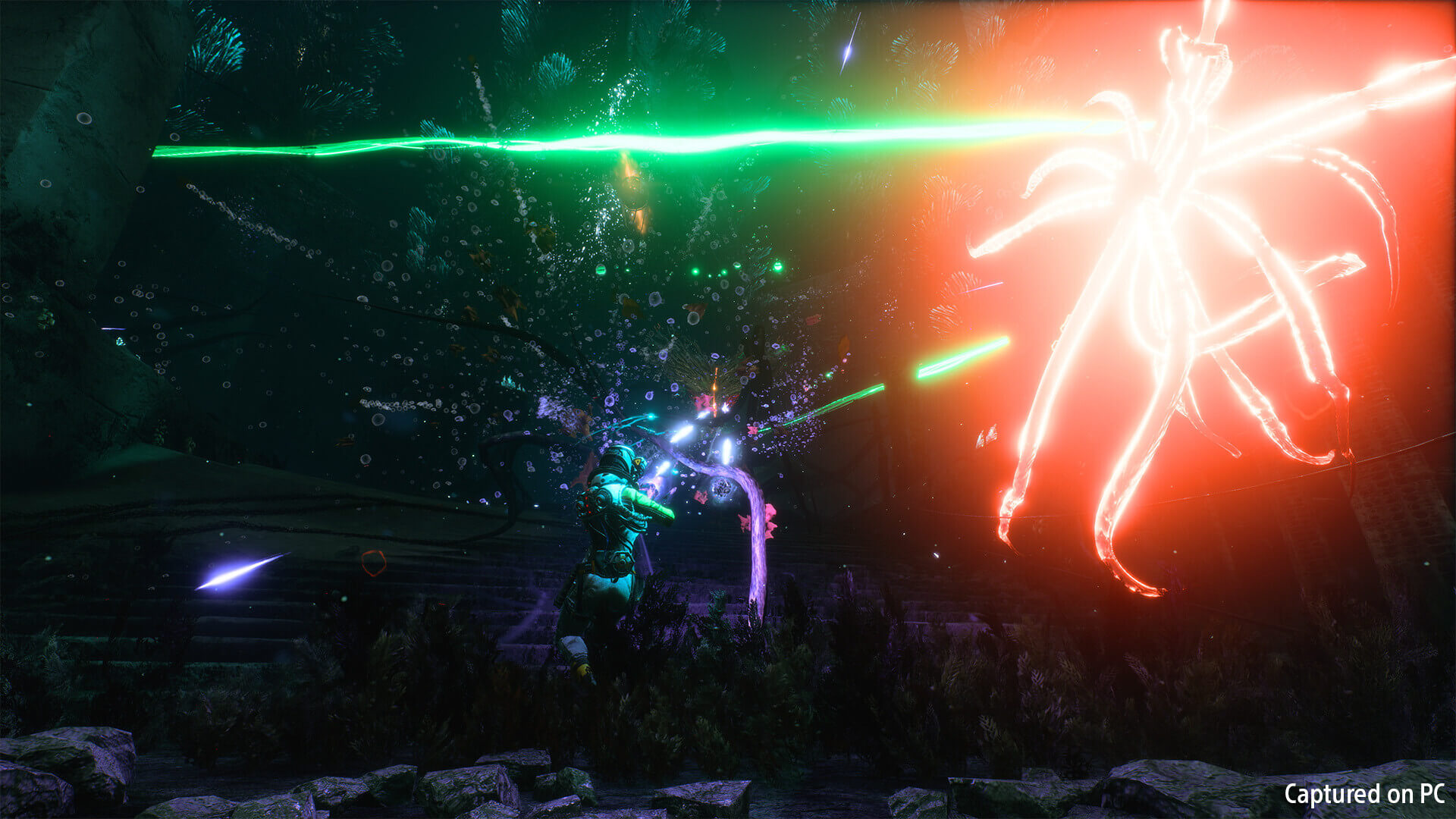
The game follows Selene, a space explorer who crash-lands on a hostile alien planet called Atropos. From the moment she wakes up, it’s clear something is very wrong. The world shifts. Environments change. And most importantly, death isn’t the end. Every time Selene dies, she wakes up back at the crash site, stuck in a loop. That’s the core premise, but the story unfolds in a much more fragmented and psychological way than I expected.
Instead of dumping exposition, Returnal feeds you bits and pieces. Audio logs, brief cutscenes, and strange house sequences slowly reveal Selene’s past and her connection to the planet. It becomes less about escaping Atropos and more about understanding what’s actually happening. I found myself intrigued but also a little disoriented. The narrative leans heavily into ambiguity, which works for the atmosphere, though at times I wished it gave just a bit more clarity.
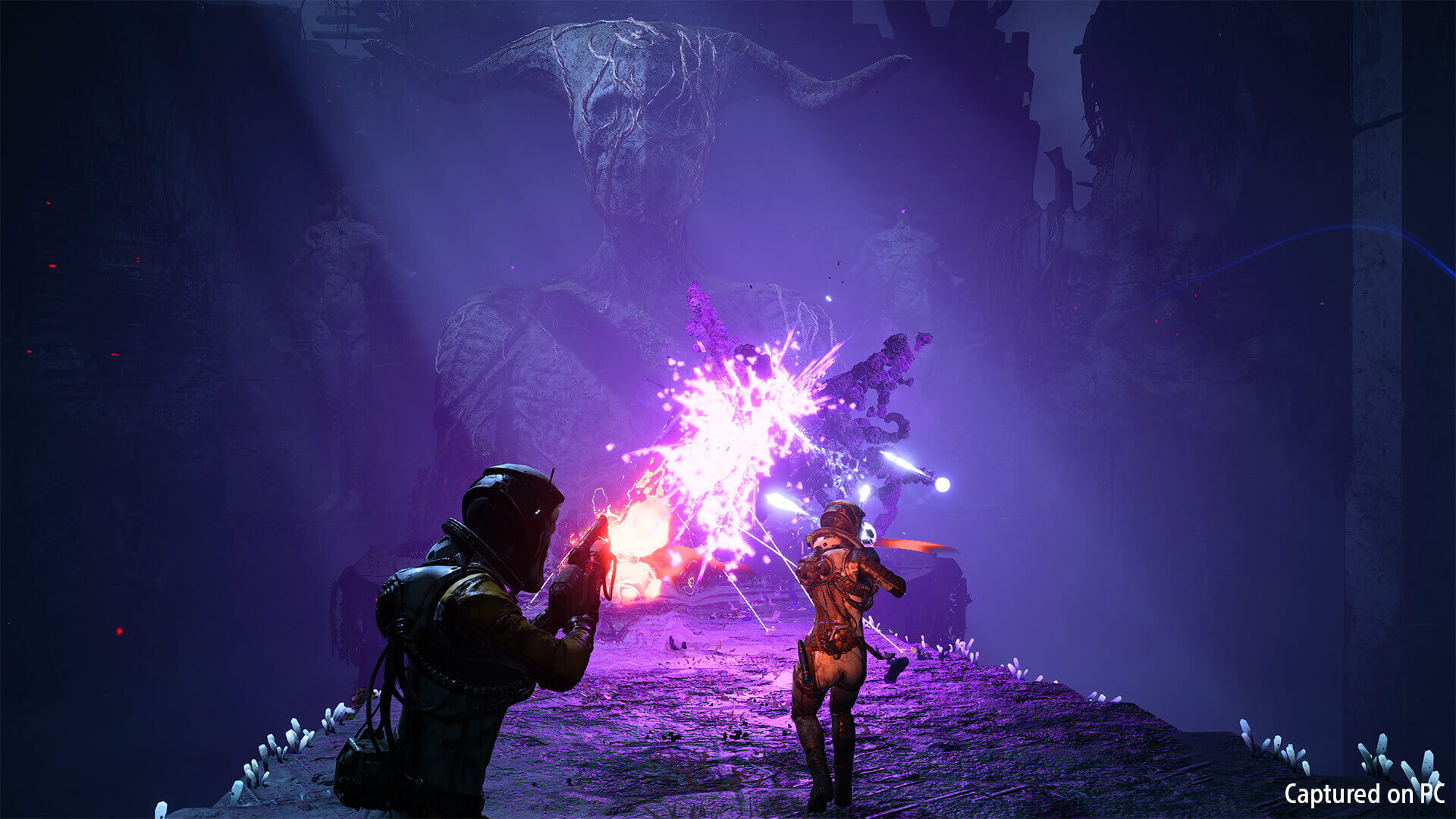
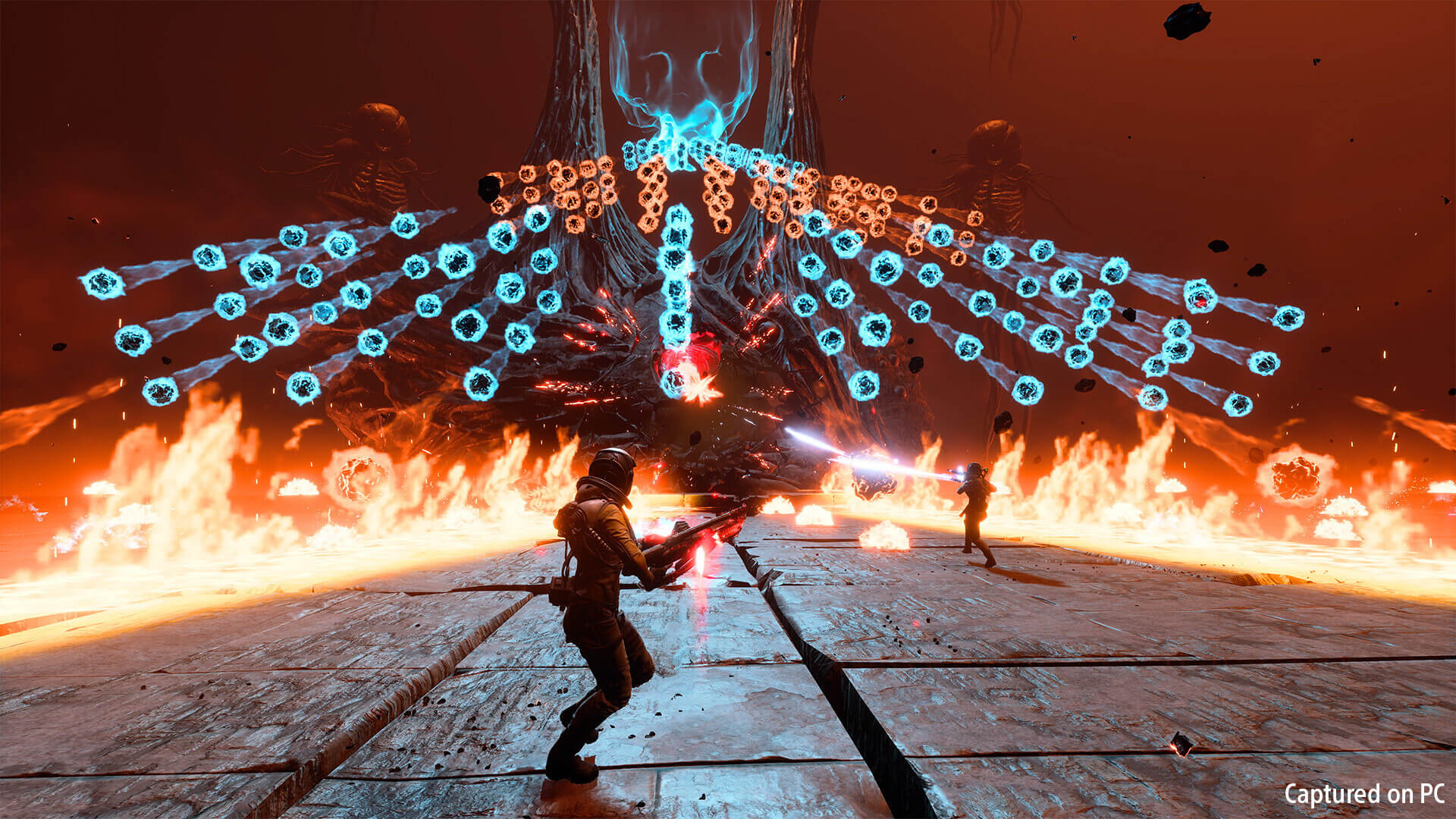
Gameplay is where Returnal really shines. At its core, it’s a third-person shooter with tight, responsive controls and fast movement. You’re constantly dashing, jumping, and weaving through waves of projectiles while firing back at enemies. The bullet-hell influence is obvious, but it never feels overwhelming once you get into the rhythm. It’s all about flow. When things click, it feels incredible.
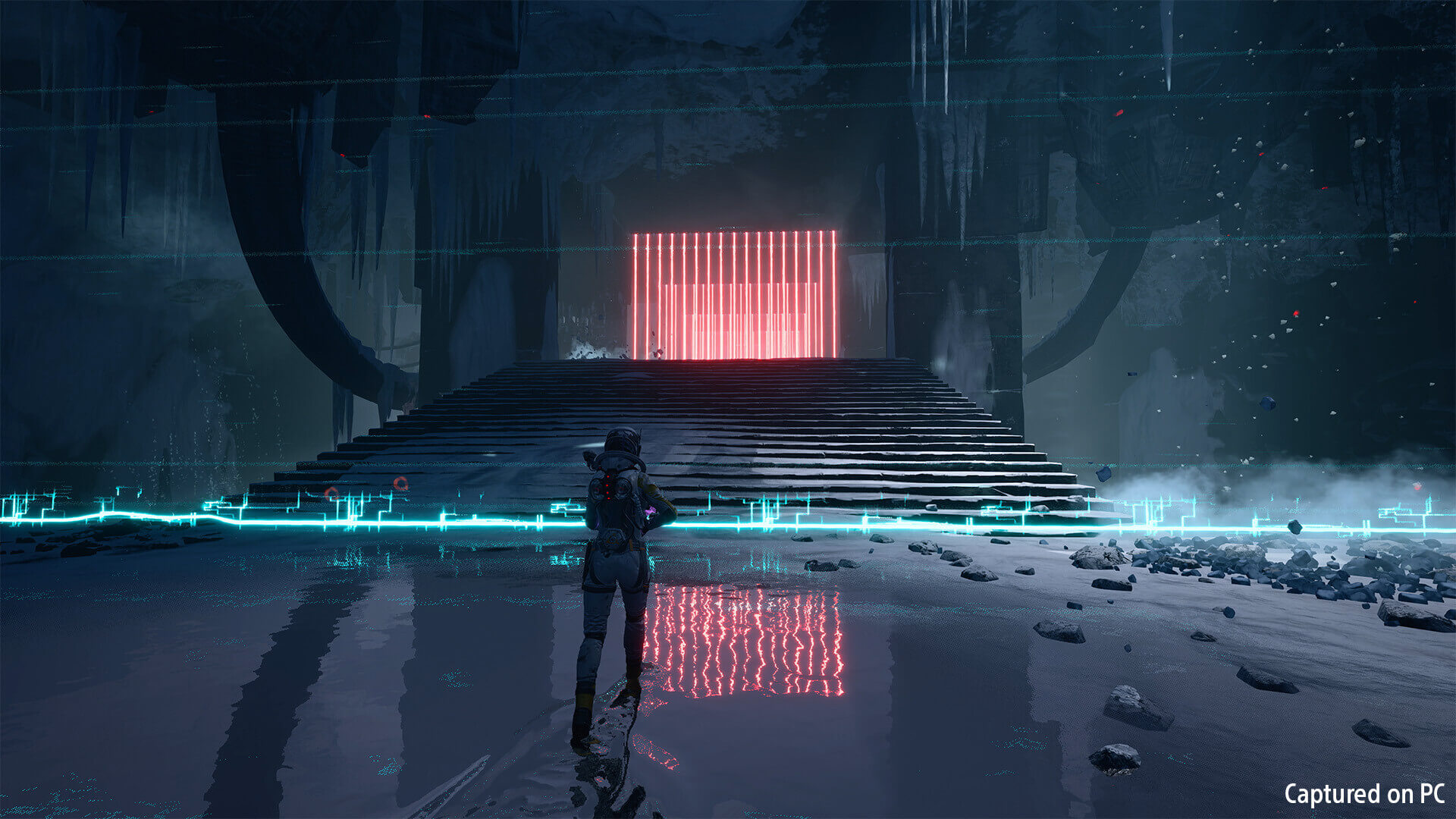
Each run starts from scratch. You lose most of your weapons and upgrades when you die, which is standard roguelike design. But you do retain certain permanent tools that open up new paths or abilities. This creates a strong sense of progression, even when you’re failing. And you will fail. A lot.
The addictive nature of the game comes from this loop. Every run feels like it could be the one where everything comes together. Maybe you find a powerful weapon early. Maybe you get lucky with upgrades. Maybe you just play better. There’s always that sense of possibility, which kept me hooked. Even after a brutal death, I rarely felt like quitting for long.
What I really appreciated is how the randomness never feels completely out of your control. Yes, luck plays a role, but skill matters just as much. Learning enemy patterns, mastering movement, and making smart decisions about risk and reward all have a big impact. Over time, I could feel myself improving, and that made each success more satisfying.
The combat itself is fantastic. Weapons have distinct personalities, from rapid-fire rifles to slower, more powerful options. Each one also has traits that level up the more you use them, adding another layer of progression. I found myself experimenting often, switching weapons based on what I found rather than sticking to a single favorite.
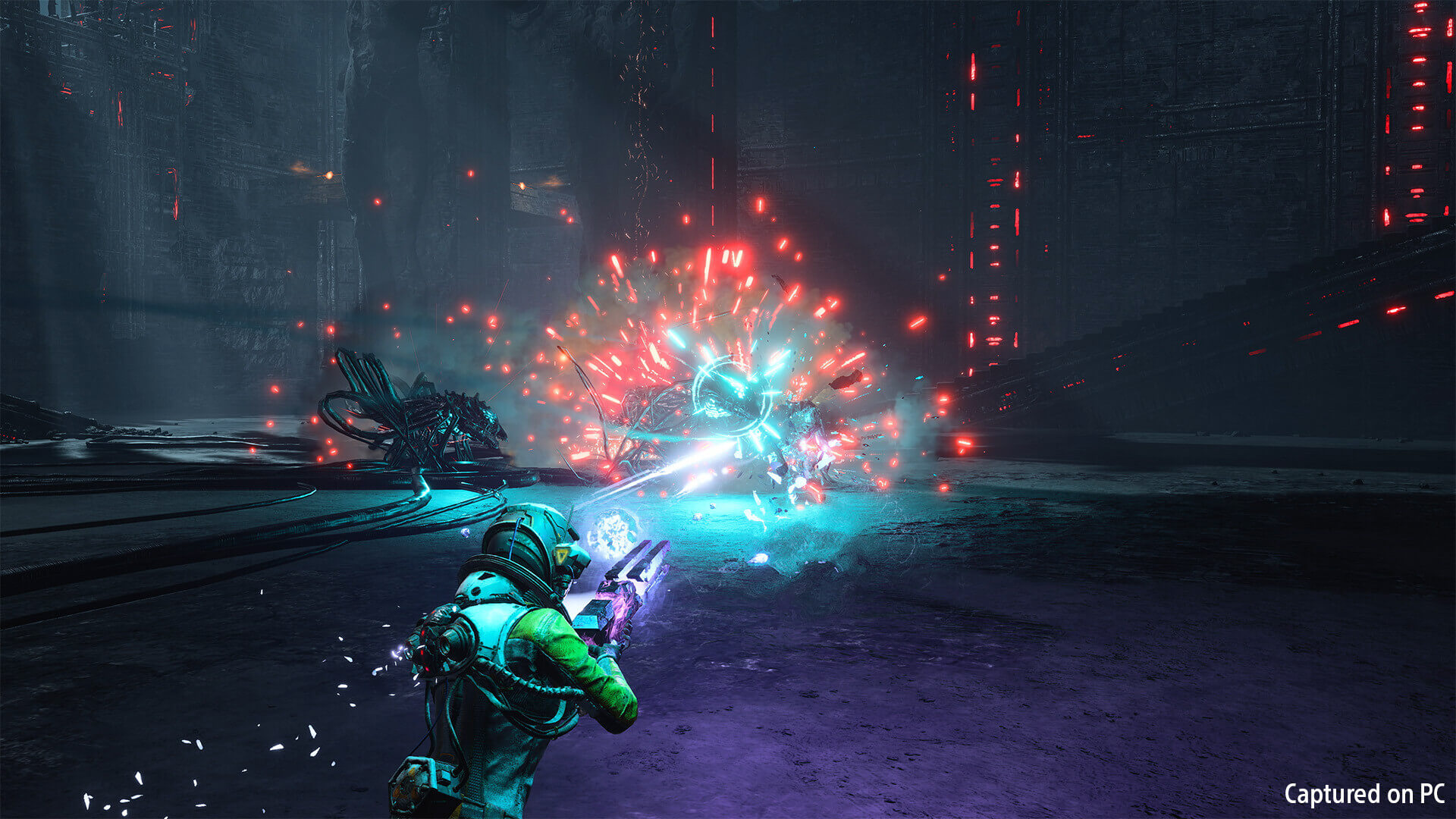
Enemies are varied and often unpredictable. Some rush you, others hang back and flood the screen with projectiles. Boss fights are a highlight. They’re challenging, visually striking, and demand full focus. Beating one after multiple attempts felt genuinely rewarding.
The core gameplay loop is simple but effective. You explore procedurally generated areas, fight enemies, collect resources, upgrade your gear, and push further into the world. Along the way, you make choices. Do you take a risky item that might have a negative effect? Do you spend currency now or save it? These small decisions add up and shape each run in meaningful ways.
One of the standout aspects for me was how well the game uses the PS5 DualSense controller. It’s not just a gimmick. The adaptive triggers are used in a clever way where a half-press aims down sights and a full press activates an alternate fire mode. It sounds simple, but it feels natural and adds an extra layer to combat without complicating things.
The haptic feedback is just as impressive. You can feel the difference between walking on various surfaces, the impact of rain, and the kick of each weapon. It adds to the immersion in a way that’s hard to describe until you experience it. Even subtle cues, like the tension during intense fights, come through the controller. It made the whole experience feel more immediate and physical.
That said, the game isn’t without its flaws. The difficulty can be a major barrier. While I personally enjoyed the challenge, I can see how it might push some players away. Runs can be long, and losing progress after a mistake can feel punishing. There’s no traditional save system during a run, which means you need to commit a decent chunk of time each time you play.
I also felt that the pacing could be uneven. Some runs would feel incredibly rewarding, while others felt like a slog due to poor item drops. That’s part of the roguelike design, but it can still be frustrating. A bit more balance in how resources are distributed might have helped smooth things out.
The story, while intriguing, might not land for everyone. Its abstract nature means that some players could finish the game without fully understanding what happened. I appreciated the mystery, but there were moments where I wanted a clearer payoff.
Despite these issues, I kept coming back to Returnal. There’s something about its combination of tight gameplay, atmospheric world, and rewarding progression that just works. It demands patience and persistence, but it gives a lot back in return.
By the time I reached the end, I felt a genuine sense of accomplishment. Not just because I had finished the game, but because I had learned it. I had adapted, improved, and pushed through its challenges. That’s something not every game manages to deliver.
In the end, Returnal is a bold and memorable experience. It’s not always easy, and it’s not always fair, but it’s consistently engaging. If you’re willing to embrace its structure and stick with it through the tough moments, there’s a lot to enjoy here. For me, it’s one of those games that sticks in your mind long after you’ve put the controller down.
A PS5 review code was provided by PlayStation for the purpose of this review.
If you want to see more content like this and never miss one of our frequent gaming and anime giveaways come and Follow Ani-Game on Twitter.
9
- + Stunning visuals
- + Really addicting core gameplay loop
- + Great progressions and upgrade system
- + Makes great use of the DualSense’s features
- - Pacing and difficulty will prevent some from seeing it through
- - Runs can be doomed because of bad randomised drops