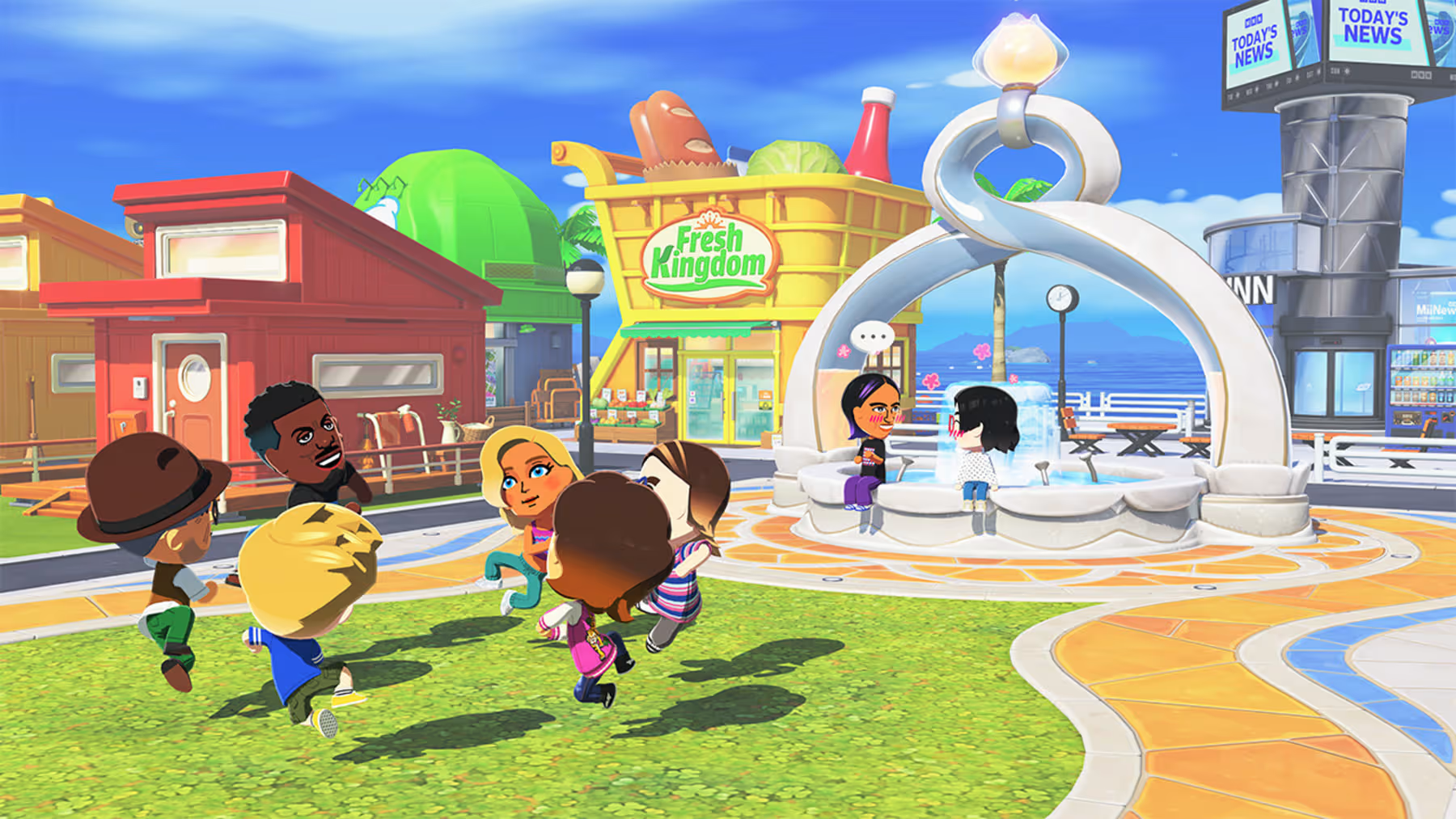
When the original Tomodachi Life launched on the Nintendo 3DS back in 2013, it definitely looked like one of Nintendo’s strangest ideas. It wasn’t quite a life simulator, not really a management game, and definitely not something that could easily be explained to someone who hadn’t played it. You made a bunch of Miis, dropped them onto an island, and watched them live out these odd, funny, sometimes chaotic little lives.
Over a decade later, Tomodachi Life: Living the Dream brings that concept to the Nintendo Switch, with a few modern touches but largely the same core idea. It’s not trying to reinvent itself. If anything, it doubles down on what made the original memorable. Personality, unpredictability, and a very specific kind of humor that only really works because the game refuses to take itself seriously.
I came into this completely fresh. I never played the original, so had no nostalgia or built in affection for the series, just curiosity about why people had been asking for this sequel for so long.
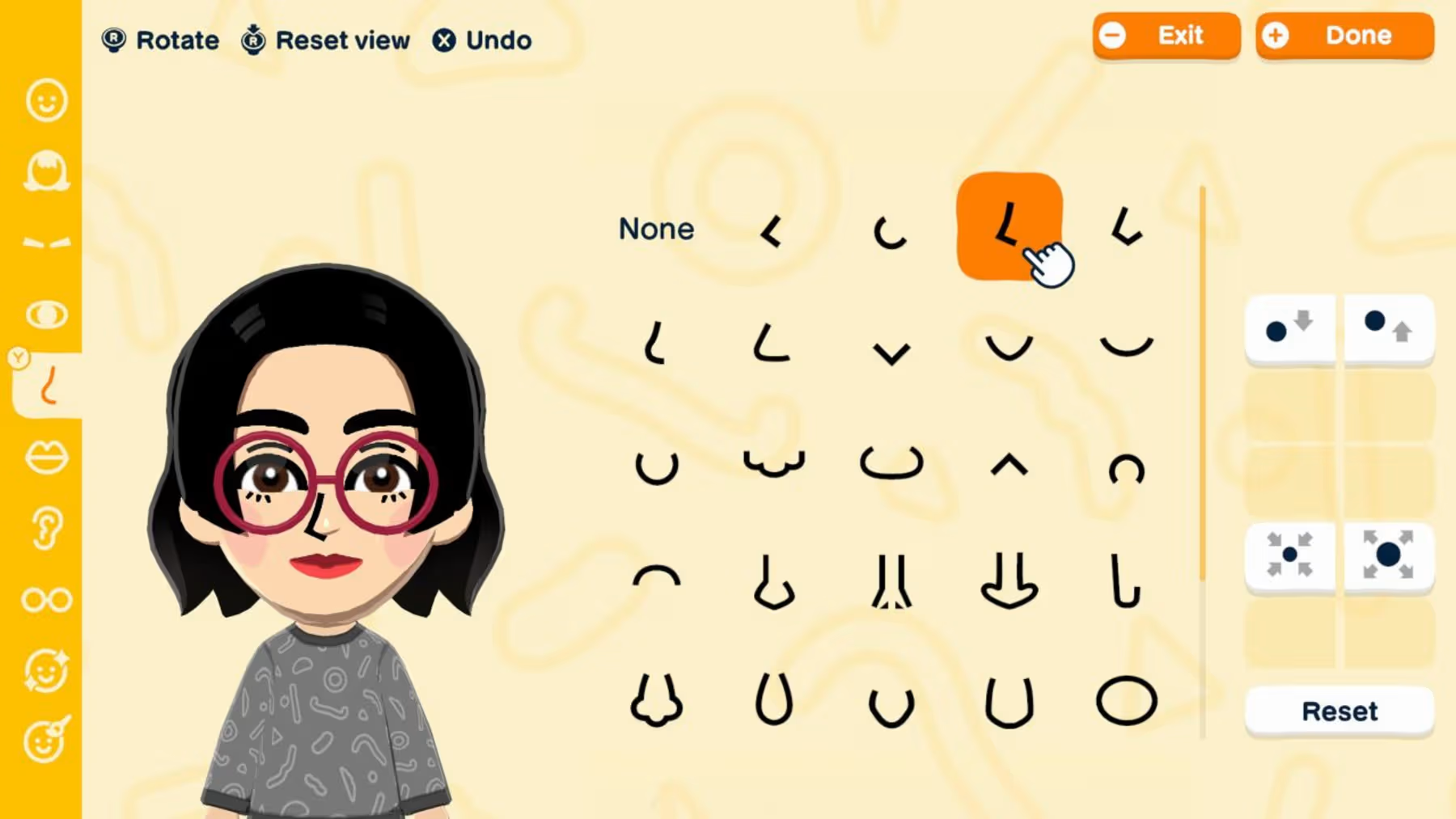
The first thing that stood out to me is how quickly the game throws you into its world. There’s no long tutorial, no complicated setup. You create your first Mii, give them a voice and personality, get them settled in, and then… that’s it. The island starts to come alive as you add more characters.
At first, I wasn’t sure what I was supposed to be doing. That feeling doesn’t entirely go away, and that’s kind of intentional. Within an hour, though, I had a small group of Miis interacting in ways I didn’t expect at all. Two became friends almost immediately. One got into a petty argument. Another asked me for food like it was the most urgent problem imaginable.
That’s when it started to make sense. This isn’t a game you control in the traditional way. It’s more like something you guide and react to.
At its core, Living the Dream is a life simulator, but a pretty hands-off one. You create characters, place them on an island, and then check in on them as they go about their lives. They’ll talk to each other, form relationships, have disagreements, fall in love, and occasionally do something completely ridiculous.
You act as a kind of mediator. When a Mii has a problem, you step in. That might mean choosing what they eat, helping them resolve a conflict, or giving them advice about another character. Sometimes your input matters. Other times, it feels like the game is going to do what it wants anyway.
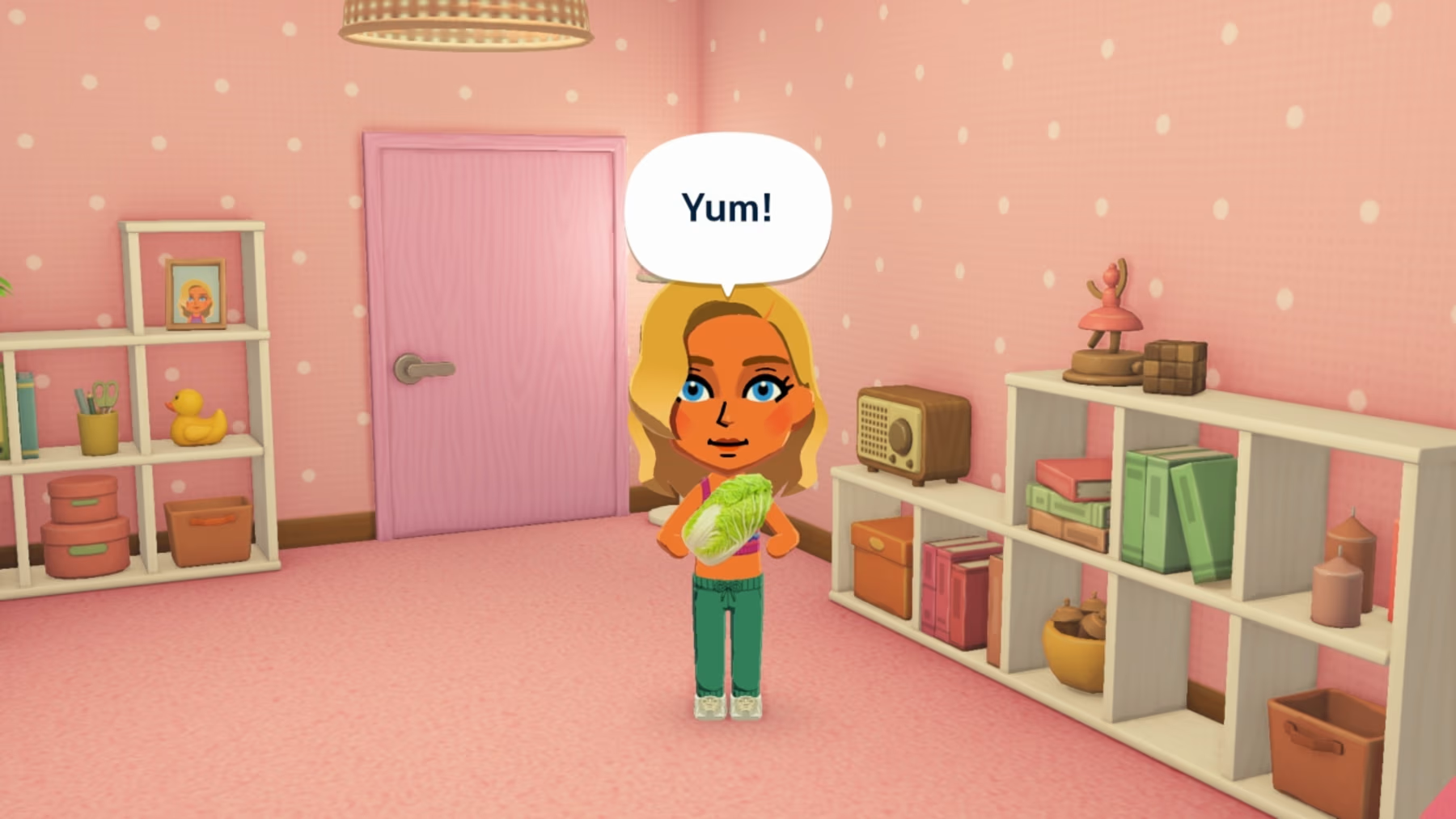
The loop is pretty simple, you check in, solve problems, unlock new items, and watch things play out. There’s no end goal, no big objective you’re working toward. The appeal comes from the small, unpredictable moments that happen along the way.
Most of the time, you’re responding to your Miis rather than directing them. A character might want help confessing their feelings. Another might be upset after a fight. Someone else just wants a new outfit or a specific type of food. You make a choice, and then you watch the result. Sometimes it works out exactly how you hoped. Sometimes it goes completely sideways.
Relationships are a big part of the experience. Miis can become close friends, drift apart, or start romantic relationships. But you never have full control over that. You can encourage things, but you can’t force them. That lack of control is part of what makes the game feel alive. It ends up feeling like you’re watching a slightly unhinged reality show, except you created the cast.
Similarly to what I thought when I saw the 3DS version back in the day, I did find myself wondering who this game was created for. This is where things get a bit tricky, because Tomodachi Life: Living the Dream isn’t for everyone.
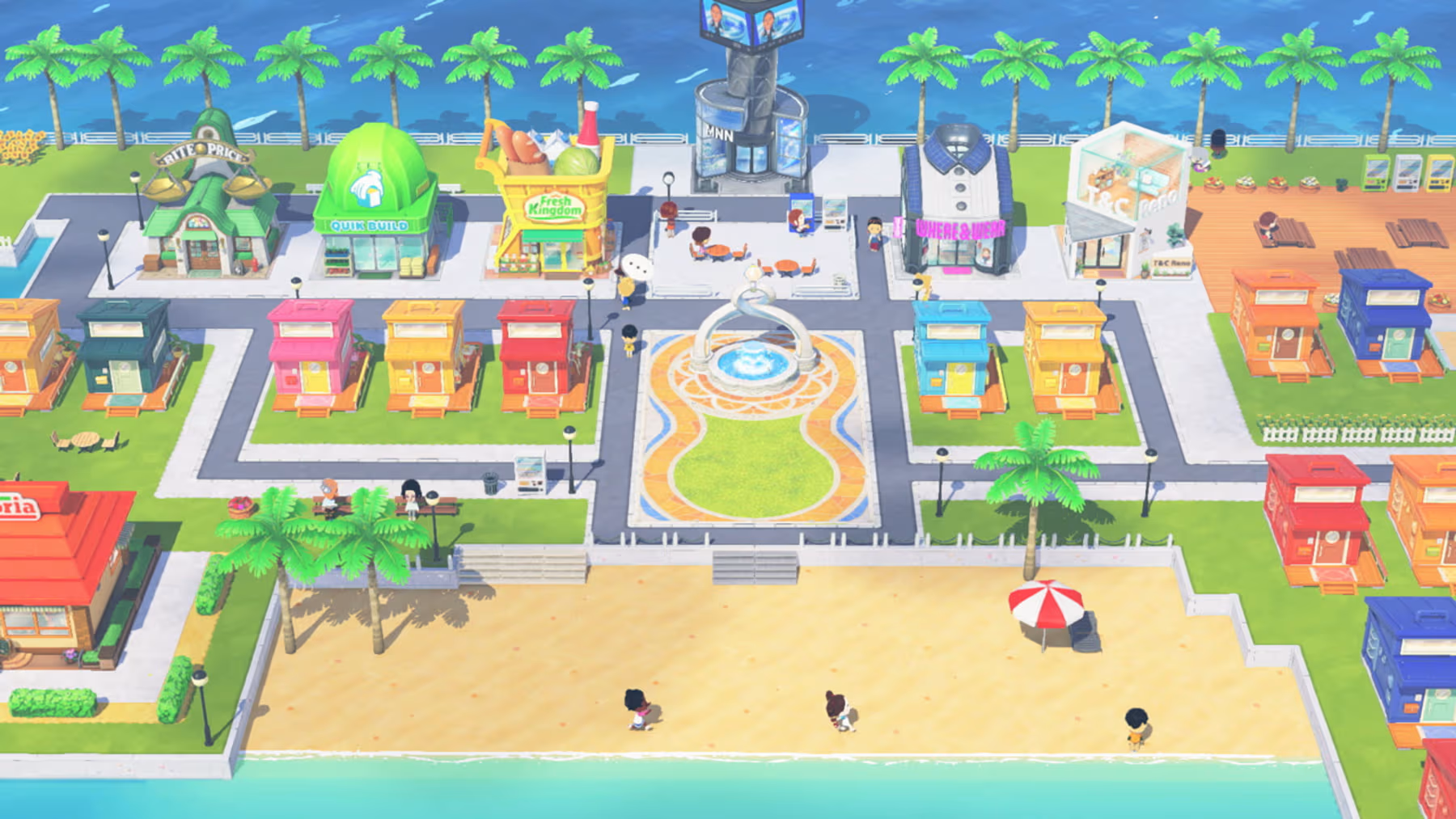
If you like games with clear goals, structured progression, or a strong narrative, this might not hold your attention for long. It doesn’t push you forward in any traditional sense. You have to be okay with making your own fun.
On the other hand, if you enjoy games like Animal Crossing: New Horizons, or anything that lets you create characters and watch systems interact, and see how things develop over time, there’s a lot to like here.
It’s especially suited to people who enjoy checking in on a game in short bursts. You don’t need to sit down for hours. In fact, it works better when you don’t. A few minutes here and there is often enough to see something new or unexpected.
The biggest strength of Living the Dream is its personality. The interactions between Miis are consistently entertaining, often because they feel so random. The humor doesn’t come from scripted jokes as much as it comes from situations that just happen.
Customisation also plays a huge role. The Mii creator gives you a lot of control over how your characters look, sound, and behave. Because of that, your island ends up feeling very personal. Mine quickly turned into a mix of friends, fictional characters, and a few completely absurd creations that made every interaction more interesting.
Another thing the game gets right is how low pressure it is. There’s no penalty for stepping away. You can ignore it for days and come back without feeling like you’ve missed anything important. That makes it easy to treat as a casual, ongoing experience rather than something you need to keep up with.
At the same time, the lack of structure can work against it. After a while, it can start to feel like you’re seeing variations of the same events. Without a larger goal to work toward, the experience can lose momentum.
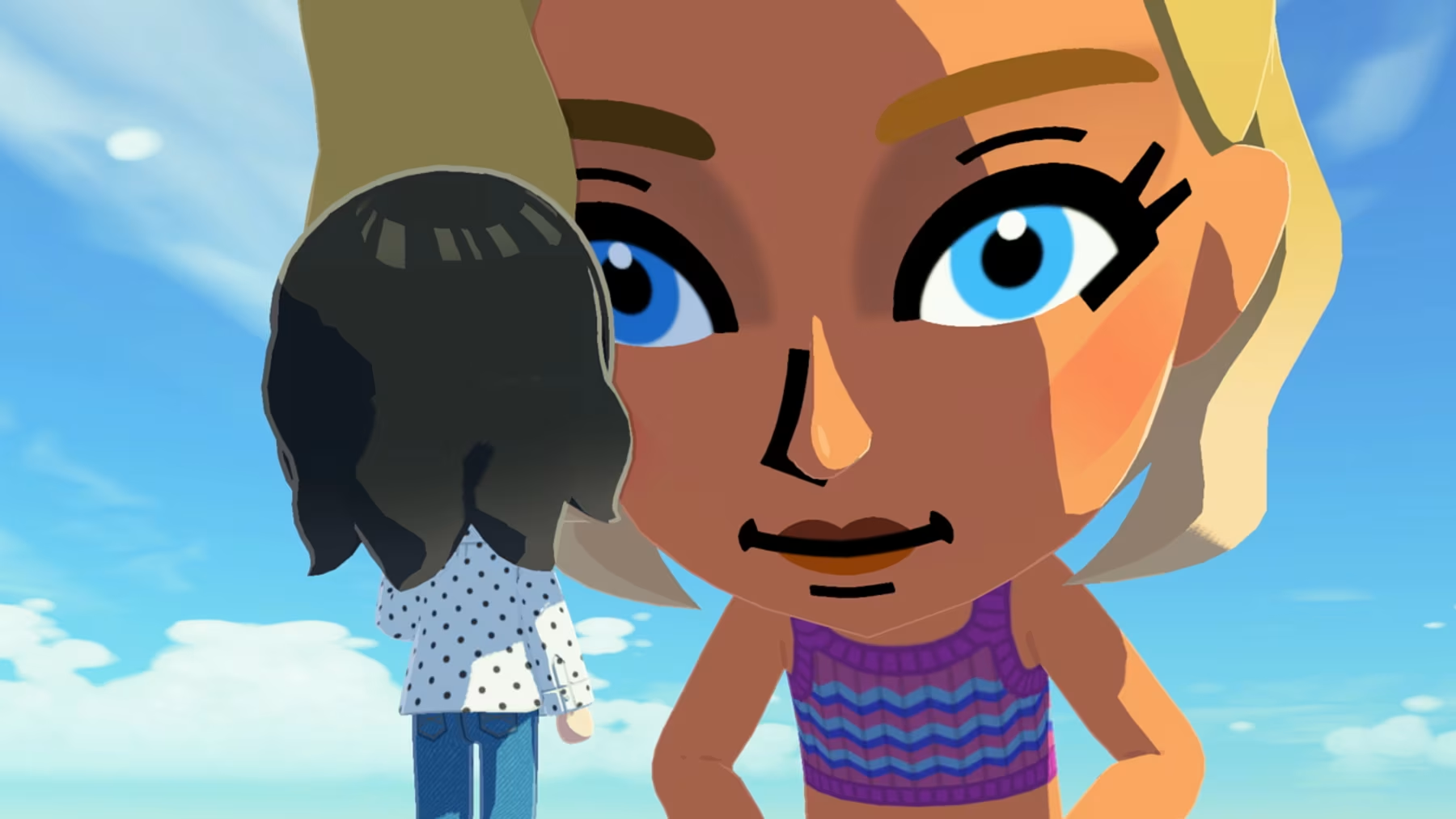
There’s also a sense that some systems could go further. Relationships, for example, are fun to watch, but they don’t always feel as deep or dynamic as they could be. You’re mostly observing rather than shaping those outcomes in a meaningful way.
Another small issue is that the game doesn’t fully lean into its social potential. It feels like something that would benefit from stronger sharing features, especially given how many moments feel worth showing to other people. I’d love the ability to co-operatively hang out in a friend’s world or them in mine or to be able to easily share my custom creations with other players.
I played the game on the Nintendo Switch 2, and while it runs well overall, it’s not a huge leap forward over the base Switch experience. Load times are quick, and the visuals are clean and sharp, especially in handheld mode. The game has a bright, simple style that translates nicely to the newer hardware.
That said, it still runs at 30 frames per second, and there are occasional dips when things get busy. It’s nothing game breaking, but it does stand out given the relatively simple visuals.
Overall, it feels more like an upgraded version of a Switch game rather than something built specifically to take advantage of the new system.
Final Thoughts
Tomodachi Life: Living the Dream is a hard game to describe, but an easy one to understand once you spend time with it. As someone new to the series, I wasn’t sure it would hold my attention. But it ended up surprising me. Not because it’s deep or complex, but because it creates moments that feel genuinely unique to your playthrough.
It’s a game about small interactions, strange conversations, and unpredictable outcomes. You’re not chasing progress or trying to win. You’re just checking in, seeing what’s changed, and occasionally nudging things along.
That won’t work for everyone. And I’m sure some players will bounce off it quickly. But if you’re the kind of person who enjoys a bit of randomness, a bit of creativity, and a lot of personality, there’s something here that’s hard to find anywhere else.
A Nintendo Switch review code was provided by Nintendo for the purpose of this review.
If you want to see more content like this and never miss one of our frequent gaming and anime giveaways come and Follow Ani-Game on Twitter.
8
- + Great for small play sessions
- + Unpredictable, but in a good way
- + It’s great to see how things develop and relationships evolve over time
- + Customisation options let you create some crazy situations on your island
- - The lack of structure will push people away or stop them engaging
- - Would have loved better use of the Switch 2’s power to offer improved framerate and performance in busy areas











The concept of Tomodachi Life: Living the Dream as a “hands-off” life simulator really resonated with me, where I guide and react to the characters’ interactions. I’ve found that creating unique Miis with distinct personalities is key to experiencing the game’s unpredictability, and I appreciate how the game throws you into its world quickly without a lengthy tutorial. By checking in on my Miis and solving their problems, I’ve unlocked new items and enjoyed the small, unpredictable moments that make the game so charming.