When Super Mario Bros. Wonder first landed back in 2023, it felt like a reset in the best way. After years of solid but safe side-scrolling entries during the Wii and 3DS era, this was Nintendo reminding everyone how inventive 2D Mario could be. I remember finishing it with a big grin on my face, impressed by how it mixed classic platforming with genuinely weird, creative ideas. So when I heard it was getting a second life as Super Mario Bros. Wonder – Nintendo Switch 2 Edition + Meetup in Bellabel Park, I was curious. Not just for a visual upgrade, but for what Nintendo might add to a game that already felt complete.
After checking out this new version, I can say this isn’t just a minor refresh. Out of all the first-party Nintendo titles that have been revisited for Switch 2 with extra content, this one feels the most substantial. It’s not just sharper visuals or a small bonus mode tacked on. There’s a real effort here to expand the experience, especially with the Bellabel Park content, new characters, and a big focus on multiplayer play.
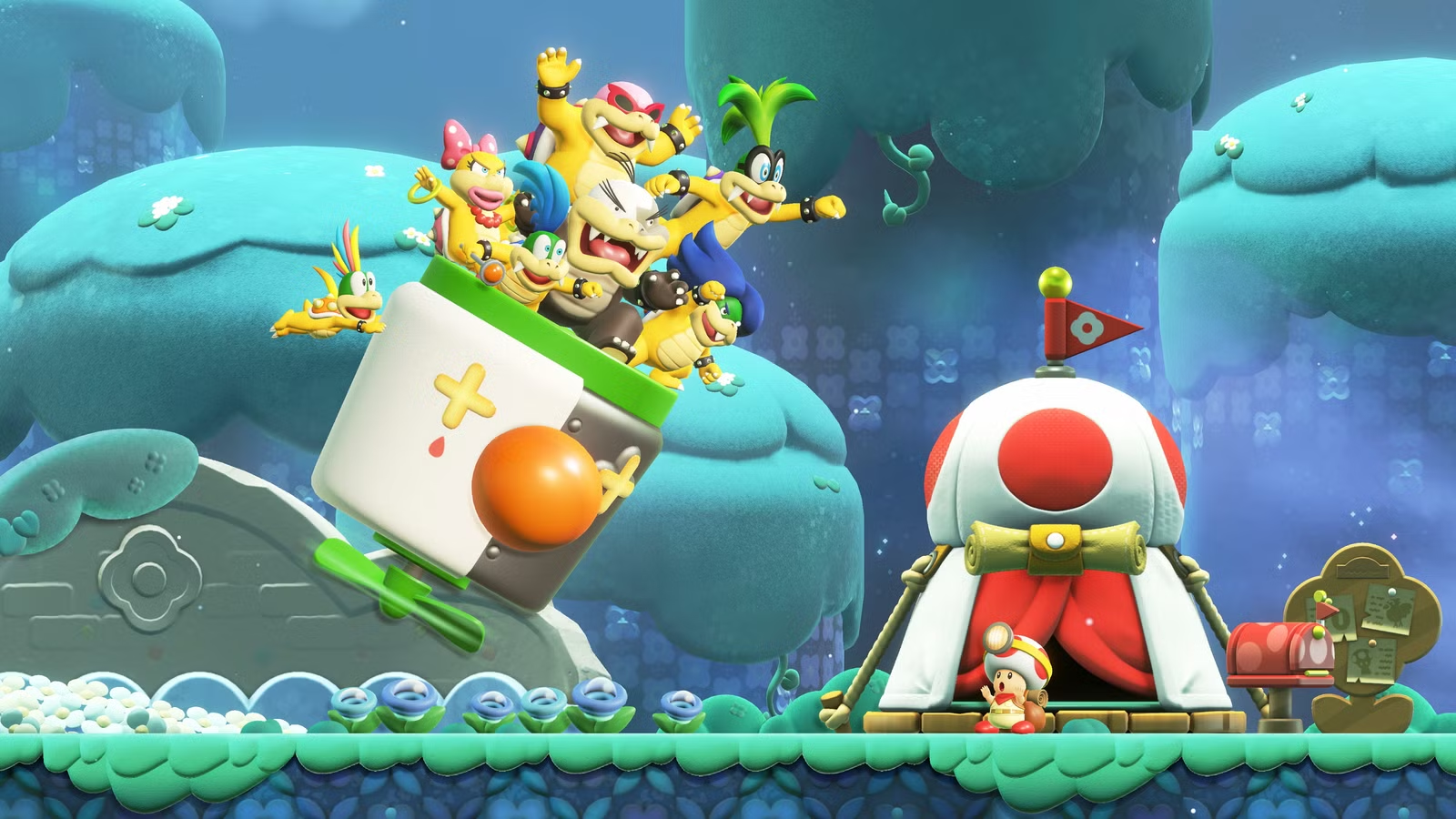
Before getting into the new additions, it’s worth revisiting what made the base game work so well in the first place. At its core, Super Mario Bros. Wonder sticks to a simple premise. Mario and friends visit the Flower Kingdom, a vibrant new setting ruled by Prince Florian. Things quickly go sideways when Bowser gets his hands on the Wonder Flower, fuses with the castle, and turns into a massive, reality warping threat. It’s a straightforward setup, but it works because it gets out of the way and lets the gameplay shine.
And the gameplay really is the star. This was a return to classic 2D Mario, but not in a nostalgic, copy and paste kind of way. Instead, it builds on that foundation with constant surprises. The biggest innovation is the Wonder Flower mechanic. Every time I grabbed one, I never quite knew what was going to happen. Pipes might come alive and slither around like snakes. The world could tilt, enemies might suddenly start singing. It sounds chaotic, and it is, but it’s also incredibly well designed.
That unpredictability gave each level its own identity. It reminded me a lot of playing Super Mario World on the SNES as a kid, where many stages had a memorable twist or secret. But here, that feeling is dialed up. Levels don’t just introduce mechanics, they play with them in ways that constantly kept me engaged.
The level design overall is excellent. There’s a strong sense of variety, not just in visual themes but in how challenges are structured. Some levels are short and punchy, built around a single idea. Others are longer and more complex, asking you to combine skills. It strikes a nice balance between accessibility and depth, which is something Mario games have always aimed for.
Visually, the game was already strong in its original form, and that hasn’t changed. If anything, it’s been enhanced. The animation is smooth and expressive. Characters have more personality than ever, especially in the small details like how they react to the environment. There’s a playful energy running through everything, which is something Nintendo consistently nails with its best titles.
Now, on Switch 2, that presentation gets a noticeable boost. The resolution is sharper, colors feel richer, and everything pops more, especially on a large screen. It’s not a complete overhaul, but it’s the kind of upgrade that makes an already attractive game feel more polished. I also spent a fair amount of time playing in handheld mode, and it holds up there too. Performance is rock solid, and the clarity makes it easy to appreciate all the little visual touches.
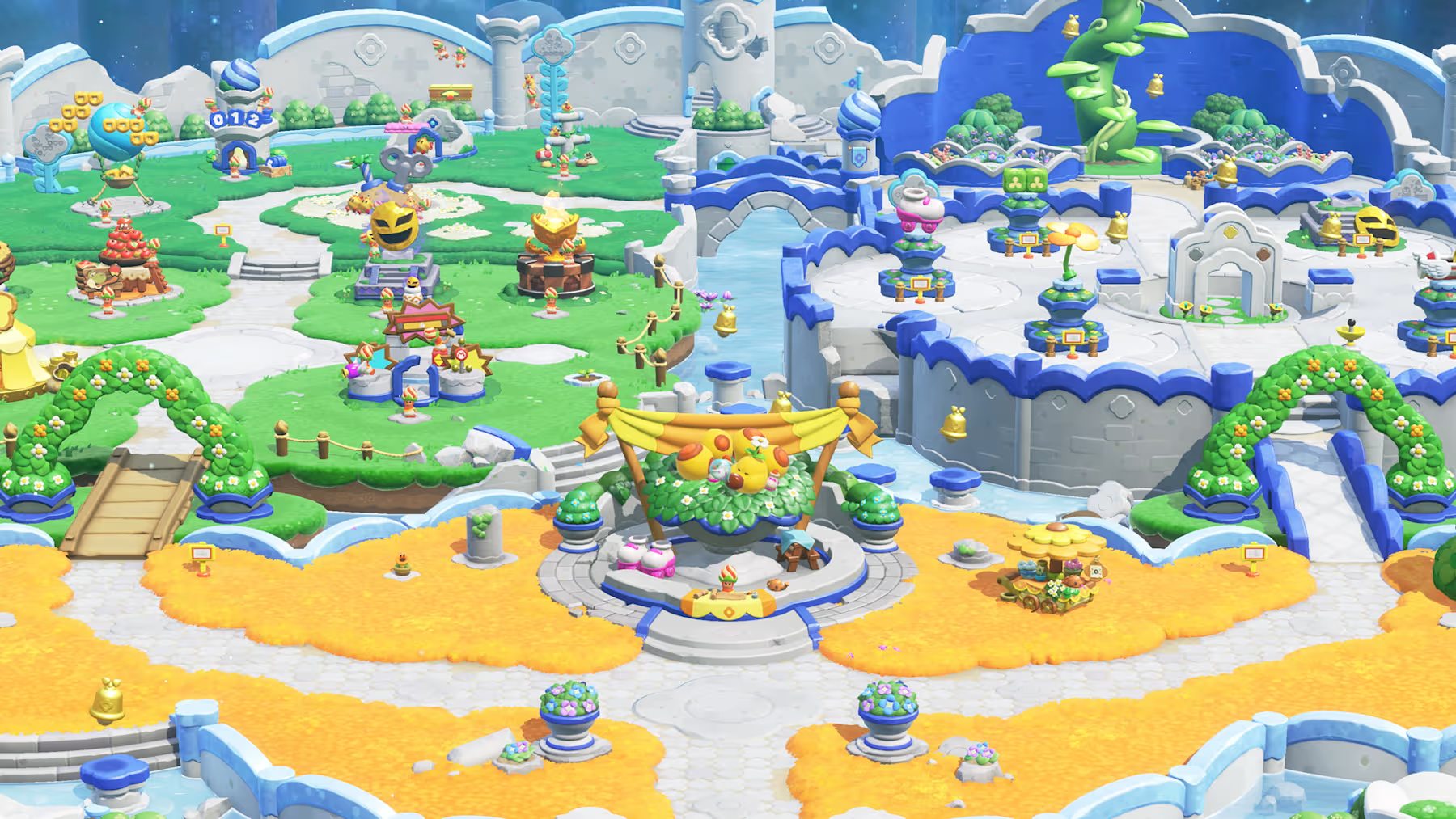
But the real reason to revisit this version is the new content, especially the Bellabel Park expansion. Bellabel Park is framed as a new area within the Flower Kingdom, designed as a kind of festival hub where players gather for challenges, events, and cooperative activities. There’s a light story thread running through it, centered around restoring the park after it’s been disrupted by Bowser’s lingering influence. It’s not a deep narrative, but it gives context to why you’re taking part in these new challenges.
What stood out to me right away is how different the structure feels compared to the main game. Instead of a traditional world map with linear progression, Bellabel Park is more open and activity driven. You can pick and choose what to tackle, whether that’s mini-games, cooperative stages, or special challenge runs.
One of my favorite additions here is the inclusion of the Koopalings as boss encounters. This was a genuine highlight. I’ve always had a soft spot for them from older Mario games, especially Super Mario World, so seeing them return with new mechanics and modern designs was great. Each fight feels distinct, built around both their personality and the Wonder mechanics. They’re not just simple pattern recognition battles either. Some require quick adaptation, others lean into chaos in a way that fits perfectly with the tone of Wonder.
Another big addition is Rosalina as a playable character, accompanied by Luma. She brings a slightly different feel to movement and combat, which adds some variety when revisiting levels or tackling new challenges. It’s not a drastic gameplay shift, but it’s enough to make me want to experiment.
Then there’s Flower Mario, which introduces new abilities that play directly into the Wonder system. Without spoiling too much, it opens up new ways to interact with the environment and enemies, and it’s used in some clever level designs within Bellabel Park. These stages tend to be more demanding than what the base game offered, which I appreciated. The original game was fun, but it leaned a bit on the easier side. The new content pushes things further, especially in later challenges.
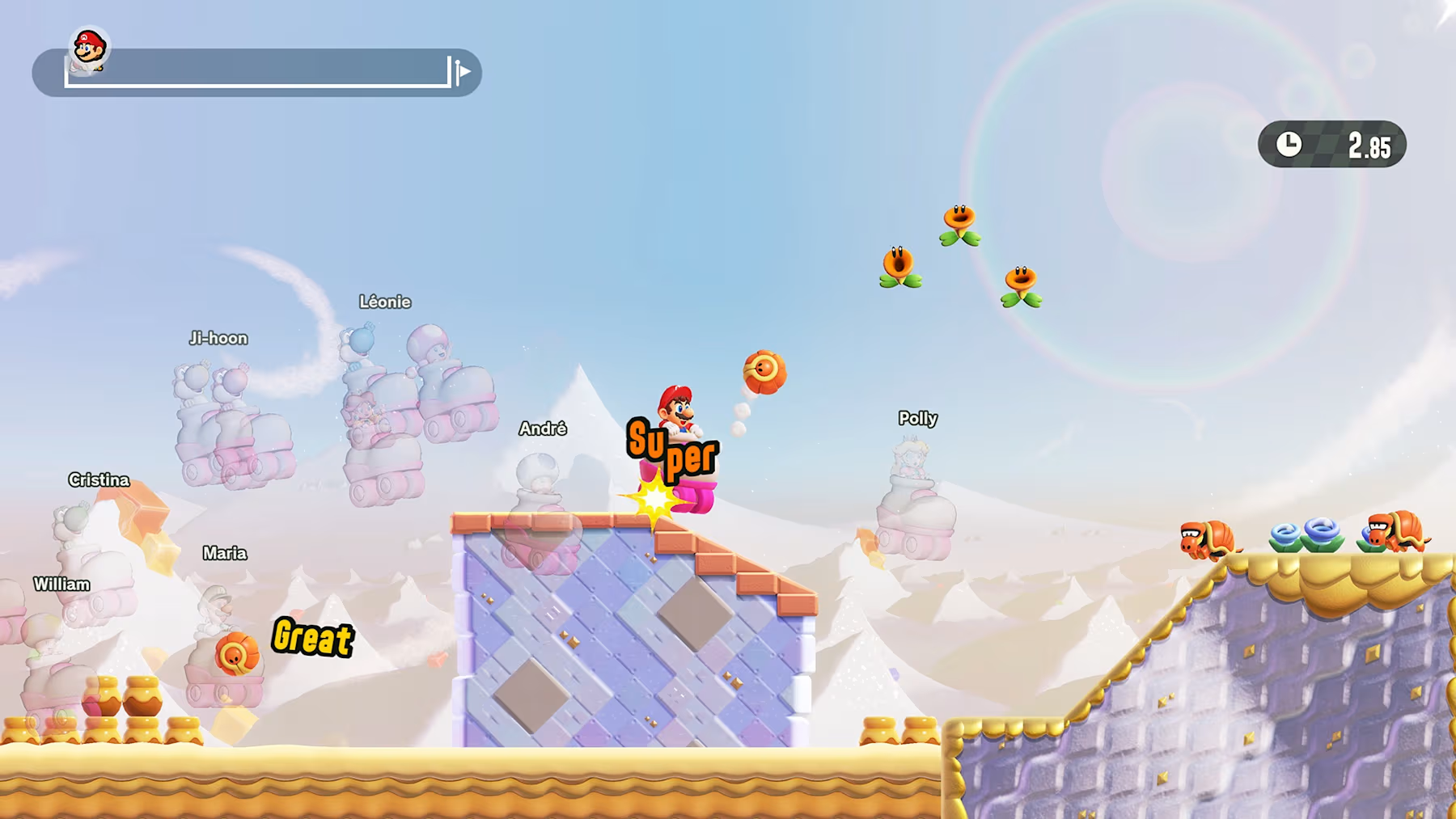
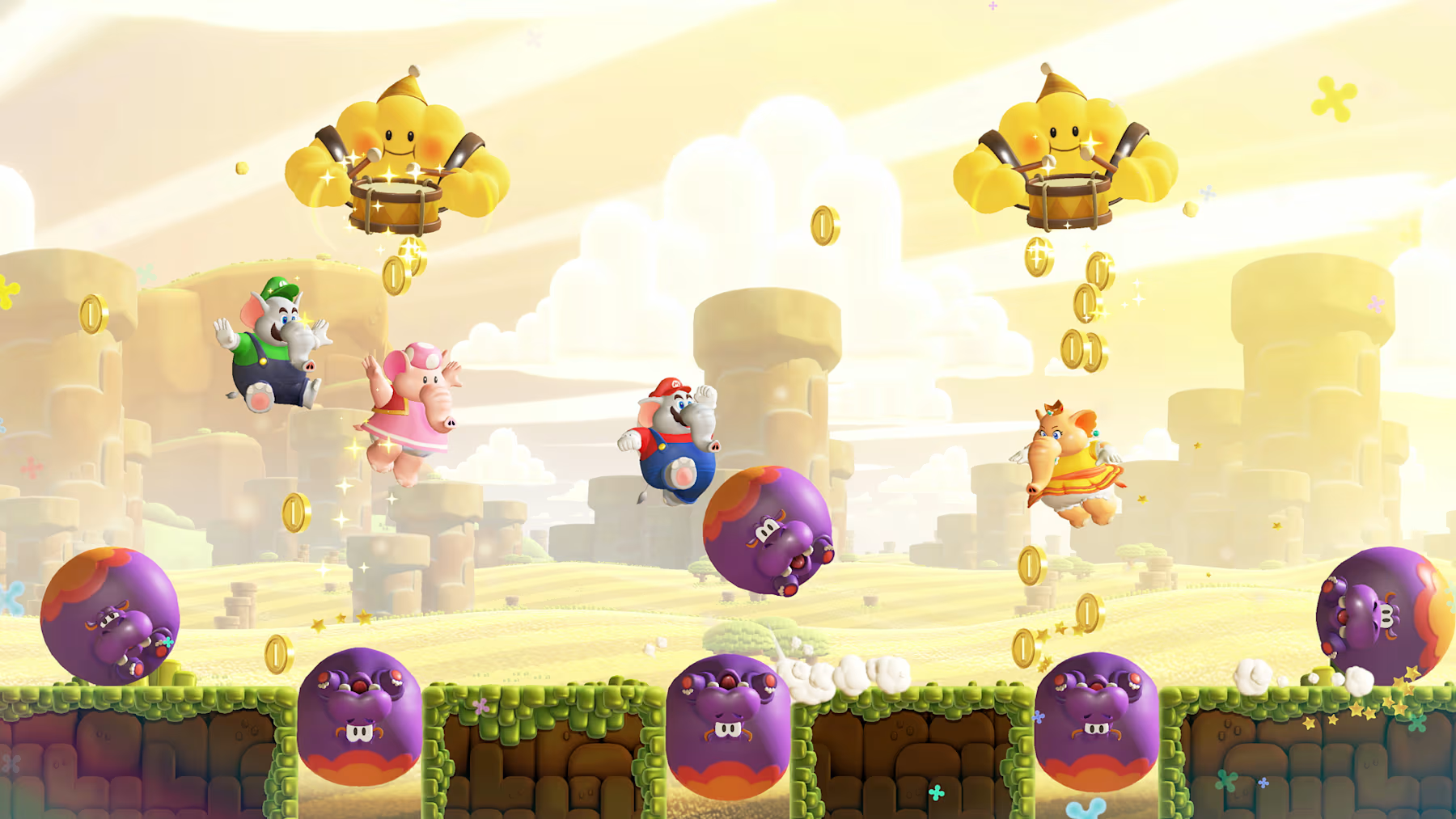
The mini-games are another big part of the expansion. Some are quick, competitive challenges, while others are more cooperative. They’re clearly designed with multiplayer in mind, and that’s something worth noting.
Bellabel Park, as a whole, leans heavily into multiplayer. A lot of the content feels best when you’re playing with others, whether locally or online. There’s a sense of shared chaos and fun that really comes alive when multiple players are involved. That said, if you’re someone who prefers playing solo, you might not get the same value out of everything here. You can still experience most of it alone, but some modes lose their appeal without that social element.
As for how you access all of this, Nintendo has handled it in a pretty straightforward way. You can buy the full package on Switch 2, which includes the base game and all the new content. If you already own the original version, there’s an upgrade path available that unlocks the Switch 2 enhancements and Bellabel Park expansion. It’s a sensible approach, and it avoids forcing returning players to repurchase the entire game.
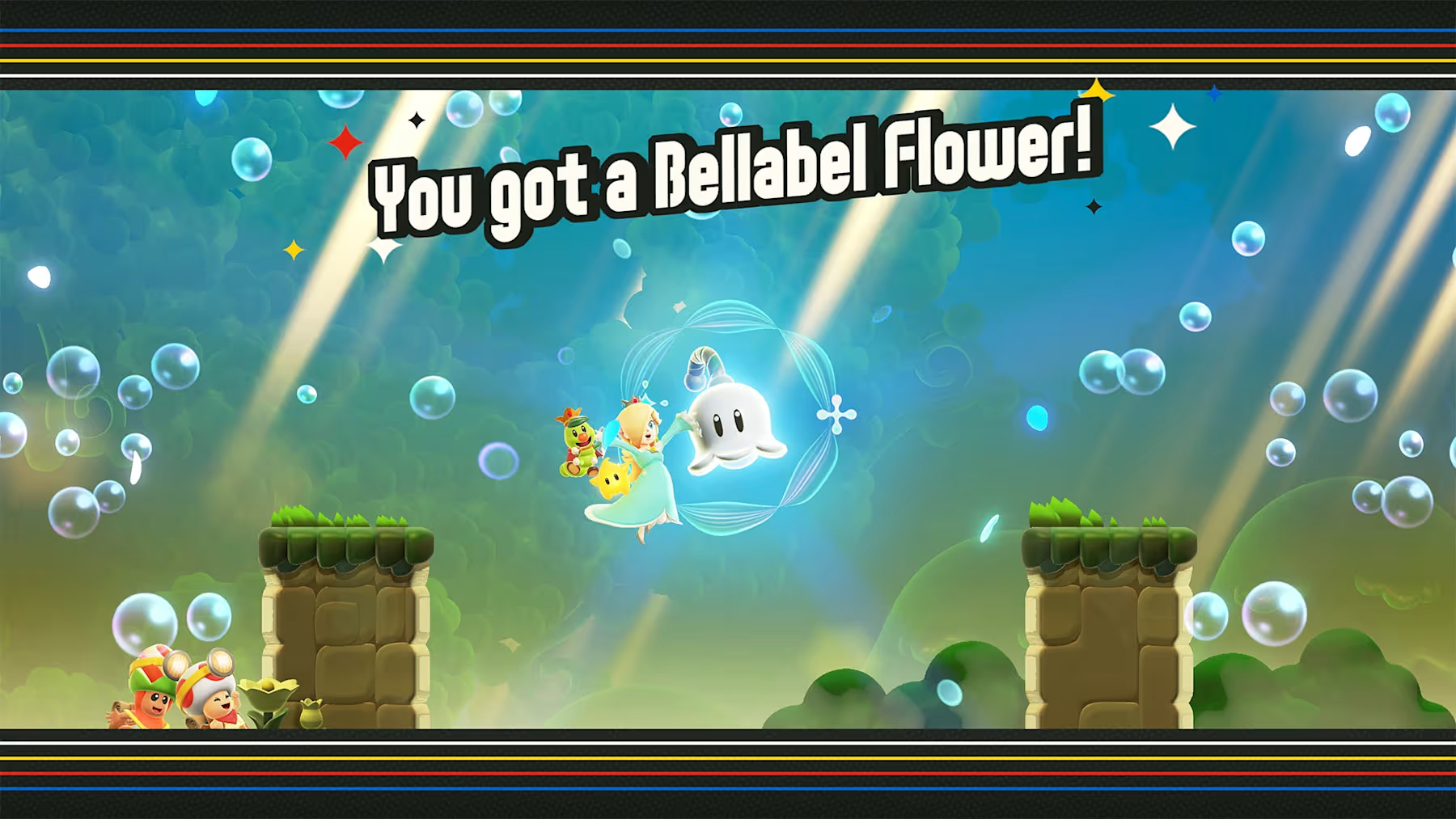
Looking back on my time with this version, what impresses me most is how well the new content builds on the original foundation. It doesn’t feel like an afterthought. Instead, it takes the ideas that made Wonder special and pushes them further, whether that’s through more complex level design, new character options, or the multiplayer-focused structure of Bellabel Park.
In the end, this feels like the definitive version of an already excellent game. If you never played Super Mario Bros. Wonder, this is an easy recommendation. If you did play it, the value of upgrading will depend on how much you want more of that experience, especially in a multiplayer setting.
For me, it was worth it. It reminded me why I enjoyed the original so much, while giving me enough new content to stay engaged. Now I’m left wondering what Nintendo will upgrade next for Switch 2. If this is the standard they’re aiming for, I’m definitely interested in seeing what comes next.
A Nintendo Switch 2 review code was provided by Nintendo for the purpose of this review.
If you want to see more content like this and never miss one of our frequent gaming and anime giveaways come and Follow Ani-Game on Twitter.
9
- + A very creative 2D Mario game with fresh mechanics
- + Looks and plays great on Switch 2
- + The introduction of the Koopaling bosses add difficulty and fun
- + The levels are well designed and utilise the new features well
- - The base game could benefit from a higher level of challenge
- - Can’t get the full value of the new content if you don’t like online or co-op play