Ever since Star Wars: Zero Company was first revealed, I’ve been incredibly excited to get my hands on it. I’ve always been a huge fan of the Star Wars universe, but I’m also a massive fan of tactical strategy games, particularly games like XCOM. So when the two were brought together in one game, it immediately felt like one of those combinations that was almost too good to be true.
With Firaxis Games veteran Game Director Greg Foertsch leading development, Zero Company seemed to have exactly the right person at the helm to make this combination work. Firaxis has a long history of creating excellent turn-based tactical experiences, and bringing that expertise into the Star Wars universe makes an enormous amount of sense.
Thankfully, Zero Company doesn’t disappoint. What we’ve ended up with is a tactical strategy game that understands why this genre works, while also understanding what makes Star Wars so special. It’s strategic, challenging, cinematic and packed with player choice, but above all else, it genuinely feels like Star Wars.
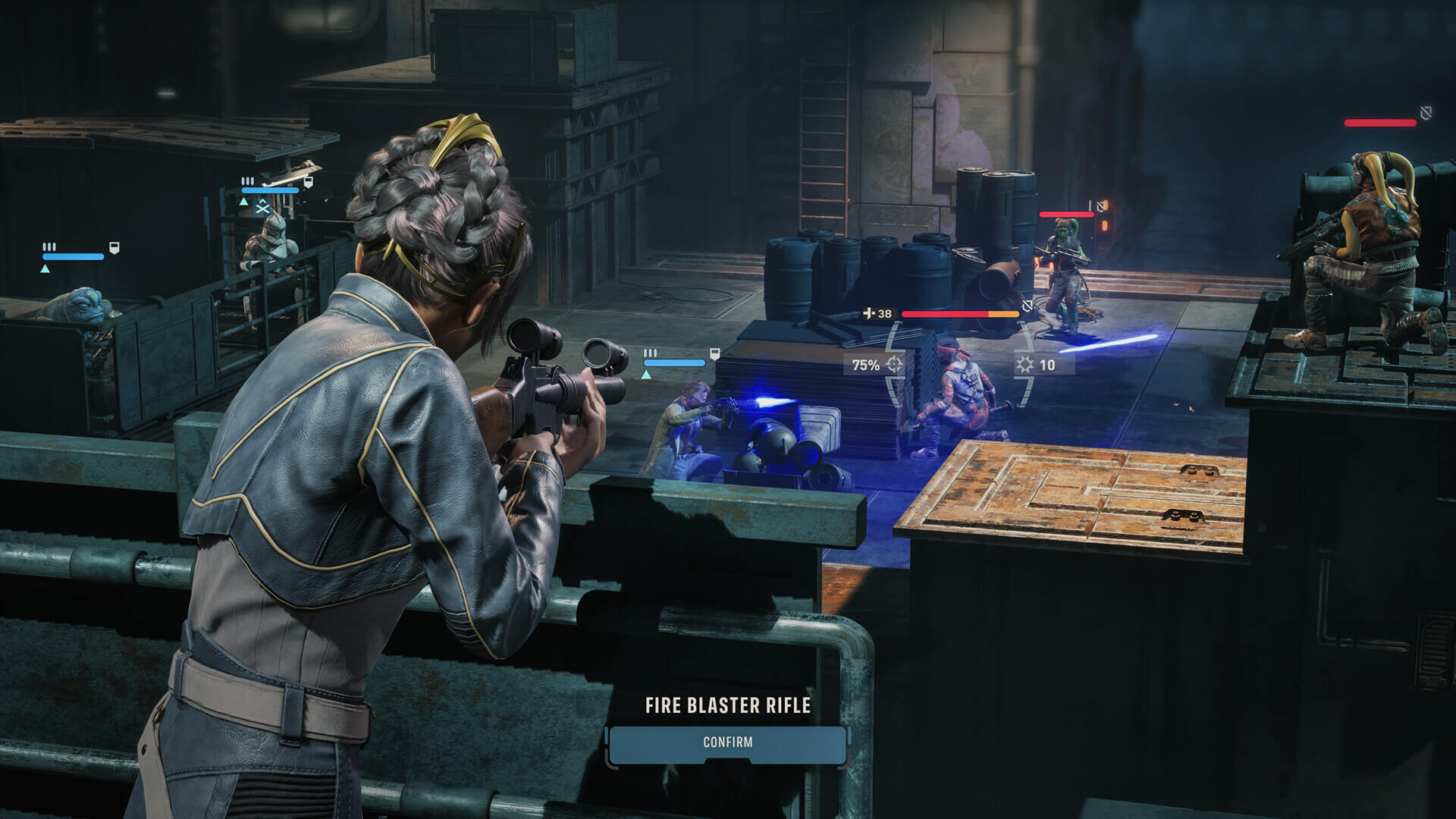
Star Wars: Zero Company is set during the Clone Wars, although it takes a slightly different approach to the era than we’ve seen in other Star Wars stories. You play as Hawks, the leader of Zero Company. Hawks was once a captain in the Republic’s Grand Army, but a disastrous mission left him disgraced and effectively cast out from the organisation he once served. Rather than disappearing completely, Hawks assembles a very different kind of fighting force.
Zero Company is a band of misfits brought together for a dangerous mission. Take down Kundri Fathom, the leader of Infinite Coil, a Separatist cult that poses a serious threat.
It’s a fantastic setup because it gives the game room to explore a less familiar side of the Clone Wars. This isn’t simply another story about Jedi leading clone armies against Separatist droids. Zero Company puts the focus on a group of outsiders, each with their own motivations, histories and reasons for being there.
That gives the story a much more personal feeling. The campaign also does a great job of exploring parts of the Clone Wars timeline that haven’t received quite as much attention elsewhere. There are some genuinely great twists and turns throughout the story, including developments that managed to surprise me. It’s clear that the development team has a real passion for the Star Wars universe and has put considerable thought into finding a story that feels fresh without losing its connection to the wider galaxy.
Hawks serves as your main character and, importantly, your version of Hawks doesn’t have to look like anyone else’s. The character creator gives you a surprisingly substantial amount of freedom. You can choose whether Hawks is male or female and select from a range of species, including Humans, Twi’leks, Zabraks, Devaronians and others.
From there, you can customise physical appearance, clothing and accessories to create a version of Hawks that feels like your own. That level of personalisation becomes even more impressive once you start constructing the rest of Zero Company.
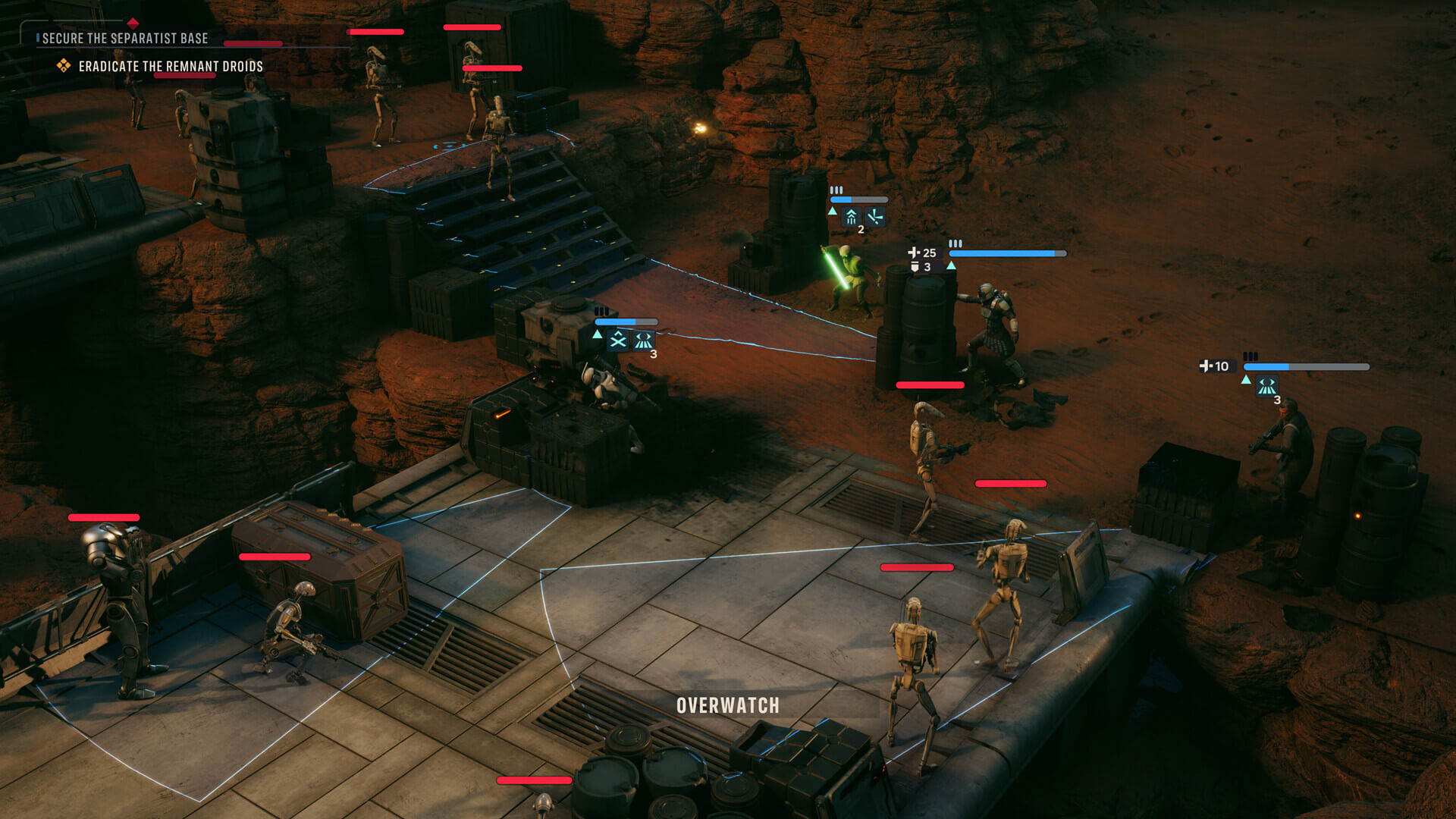
One of my favourite aspects of Zero Company is just how much freedom you’re given when building your squad. Your team is made up of characters from wildly different backgrounds. Some are former Separatists, others are driven by revenge, while others have criminal pasts or simply find themselves on the fringes of respectable galactic society.
It creates a fantastic group dynamic because these aren’t supposed to be the galaxy’s greatest heroes. They’re people who have been brought together because, for one reason or another, they have nowhere else to go.
There are a number of core characters you’ll meet and get to know throughout the campaign, known as Author characters. These characters have established personalities and stories, and they become an important part of the narrative.
Alongside them are Custom Operators, which can be recruited to fill specific roles within your team. For example, if you need another gunner or want a rogue with a particular set of skills, you can build your team around that requirement. Custom Operators don’t have the same kind of specific backstories as the Author characters, but they’re highly useful for creating the exact squad composition you want.
And then there’s the sheer amount of visual customisation. Armour, clothing, appearance and other details can all be changed, allowing you to create a team that looks completely unique. I particularly loved being able to construct a genuinely diverse Star Wars squad rather than being restricted to a handful of familiar character types.
Clone Troopers, Twi’leks, droids, Astromechs, Tognaths and many other races and characters can all become part of your company. For someone who enjoys the wider Star Wars universe, this is fantastic. You’re not just assembling a team of interchangeable soldiers. You’re creating your own little corner of the galaxy.
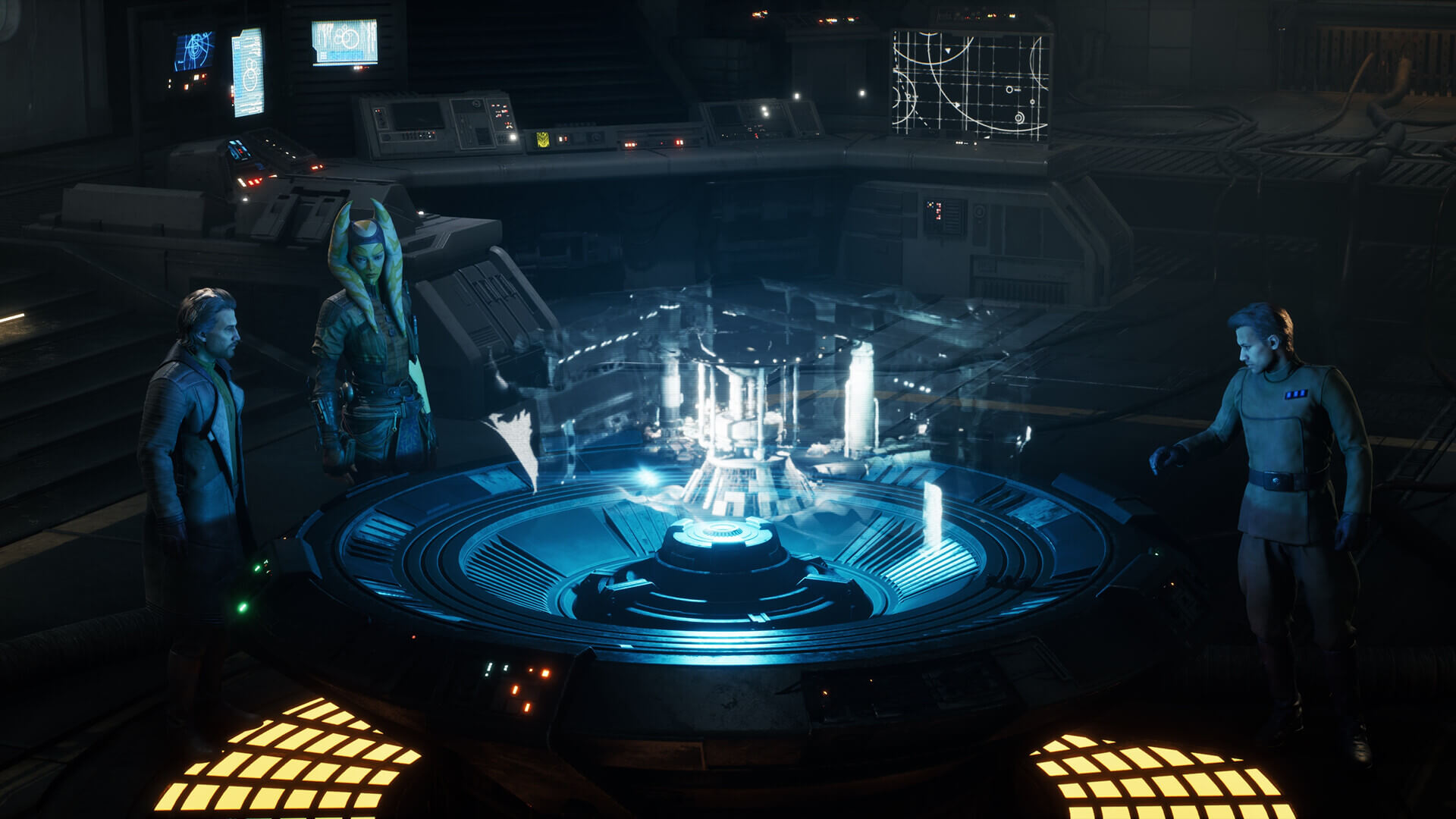
The customisation also extends to the way your characters actually play. Operators have specific specialisations, perks and abilities that make them feel distinct from one another. That means your choices aren’t simply cosmetic. The characters you recruit and develop can have a significant effect on the way you approach combat.
Changing your squad can completely change your strategy. A team built around one combination of abilities can approach an encounter very differently from a squad built around another. Primary weapons, utilities, modifications and character specialisations all play a role in determining what your team is capable of. That creates an excellent relationship between the character-building and tactical sides of the game.
The developers have described “meaningful choices” as one of the game’s design pillars, and I think that philosophy is one of Zero Company’s greatest strengths. The decisions you make throughout the campaign matter. The jobs you take, the people you align yourself with, the crew members you bring along and even the way you choose to fight can all shape your journey.
That also gives the game a huge amount of replayability. There’s no single “correct” way to build Zero Company. You can make different choices, recruit different Operators, develop different characters and approach combat in completely different ways.
The result is a game where I can imagine finishing one playthrough and immediately wanting to start another simply to see how things change. That’s exactly what I want from a tactical RPG.
The majority of the gameplay revolves around turn-based tactical combat. You take control of your squad during ground-based encounters, moving your Operators around battlefields, positioning them strategically, using abilities and weapons, and completing whatever objectives the mission throws at you.
And thankfully, the objectives aren’t always “kill everyone”. There are rescue missions, elite target takedowns, sabotage operations and numerous other mission types that force you to think differently.
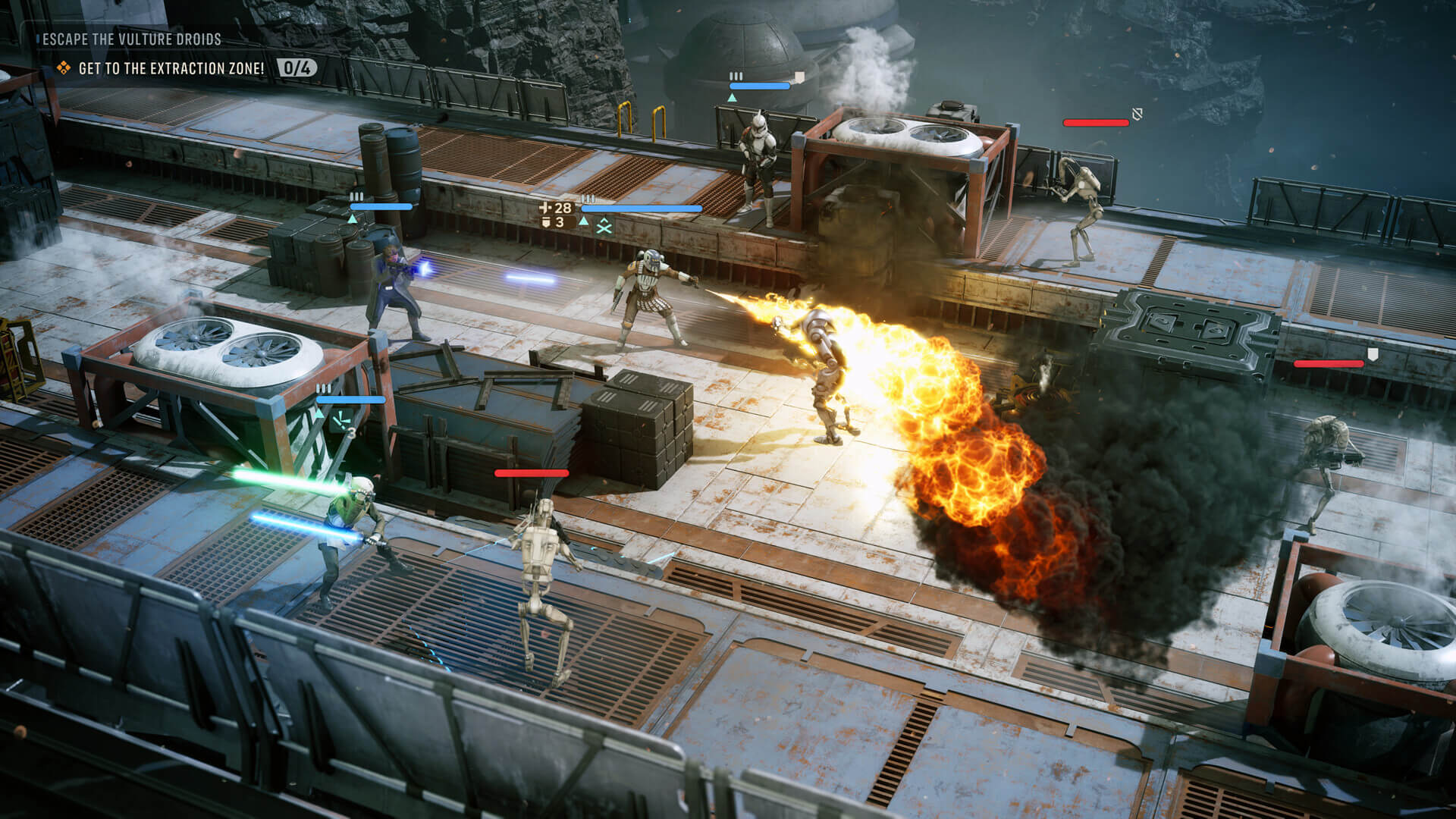
That variety is important because it keeps the tactical gameplay from becoming repetitive. You’re constantly having to consider what the mission is actually asking you to accomplish rather than simply finding the best way to eliminate every enemy on the map.
Squad composition makes an enormous difference, too. The combination of your Operators, their specialisations, utilities, weapons and modifications can drastically alter the way a mission plays out. A squad built around one set of abilities can approach an encounter completely differently from another.
That’s where Zero Company really starts to shine. It encourages experimentation. One thing I wasn’t expecting to appreciate quite as much as I did is just how cinematic Zero Company can be. Obviously, the cutscenes have that unmistakable Star Wars presentation, but the cinematic quality extends into the actual gameplay.
Attacks, abilities, character movements, explosions and camera angles all work together to make individual tactical actions feel far more dramatic than they have any right to be. There’s something satisfying about carefully setting up a tactical move and then watching it play out with the camera shifting into position as blaster fire fills the screen. It makes the combat feel like you’re directing your own Star Wars battle.
The presentation is helped enormously by the sound design. The music, blaster effects, explosions, character banter and environmental sounds all come together to create an atmosphere that feels unmistakably Star Wars. Even small touches, such as the iconic screen-wipe transitions, help reinforce that feeling. It’s gritty, cinematic, fun and challenging, but the biggest compliment I can give it is that it feels authentic to the universe.
The variety of planets and locations also gives the campaign a great sense of adventure. Moving from one environment to another isn’t simply an excuse to change the scenery. Each location provides a different backdrop for your tactical encounters, helping keep the campaign visually interesting while also giving the battles their own identity.
There’s a real sense that you’re travelling across the galaxy with your unconventional little crew, taking on jobs and gradually becoming more deeply involved in something much bigger. That works particularly well because of the nature of Zero Company itself. You’re not commanding an endless army. You’re responsible for a small group of individuals, and that makes every character feel more important.
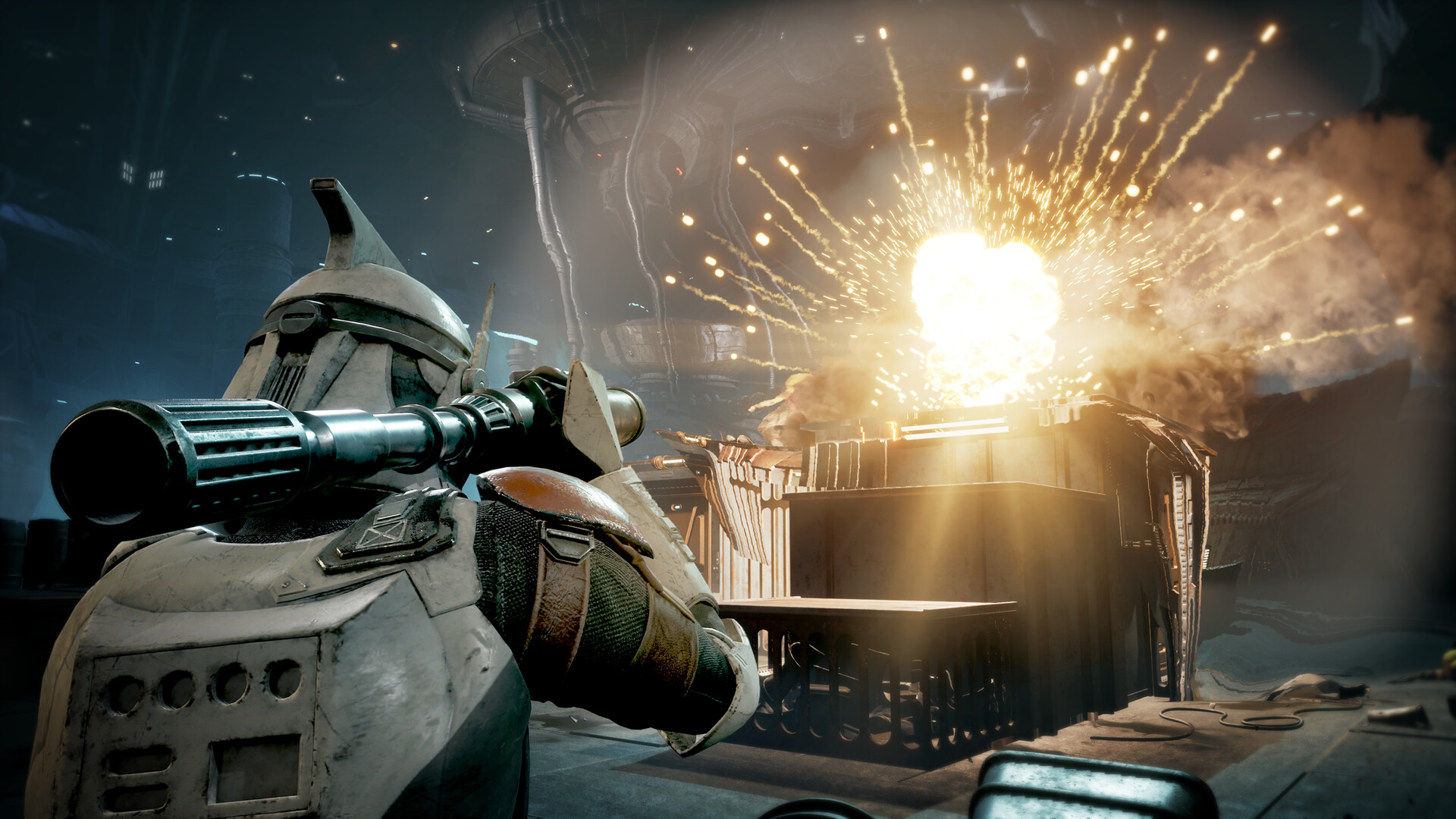
Zero Company isn’t without some flaws though. The biggest issue I found is that there are occasional performance hiccups during some chaotic battles or when the game must be calculating a lot of logic during battle transitions. And also with the character lip synching becoming noticeably out of sync and not matching the mouth movements. It’s an intermittent problem, and there are times it’s perfect, but when it’s not, it is one of the things I can’t help but notice in games.
These are relatively minor complaints, though, especially when compared with the sheer amount the game gets right.
Star Wars: Zero Company is the Star Wars tactical strategy game I’ve wanted for years. The combination of the Clone Wars setting and turn-based tactical combat is an almost perfect match, and the game makes the most of that pairing. The combat is strategic without losing its cinematic spectacle, while the enormous amount of character and squad customisation gives me plenty of reasons to keep experimenting.
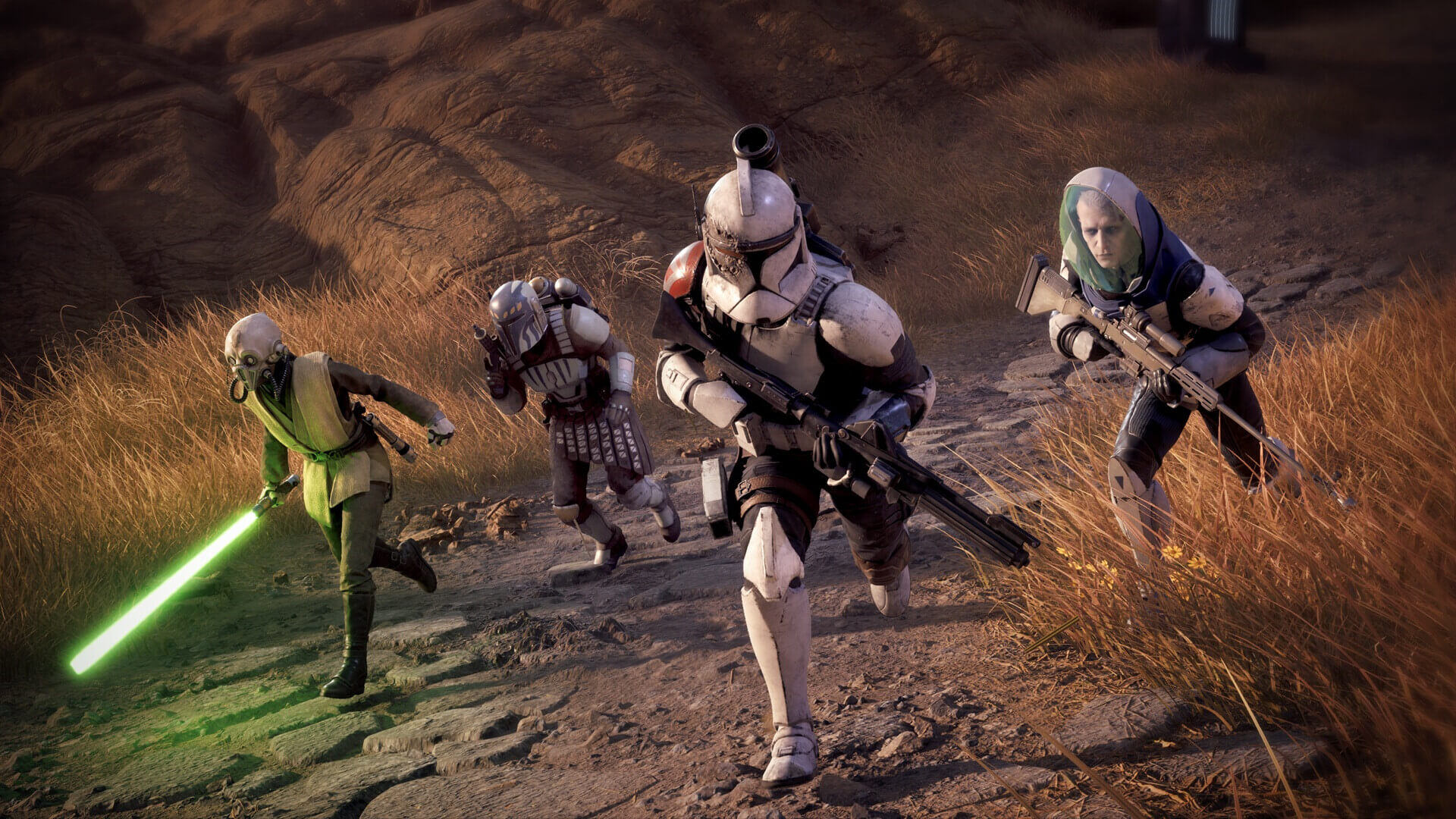
But it’s the feeling of being part of the Star Wars universe that ultimately makes Zero Company work so well. The races, characters, banter, music, sound effects, environments, cinematic presentation and little details all come together to make this feel like a genuine Star Wars story rather than a strategy game wearing a familiar licence.
I also love how much player choice is woven throughout the experience. My decisions, alliances, recruitment choices and squad composition all have an impact on the way I play, and that makes the idea of multiple playthroughs genuinely appealing.
I can already see myself returning to the campaign and making completely different choices. I’ll recruit different Operators, experiment with different specialisations, change my equipment and approach missions in ways I didn’t the first time around.
That’s the real strength of Zero Company. It gives me the tools to create my own version of the story. For a fan of Star Wars and tactical strategy games, that is an incredibly compelling combination. Star Wars: Zero Company doesn’t just make tactical combat work within the Star Wars universe. It makes the two feel like they were made for each other.
A PS5 review code was provided by the publisher for the purpose of this review.
If you want to see more content like this and never miss one of our frequent gaming and anime giveaways come and Follow Ani-Game on Twitter.
9
- + A fantastic use of the Star Wars license
- + Combines Star Wars and strategy gameplay in clever ways
- + So much customisation on offer
- + The sound design makes it feel like Star Wars
- - Does have noticeable performance issues at times.