Going into Star Fox on Nintendo Switch 2, I was in a pretty unique position compared to a lot of longtime Nintendo fans. While so many people have fond memories of playing the original back on the Nintendo 64, I never actually owned one growing up. That meant I completely missed out on the series during its heyday, and most of my exposure to Star Fox over the years came through Smash Bros. appearances and the occasional internet meme. Because of that, I came into this remake without any nostalgia attached. I wasn’t looking to relive a childhood favourite. Instead, I was simply curious to finally experience a Nintendo classic for myself and see why it’s remained so beloved for so many years.
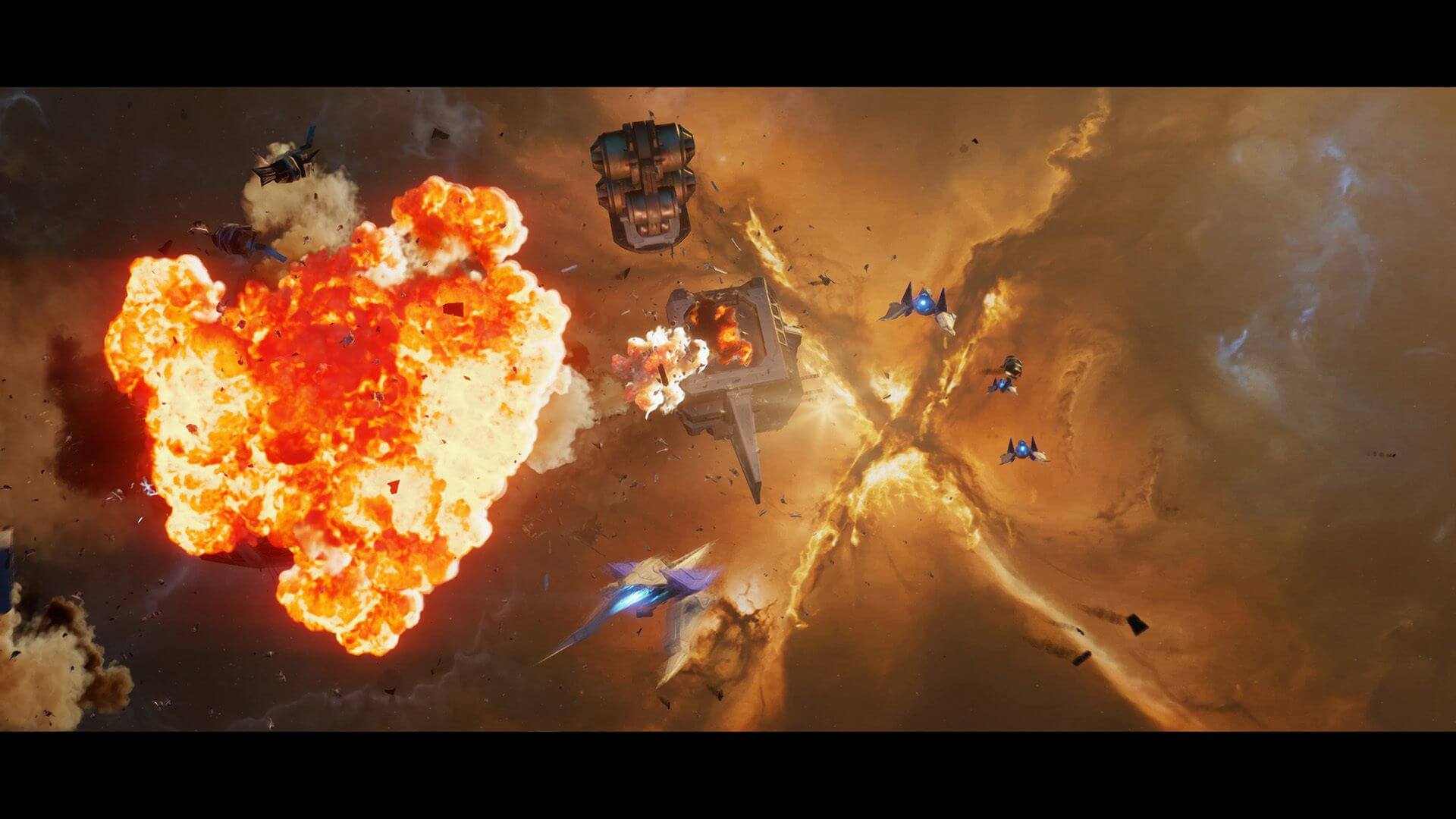
The story is simple but charming, and it captures that classic Nintendo style of storytelling perfectly. You play as Fox McCloud, the leader of the Star Fox team, a squad of elite pilots tasked with protecting the Lylat System from the forces of the evil Andross. Alongside teammates Falco Lombardi, Peppy Hare and Slippy Toad, you travel from planet to planet, taking on enemy forces, battling enormous bosses and gradually pushing closer to the final confrontation. It’s not a particularly deep narrative by modern standards, but it doesn’t need to be. The colourful cast has plenty of personality, and the constant radio chatter between missions helps give the team a genuine sense of camaraderie throughout the adventure.
At its core, Star Fox is a level-based arcade shooter. Each mission sees you piloting your Arwing through a series of handcrafted stages filled with enemy fighters, environmental hazards and large scale boss encounters. Rather than being one continuous open adventure, the game is broken into individual missions that can often be completed in a relatively short amount of time. That structure makes it incredibly easy to jump in for a quick session, while also encouraging you to replay stages in search of higher scores, alternate routes and hidden objectives.
The gameplay is exactly what the box art promises. You’re constantly flying through space, over oceans, across cities and through enemy installations while weaving between obstacles and blasting everything in your path. Controlling the Arwing feels surprisingly deep once everything clicks. You’ll be banking around incoming fire, performing barrel rolls to deflect projectiles, boosting to avoid danger and braking to reposition yourself for better shots. Combat revolves around your laser cannons, charge shots and smart bombs, with each encounter requiring you to prioritise targets while maintaining control of your ship. Boss fights often introduce unique mechanics that force you to think beyond simply firing continuously, and they’re consistently among the game’s highlights.
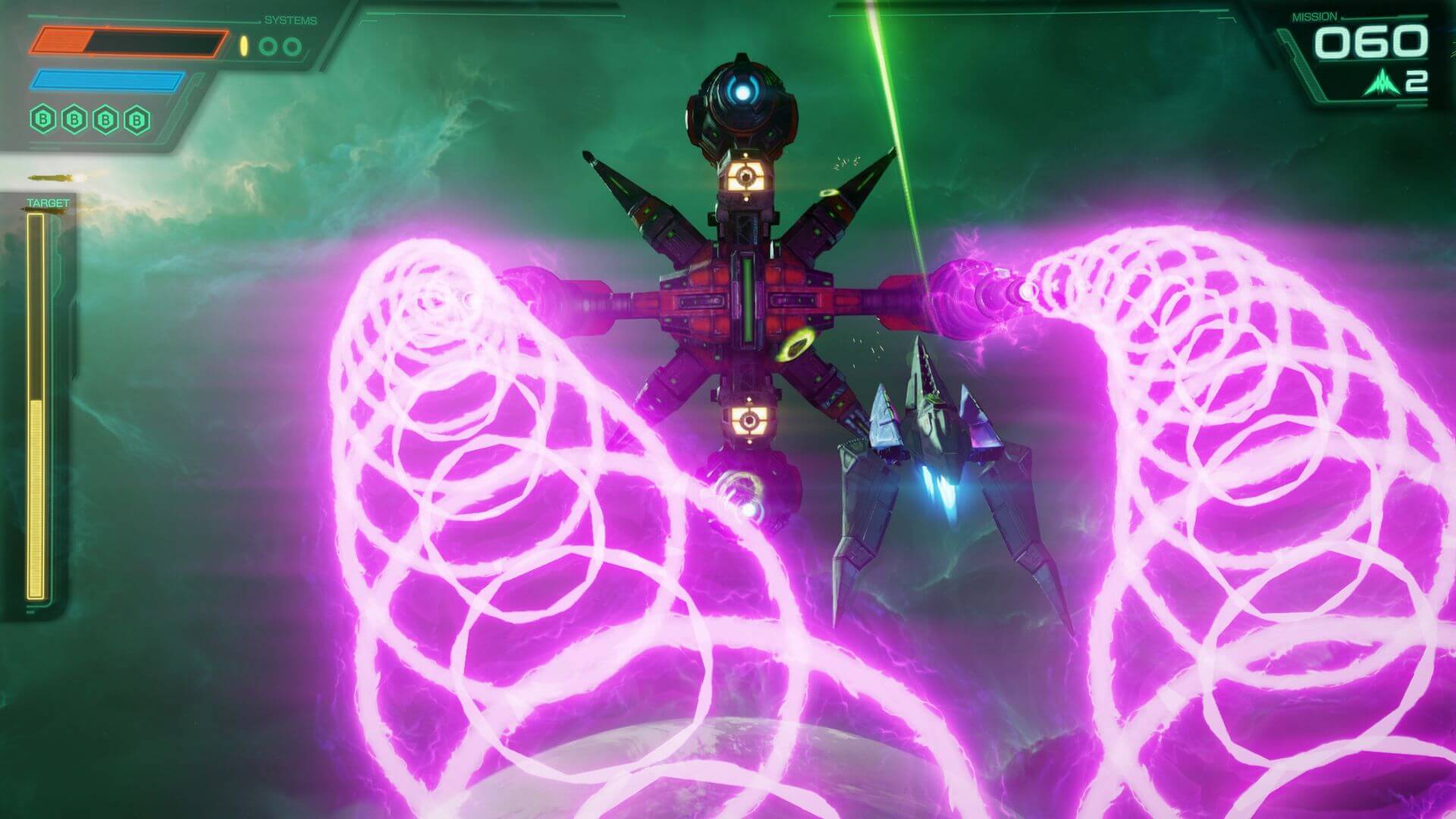
There is definitely a learning curve, though. Early on I found myself crashing into scenery more often than I’d like to admit, and trying to manage movement, aiming and defensive manoeuvres simultaneously took some practice. For newcomers especially, it can initially feel like there’s a lot going on. Thankfully, persistence pays off. Once I became comfortable with the controls and developed a better feel for flying, the entire experience opened up. Suddenly I was pulling off smooth dodges, landing charged shots consistently and flying through levels with much more confidence. It’s one of those games where mastery feels genuinely rewarding.
One of the biggest strengths of this remake is how much care has clearly gone into modernising the experience without losing what made the original so memorable. While the overall structure and gameplay remain faithful, numerous quality-of-life improvements make it far easier to enjoy today. The controls have been improved, the presentation has been brought up to modern standards and everything flows together much more smoothly than I expected. It’s exactly the kind of remake I like to see, one that respects its source material while making sensible improvements for a modern audience.
Visually, the game looks fantastic. Every character model and environment has been recreated from scratch, and the results speak for themselves. Since I don’t have any nostalgia for the original Nintendo 64 designs, I was able to appreciate them purely on their own merits, and I think the developers have done an excellent job. The characters still retain the charm and recognisable look that longtime fans will remember, but they’re now packed with detail that simply wasn’t possible before. Environments are equally impressive, with vibrant colours, dynamic lighting and much richer scenery helping every planet stand apart from the last. Whether you’re soaring through lush landscapes or engaging enemies in the depths of space, there’s always something visually appealing happening on screen.
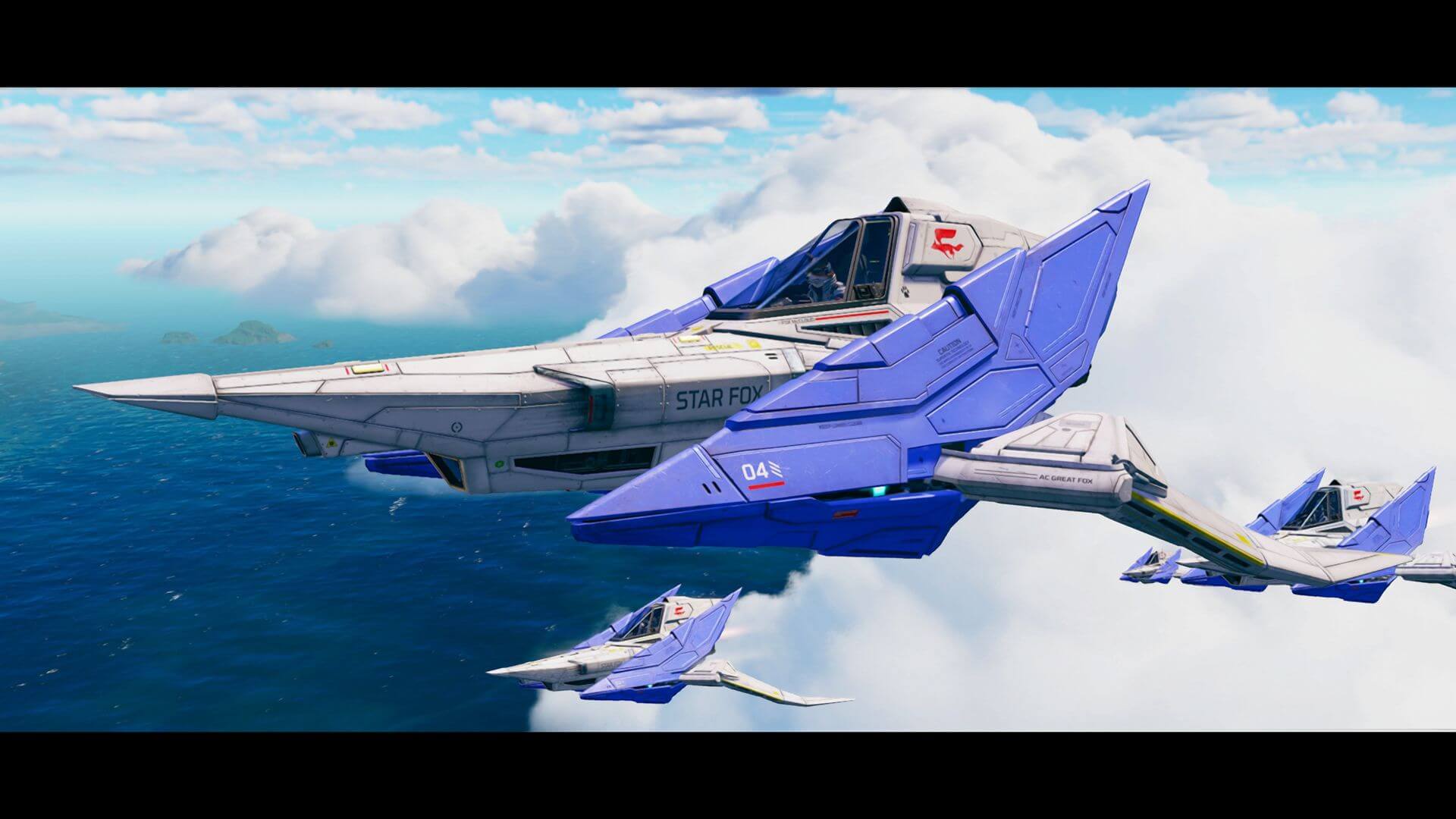
Another aspect I really appreciated was the game’s branching structure. Rather than being a completely linear experience, your actions during missions can influence where you go next and how certain events play out. Different paths lead to different stages, while hidden objectives and alternate mission outcomes provide plenty of incentive to experiment. It quickly became clear that seeing the credits once is only part of the experience. Much of the game’s longevity comes from replaying missions, discovering alternate routes and trying to complete additional objectives. If you’re someone who enjoys perfecting levels or chasing better performances, there’s a surprising amount of replay value here despite the relatively concise campaign.
One thing that genuinely surprised me was just how much voice acting the game features. Nintendo games have traditionally relied fairly lightly on fully voiced dialogue, so hearing the Star Fox team constantly communicating throughout missions helps give the adventure a lot of personality. Before playing, most of my exposure to Star Fox’s dialogue came through out of context memes poking fun at specific lines. I was expecting something unintentionally goofy, but I actually found the performances to be genuinely enjoyable. The voice cast brings plenty of energy to their roles, helping each member of the team stand out while making the missions feel much more alive.
Performance was another area where I had absolutely no complaints. Throughout my time with the game, it maintained what appeared to be a rock-solid 60 frames per second. Even during larger battles with explosions filling the screen and dozens of enemy ships attacking at once, I never noticed any significant frame drops or technical issues. Smooth performance is particularly important in a fast-paced action game like this, where quick reactions and precise movement are essential, and thankfully the game delivers exactly what it needs to.
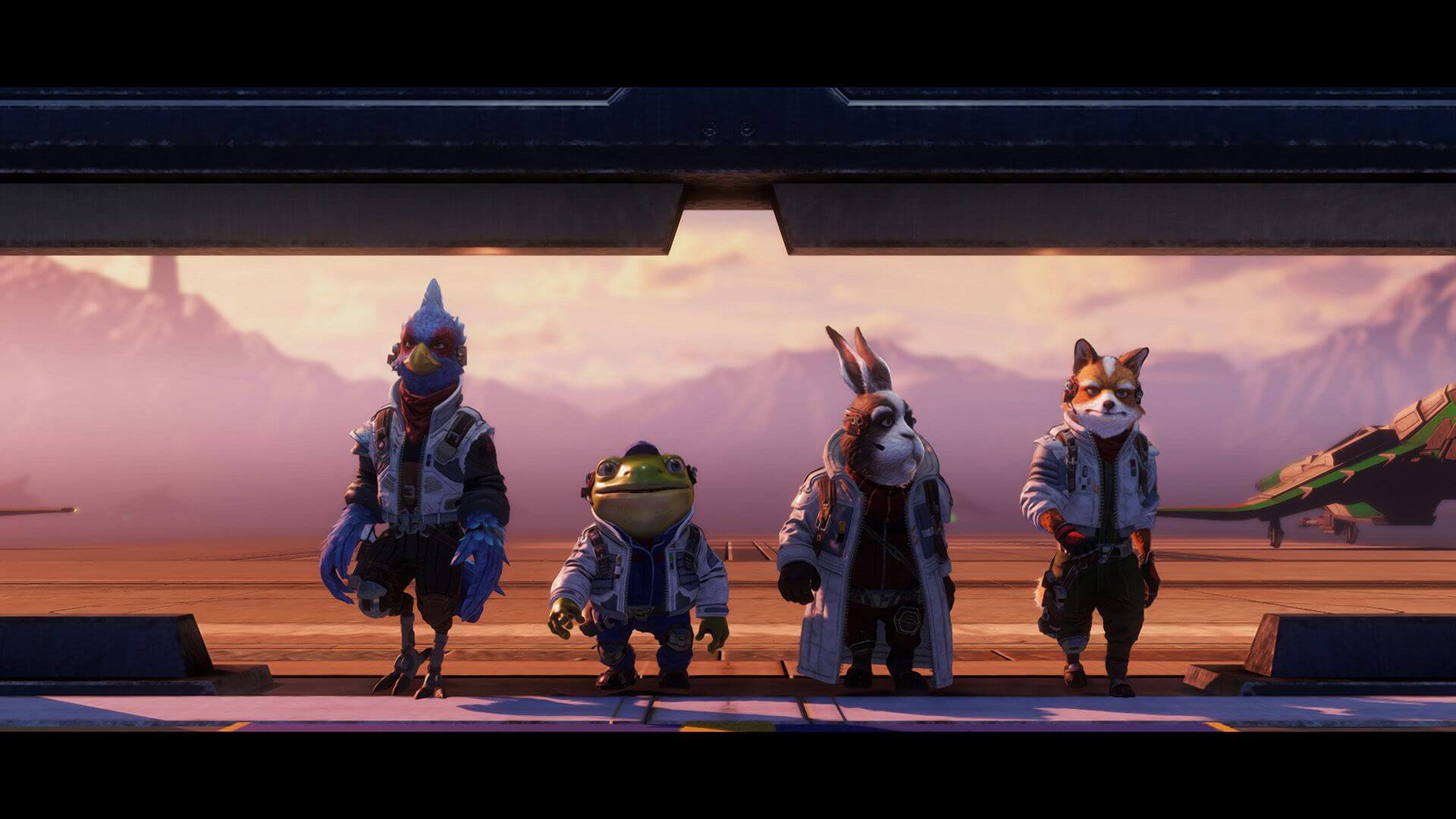
Beyond the main campaign, there are several additional modes that add even more value. Whether you’re replaying stages for higher scores, chasing unlockables, experimenting with alternate routes or simply trying to improve your own flying skills, there’s plenty to keep you coming back after the initial credits roll. It’s a game that rewards practice and encourages mastery rather than simply offering a one and done experience.
If I had to point to areas where the game could have been even better, I’d say I would have liked a little more depth in some areas. While the arcade-style structure remains enjoyable, there are moments where I wished the story and character interactions were expanded further. Likewise, some players may find the overall campaign shorter than expected if they only play through it once. Thankfully, the branching paths and replayability go a long way towards addressing that, but it won’t completely satisfy players looking for a lengthy single-playthrough adventure.
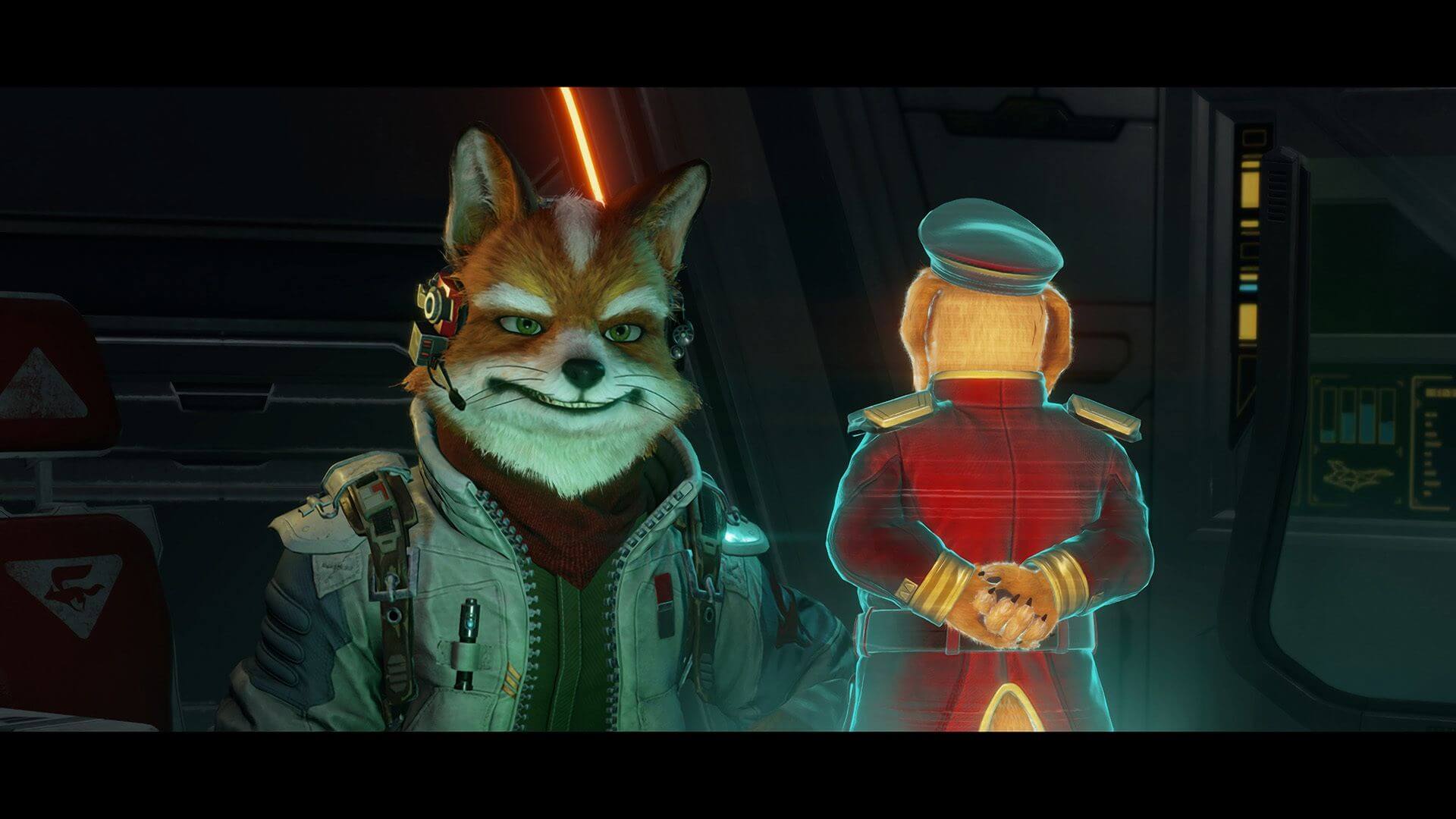
Overall, I came away from Star Fox thoroughly impressed. As someone with no nostalgic connection to the series, I finally understand why so many people still talk about it decades later. The combination of satisfying aerial combat, memorable characters, gorgeous visual upgrades, excellent performance and rewarding replayability makes this an easy recommendation for both newcomers and returning fans alike. It successfully preserves the spirit of a Nintendo classic while making it approachable for an entirely new generation of players. If this remake was designed to introduce people like me to Star Fox, then I’d say it absolutely accomplished its mission.
A Nintendo Switch 2 review code was provided by Nintendo for the purpose of this review.
If you want to see more content like this and never miss one of our frequent gaming and anime giveaways come and Follow Ani-Game on Twitter.
9
- + Fun, fast paced starship gameplay
- + Amazing visuals
- + Encourages a lot of replayability
- + Rock solid performance
- - Dos have a learning curve before feeling natural
- - Would have loved some of the story beats to be explored more