I went into Pragmata with a mix of curiosity and expectation. Capcom has been on an incredible run over the past few years, consistently putting out polished, confident releases that feel like they know exactly what they want to be. From the steady resurgence of Resident Evil to the continued strength of Monster Hunter, there’s been a clear pattern. Fewer risks, but executed at a very high level. So when Pragmata showed up as a brand-new IP, it immediately stood out. It felt like Capcom stepping slightly outside its comfort zone again, even if it did take a really long time to develop. And coming right after Resident Evil Requiem, a game that leaned heavily into refinement and familiarity, Pragmata feels like a deliberate shift toward something more experimental.

At its core, Pragmata is a sci-fi action-adventure game with a strong narrative focus. It’s not tied to any existing franchise, and you can feel that freedom throughout the experience. The tone is different. The pacing is different. Even the way it blends gameplay systems doesn’t quite match anything else in Capcom’s recent catalog. It’s trying to carve out its own identity, and it pulls it off for the most part.
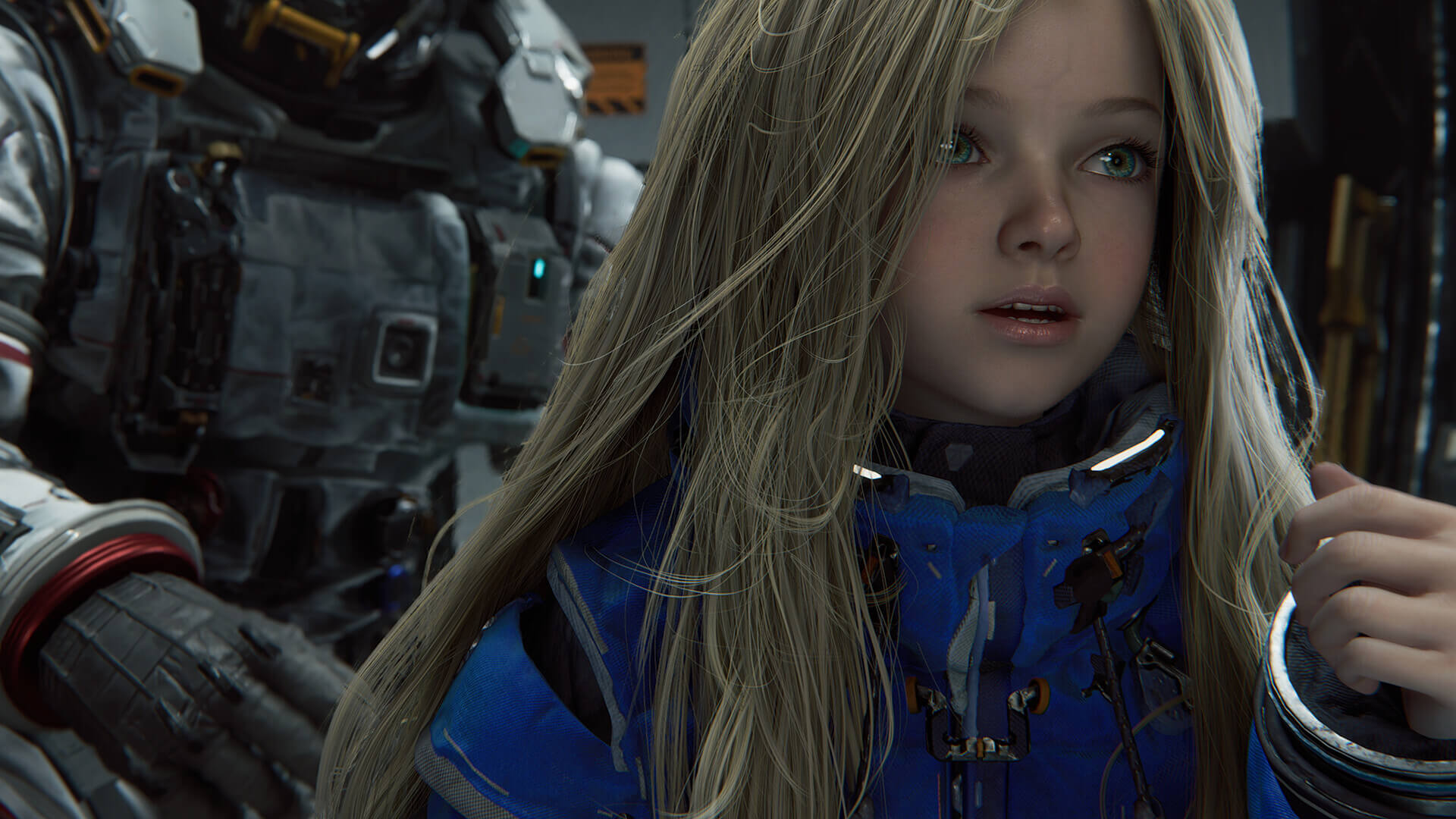
The setup is simple. You play as Hugh, an astronaut who ends up stranded on a seemingly abandoned lunar research facility. Early on, he encounters Diana, a mysterious young android with abilities that quickly become central to both the story and gameplay. The two form an unlikely partnership almost immediately. Hugh provides the physical presence and combat ability, while Diana handles hacking and interacts with the environment in ways Hugh can’t.
The story unfolds gradually, and I appreciated that it doesn’t rush to explain everything. The facility itself tells part of the story. Logs, environmental details, and fragmented messages fill in the gaps. Without spoiling too much, the plot revolves around a failed experiment tied to advanced AI systems and human consciousness. It leans into themes of control, autonomy, and what it means to be “alive”, especially through Diana’s character.
What really carries the narrative, though, is the relationship between Hugh and Diana. It starts off functional, almost transactional, but evolves into something much more personal. Their dialogue feels natural, and there are quiet moments between missions that do a lot of heavy lifting. Small exchanges, like Hugh trying to explain human habits or Diana asking simple but loaded questions, give the story its emotional core. By the midpoint of the game, I found myself more invested in their dynamic than the overarching mystery.
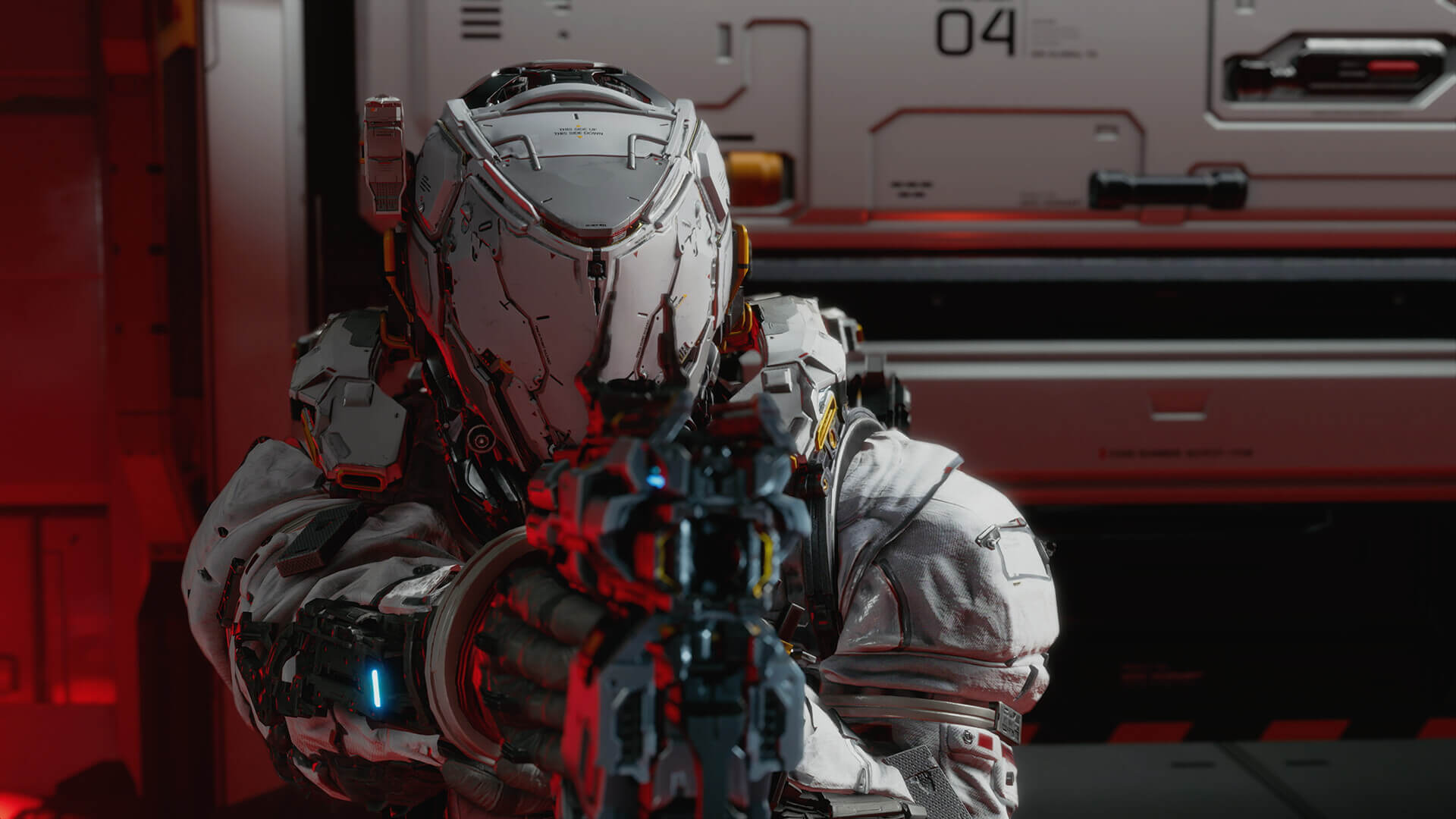
Gameplay-wise, Pragmata revolves around a loop that mixes exploration, combat, and puzzle solving. Most levels are structured as semi-linear zones within the lunar facility or surrounding structures. You move through these areas clearing out hostile machines, solving environmental challenges, and uncovering story elements.
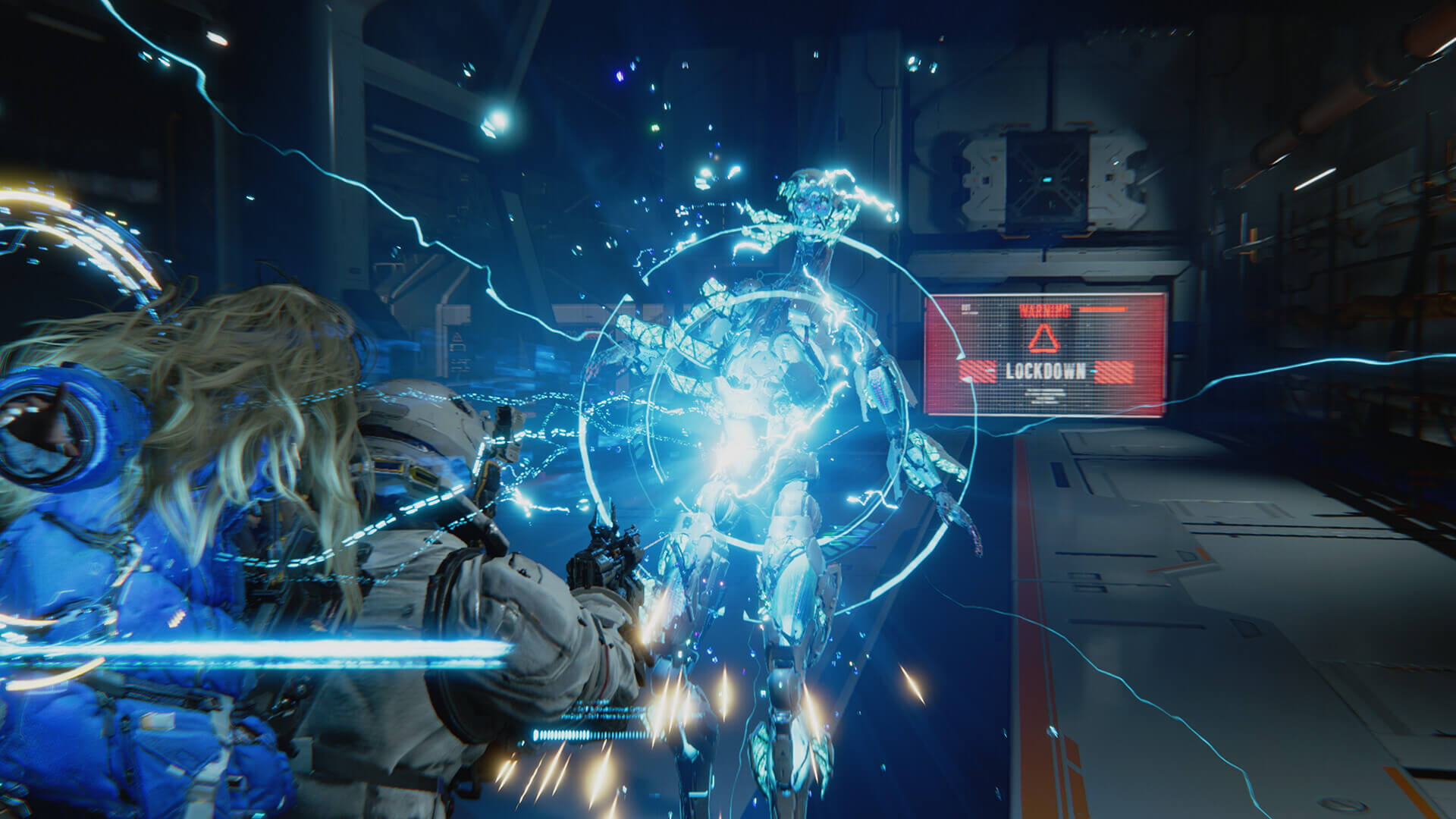
Combat is where things start to feel unique. Hugh handles shooting and movement, but enemies are shielded in ways that make traditional gunplay ineffective on its own. This is where Diana’s hacking comes in. At any moment, you can trigger a hacking interface that overlays a small grid-based puzzle onto the screen. You guide a path through nodes to break enemy defenses or disable systems. It happens in real time, so you’re juggling movement, dodging, shooting, and solving these quick puzzles simultaneously.
At first, it sounds a bit overwhelming. I definitely fumbled through the early encounters, trying to process everything at once. But once it clicks, it becomes one of the most satisfying parts of the game. There’s a rhythm to it. You dodge an incoming attack, initiate a hack, break a shield, and then unload with your weapon before the enemy recovers. It’s fast, slightly chaotic, but very engaging.
The level design supports this well. Encounters are rarely just about shooting everything in sight. Enemies are placed in ways that force you to think about positioning and timing. Some areas introduce environmental hazards that you can manipulate through hacking, adding another layer to the fights. There’s a good balance between open spaces where you can move freely and tighter corridors that increase the pressure.
Boss fights are easily one of the highlights. Each one feels like a test of everything you’ve learned up to that point. They’re not just bigger enemies with more health. They have distinct mechanics that require you to use both Hugh and Diana effectively. One fight might involve breaking multiple shield layers while avoiding wide area attacks, while another might force you to hack moving targets under heavy pressure.
What I liked most about these encounters is that they don’t rely on gimmicks alone. They demand you use the core systems. If you’ve been coasting through the game without fully engaging with the hacking mechanics and upgrades, the bosses will expose that quickly. But when you do get it right, when you juggle movement, hacking, and damage perfectly, it feels incredibly rewarding.
The hacking system itself deserves a bit more attention because it’s central to everything. Outside of combat, it’s used for puzzles and exploration. You’ll unlock doors, reroute power, disable traps, and even manipulate certain environmental elements. The puzzles start simple but gradually introduce more complex node layouts and obstacles. It never becomes overly complicated, but it stays engaging throughout.
There’s also a progression aspect to hacking. As you move through the game, Diana gains new abilities that expand what you can do. Some upgrades make hacking faster or more forgiving, while others unlock entirely new interactions. It’s a smart way to keep the mechanic feeling fresh without overloading the player early on.
Between missions, you return to a central hub area. This space starts off pretty minimal but gradually expands as you progress. New sections of the room open up, additional characters or AI systems become available, and more upgrade options are introduced. It acts as both a narrative checkpoint and a gameplay reset where you can prepare yourself to head out and face what’s next.
In the hub, you can upgrade Hugh’s gear and stats, tweak your loadout, and review collected data. There’s a nice sense of progression tied to it. Early on, you’re working with limited tools, but by the later stages, you have a much more versatile setup. I liked being able to return after a tough mission, spend resources, and feel noticeably stronger heading back out.
The hub also reinforces the connection between Hugh and Diana. Some of their quieter conversations happen here, away from the pressure of combat. It helps ground the story and gives you a reason to slow down for a bit.
As a new IP, Pragmata stands out because it doesn’t feel like it’s trying to replicate Capcom’s existing successes. It shares some DNA with their other games, especially in terms of polish, but it’s clearly doing its own thing. The combination of real-time action and puzzle-based hacking isn’t something you see often, and it gives the game a distinct identity.
That said, it’s not without its issues. The hacking puzzles, while generally fun, occasionally interrupt the flow of combat more than I’d like. There were times when I wanted a bit more breathing room to focus on one system at a time. Instead, everything happens at once, which can feel more stressful than engaging depending on the situation.
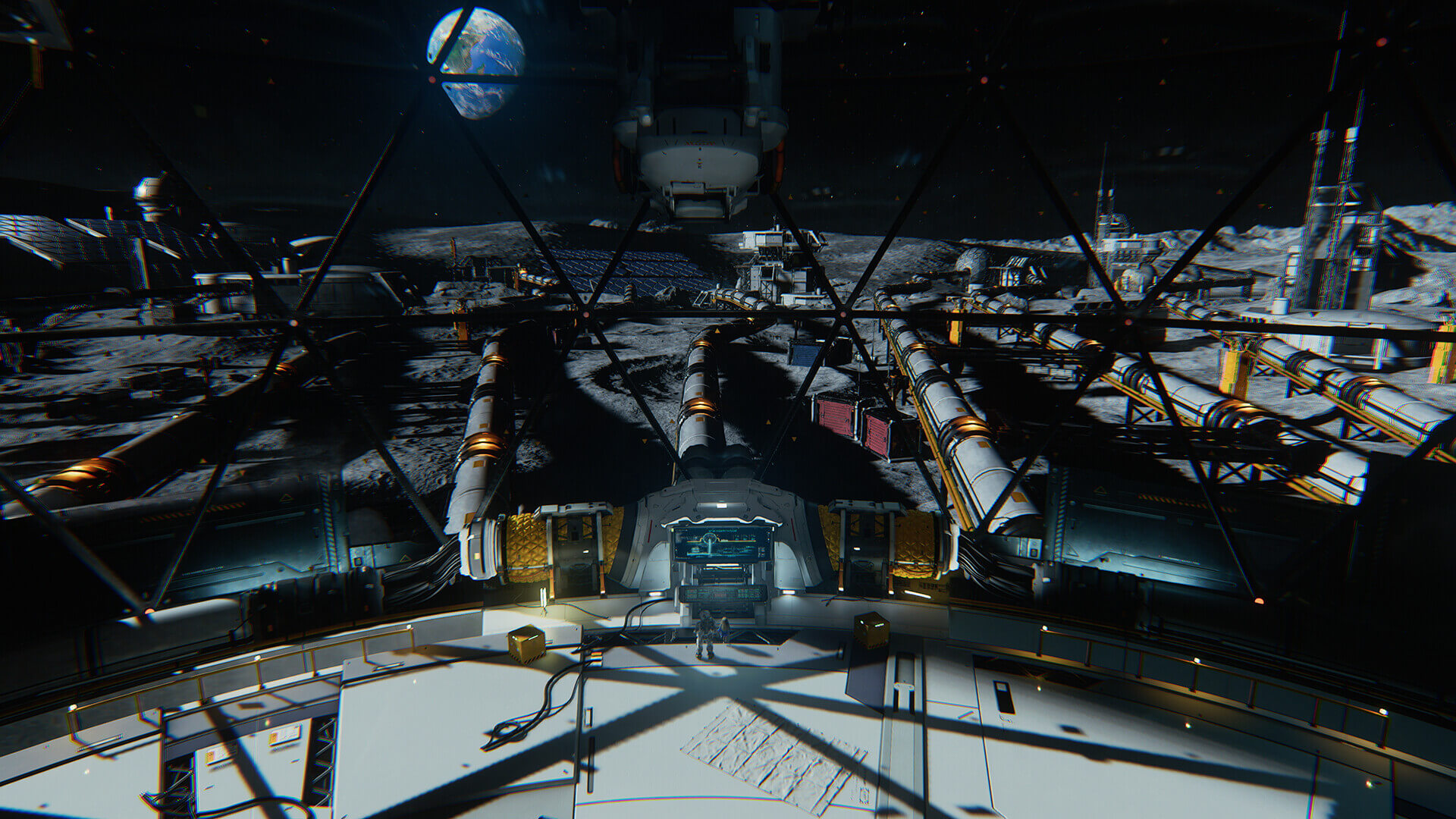
There are also moments where the pacing dips. A few sections feel stretched out, especially when the environment design doesn’t change much. The lunar facility, while visually impressive at first, can start to feel a bit repetitive over time. More variety in certain locations would have gone a long way.
Despite these drawbacks, the game’s strengths carry it through. The core mechanics are solid, the boss fights are memorable, and the relationship between Hugh and Diana gives the story a strong emotional anchor. It’s the kind of game that sticks with you not just because of what you do, but because of who you’re doing it with.
Looking back on my time with Pragmata, I see it as a confident first step for a new series. It doesn’t get everything right, but it takes risks in the right places. Capcom could have easily played it safe, especially given their recent track record, but instead they delivered something that feels different.
In the end, I walked away impressed and genuinely interested in where this could go next. If this is the foundation, there’s a lot of potential for future entries to refine and expand on what’s here.
Pragmata isn’t just another solid Capcom release. It’s a reminder that even a studio known for consistency can still surprise you when it decides to try something new.
A PS5 review code was provided by the publisher for the purpose of this review.
If you want to see more content like this and never miss one of our frequent gaming and anime giveaways come and Follow Ani-Game on Twitter.
9
- + A strong new IP with interesting world and characters
- + Has constant progression paths
- + Uses its hacking mechanics well and in interesting ways for combat and puzzle solving
- + Boss encounters are really cool
- - The pacing does dip at times and is more noticeable in repetitive areas
- - The numerous hacking mechanics sometimes get in the way of a good combat encounter