There are few video game series that have had quite the impact on me that Metal Gear has. I’ve been a fan of Hideo Kojima’s work for years, and I still consider him one of the most creative game creators to ever work in the medium. His games have always been willing to take risks, whether that meant turning stealth into something more methodical, using lengthy cinematic sequences to tell ambitious stories, or finding increasingly strange ways to break the fourth wall.
That’s why the release of Metal Gear Solid: Master Collection Vol. 2 feels particularly significant. Following 2023’s Master Collection Vol. 1, it was only a matter of time before more of the series made the jump to modern hardware. I’ll admit, though, I didn’t expect the wait to be quite this long.
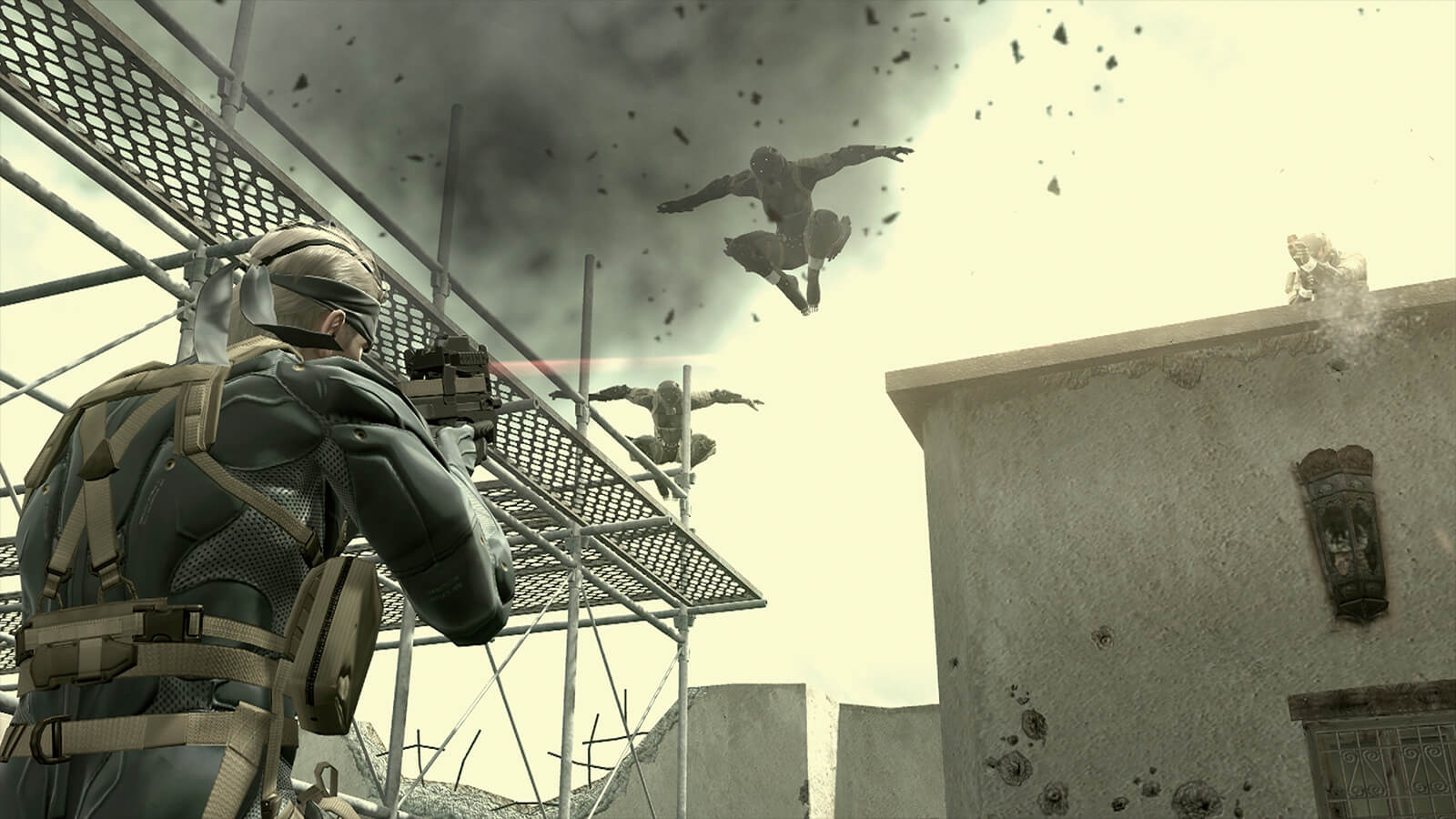
The biggest reason this collection matters is simple: Metal Gear Solid 4: Guns of the Patriots is finally free from its PlayStation 3 prison.
Alongside MGS4, the collection includes Metal Gear Solid: Peace Walker and the bonus Metal Gear: Ghost Babel, bringing together three important pieces of the franchise’s history. It’s an unusual combination, but one that makes sense when you consider how each game contributes to the larger Metal Gear timeline.
Metal Gear Solid 4 takes place in 2014 and serves as the conclusion to Solid Snake’s story. Snake is now an aging soldier suffering from accelerated aging, and the world has changed dramatically since the events of the previous games. Private military companies dominate the battlefield, soldiers are controlled through advanced technology, and Snake finds himself pulled into one final mission involving old enemies, familiar faces and the increasingly complicated legacy of Big Boss.
For me, MGS4 remains one of the most ambitious games in the series. It’s also one of the most cinematic. The game spends a considerable amount of time telling its story, sometimes at the expense of gameplay, but the presentation and sheer confidence behind it remain impressive. Kojima and his team weren’t simply trying to make another stealth game. They were attempting to bring together decades of storylines, characters and ideas into one enormous conclusion.
Playing it again on PS5 reminded me just how much of that still works.
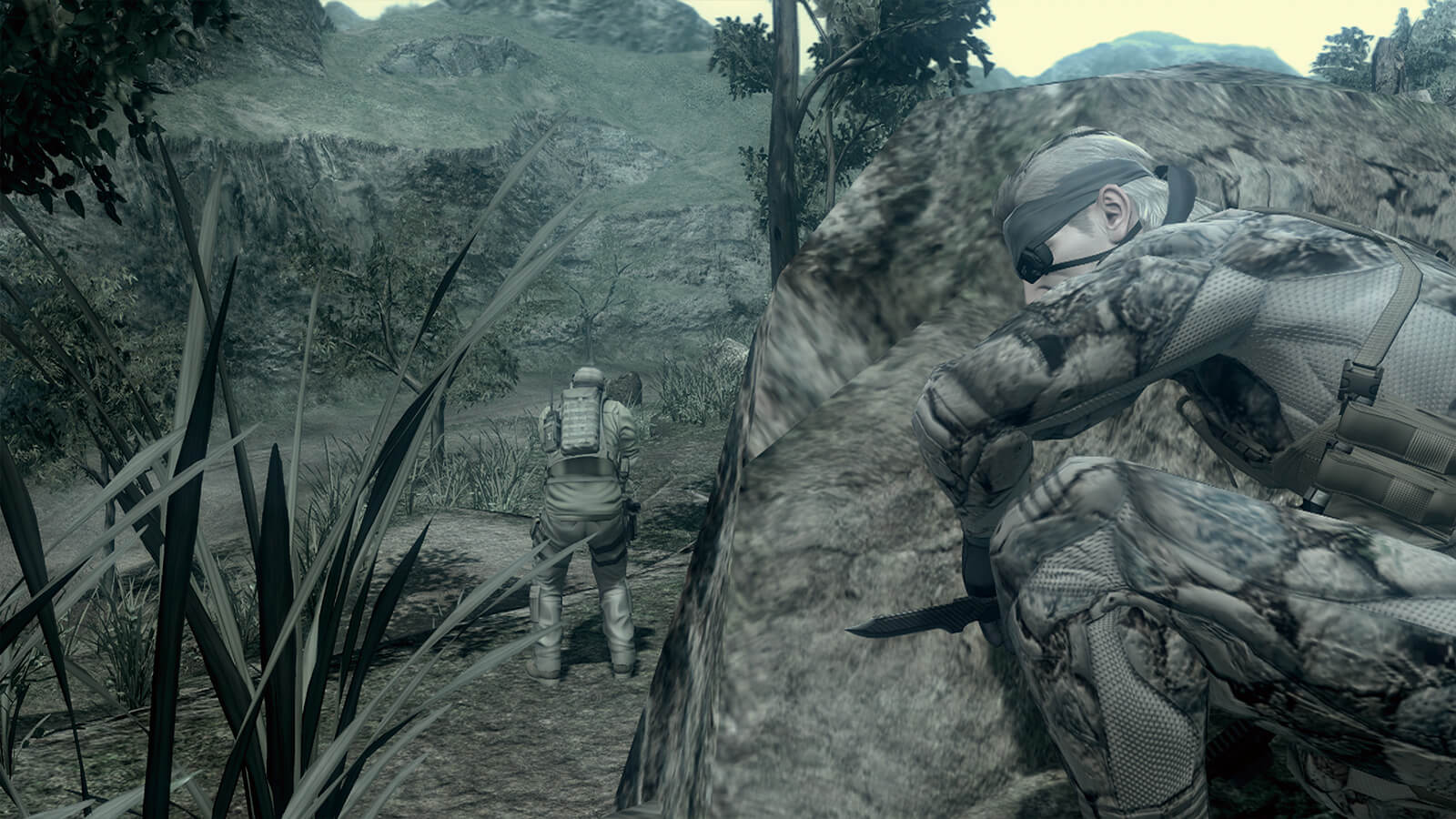
The big improvement here is the presentation. MGS4 looks fantastic running at 4K and 60fps, and the higher frame rate makes a surprisingly noticeable difference to how the game feels. Movement and aiming feel more responsive, and the entire experience benefits from the additional fluidity. It doesn’t suddenly transform the underlying game into something modern, but it does make it considerably more comfortable to play today.
The cinematics are another highlight. Some of them are famously long, but the visual presentation and attention to detail still hold up remarkably well. There are moments where I found myself simply sitting back and enjoying the spectacle, even though I already knew what was coming.
It’s worth pointing out for returning fans, however, that this release doesn’t include Metal Gear Online. The focus here is firmly on the single-player experience, so anyone hoping to revisit the original multiplayer component will need to temper their expectations.
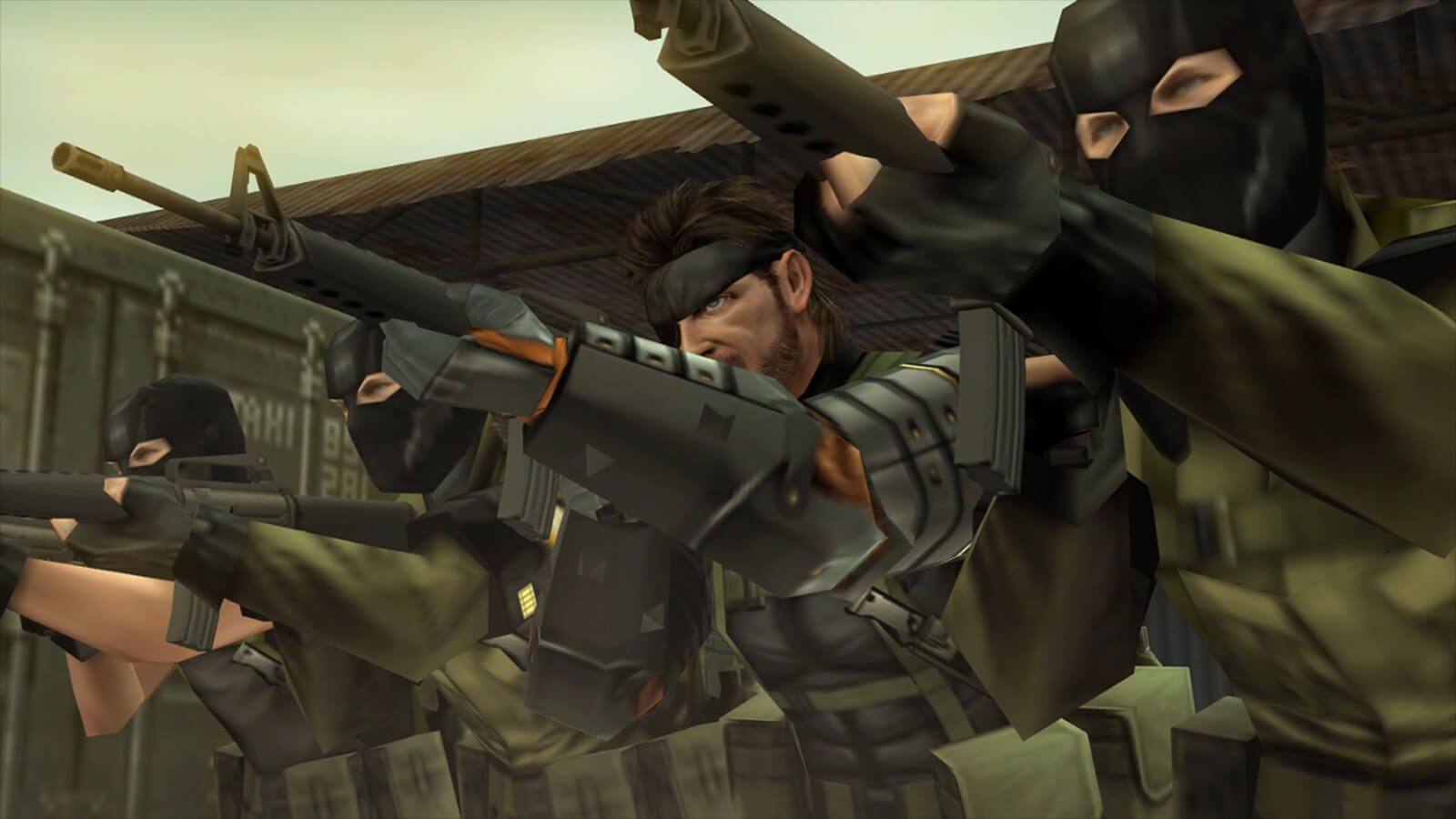
The second major game in the collection is Metal Gear Solid: Peace Walker, which feels almost completely different from MGS4. Originally released on the PSP, Peace Walker takes place in 1974, between Metal Gear Solid 3: Snake Eater and the later events surrounding Big Boss.
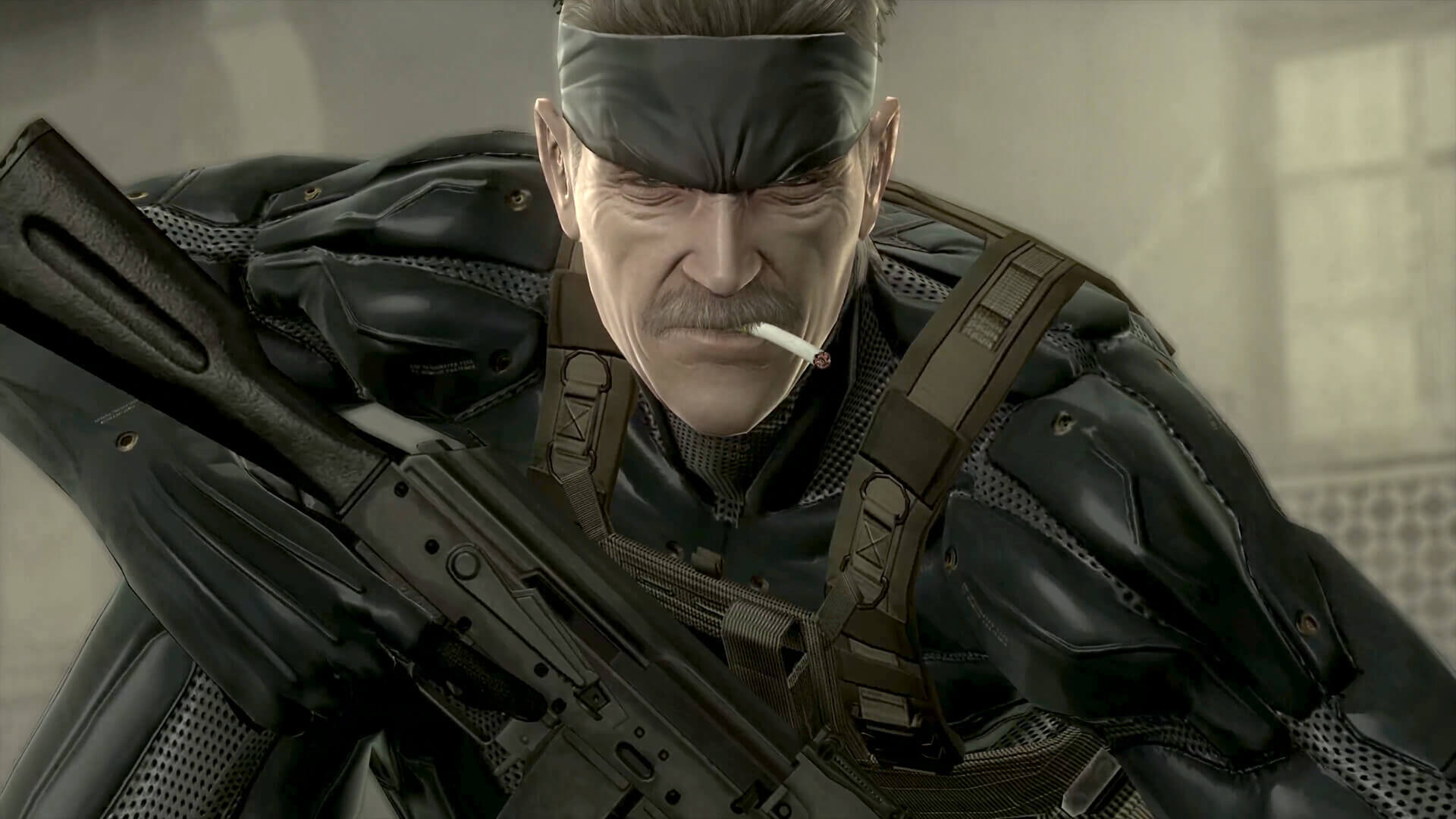
It’s an important chapter in the overall story because it shows the development of Big Boss and the beginnings of the organisation and ideology that would eventually shape so much of the series. It effectively bridges the gap between the events of Snake Eater and the later Metal Gear games.
What I particularly enjoy about Peace Walker is how different its structure feels. Missions are more bite-sized, and there’s a greater emphasis on managing Mother Base, recruiting soldiers and developing equipment. It has a more experimental structure than the mainline games, and that works surprisingly well.
Coming directly from MGS4, I appreciated the change of pace. Where MGS4 is grand, cinematic and deliberately theatrical, Peace Walker is more compact and systems-driven. It’s a reminder that Metal Gear was never afraid to experiment with its formula.
There’s also a selection of supplementary material included alongside the games, including digital books and other reference material. While I don’t think the bonus content quite reaches the same level as what was included with Master Collection Vol. 1, I’m still glad it’s here. Metal Gear has an enormous amount of history, artwork, documentation and supplementary storytelling attached to it, so these extras help give the collection a sense of completeness. That preservation aspect is ultimately what makes this collection so important.
I would have liked to see even more, particularly considering how significant MGS4 is. This is a game that was effectively locked to the PS3 for years, and getting it running on current hardware feels like an opportunity to celebrate its history as much as simply re-release it. Still, the additional material provides some welcome value for longtime fans.
And that brings me back to the biggest question surrounding Master Collection Vol. 2: what happens next?
As much as I enjoyed revisiting these games, I couldn’t help thinking about the titles that are still missing. The Metal Gear catalogue is enormous, and there are still games and chapters of the franchise that deserve to be preserved and made accessible on modern platforms.
That makes me hopeful for a Master Collection Vol. 3. There’s certainly enough material left to justify another collection, and I’d love to see Konami eventually complete the job. For longtime fans, these releases aren’t just convenient ways of replaying old games. They’re a way of ensuring that an important part of video game history isn’t left behind on obsolete hardware.
Metal Gear Solid: Master Collection Vol. 2 isn’t perfect, and I would have liked to see a more substantial selection of bonus content. But the opportunity to finally play Metal Gear Solid 4 on PS5, alongside Peace Walker, makes this an important release for anyone invested in the series.
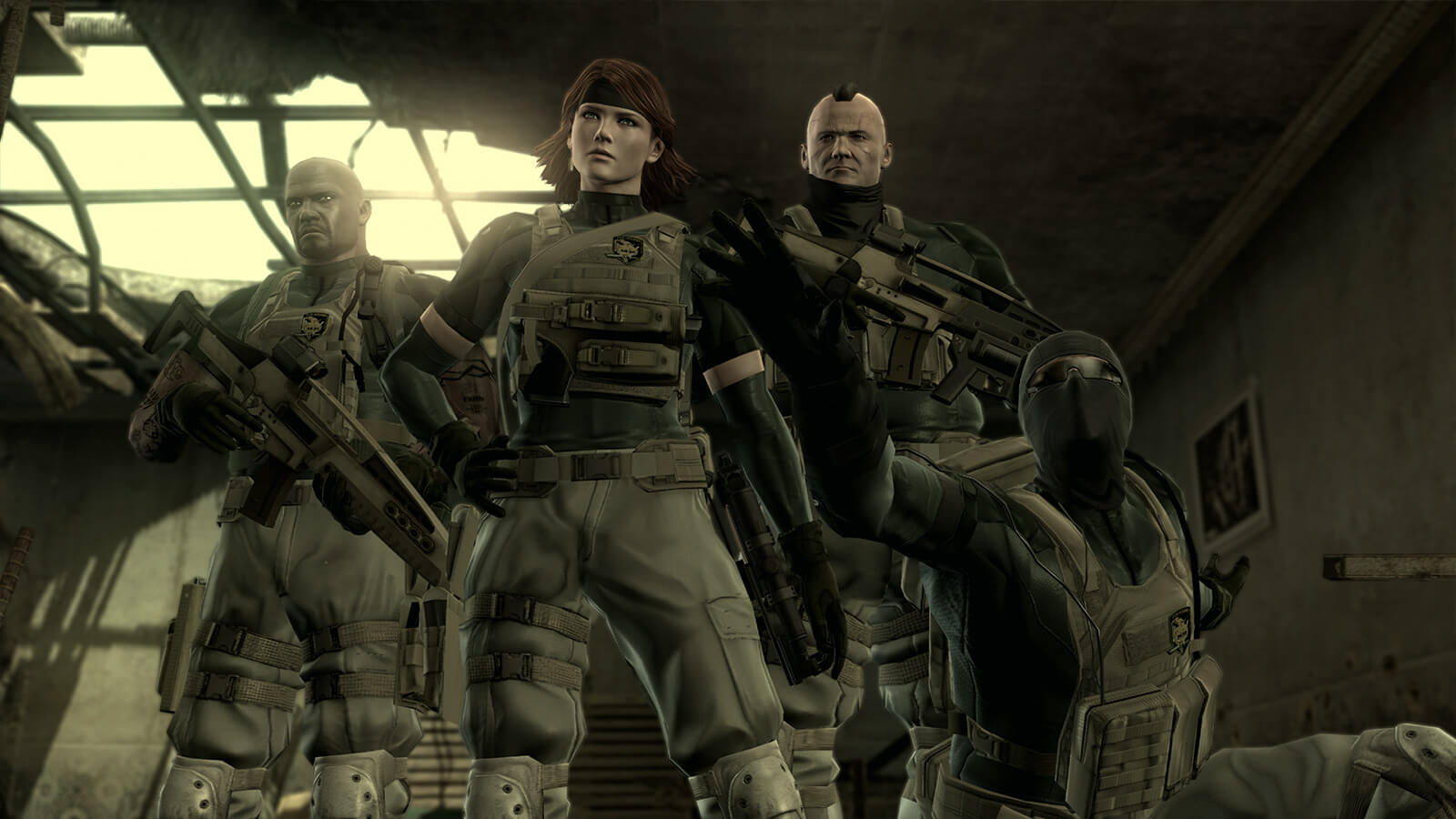
For me, the highlight is undoubtedly MGS4. Seeing Snake’s final chapter running smoothly at 4K and 60fps feels like something that should have happened years ago. The game’s story, cinematic presentation and larger-than-life ambition still have the ability to pull me in, even after all this time.
More than anything, though, I’m just happy these games are becoming accessible again.
Metal Gear is a series that deserves to be remembered, discussed and played, and Master Collection Vol. 2 takes another important step towards making sure that happens. Now I just hope we don’t have to wait quite as long for Volume 3.
If you want to see more content like this and never miss one of our frequent gaming and anime giveaways come and Follow Ani-Game on Twitter.
9
- + Well handled ports of 2 classic games
- + Looks and plays better than ever with the 4k 60fps capabilities
- + Games that still hold up well
- + MGS4 is preserved and now off the PS3
- - Would have loved more supplementary bonus material like in the first collection