I’ve played my fair share of fighting games over the years, from traditional one on one fighters to the more chaotic tag-based games that ask you to keep track of an entire team. I’ve also spent a ridiculous amount of time with Arc System Works’ previous work, particularly Dragon Ball FighterZ, so when the studio announced MARVEL Tōkon: Fighting Souls, I was immediately interested. Arc System Works taking that Dragon Ball formula and applying the experience to the Marvel universe felt like a potentially perfect combination.
Marvel is, after all, a powerhouse of characters, and a fighting game gives a developer an enormous toy box to work with. Tōkon takes that opportunity and builds a 4v4 tag fighter that looks familiar at first glance but has some genuinely interesting ideas underneath it. Most importantly, it isn’t simply trying to recreate Marvel vs. Capcom. Instead, it takes the tag-fighter concept and reshapes it around a shared health pool and a team system that gives you a surprising amount of freedom in how you actually use your characters.
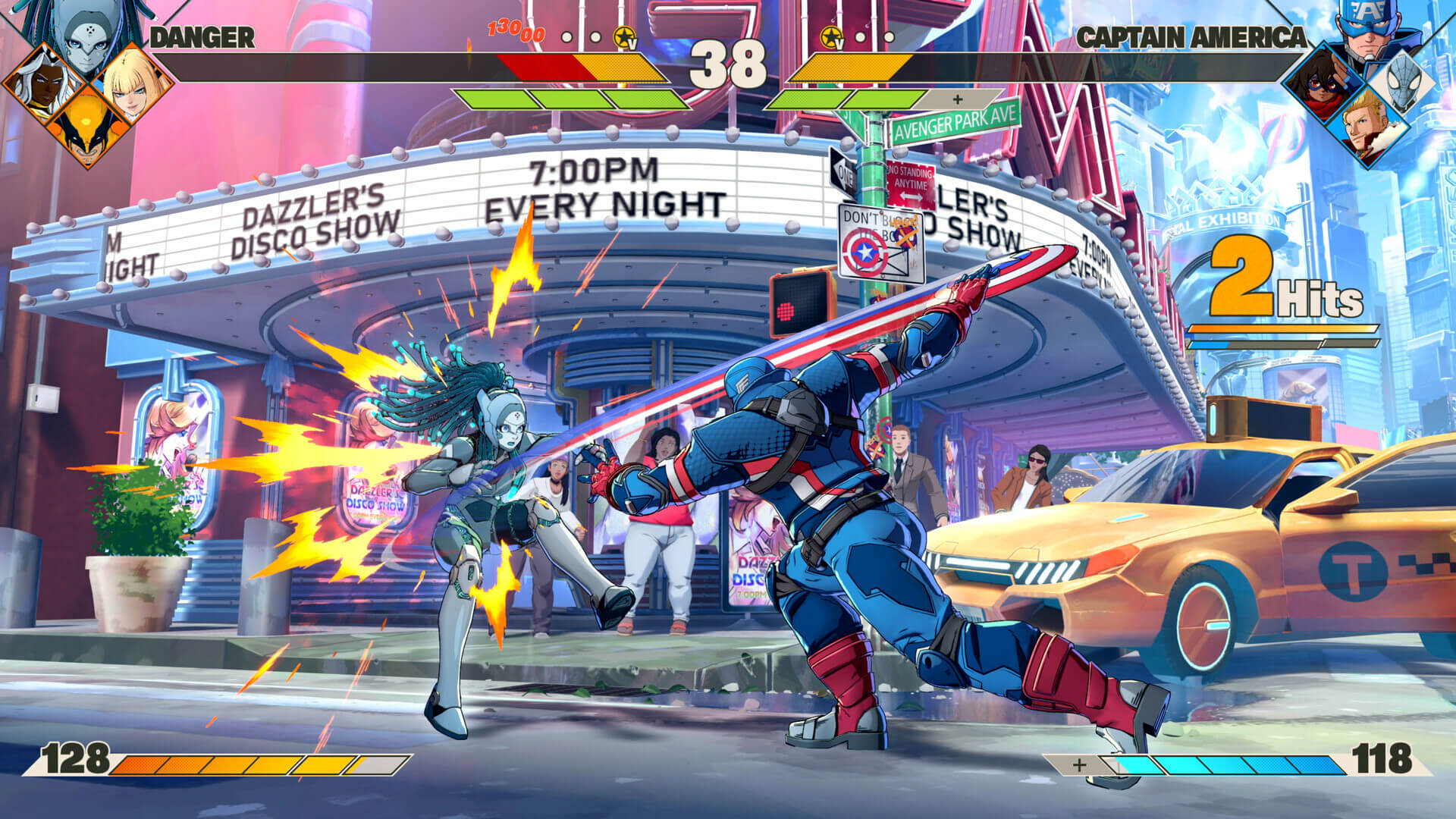
At its core, Tōkon is a game about deciding how much of your team you actually want to use. You select four characters, but all four share a single health bar. That immediately changes the traditional tag-fighter dynamic. I don’t have to constantly worry about keeping individual characters alive or switching someone out because they’re almost dead. Instead, I can spend most of a match playing as my favourite character and bring the others in as assists, or I can make much more aggressive use of the switching mechanics and rotate through my entire team.
That flexibility is one of the smartest things about Tōkon. The assist and switching systems aren’t simply there to make the game look more spectacular. They become an important part of the strategy. I’m constantly thinking about whether I should spend my resources bringing an assist onto the screen, extend a combo, interrupt an opponent or switch characters and change the pace of the fight entirely. There’s a real balancing act involved, and that makes team composition much more important than I initially expected.
Each character also behaves differently depending on their position within your team. Your additional team members occupy different assist slots, and those slots determine the type of assist they provide. You’ve got options such as Shooter, Vertical and Assault-style assists, meaning the character I might love playing isn’t necessarily the character I want in every position.
That adds another layer of decision-making to team building. I’m not just asking myself, “Which four characters do I like?” I’m asking which character I want as my primary fighter, who I want providing ranged pressure, who can help me control the air and which character gives me the utility I need when I’m trying to escape or extend pressure.
It makes building a team feel surprisingly personal. There’s another clever wrinkle here too. You don’t actually start every match with access to your entire team. Matches begin with a smaller portion of your squad available, with additional members being brought into the fight as you meet certain conditions. Successfully landing things wall breaks and other key moments can help you assemble the rest of your team, while losing rounds can also give you access to additional members.
I really like this system because it stops the opening moments of a match from immediately becoming an all-out four-character brawl. It gives the match a sense of progression. You start with fewer options, build your resources and gradually unlock more of your team’s potential.
Those resources are another part of Tōkon that takes some getting used to. You have your shared health pool, the Assemble Gauge for your team-based actions and a Skill Gauge that feeds into your special and super attacks. Special moves can be performed through the game’s normal inputs, while spending meter lets you access more powerful variations and eventually your Super Skills and Ultimate Skills.
There’s a lot happening on screen, particularly once a match gets moving. I found myself learning to constantly glance at my gauges, think about what was available and decide whether I wanted to spend resources now or save them for a more important opportunity later. It’s one of those systems that seems complicated when you first look at it, but becomes increasingly intuitive as you play.
That said, Tōkon absolutely has a learning curve. The game does a good job of introducing its mechanics through its tutorial and Startup Battle modes, but there’s simply a lot to learn. You’re managing assists, switching, meter, character-specific abilities, team positioning and your opponent’s actions simultaneously. Then you add the fact that every character has their own moveset and unique mechanics, with some characters interacting with the game’s resource systems differently.
For that reason, I think practice mode is essential. The beauty of Tōkon is that you don’t need to master four characters immediately. I can find one character I really enjoy and build a team around them, gradually learning what their teammates can contribute. That makes the game more approachable than the sheer number of systems might initially suggest. Once I started understanding the fundamentals, I could slowly layer more advanced mechanics on top.
The 20-character launch roster is another major strength. There are plenty of obvious Marvel favourites, but I really appreciated that Arc System Works didn’t simply fill the roster with the safest possible choices.
Characters such as Magik and Peni Parker give the roster some personality, while the inclusion of Carnage instead of the more obvious Venom is exactly the sort of choice I like seeing. It gives the game a little more identity and suggests that Arc System Works wanted to create its own version of the Marvel universe rather than simply ticking boxes.
Even when characters fit into familiar archetypes, they rarely feel interchangeable. Green Goblin is a great example. He can completely change the flow of a match by taking to the air and flying around the screen, creating a very different experience from a more conventional fighter. The roster has enough mechanical variety that choosing a character is about more than deciding which Marvel character I like most.
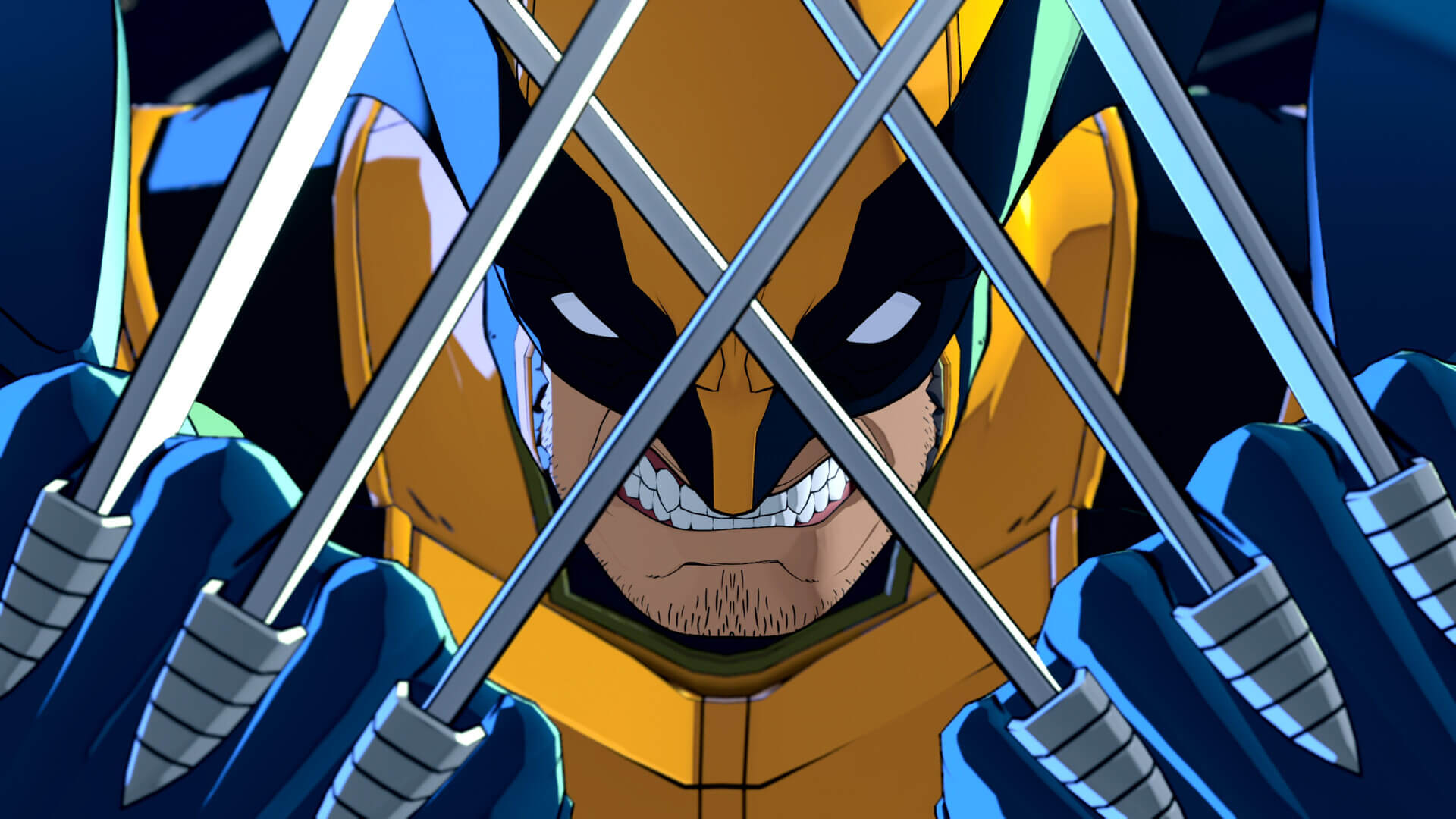
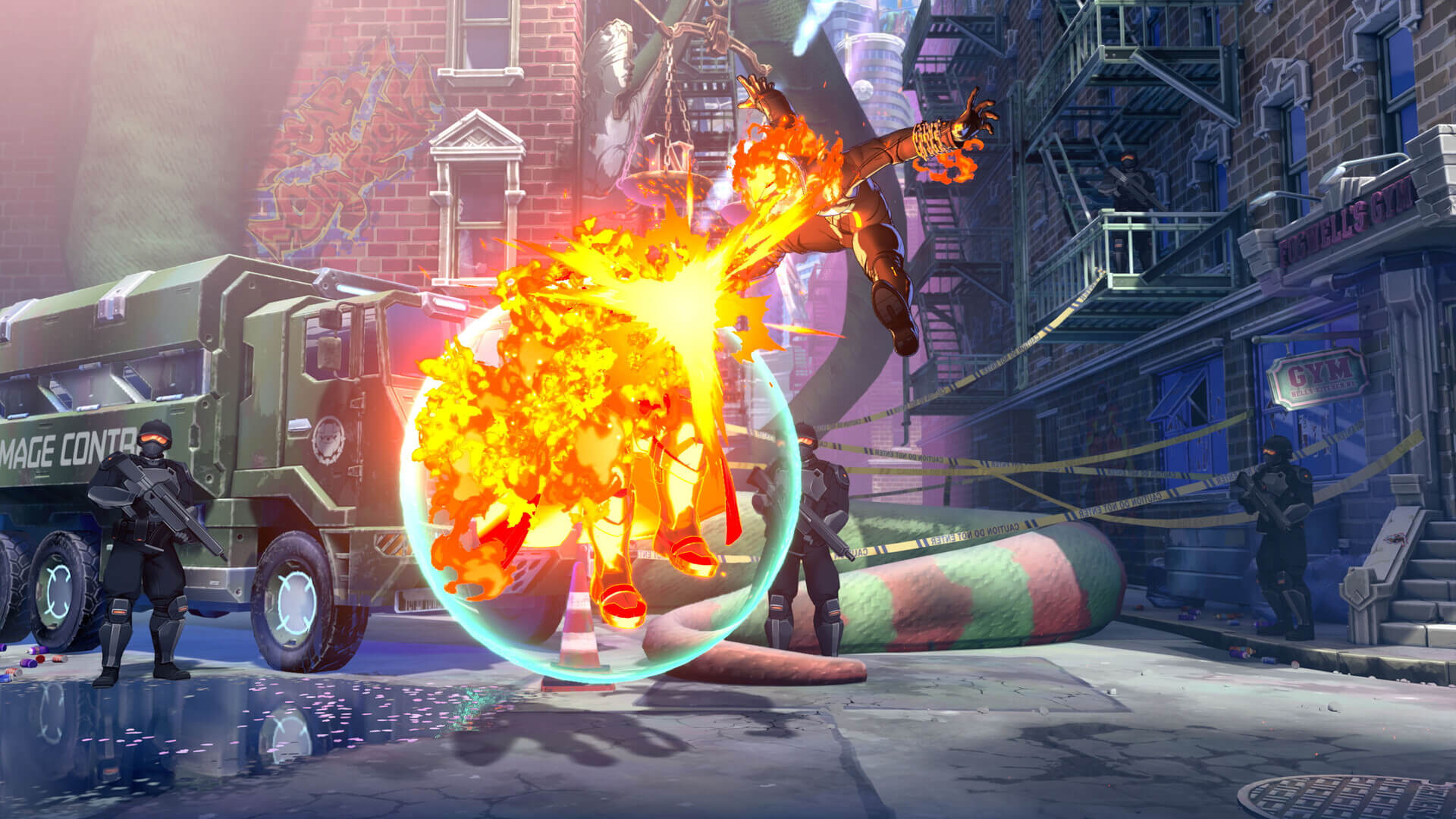
The presentation is arguably the easiest part of Tōkon to praise. Arc System Works has been producing gorgeous anime-inspired fighting games for a very long time, so it shouldn’t be surprising that Tōkon looks fantastic. What I particularly appreciate is that the studio hasn’t simply recreated the existing Marvel character designs in a slightly different rendering style. The characters have been redesigned through an unmistakably Japanese lens.
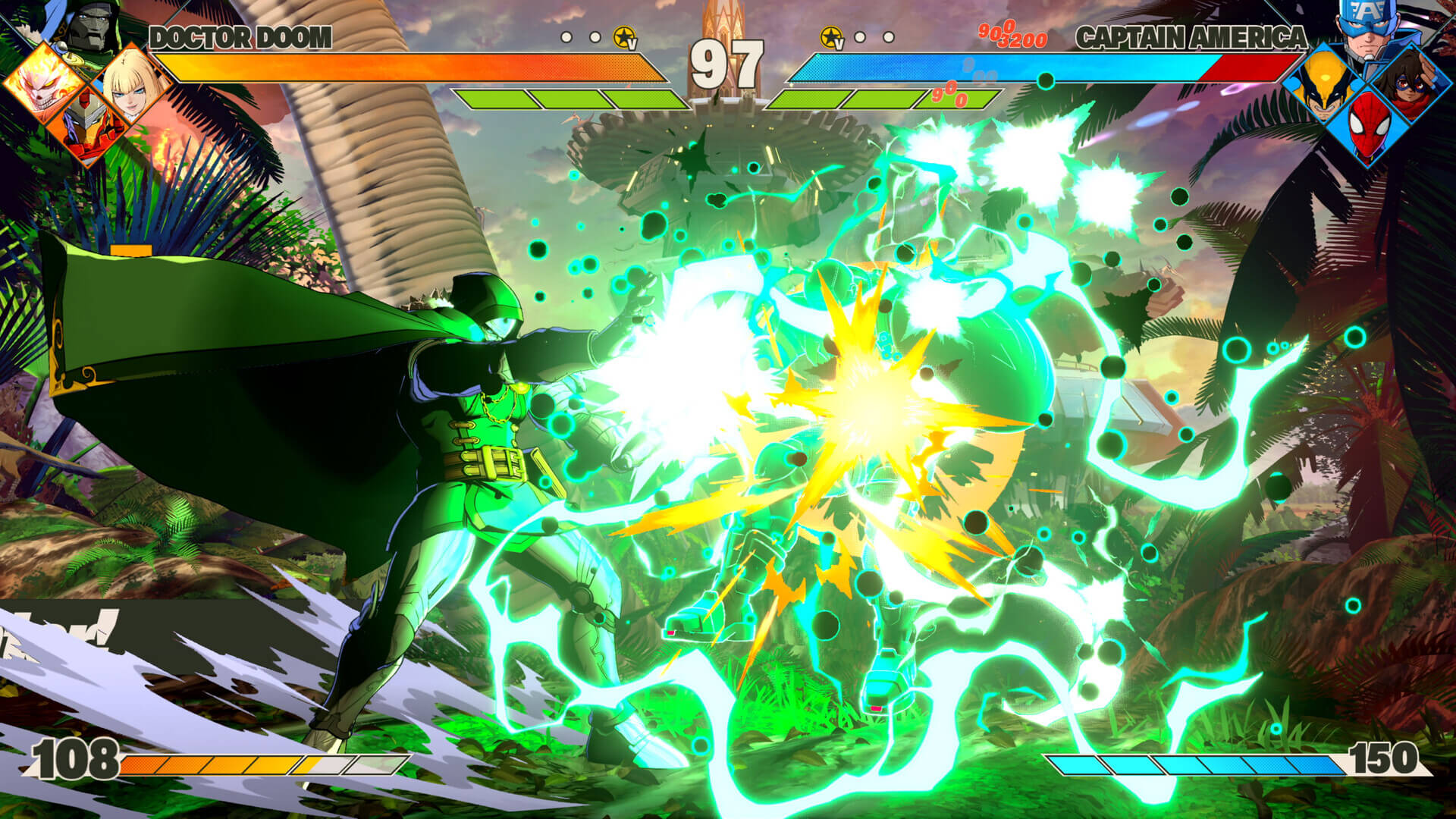
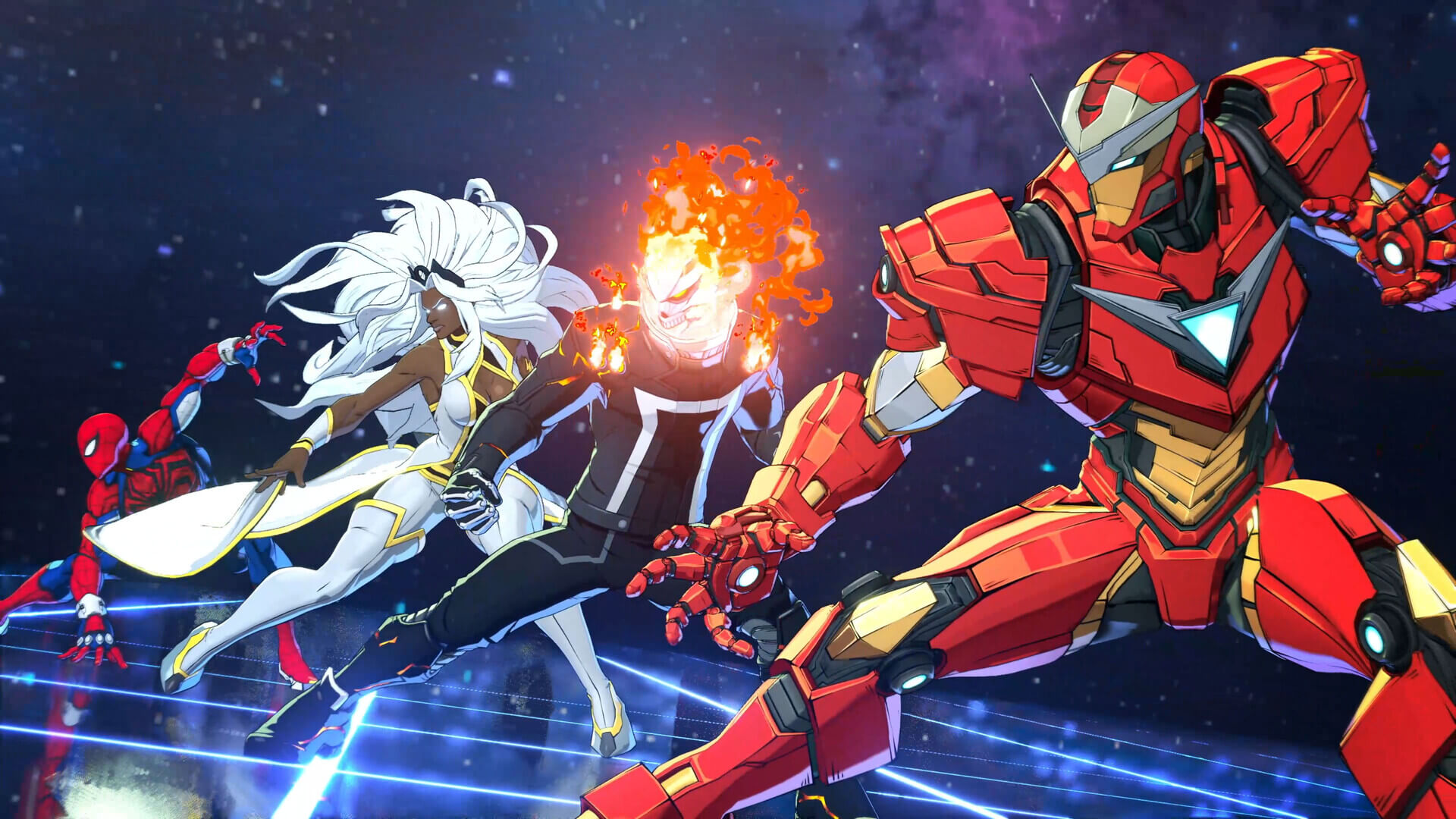
Loki looks like he’s stepped straight out of an anime villain’s character sheet, while Iron Man’s new armour has obvious Mobile Suit influences that immediately reminded me of Gundam. These designs could have easily gone wrong, but instead they give the game a distinct visual identity. That’s exactly what I wanted from an Arc System Works Marvel game. I wanted to see what Arc could bring to the licence, rather than simply watching them imitate another Marvel fighting game.
The story mode is another area where I think the developers made a smart decision. Tōkon splits its story into four campaigns, with each one being relatively short. I could get through each campaign in roughly an hour or two, depending on how much time I spent between fights.
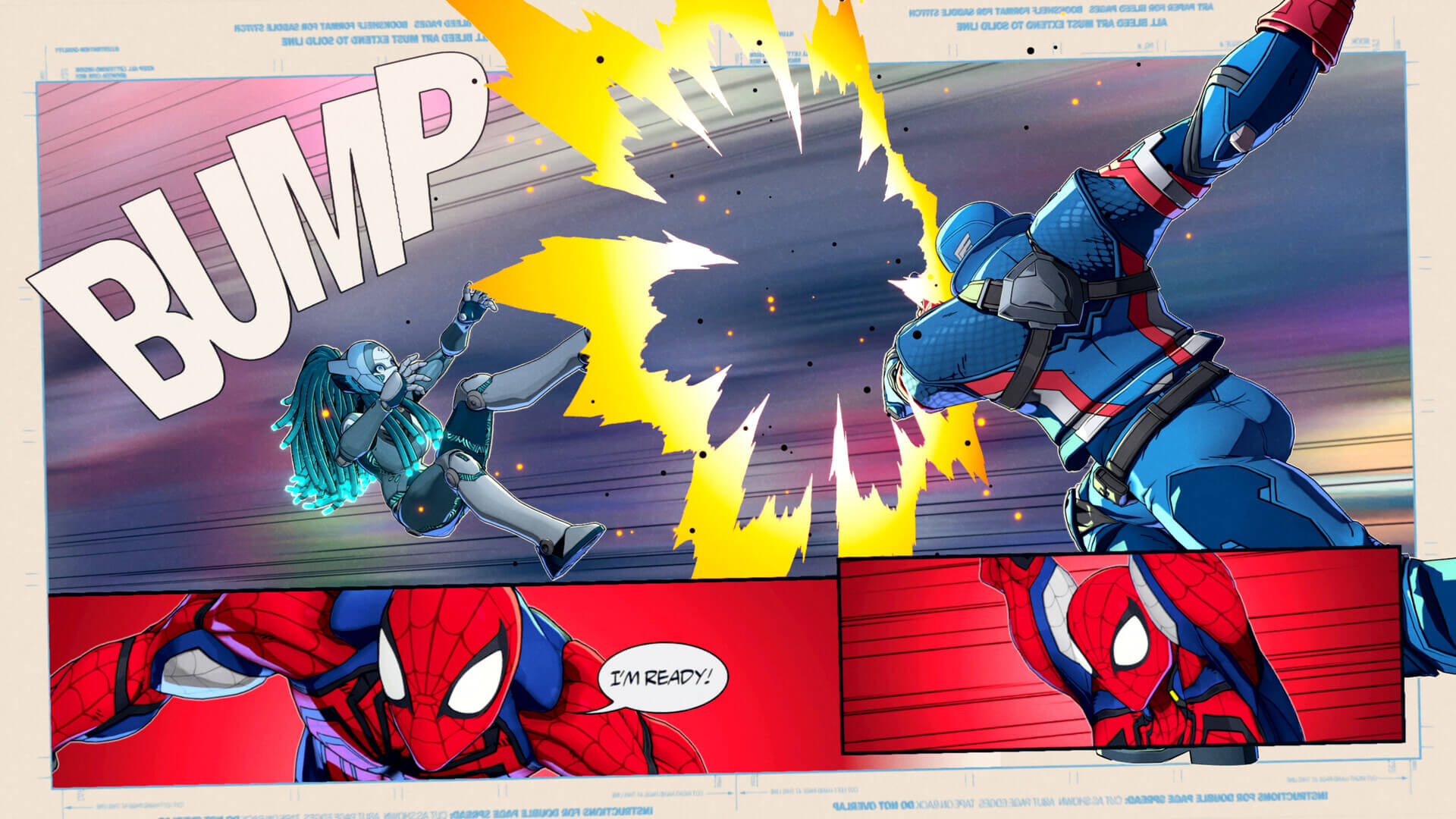
The presentation uses a comic-book-inspired format, mixing illustrated panels and dialogue with scenes that use the game’s 3D character models. I actually think this works extremely well for Marvel. Rather than trying to produce a huge cinematic campaign that would require an enormous budget and potentially take the focus away from the fighting, Tōkon embraces the source material and makes the comic book format part of the experience.
It also means the story moves along at a good pace. I got enough context for the different teams and their relationships without feeling like I was sitting through hours of exposition. It’s not going to replace a dedicated Marvel single-player adventure, but I enjoyed what was here and thought the presentation was a clever compromise.
Online play is obviously a huge part of the appeal for a fighting game, although it isn’t where I spent the majority of my time. Still, the matches I played against other players were enjoyable and, importantly, the performance felt very solid. The game supports both ranked and casual online play, alongside a larger online lobby environment. For anyone who wants to spend hundreds of hours refining a character and building the perfect team, this is clearly where Tōkon has been designed to live long-term.
If I have criticisms, my biggest one is that the sheer number of systems can make the game feel overwhelming early on. The tutorial teaches you the mechanics, but understanding why you should use them and how they interact is something that takes considerably longer. I also think the shorter story campaigns and relatively light single-player offering outside of the actual fighting could leave some players wanting more. Tōkon is clearly built around its combat first, and everything else feels secondary.
That isn’t necessarily a flaw, but it’s worth knowing what you’re getting into. If you’re looking for a big cinematic Marvel campaign, this probably isn’t it. If you want a fighting game that you can gradually learn, experiment with and potentially spend hundreds of hours mastering, it’s a much easier recommendation.
Ultimately, I came away from Marvel Tōkon: Fighting Souls impressed by how much personality Arc System Works has managed to inject into the Marvel licence. The shared health bar makes the 4v4 structure far more approachable than I expected, while the assist positioning, team composition, resource management and gradual unlocking of teammates create a surprising amount of strategic depth.
Most importantly, it feels like an Arc System Works fighting game. I can see elements of the studio’s previous work throughout Tōkon, particularly in its fast combat, expressive characters and anime-inspired presentation, but it never feels like Dragon Ball FighterZ with Marvel characters pasted over the top. Arc has taken the opportunity to build something with its own identity.
There’s a lot to learn, and I think new players will need to be patient before everything starts to click. But once it does, Tōkon becomes an incredibly satisfying fighter where every decision, from the character I select to the position I put them in, can make a meaningful difference.
For me, that’s the biggest success of Marvel Tōkon: Fighting Souls. It takes a roster filled with some of the most recognisable characters in popular culture and gives them a fighting system that feels worthy of the Marvel name while still carrying Arc System Works’ unmistakable DNA. It’s fast, flashy and deeper than it first appears, and I’m very keen to see where the game goes from here.
A PS5 review code was provided by PlayStation for the purpose of this review.
If you want to see more content like this and never miss one of our frequent gaming and anime giveaways come and Follow Ani-Game on Twitter.
9
- + Well rounded tag fighting system
- + So many layers of strategy and team composition
- + Varied roster of characters that feel unique
- + Incredible art direction and presentation
- - Has a pretty steep learning curve to understand all its systems
- - Limited single player offering.