I’ve been a fan of Sword Art Online for years, particularly the earlier seasons. There’s something about the original Aincrad arc that has always stood out to me. The idea of thousands of players becoming trapped inside a virtual world where death in the game meant death in real life remains one of the most compelling premises in anime, and it’s a setting that still feels ripe for exploration. That’s exactly what Echoes of Aincrad sets out to do. Rather than simply retelling Kirito’s journey, it lets you carve your own path through those same events from the perspective of one of the many other players trapped inside the floating castle.
It’s a refreshing direction for the series, and one that gives the developers far more freedom to tell new stories while still remaining grounded in the iconic world fans know and love. While Echoes of Aincrad gets a lot right, particularly with its storytelling and combat, it also falls short in a few areas that feel like they could have been overcome fairly easily. There’s a great foundation here, but some of its systems don’t quite reach their full potential.
For anyone unfamiliar with Sword Art Online, the story begins with players logging into a revolutionary virtual reality MMORPG called Sword Art Online. What starts as an exciting new gaming experience quickly becomes a nightmare when players discover they can’t log out. The game’s creator announces that the only way to escape is to clear all one hundred floors of Aincrad. To make matters worse, dying inside the game also means dying in the real world, turning every battle into a fight for survival.
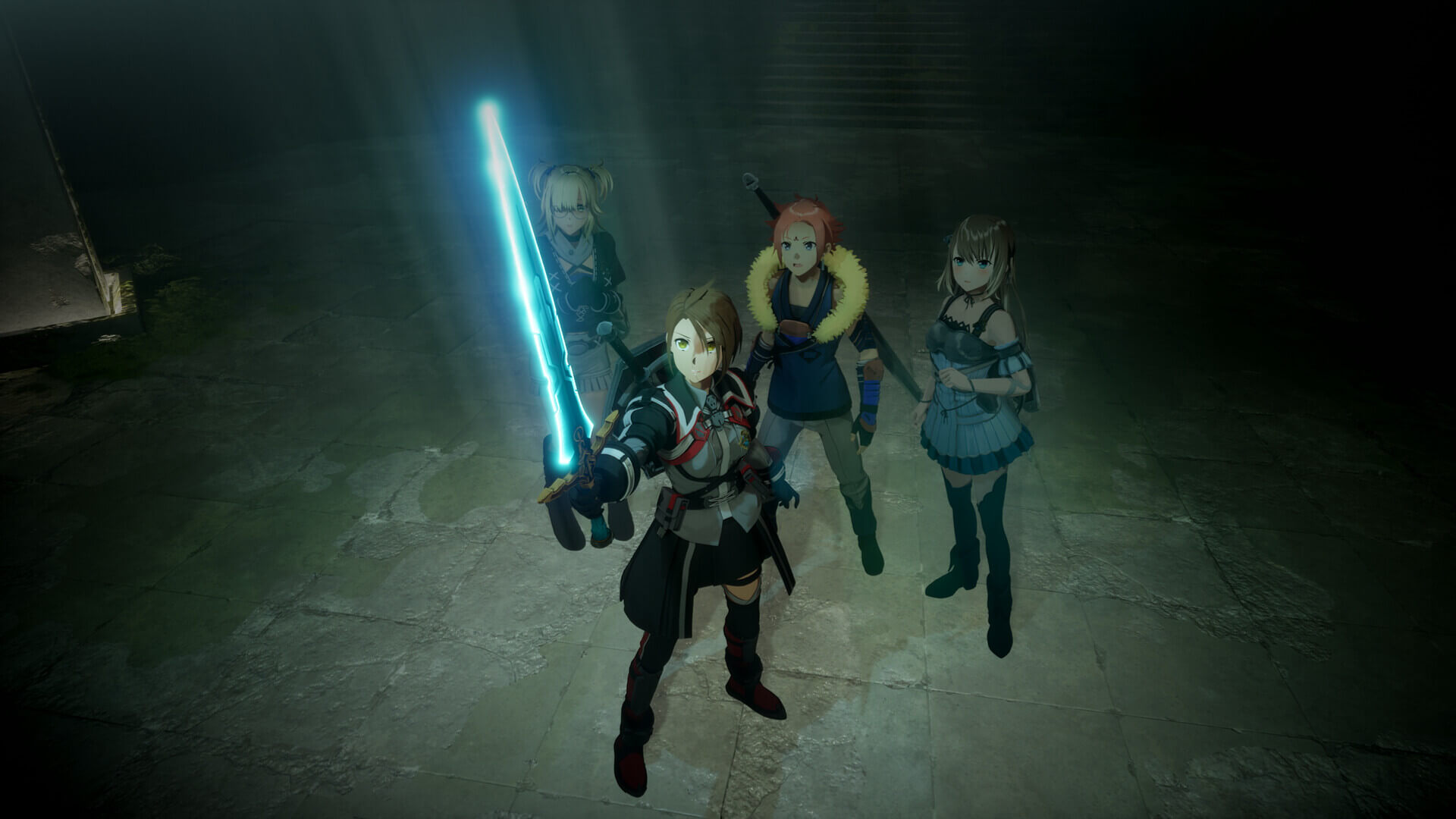
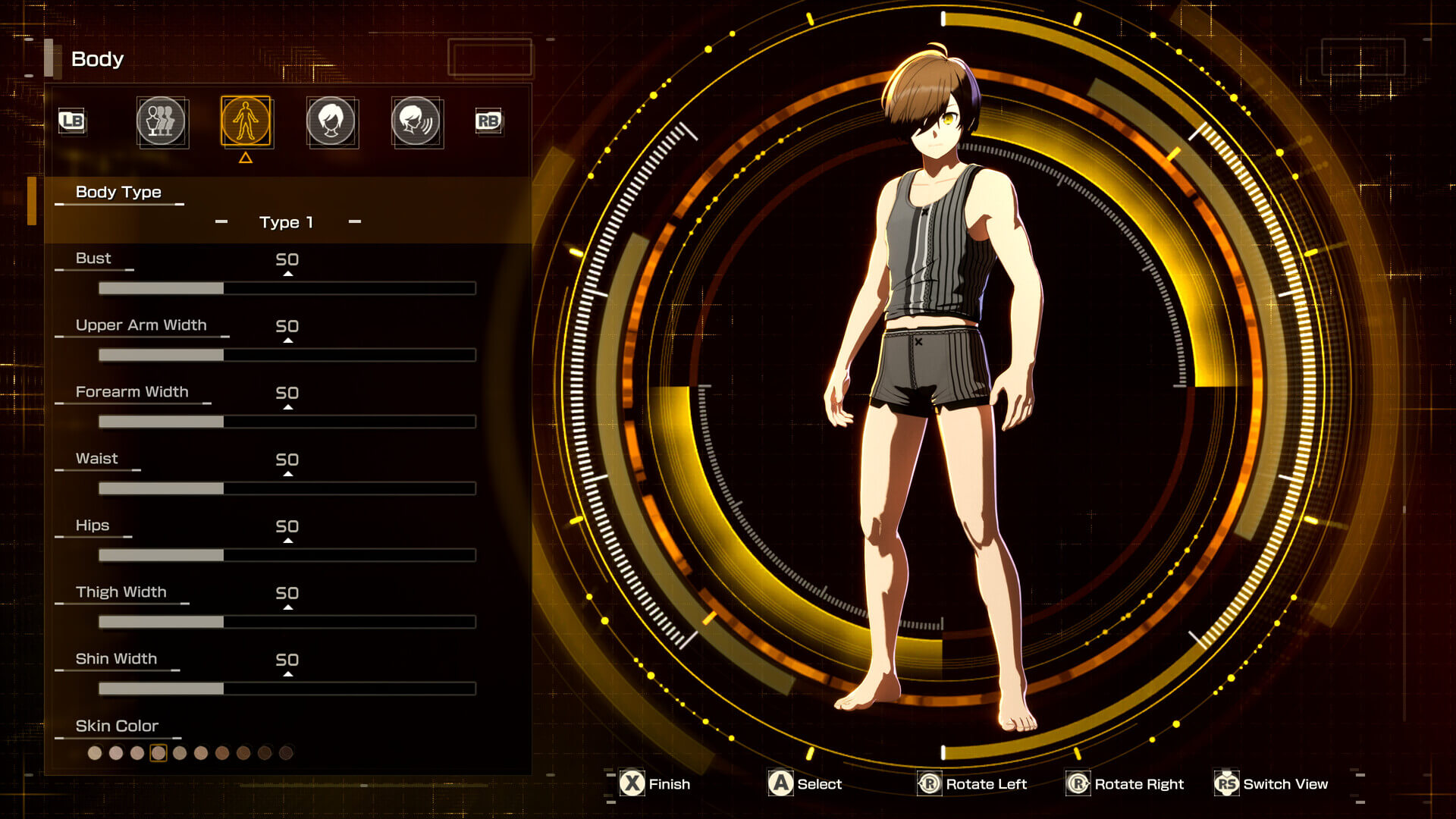
Rather than placing you directly into Kirito’s shoes, Echoes of Aincrad follows your own custom character as they experience these events alongside countless other trapped players. I really enjoyed this approach because it offered a fresh perspective on a story I’ve already experienced through the anime. Familiar events still occur, and you’ll occasionally cross paths with recognisable characters, but the focus remains on your own journey, the allies you meet, and the relationships you build while fighting to survive.
The game actually begins before the infamous lockdown, allowing you to participate in the game’s beta test. Fans of the anime will immediately recognize this concept, as Kirito himself was one of the original beta testers. It’s a nice introduction that eases players into the mechanics before everything changes and you’re suddenly thrown into the deadly version of Sword Art Online where every decision matters.
Gameplay is built around a third person action RPG structure. Much of your time is spent accepting quests, exploring Aincrad’s environments, clearing dungeons, defeating monsters, gathering materials, and progressing the main storyline as you slowly work towards the goal of conquering each floor. While the overall structure is fairly traditional for the genre, it fits the Sword Art Online universe well, and there’s enough variety in objectives to keep things moving throughout the campaign.
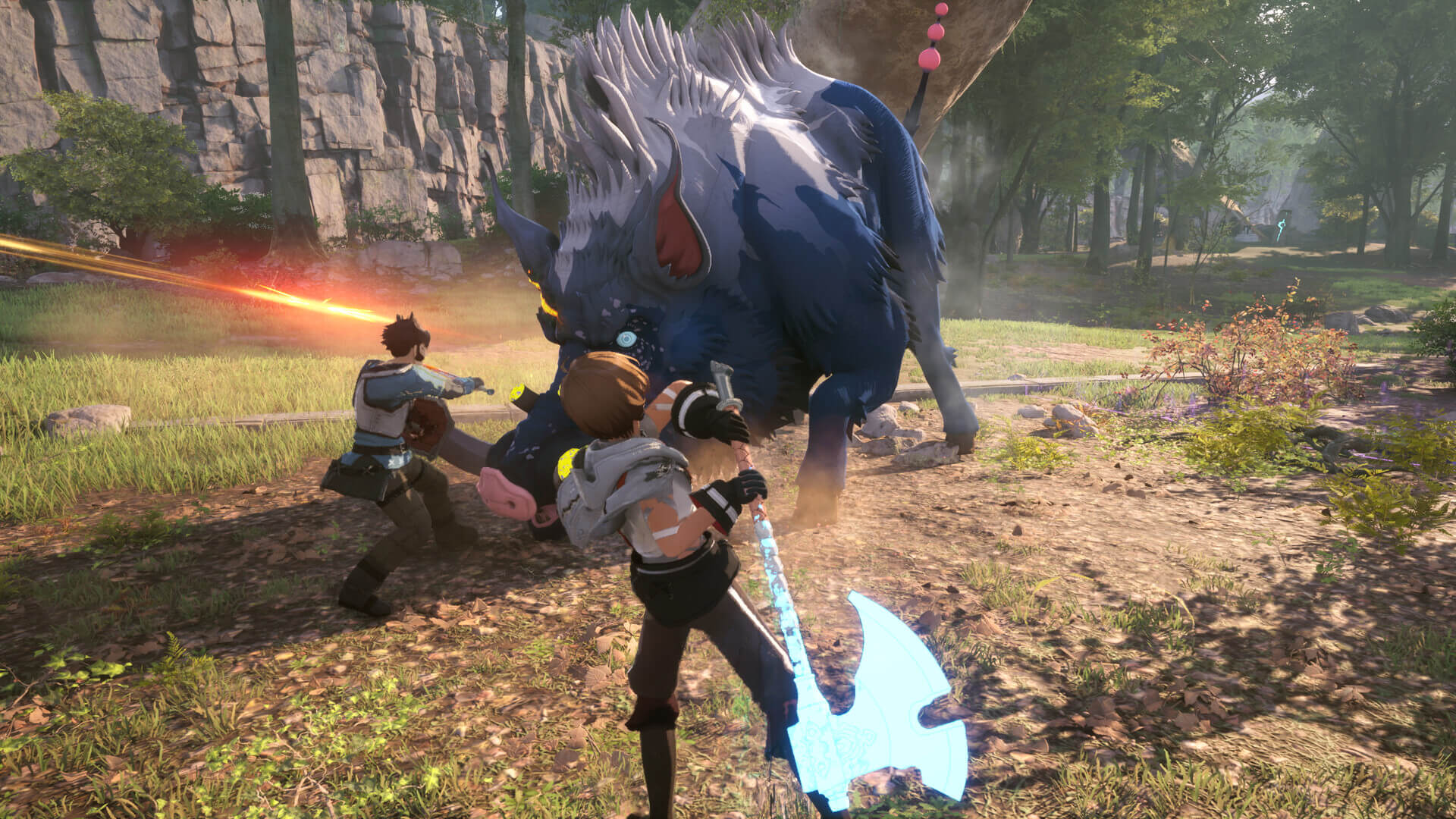
Combat is where I found myself having the most fun. The action-based battle system includes everything you’d expect from a modern action RPG. You have light and heavy attacks, dodge rolls, guarding, enemy lock-on, movement abilities, and a range of special skills that can be equipped as you progress. It’s responsive, satisfying, and does a good job of making each encounter feel active without becoming overly complicated.
Character progression ties nicely into this. As you level up, you unlock new skills and strengthen your build based on your preferred playstyle. I particularly liked how the game encourages specialisation rather than forcing you into a single path. Different weapon types all feel distinct, and because each has its own progression, I found myself naturally gravitating towards the weapons that best suited how I wanted to play. Whether you prefer fast, aggressive attacks or slower, heavier weapons, there’s enough flexibility to build your character around what feels enjoyable.
Another mechanic I really appreciated was the companion system. Throughout your adventure, you can bring another character along on missions, and they prove to be far more than simple background support. Before heading out, you choose which companion joins you, with each offering their own abilities and combat style.
This allows you to create party combinations that complement your own build. If you’re focused entirely on dealing damage, you can pair up with someone who provides healing or defensive support. Alternatively, you can simply choose a companion whose abilities you enjoy using. Your partners fight automatically during combat, but they contribute enough to make encounters feel more dynamic, particularly during larger battles and boss fights where having another capable fighter alongside you genuinely makes a difference.
Visually, Echoes of Aincrad looks fantastic. The anime art style has been recreated beautifully, with sharp character models that remain faithful to the series’ aesthetic. That was something I was particularly pleased to see because this isn’t simply retelling the anime’s story. The game introduces plenty of original characters and scenarios, and thankfully they don’t feel like filler content awkwardly inserted into the existing narrative. They blend surprisingly well into the world, making it feel like these stories could have existed alongside the events we already know.
One of the biggest strengths of the game is easily its story. Even though I already knew the overall events surrounding Aincrad, I still found myself invested in the narrative because of the new perspective it offers. Watching friendships develop, seeing parties form out of necessity, and experiencing the emotional highs and lows of players trying to survive together gave the story plenty of heart. There are some genuinely emotional moments throughout, and the game does a good job of capturing the sense of camaraderie that made the original anime so memorable.
Exploration is rewarding too, with plenty of loot hidden throughout dungeons and the world itself. During my preview, I mentioned I was curious about just how deep the crafting system would end up becoming because I was constantly finding crafting materials while exploring. Unfortunately, that curiosity didn’t really pay off. While crafting exists, it never develops into a particularly meaningful progression system. Many of the materials you collect don’t lead to especially exciting equipment or impactful upgrades, making the system feel shallower than I had hoped. It’s not bad by any means, but it definitely feels like an area that could have offered much more depth.
One pleasant surprise was the inclusion of a full English dub. Previous Sword Art Online games have only utilised Japanese voice acting, so hearing the English cast return here was fantastic. The performances are consistently strong and really elevate the presentation. Since many fans know these characters through the English anime dub, it helps make the experience feel even more authentic.
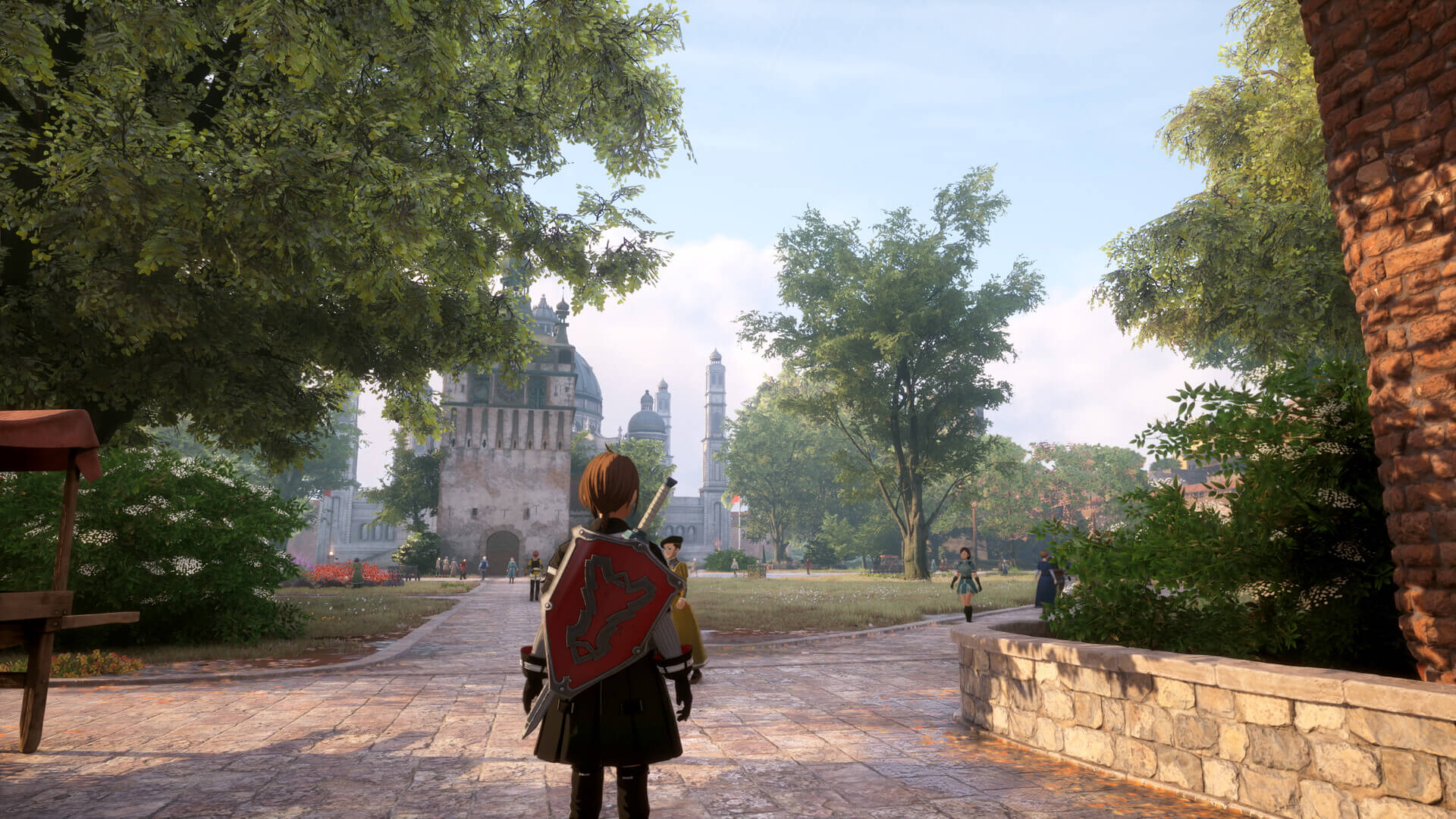
Despite enjoying the world itself, I couldn’t help wishing the game pushed its scope a little further. The biggest limitation is that only the first two floors of Aincrad are currently explorable. While I completely understand that recreating all one hundred floors simply isn’t realistic, I still would have loved to see a few more environments, additional biomes, and a greater variety of enemies. Exploring Aincrad has always been one of the franchise’s biggest appeals, and I wanted just a little more of it.
The towns also feel somewhat underdeveloped. They largely function as hubs where you speak to NPCs, accept quests, buy equipment, and move on. I would have loved to see them feel more alive through additional activities and worldbuilding. Systems like romance options, guild management, housing, or a much deeper crafting system could have gone a long way towards making these locations feel like places people actually lived rather than simply menus disguised as towns. It’s certainly possible that future updates or expansions could build upon these ideas, especially given Bandai Namco’s history of supporting some of its games after launch, but it’s still disappointing that these features aren’t present right now.
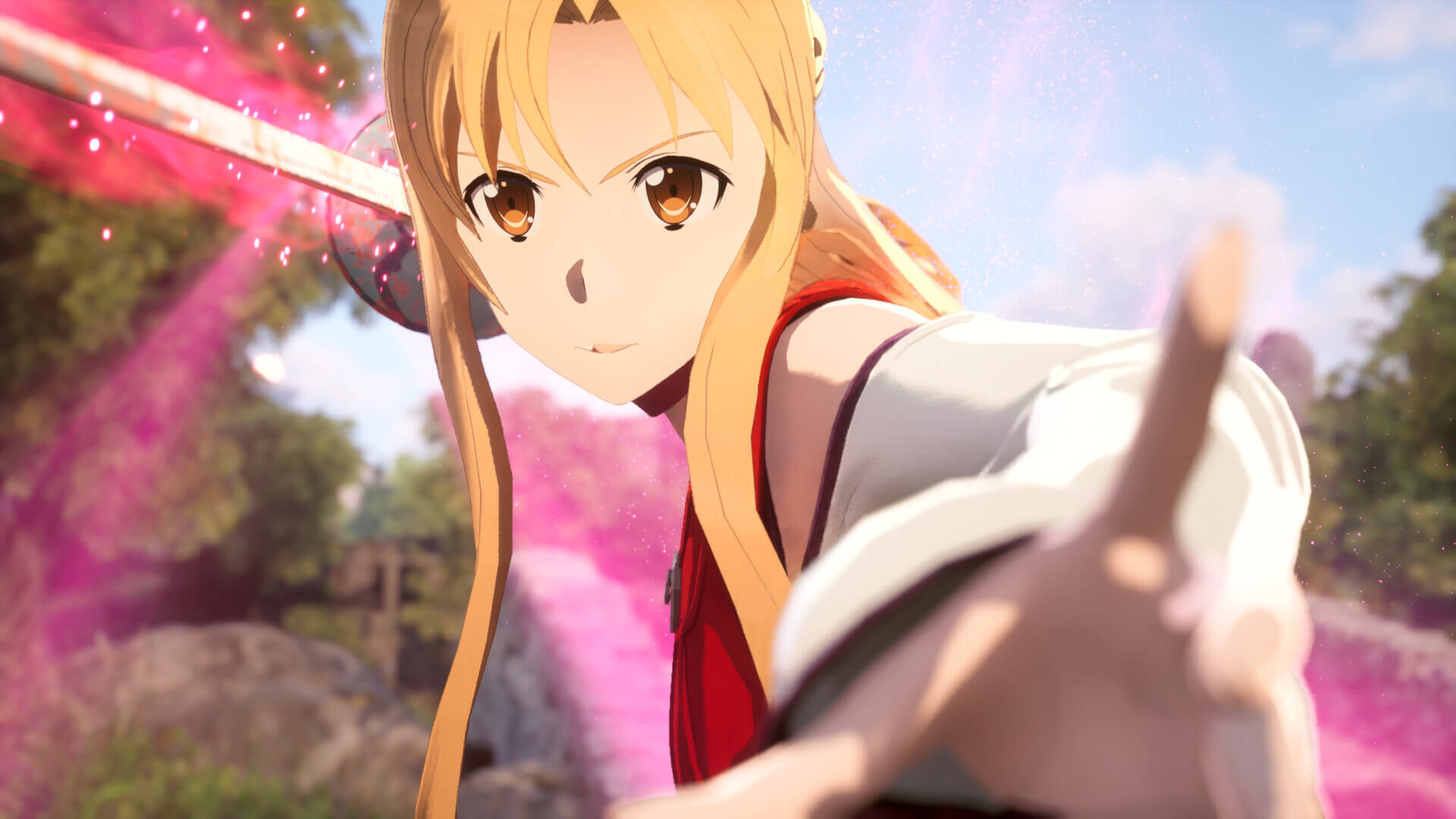
The side missions ended up being another highlight. While plenty follow familiar RPG quest structures involving fetching items or defeating enemies, they also feature some of the game’s best boss encounters. These fights often demanded much more attention than the main story missions, which I generally found to be on the easier side. If you’re looking for the game’s toughest battles, you’ll likely spend plenty of time tackling optional content.
There are also a handful of smaller areas that could have benefited from further refinement. Enemy variety begins to repeat itself sooner than I would have liked, exploration occasionally becomes predictable, and some of the RPG systems feel like they’re only scratching the surface of what they could become. None of these issues ruin the experience, but together they reinforce the feeling that Echoes of Aincrad has built an excellent foundation that simply needs more depth.
Overall, I enjoyed my time with Echoes of Aincrad. It successfully does something different with the Sword Art Online formula by allowing players to experience the Aincrad incident through an entirely new perspective, and that alone makes it feel fresh. Strong combat, enjoyable progression, excellent presentation, and a genuinely engaging story make it an easy recommendation for fans of the series.
At the same time, I couldn’t shake the feeling that several of its systems feel a little too shallow. The crafting lacks meaningful depth, the towns could offer far more to do, and the limited scope of Aincrad leaves you wanting more. That’s ultimately both the game’s biggest strength and biggest weakness. It shows enormous potential, and I genuinely hope this is only the beginning. Whether through future updates, expansions, or a sequel, there’s a fantastic foundation here that could become something truly special with a little more ambition.
A PS5 review code was provided by the publisher for the purpose of this review.
If you want to see more content like this and never miss one of our frequent gaming and anime giveaways come and Follow Ani-Game on Twitter.
7
- + Great visuals and matches the art direction of the show well
- + The combat + companion system provides freedom for your build
- + Has an English dub with solid performances
- + Enjoyable story
- - Repetitive dungeon and enemy design
- - Systems such as crafting and development of the towns was too shallow
- - Doesn’t reach teh potential of what the setting could have offered