I’ll be honest, I came to Blue Reflection Quartet with absolutely no experience with the series. I’d never played the original Blue Reflection, I hadn’t watched the anime, and I’d completely missed Blue Reflection Sun during its time as a mobile game. In fact, before picking up Quartet, my knowledge of the series basically amounted to knowing that it was a colourful JRPG involving magical girls.
That made this collection particularly interesting to me. Rather than coming into it with nostalgia or expectations based on previous games, I was able to experience Blue Reflection as a complete newcomer. And while there are definitely some rough edges, I came away feeling like Quartet is a really interesting way to discover a series that I probably wouldn’t have tried otherwise.
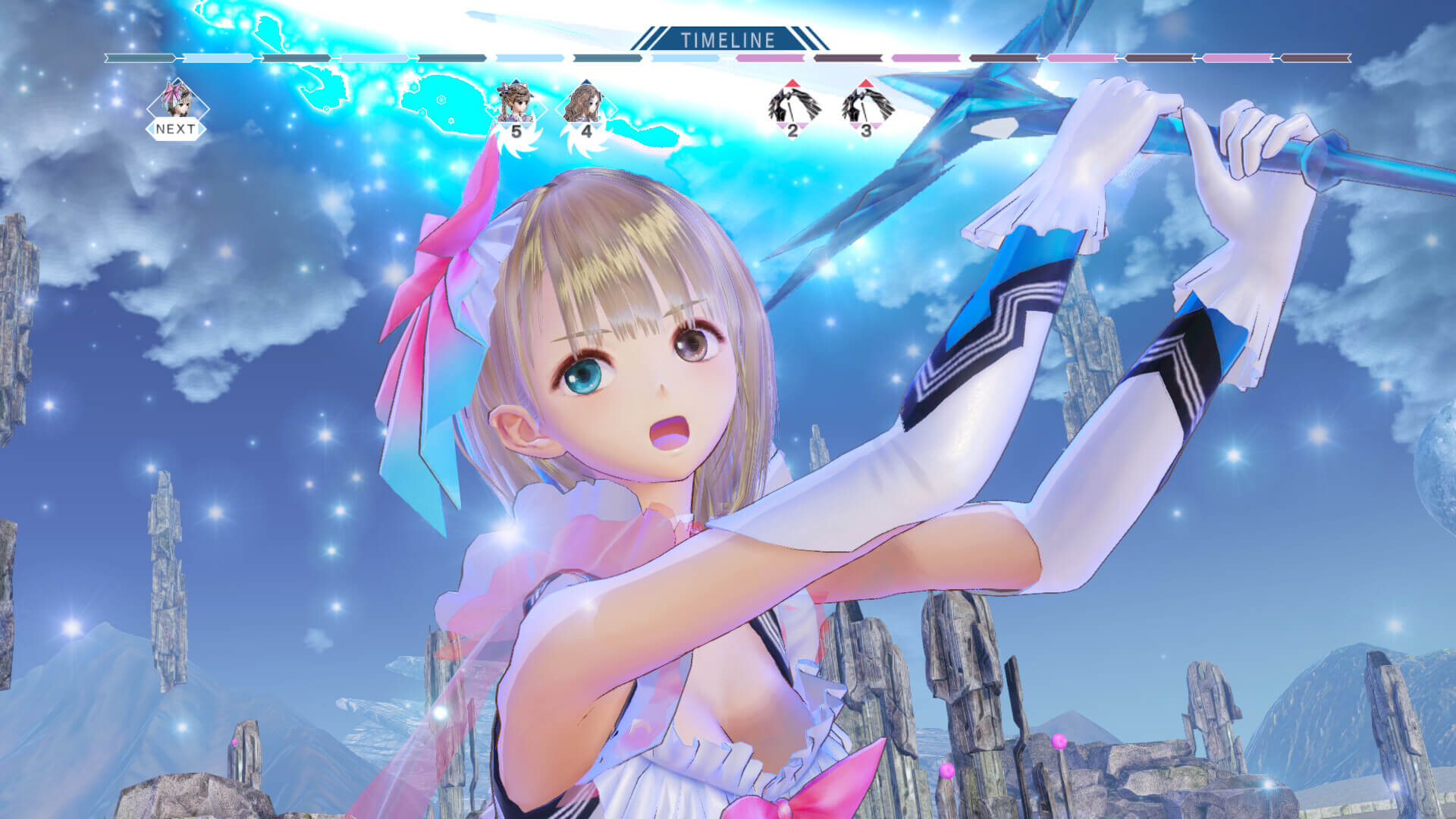
Blue Reflection Quartet brings together four different parts of the franchise, giving players the original Blue Reflection, a playable version of the Blue Reflection Ray anime story, a rebuilt version of Blue Reflection Sun and Blue Reflection: Second Light. It is essentially a chance to see what the series has been about from its beginnings through to its later entries.
For someone like me, that was the biggest appeal. I wasn’t just playing one new JRPG. I was getting the opportunity to see how the series developed, how its characters and ideas changed, and where it eventually ended up. And that journey is a little uneven, but it’s also surprisingly rewarding.
The first thing that struck me about Blue Reflection is how different its tone is from a lot of JRPGs. There’s a strong emphasis on the everyday lives of its characters. School, friendships, personal problems and relationships are just as important as the supernatural events happening around them. The games aren’t constantly trying to convince me that the fate of the entire universe is at stake.
Instead, there’s a much more intimate feeling to the storytelling. The original game introduces Hinako, a former ballerina whose life has been turned upside down after an injury. From there, she becomes involved in the strange world of the Reflectors, magical warriors who can enter mysterious alternate worlds.
It’s a fairly conventional setup on paper, but I found myself becoming more interested in the characters than the overarching mythology. That’s probably the best way to describe my experience with Quartet as a whole.
The supernatural side of the story is fun, but the human side is where I think Blue Reflection is at its strongest. These characters are dealing with loneliness, insecurity, grief, friendship and the awkwardness of trying to understand other people. Those themes give the games an emotional foundation that makes the more fantastical elements work.
Second Light takes that idea even further. After playing through the original, I could immediately see how much the series had grown. Second Light feels more confident in what it wants to be, with a larger emphasis on relationships, exploration and character development.
The basic premise is suitably mysterious, with a group of girls finding themselves trapped in a strange version of a school with no memories of how they got there. As they explore the world around them, they begin piecing together what happened and, more importantly, who they are.
I genuinely enjoyed watching these relationships develop. There are plenty of big moments, but some of my favourite scenes were the quieter ones. Characters sitting around talking, getting to know one another or simply doing something ordinary can be surprisingly effective. It’s a very character-driven approach, and I think that works in Blue Reflection’s favour.
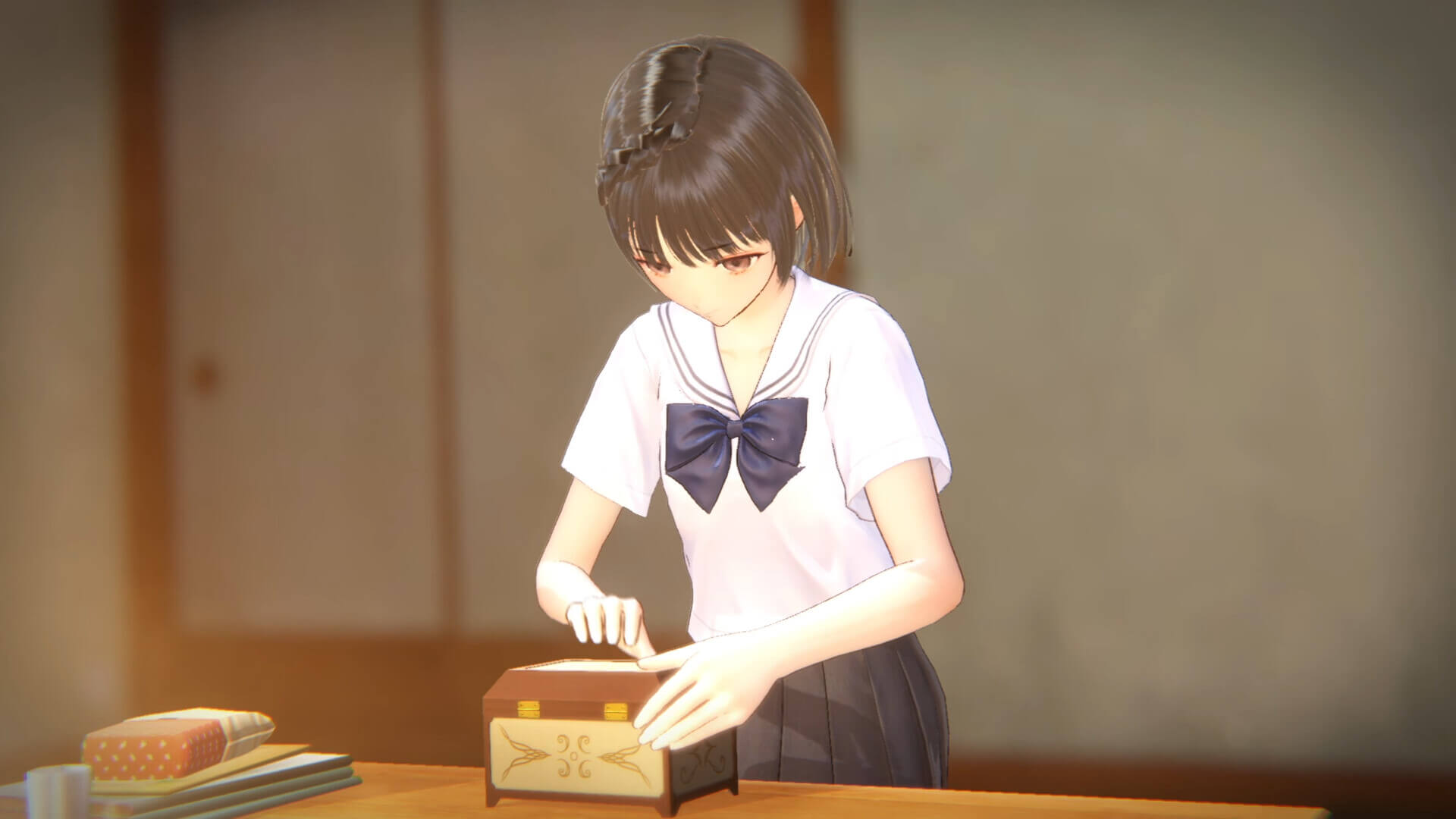
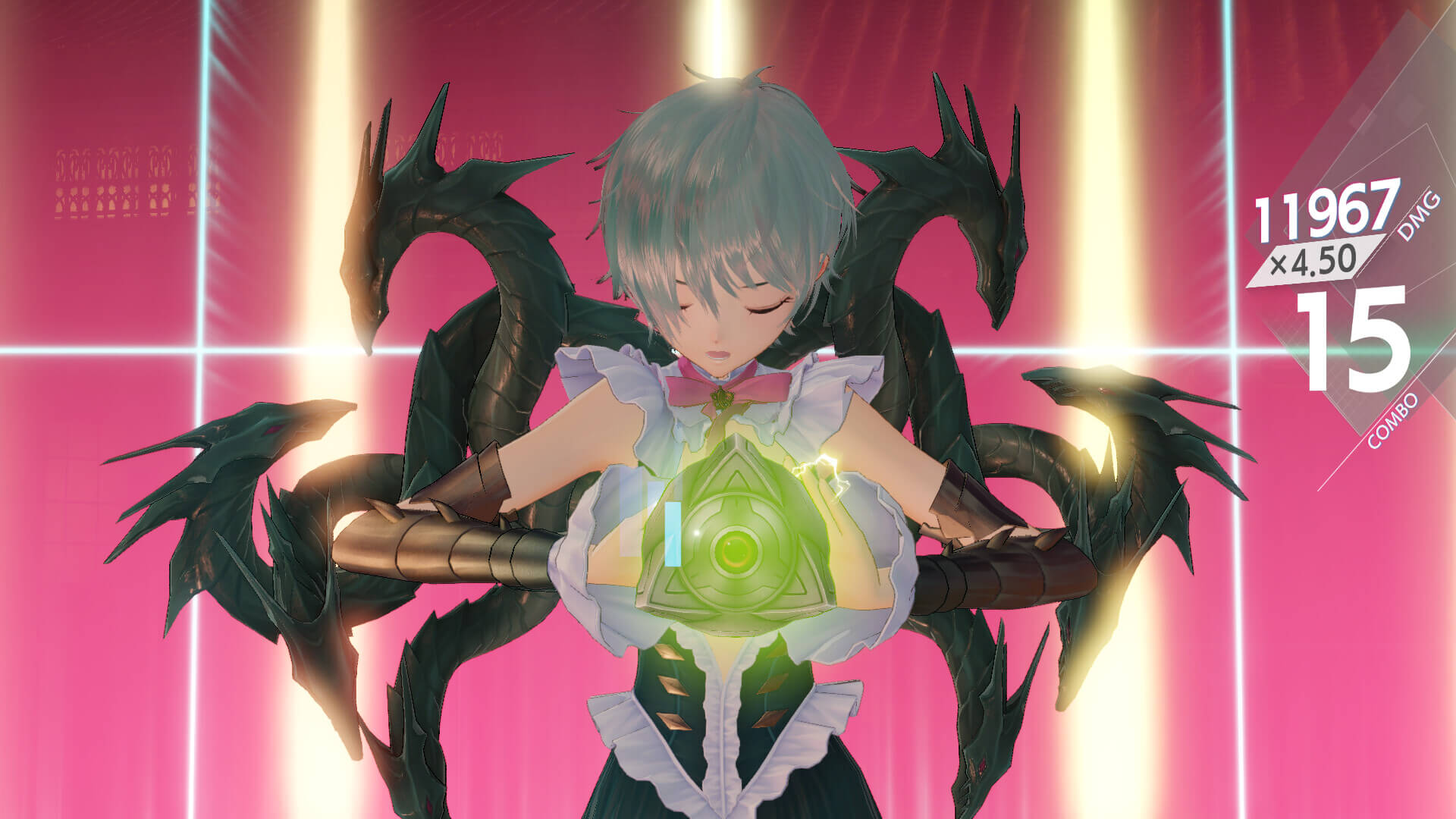
Playing the games as part of one collection also gave me something I wasn’t expecting. I got to see just how much the gameplay evolved. The original Blue Reflection is enjoyable, but it feels like the foundation for what comes later. Combat is turn-based and relatively straightforward, and while there are some fun ideas, I never felt like I was having to master a particularly complicated system.
That’s not necessarily a criticism. There’s something quite relaxing about the original game’s simplicity. But once I reached Second Light, the difference was obvious. Second Light is where the gameplay really clicked for me. Combat becomes faster and more involved, while the relationships and school-building elements give me plenty of things to do outside of battles. Spending time with the other characters isn’t just filler between story missions either. Those relationships actually feed into progression, which gave me a reason to engage with the social side of the game rather than simply rushing through it.
I also liked the sense of gradually building up the school and making the environment feel more like a home. It sounds like a small thing, but it helped reinforce the central idea of the story. These characters are trapped somewhere strange, but they’re slowly creating a life together.
The collection also adds some welcome quality-of-life improvements. Faster movement and combat, along with the ability to speed through certain events, made the older material much easier for me to get through.
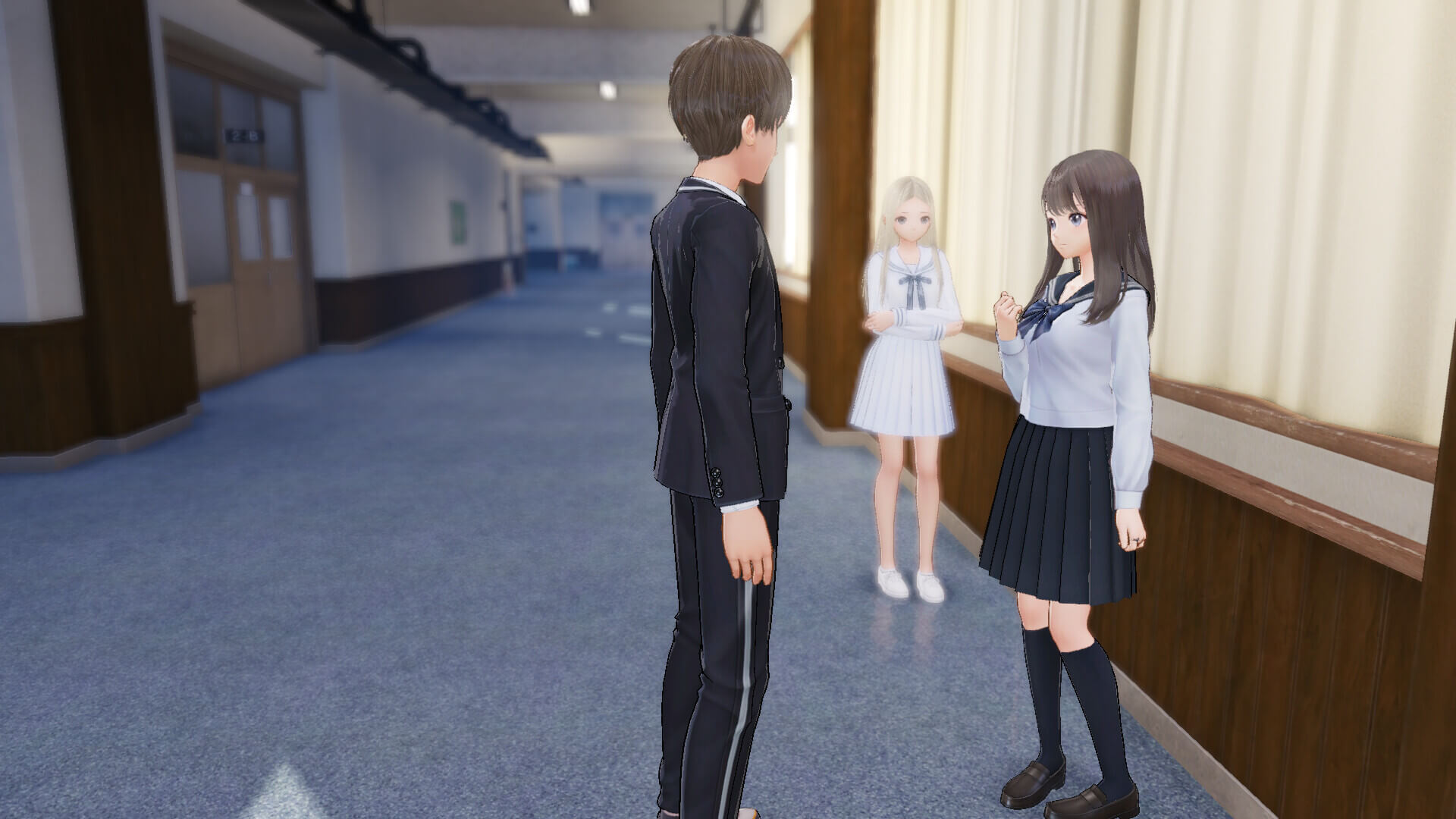
That’s particularly useful when you’re playing the games in sequence. Because while I enjoyed the original, I definitely noticed its age after spending more time with Second Light.
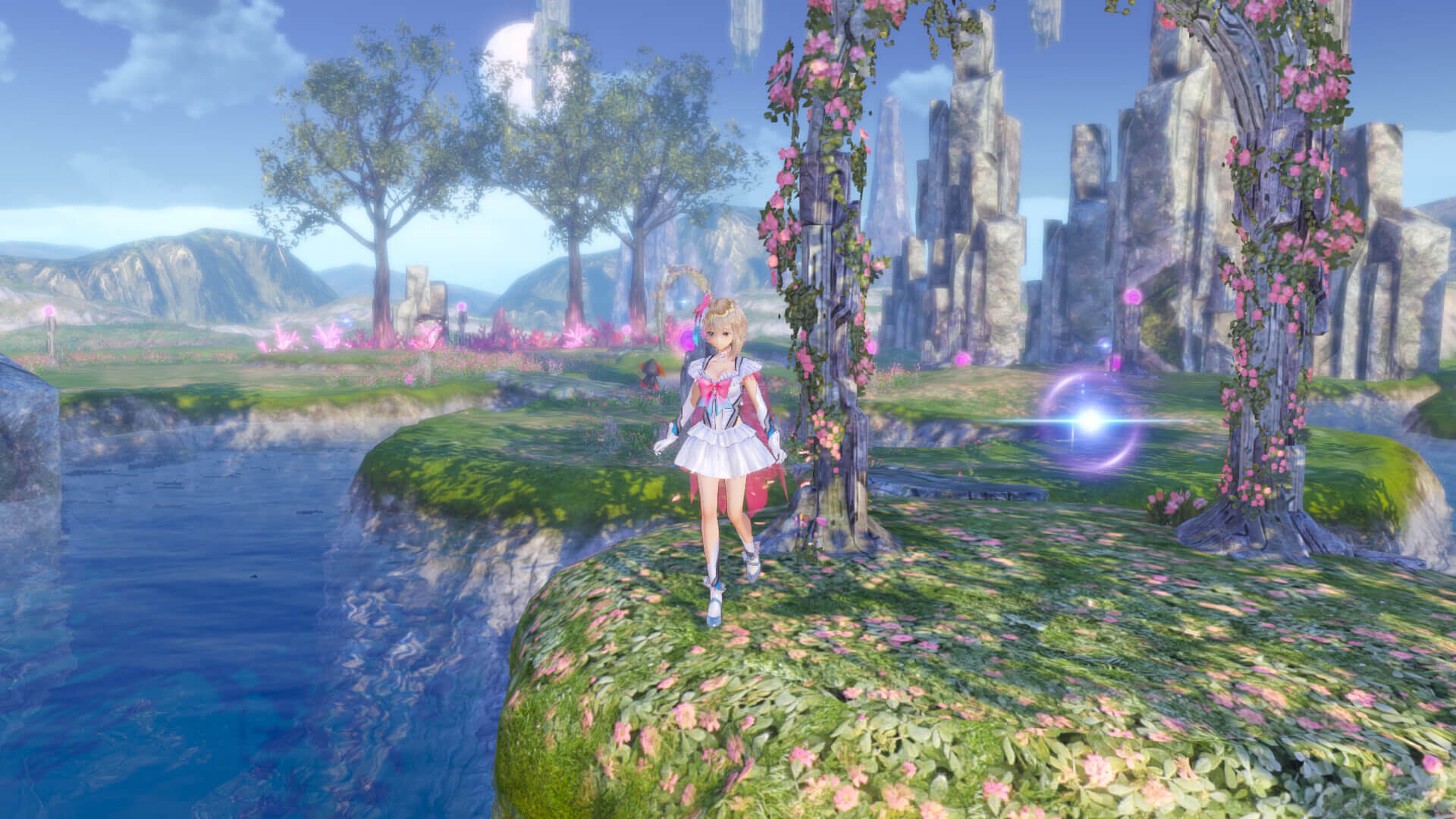
Visually, Blue Reflection Quartet has a very distinctive identity. It’s colourful without being overwhelmingly bright, and there’s a dreamlike quality to many of the environments. The contrast between the ordinary school settings and the much stranger fantasy worlds works particularly well.
The character designs are also a big part of the appeal. There’s a softness to the art style that suits the tone of the stories. Even when the games are dealing with some fairly serious subjects, there’s always this almost comforting visual quality to everything.
The original game obviously shows its age more than the later entries, but I actually found that interesting rather than distracting. Seeing the evolution from the first game into Second Light made the differences feel like part of the experience.
If anything, the soundtrack made an even bigger impression on me. I wasn’t familiar with the series going in, so I had no existing attachment to any of the music, but there were plenty of tracks that stuck with me. The quieter pieces fit the reflective character moments beautifully, while the more energetic battle music gives the combat a surprising amount of personality. It’s one of those soundtracks that helps define the identity of a game.
Coming into Quartet as a newcomer did make some of its problems more obvious. The biggest issue for me was the sheer amount of information being thrown at me. There are a lot of characters, relationships, terminology and story threads to keep track of. Because I didn’t have any previous knowledge of the series, there were definitely moments where I felt like I was missing some context.
The collection does try to help with this, and there are reference materials that provide information about the characters and world. I appreciated having that option, but it still doesn’t completely eliminate the feeling that I’m being dropped into an established universe.
I also think the experience can become repetitive if you try to play everything consecutively. There’s a certain rhythm to Blue Reflection. Explore, fight, return to the school, spend time with characters, advance the story, repeat. I enjoyed that rhythm, but even I started to feel it after a while.
For that reason, I wouldn’t recommend treating Quartet like one enormous 100-hour game that you need to rush through. Taking breaks between the different experiences probably makes more sense.
The original game in particular can feel quite basic once you’ve experienced the improvements made later in the series. But rather than making me dislike the first game, it actually made me appreciate Second Light more. I could see what Gust had learned from the earlier game and how those ideas had developed.
That’s probably what I appreciated most about Blue Reflection Quartet. As someone who had never played any of these games before, I didn’t feel like I was simply being handed four disconnected pieces of a franchise. Instead, I got to experience the different stages of what Blue Reflection became.
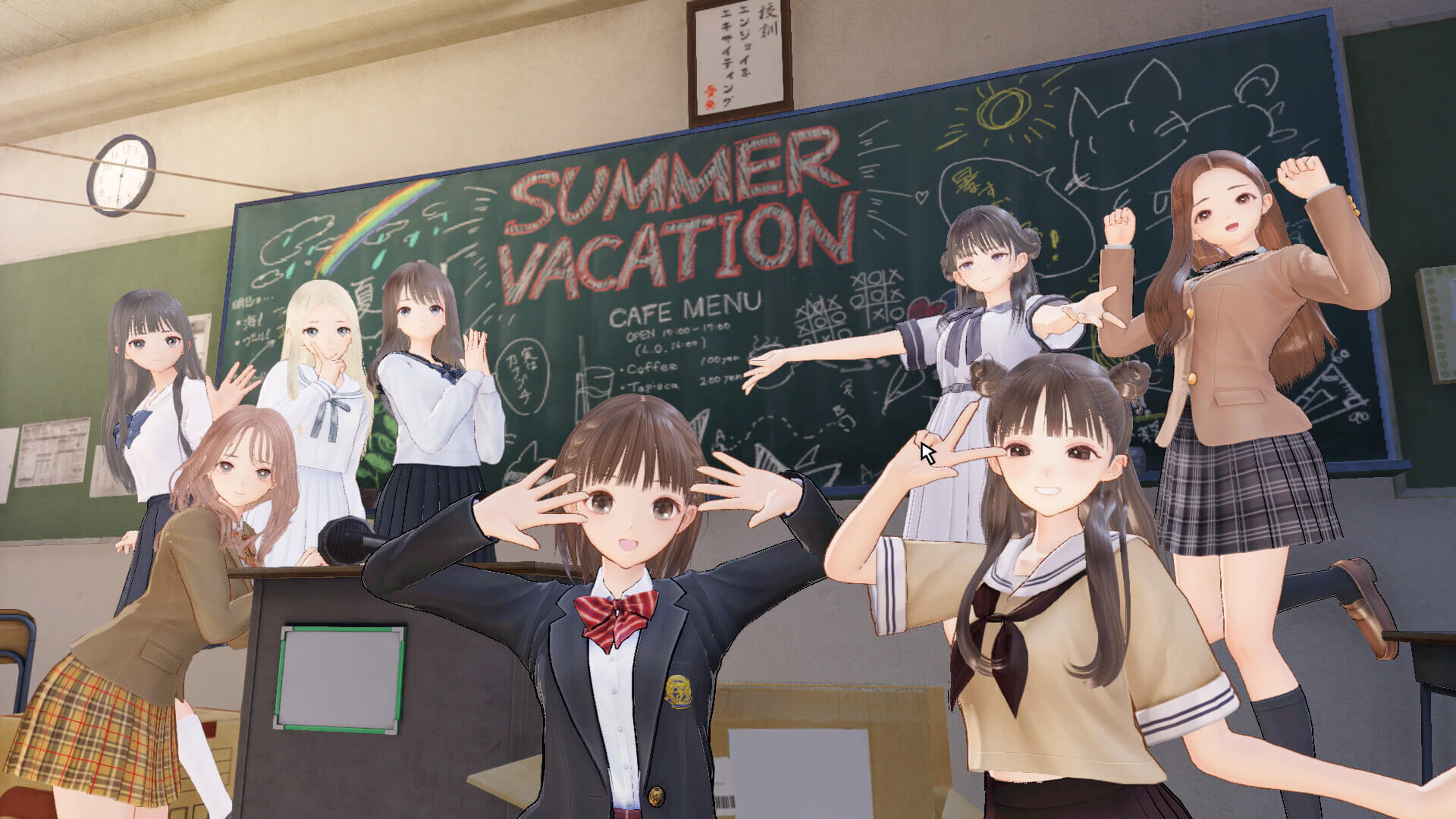
Some parts worked better than others, but that progression was genuinely interesting. The original Blue Reflection gave me the foundations. The Ray and Sun material expanded my understanding of the wider series, while Second Light showed me what I think is the best version of the Blue Reflection formula.
And because I came into it completely fresh, I never had the feeling that I was simply revisiting something I already knew. Everything was new. That made the collection feel like a bit of a discovery.
Blue Reflection Quartet isn’t going to be for everyone. The slow pacing, emphasis on character relationships and relatively relaxed approach to combat won’t appeal to players looking for a fast-moving or challenging JRPG. Some of the older material can also feel dated, particularly when compared directly with Second Light.
But for me, those shortcomings were outweighed by the personality of the series. There’s something quite comforting about Blue Reflection. It’s colourful, thoughtful and surprisingly emotional, and its characters are given enough time to become more than just members of a party.
Most importantly, I’m glad I experienced the series this way. Had I simply picked up one of the games on its own, I might never have understood what made Blue Reflection special. Playing Quartet gave me the opportunity to see the bigger picture and watch those ideas develop over time. As a newcomer, that’s exactly what I wanted from a collection like this.
Blue Reflection Quartet isn’t a perfect collection, but it’s a fascinating introduction to a series I completely overlooked the first time around. Its strongest moments come from its characters, atmosphere and soundtrack rather than its combat, and while the older games can show their age, seeing the series evolve makes the journey worthwhile.
If, like me, you’ve never played Blue Reflection before, Quartet is a surprisingly good place to start. Just don’t expect a traditional action-packed JRPG. This is a slower, more personal adventure about friendship, emotions and the people behind the magical-girl fantasy.
And after spending so much time with these characters, I came away from Blue Reflection Quartet with something I didn’t expect when I started. I actually want to see more of this world and really hope this collection is just priming people for a brand new entry on the way.
A PS5 review code was provided by the publisher for the purpose of this review.
If you want to see more content like this and never miss one of our frequent gaming and anime giveaways come and Follow Ani-Game on Twitter.
8
- + A great introduction to the series
- + Strong character writing
- + Beautiful presentation and soundtrack
- + Second Light’s improved gameplay
- - Some games feel dated
- - Uneven experience across the collection
- - A lot to take in and can get a bit repetitive