There’s something refreshing about seeing Game Freak step outside the shadow of Pokémon. For decades, the studio has been almost synonymous with Nintendo’s monster-catching series, but Beast of Reincarnation gives the developer an opportunity to show what it can do when it isn’t constrained by Poké Balls, gyms and turn-based battles. Developed by Game Freak as a major new action RPG, Beast of Reincarnation is a striking departure from the studio’s familiar territory, combining a bleak post-apocalyptic setting with exploration, challenging combat and a surprisingly intimate story about companionship and survival.
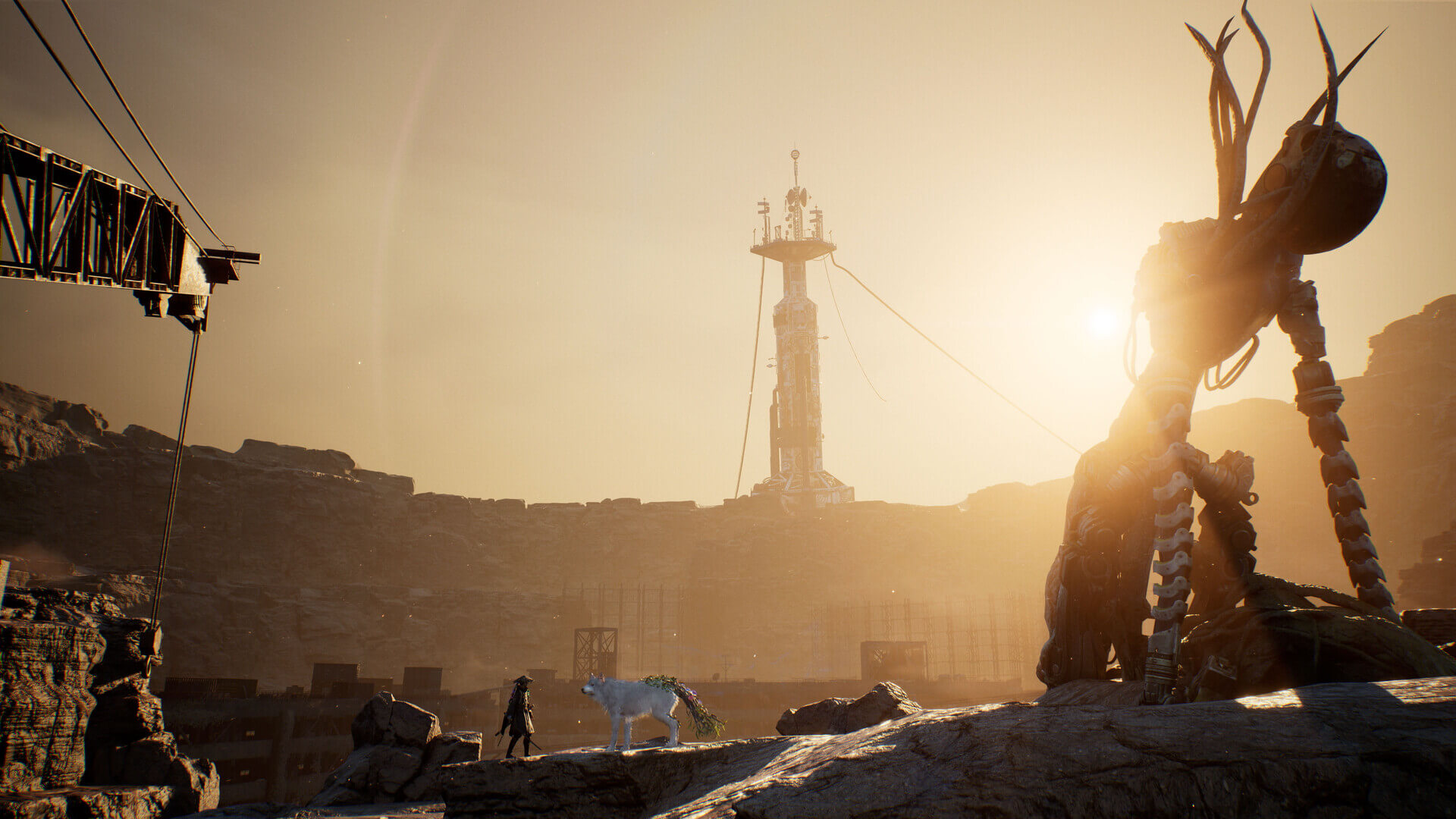
Jumping in, I was quickly drawn to the world. Beast of Reincarnation takes place in a Japan ravaged by a mysterious plague-like phenomenon, leaving much of the land abandoned and overgrown. Humanity has been pushed to the brink, and nature has reclaimed huge sections of the world. Forests swallow ruined structures, paths disappear into dense vegetation and strange creatures roam what remains of civilisation. It’s a desolate setting, but it isn’t simply bleak for the sake of being bleak. There’s a real beauty to the environments, particularly in the contrast between the destruction of humanity and the lushness of the natural world that has grown over it.
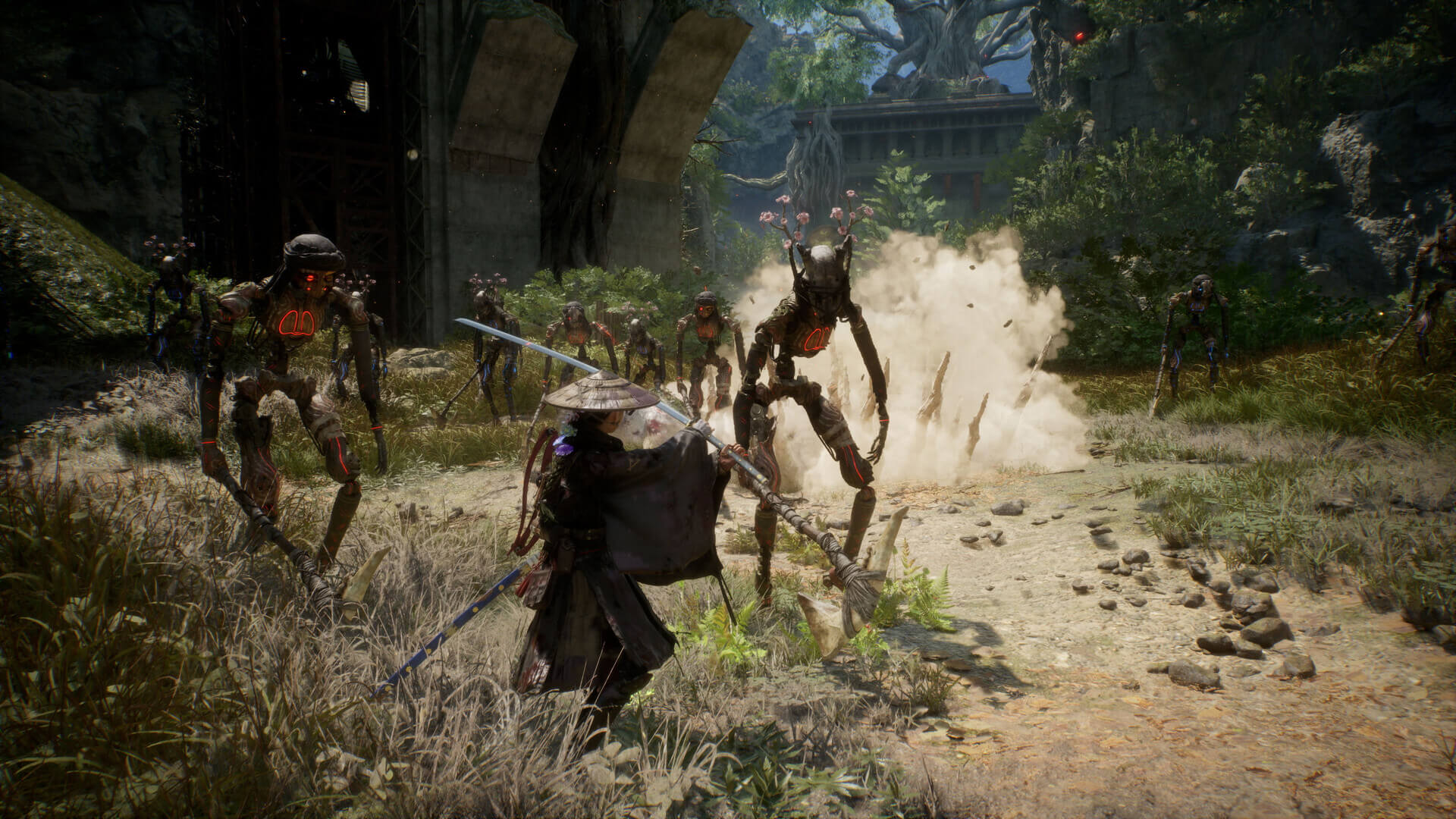
At the centre of this world is Emma, the game’s protagonist, and her canine companion Koo. Their relationship is easily one of my favourite parts of the experience. Emma is a capable and determined warrior, but she isn’t presented as some emotionless action hero. She carries the weight of the world around her, and her journey is driven as much by personal responsibility as it is by survival. Koo, meanwhile, is far more than a traditional companion character. He is an important part of both the story and gameplay, and the bond between the two develops naturally as the adventure progresses.
That relationship also gives the story an emotional centre. Emma and Koo spend much of the game travelling through a world that feels increasingly hostile and empty, and their reliance on each other makes their journey feel personal. Koo provides companionship in a setting where there often isn’t much of it, and the contrast between Emma’s reserved personality and Koo’s presence works particularly well. Their relationship gives the game some warmth without undermining the bleakness of its setting.
The main story revolves around Emma’s attempt to find a way to confront the forces responsible for the ruined state of the world and prevent further destruction. The exact details are best experienced firsthand, but the basic premise gives the adventure a clear sense of purpose. I always understood why Emma was moving forward, and the story steadily introduces new locations, mysteries and characters that kept me interested.
That sense of forward momentum feeds directly into the main gameplay loop. I would head out from a central hub, explore a new area, fight the creatures and enemies occupying it, discover resources and upgrades, tackle larger encounters and eventually work towards a major objective or boss. I’d then return to the hub, speak to characters, improve my equipment and prepare for the next expedition. It’s a familiar action-RPG structure, but Beast of Reincarnation executes it well enough that I rarely felt like I was simply going through the motions.
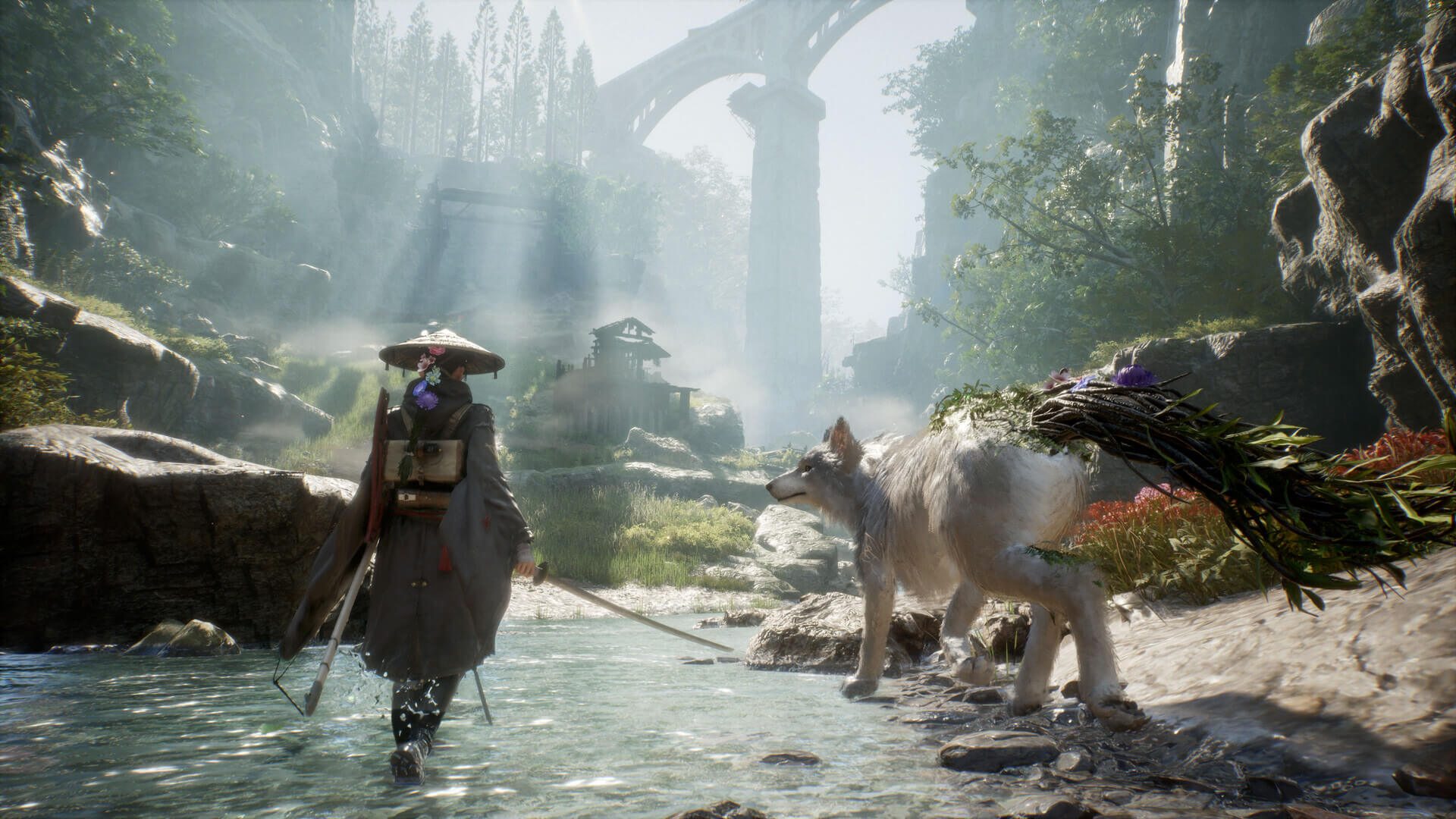
Exploration is particularly enjoyable. The world isn’t completely open in the traditional sense, but the individual areas give me enough freedom to wander off the main path and investigate what I can find. There are hidden resources, optional encounters and environmental details that reward curiosity. I liked how the game encourages me to pay attention to my surroundings rather than simply following a waypoint from one objective to the next.
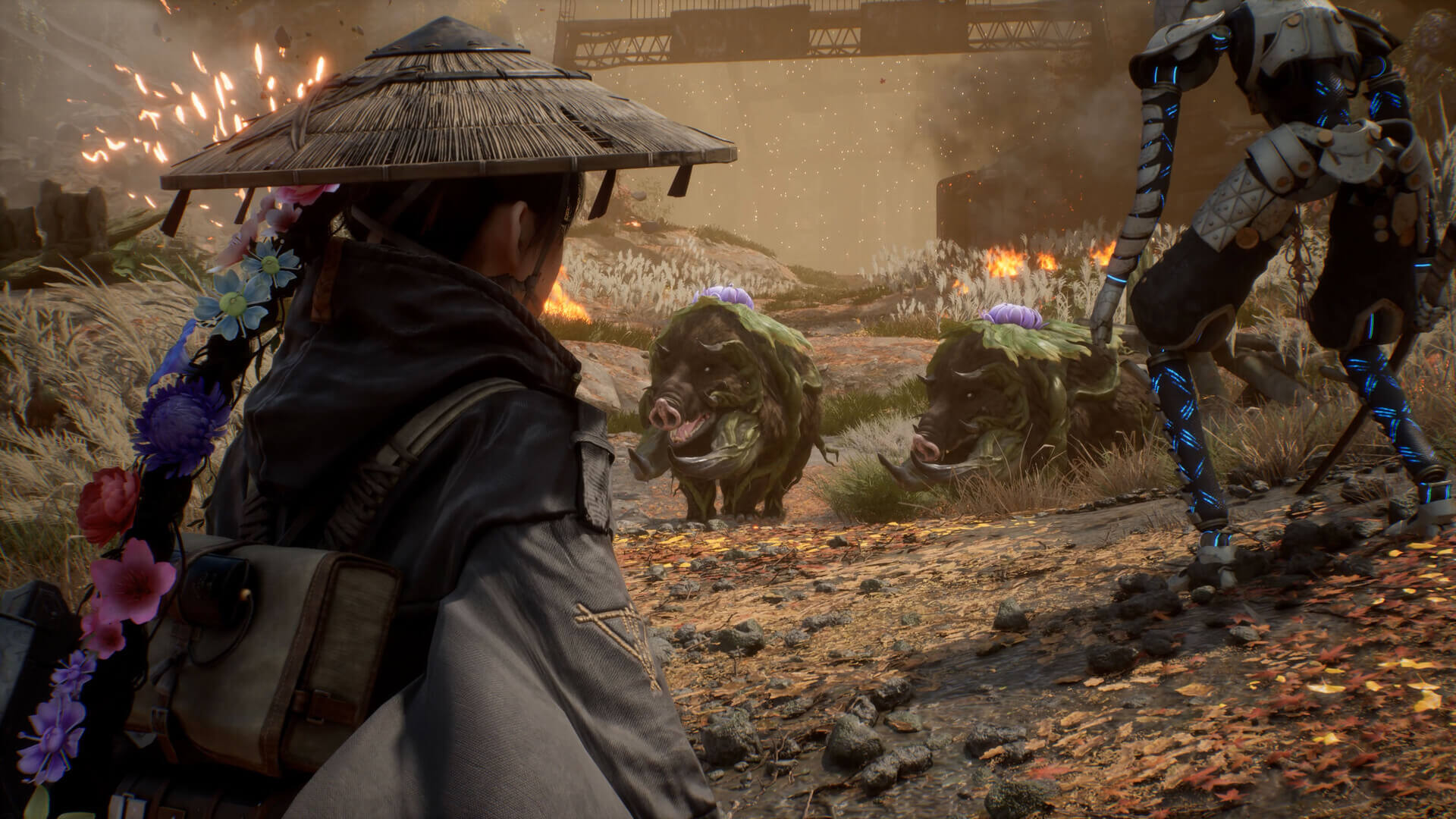
The combat is where Beast of Reincarnation really establishes its identity. Battles are fast, responsive and built around understanding enemy behaviour rather than simply hammering away at an attack button. Emma has a variety of attacks and abilities, while Koo plays an important role in combat and can help create openings against tougher enemies.
There’s a satisfying rhythm to fights once I became comfortable with the systems. Dodging, positioning, timing attacks and recognising enemy patterns all matter, particularly against stronger opponents. The game also gives you a range of upgrades that gradually expand Emma’s capabilities. As I progressed, I could improve Emma’s abilities and develop my combat options, making her feel noticeably stronger without completely removing the challenge.
Progression is handled in a way that makes exploration worthwhile. Resources collected during expeditions can be used to improve equipment and abilities, while other rewards give you additional reasons to explore areas thoroughly. I enjoyed the sense that almost every trip into the wilderness had the potential to contribute to my overall progression.
The bosses are another highlight. These encounters pushed me considerably harder than the standard enemies, and I enjoyed having to figure out what each one was asking of me. Some demanded careful positioning, while others required me to recognise attack patterns and make better use of Emma and Koo’s abilities. There were moments when a boss initially felt overwhelming, only for the fight to become much more manageable once I understood its mechanics. Those victories were some of the most satisfying moments in the game.
Back at the hub, there’s more to do than simply upgrade and leave again. I can interact with other companions, learn more about the people travelling with Emma and take part in smaller activities such as growing plants, cooking food and managing resources. These systems aren’t necessarily the reason I would play Beast of Reincarnation, but they give the hub a greater sense of purpose. After spending time wandering through an empty and hostile landscape, returning somewhere populated by familiar characters provides a welcome change of pace. I do wish these systems were more deeply integrated into the gameplay loop or story as it’s a component of the game that can be largely ignored and I think it had the potential to provide a richer experience, especially given the state of the world. Having time dedicated to surviving and building rapport with characters going through the same thing seems like a perfect fit.
The soundtrack also deserves recognition. There are several particularly memorable tracks that establish the tone of the game extremely well. The music knows when to be subdued and atmospheric and when to become more dramatic, helping reinforce both the loneliness of the setting and the intensity of the combat. I found myself remembering certain musical themes after finishing sections of the game, which is always a good sign.
Visually, Beast of Reincarnation is an impressive looking game. I especially liked the creature designs, which have a distinctive and sometimes unsettling quality. The combination of natural forms, corruption and strange mutations gives many of the enemies a memorable appearance. The lush environments are another standout. Dense vegetation, ruined structures and detailed environments create a strong sense of place, while the character models have a level of detail that helps the cast feel convincing within this world.
There are, however, areas where I think the game could have been better. The pacing can occasionally feel uneven, particularly when the game moves between its more exciting combat and exploration sequences and slower story sections. Some systems also feel like they could have been developed further. The hub activities are welcome, but I sometimes wanted them to have a greater impact on the wider adventure rather than feeling like optional distractions.
I also found some repetition in the broader gameplay loop. Heading out, fighting enemies, collecting resources, returning to the hub and repeating the process is enjoyable for a while, but the structure can become predictable and I was waiting to see if there would be any major changeups to the formula as the game progressed through it’s acts, but it never really had significant diversions from what had been established. A greater variety of activities and more significant changes to the world as the story progressed could have helped keep the middle portions of the adventure feeling fresher.
I did also encounter some minor performance problems and times where I was fighting with the game’s camera, though a patch was rolled out during my review period that largely addressed the issues, so it’s good to see measures are already being taken to improve the experience.
Even with those criticisms, I came away from Beast of Reincarnation impressed by what Game Freak has attempted here. It’s a confident step into a genre that is very different from Pokémon, and it demonstrates that the studio is capable of creating a world, combat system and cast that can stand on their own.
What I liked most was the combination of atmosphere and companionship. The world is lonely, ruined and dangerous, but Emma and Koo give the journey a genuine emotional core. The combat provides enough depth to make progression satisfying, exploration rewards curiosity, the bosses offer some excellent challenges and the presentation gives the entire adventure a distinctive identity.
Beast of Reincarnation isn’t perfect, and I think some of its supporting systems and pacing could have benefited from more refinement. But I’d much rather see Game Freak take a few risks like this than remain exclusively within the Pokémon formula. This is an ambitious new direction for the studio, and for the most part, it works. Beast of Reincarnation offers a beautiful, strange and often challenging adventure that proves Game Freak has plenty more to offer when it steps outside its most famous series.
A PS5 review code was provided by the publisher for the purpose of this review.
If you want to see more content like this and never miss one of our frequent gaming and anime giveaways come and Follow Ani-Game on Twitter.
8
- + Fun and challenging combat system
- + A world with striking visuals
- + Boss encounters and creature designs
- + A big leap for the Game Freak team that mostly succeeded
- - Core gameplay loop does get repetitive
- - Uneven pacing
- - Didn’t utilise the systems from the Walker Hub as deeply as they could have