When the Yakuza series first kicked off back in 2005, I don’t think anyone expected it to become the long running, ever-evolving saga it is today. What started as a gritty crime drama set in the neon soaked streets of Kamurocho has grown into one of gaming’s most consistent storytelling machines. The remake cycle began in 2017 with Yakuza Kiwami, a full rebuild of the original game. That was followed by Yakuza Kiwami 2, and now we’re at the third entry in the cycle with Yakuza Kiwami 3 & Dark Ties on PS5.
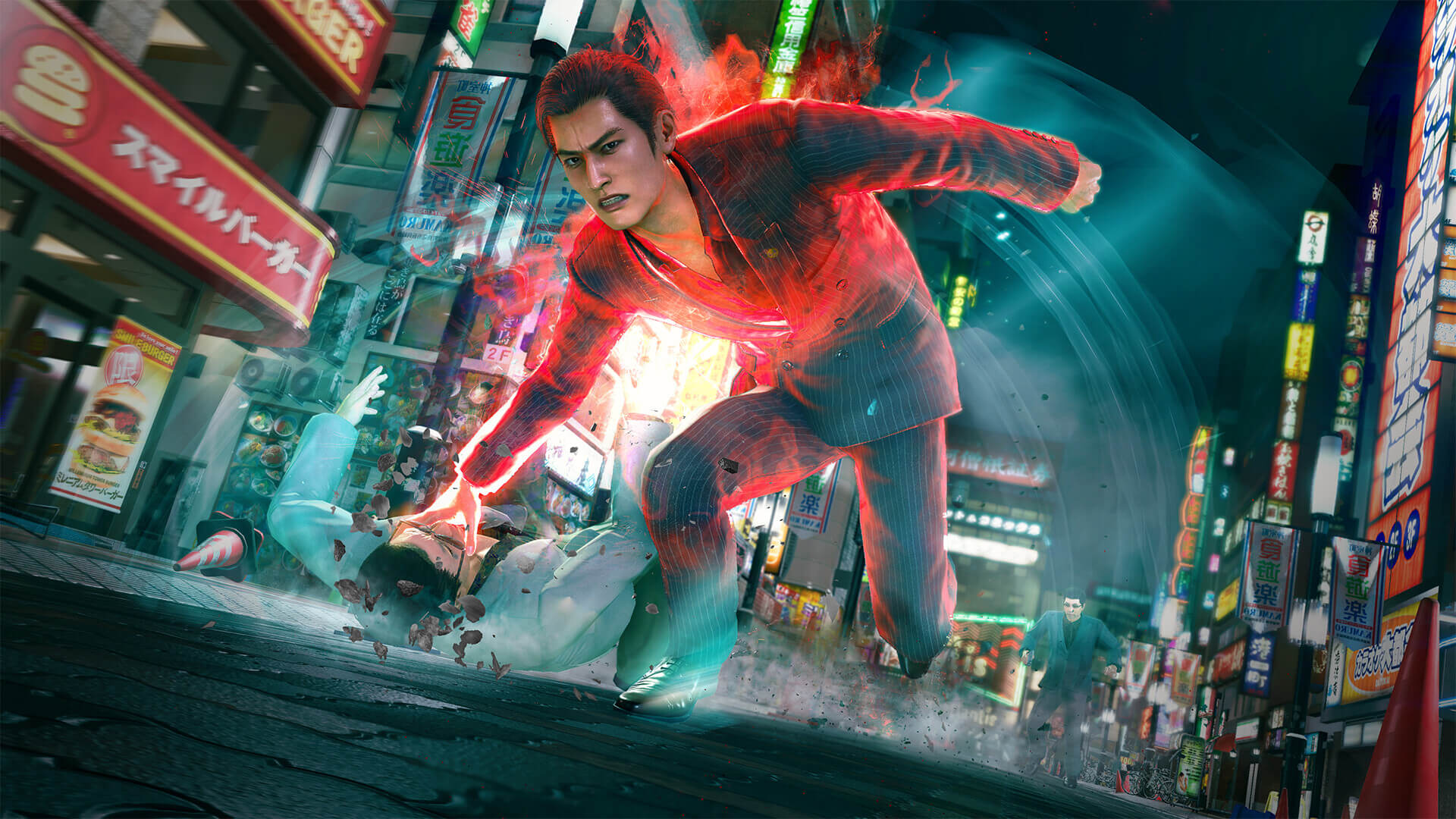
At first, I wasn’t convinced this one needed a remake. The original Yakuza 3 didn’t feel that old in my head. Then I realised it’s been over 15 years. Time really does fly. In an era where some games get remade within a decade, it actually feels overdue. Seeing it rebuilt for modern hardware and brought to more platforms makes it accessible to a whole new wave of players. And this isn’t just a straight visual upgrade. The developers have taken the chance to rework certain events and introduce a brand new story component, Dark Ties, which adds even more context to the overall narrative.
You’re back in the polished shoes of Kazuma Kiryu, still trying to distance himself from the criminal underworld that refuses to let him go. This time, he’s running the Morning Glory orphanage in Okinawa. That shift alone changes the tone dramatically. Instead of the familiar neon glow of Kamurocho, you’re greeted by sunny beaches, quiet streets, and a slower pace of life. Okinawa feels like a breath of fresh air for the series. It’s bright, colorful, and calm, at least on the surface.
Kiryu’s new role as caretaker adds a lot of heart to the story. Watching him interact with the kids is genuinely touching. He’s awkward at times, overly serious at others, but always sincere. It’s in these smaller moments, helping with homework, settling arguments, or figuring out how to pay the bills, that his character grows. He’s more than a legendary yakuza figure. He’s a father figure, a mentor, and someone trying desperately to build something pure in a life that’s been anything but.
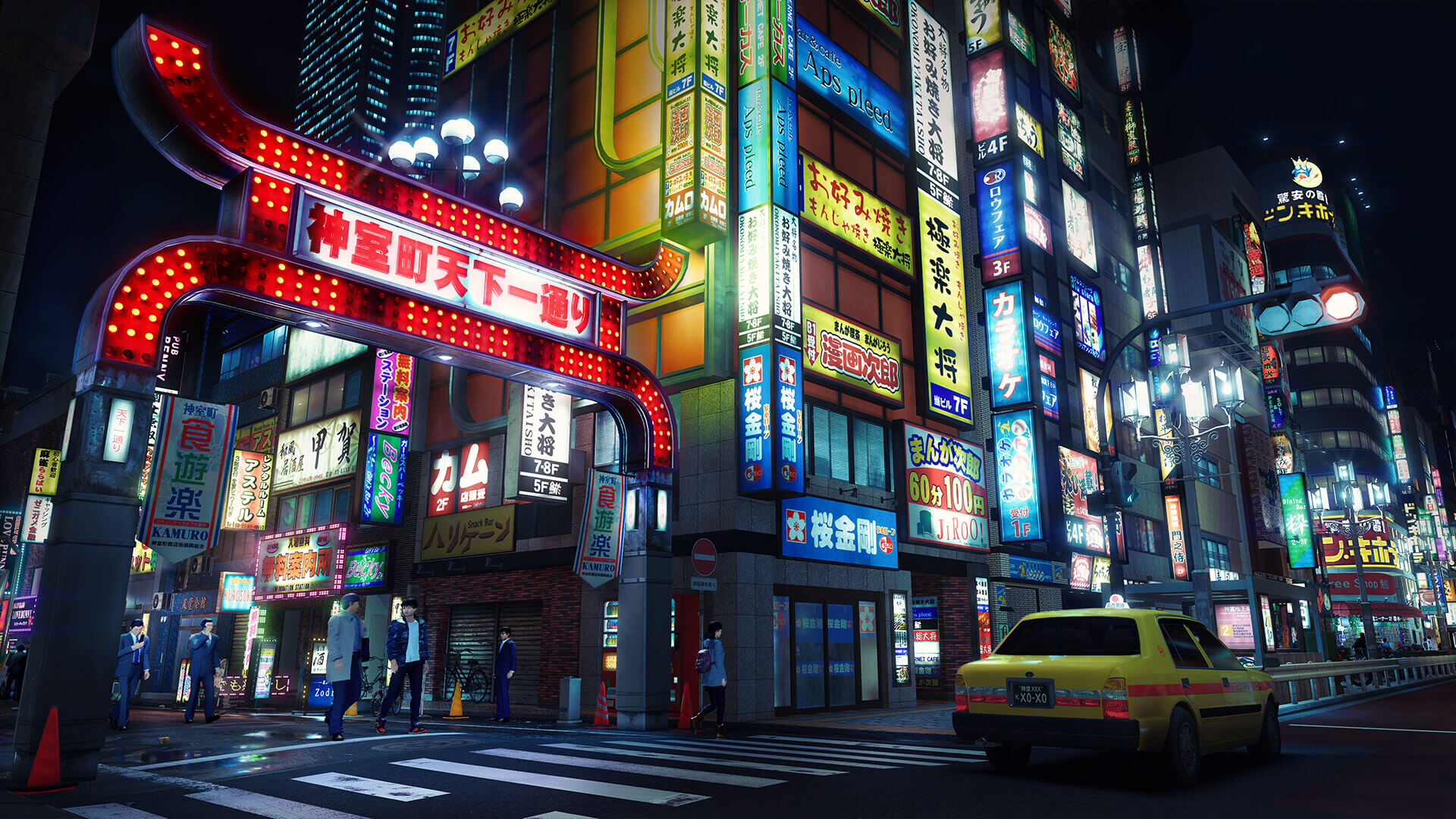
I really appreciated the mini-games centered around developing the orphanage. They’re simple, but they give weight to Kiryu’s new responsibilities. You’re not just checking boxes. You’re investing time into these kids. It reinforces what’s at stake when the outside world inevitably intrudes. Because, of course, it does. Land disputes, political corruption, and familiar faces from the Tojo Clan pull Kiryu back into conflict. The story largely follows the same beats as the original release, but certain scenes have been reimagined or tightened up. Some of those changes feel small now, but I’m very curious how they’ll ripple forward if we see a Kiwami 4.
The substories have also been trimmed down compared to the PS3 version. Back then, there was a fair bit of filler clearly designed to pad out the experience. Here, the extra fat has been cut. There are fewer substories overall, but they’re better paced and more memorable. I never felt bogged down by busywork. When I took a break from the main narrative, it felt meaningful rather than mandatory.
Combat is where the remake makes one of its biggest improvements. The original Yakuza 3 had a clunky system that hasn’t aged well. Enemies blocked constantly, and fights could drag, and targeting and animations felt stiff. Kiwami 3 brings the combat in line with the more fluid systems we’ve seen in recent entries. Kiryu’s classic Dojima style is here, heavy-hitting and powerful, but it’s complemented by a brand new Ryukyu style.
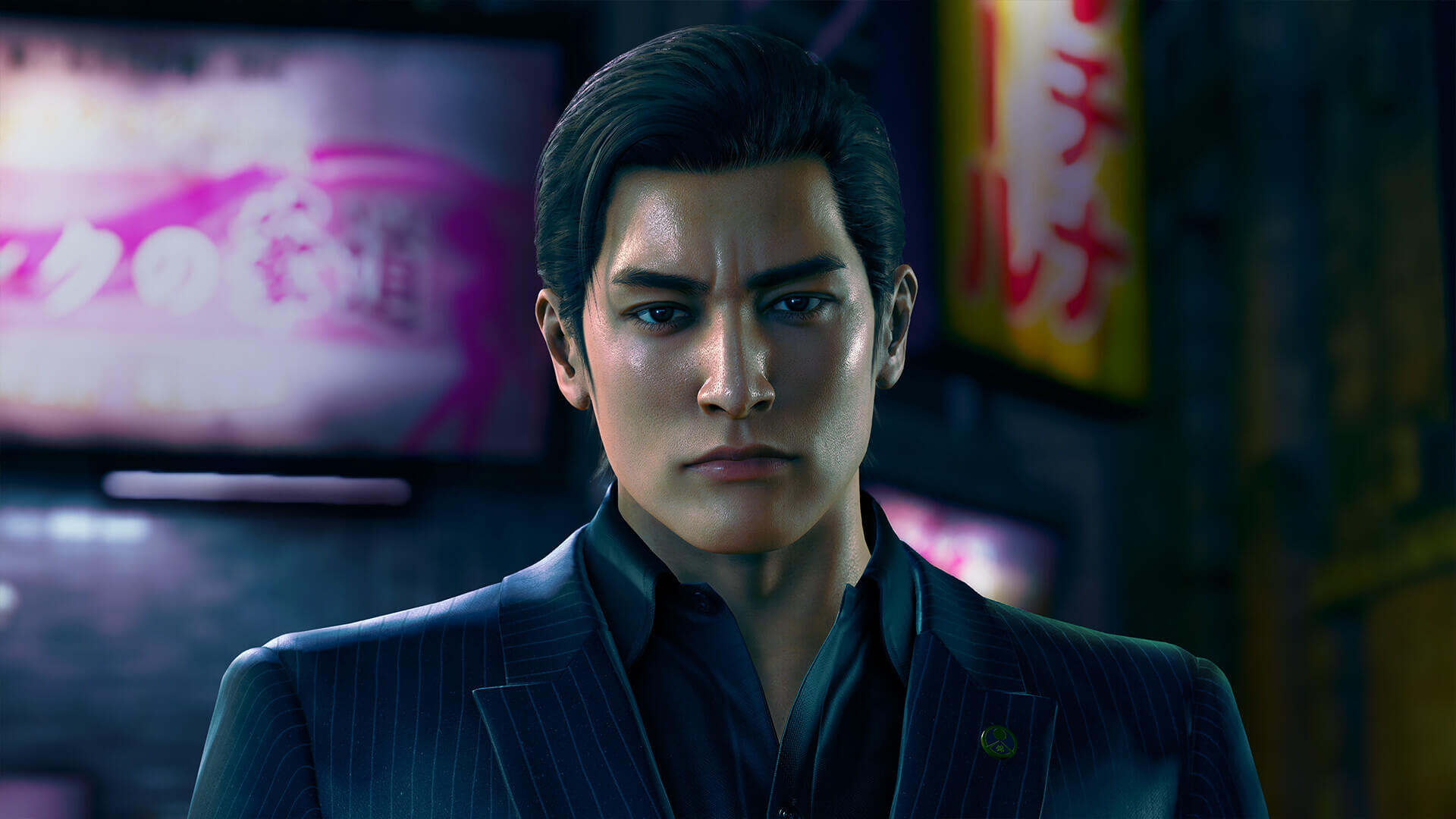
Ryukyu style focuses on faster movement and weapon based attacks. It’s especially effective in crowd control situations. I found myself switching to it whenever I was surrounded by groups of enemies. There’s a flow to it that feels modern. New moves can be unlocked gradually through specific subplots, which gives you a reason to explore side content. By the end of the game, I had a solid mix of brutal heat actions and agile combos at my disposal. It feels like a meaningful evolution rather than a simple update.
Then there’s Dark Ties, the biggest addition to this package. This brand new prequel story puts you in control of Yoshitaka Mine. Instead of being a side figure in Kiryu’s journey, he becomes the central focus. Dark Ties runs about five to six hours, depending on how much you explore, and it’s much more focused. There are fewer distractions. Less time spent on mini games. The pacing is tighter focussed here on purpose.
Playing as Mine feels different. He’s more calculating and less restrained. His combat style leans into precision and aggression, with abilities that reward careful timing. Narratively, the prequel explores his motivations and the circumstances that led him to join the yakuza. It adds nuance to moments in the main story that originally felt more straightforward. By the time the credits rolled on Dark Ties, I found myself reevaluating certain scenes from the main campaign. That context alone makes it worth playing.
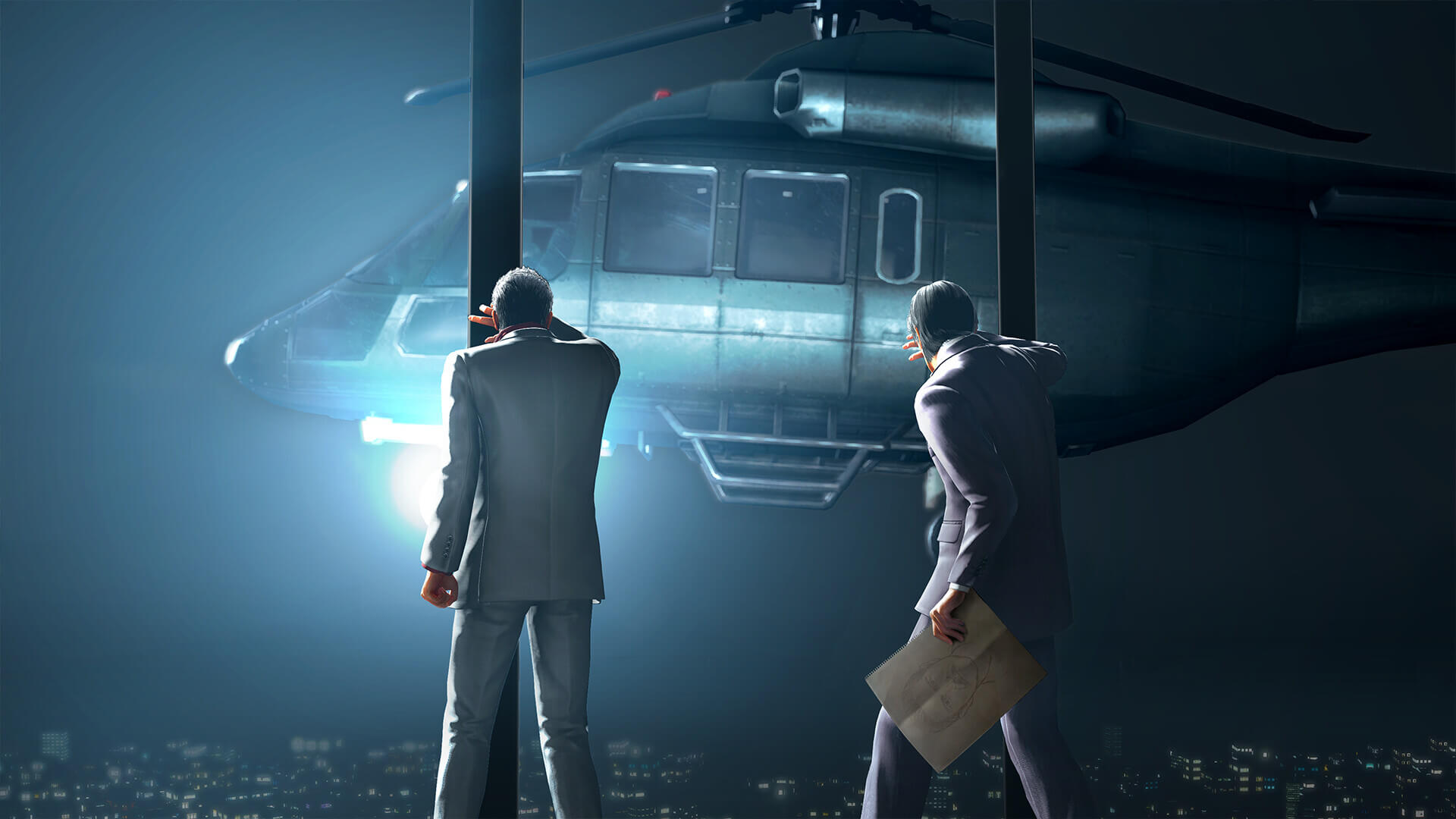
On the presentation side, the PS5 upgrade is solid but not flawless. Load times are near instant, and performance is smooth. However, some character models and animations show their age. You can tell this is built on older foundations. Faces during emotional scenes don’t always match the quality we’ve seen in more recent entries. It’s not immersion breaking, but it stands out.
The game offers both Japanese and English voice tracks. I know the dub debate can get heated, but I genuinely enjoyed the English performances here. They feel natural and well directed. That said, having the original Japanese voices available is important, and I’m glad the option is there for purists.
If I had one major criticism, it’s the pacing at the beginning. The opening hours take their time setting up the orphanage life and political tensions. While I appreciate the character building, it could have been streamlined a bit more. Other parts of the remake show a willingness to trim excess, so it’s noticeable when the introduction drags.
Still, once the story gets moving, it really moves. The emotional stakes climb steadily, and by the final act, I was fully invested. The blend of quiet domestic moments and explosive yakuza drama is uniquely this series. Few games can shift from heartfelt conversations with children to bone crunching street fights without feeling disjointed, but Yakuza manages to pull it off.
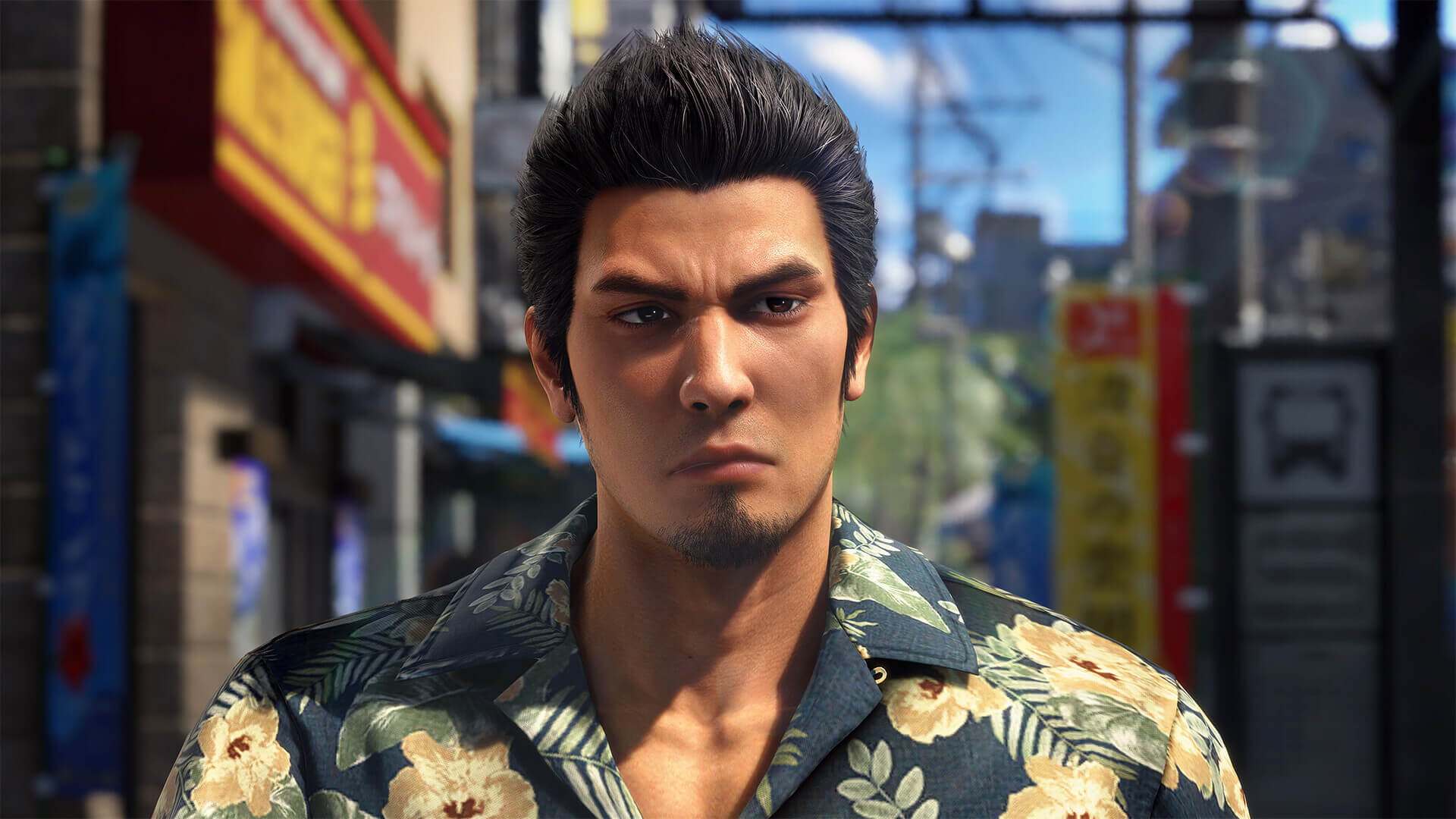
In the end, Yakuza Kiwami 3 on PS5 feels like more than a nostalgia play. It’s a thoughtful reimagining of a pivotal chapter in Kiryu’s life. The Okinawa setting adds variety. The combat overhaul fixes long standing issues. Dark Ties deepens the narrative in meaningful ways. It’s not perfect. Some visuals lag behind modern standards, and the early pacing could be tighter. But as a complete package, it’s compelling.
Revisiting this chapter reminded me why I care about Kiryu in the first place. He’s not just a legendary gangster. He’s a man constantly trying to outrun his past while protecting the people who matter most. Kiwami 3 captures that struggle beautifully, and Dark Ties enriches it further. For longtime fans and newcomers alike, this remake earns its place in the series’ legacy.
A PS5 review code was provided by the publisher for the purpose of this review.
If you want to see more content like this and never miss one of our frequent gaming and anime giveaways come and Follow Ani-Game on Twitter.
8
- + Great to see a new layer of depth for Kiryu
- + The new locations provide a breath of fresh air
- + Still plenty of side content with the pacing improved
- + A new prequel story that doesn’t overstay it’s welcome
- - Character models and animations do show their age at times
- - Story pacing is still slow to kick things off