I’ll be upfront. Otome games are not usually where I spend my time. I’ve always appreciated visual novels, especially ones that lean hard into strong writing, memorable characters, and stories that are willing to take risks, but romance focused titles often fall just outside my comfort zone. Still, Temirana: The Lucky Princess and the Tragic Knights caught my attention. The name alone hints at something darker and more layered than a straightforward love story, and once I learned it leaned heavily into narrative choice and character-driven drama, I was curious enough to give it a shot.
I’m glad I did. While Temirana doesn’t completely reinvent the visual novel formula, it tells a thoughtful, emotionally grounded story that slowly reveals more depth than its initial setup suggests. It’s a game that asks for patience early on, but rewards it with meaningful choices, strong character arcs, and a surprising amount of replay value.
The story itself has a strong hook and does a good job of establishing its world and central conflict. In Temirana, a person’s status and even their profession are dictated by the month they’re born into, and from the moment the princess enters the world, she’s marked as an anomaly. Branded the “Cursed Princess” due to the birthmark on her forehead, she’s pushed out of the castle and forced to live in isolation, far from her family and the life she should have had. As her birthday approaches, everything begins to shift when she attends the Helis Duelm, a dueling tournament where she witnesses five men glowing with an intense, unfamiliar light. This isn’t danger, as she’s been warned, but something else entirely. Trusting her unusual gift, the princess brings these men together to form her own order of knights, setting the stage for a story that blends fate, choice, and looming tragedy.
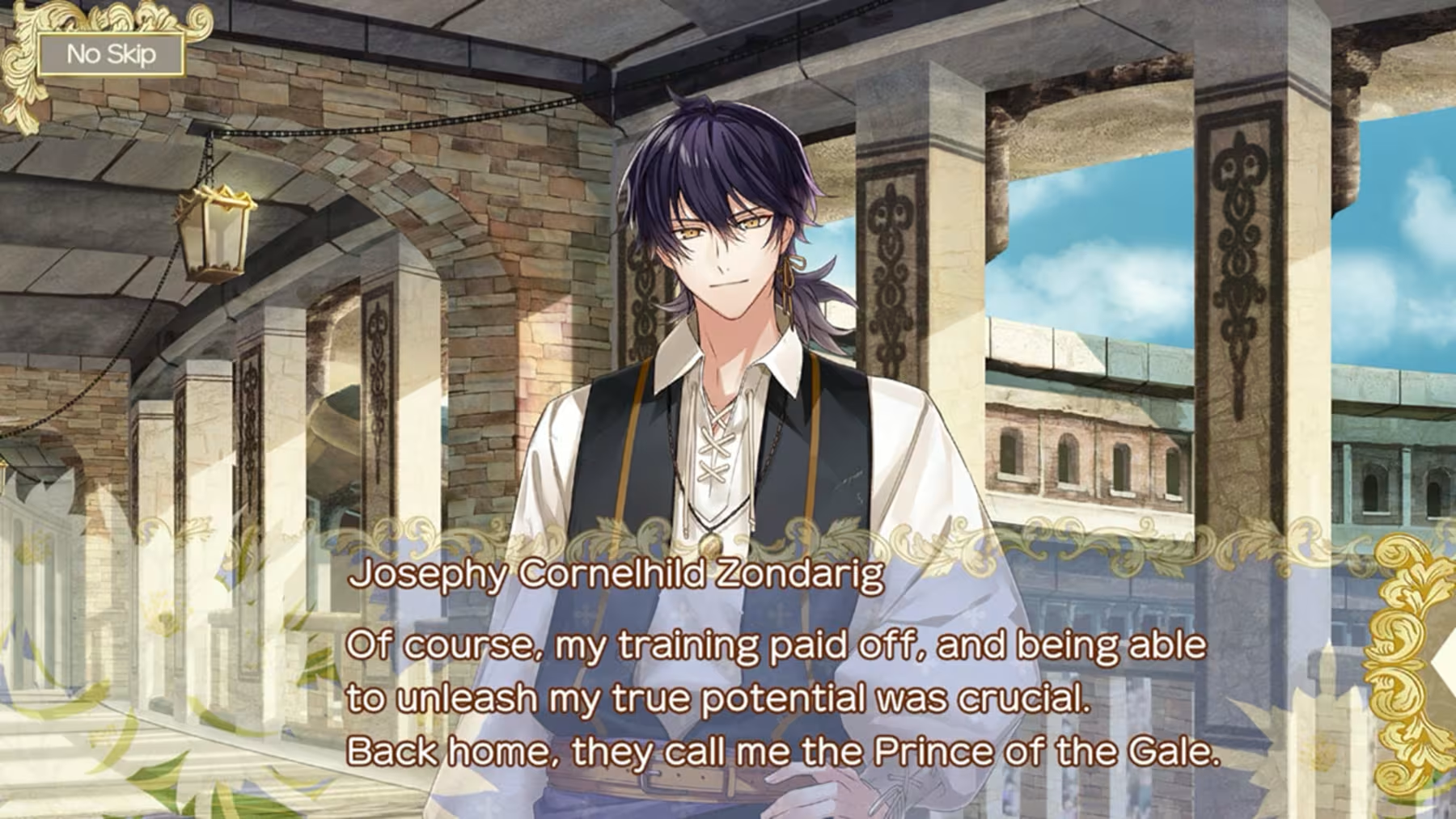
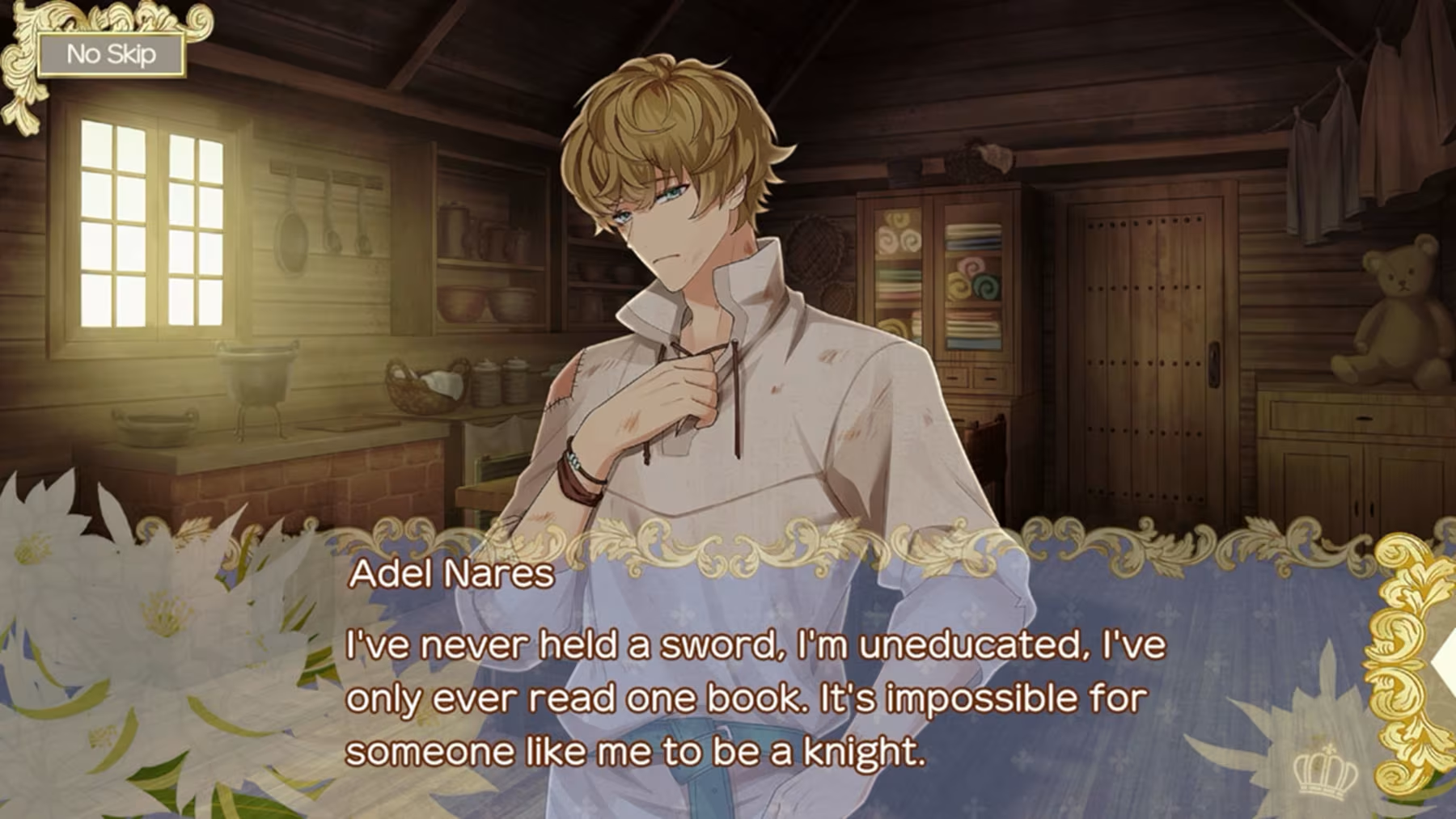
Each of the five knights falls into a clear archetype, but the game does a solid job of giving them distinct personalities beyond their surface roles. Some are seasoned fighters, others are complete novices with little interest in knighthood at all, and their clashing attitudes create a lot of the story’s early friction. What helps balance the darker themes is the game’s frequent use of light comedy. Sharp banter, awkward situations, and small character moments are sprinkled throughout, giving you time to breathe between heavier story beats. Even as the narrative edges toward tragedy, these humorous threads keep the tone from becoming overwhelmingly grim, making the characters feel more human and their eventual struggles hit harder as a result.
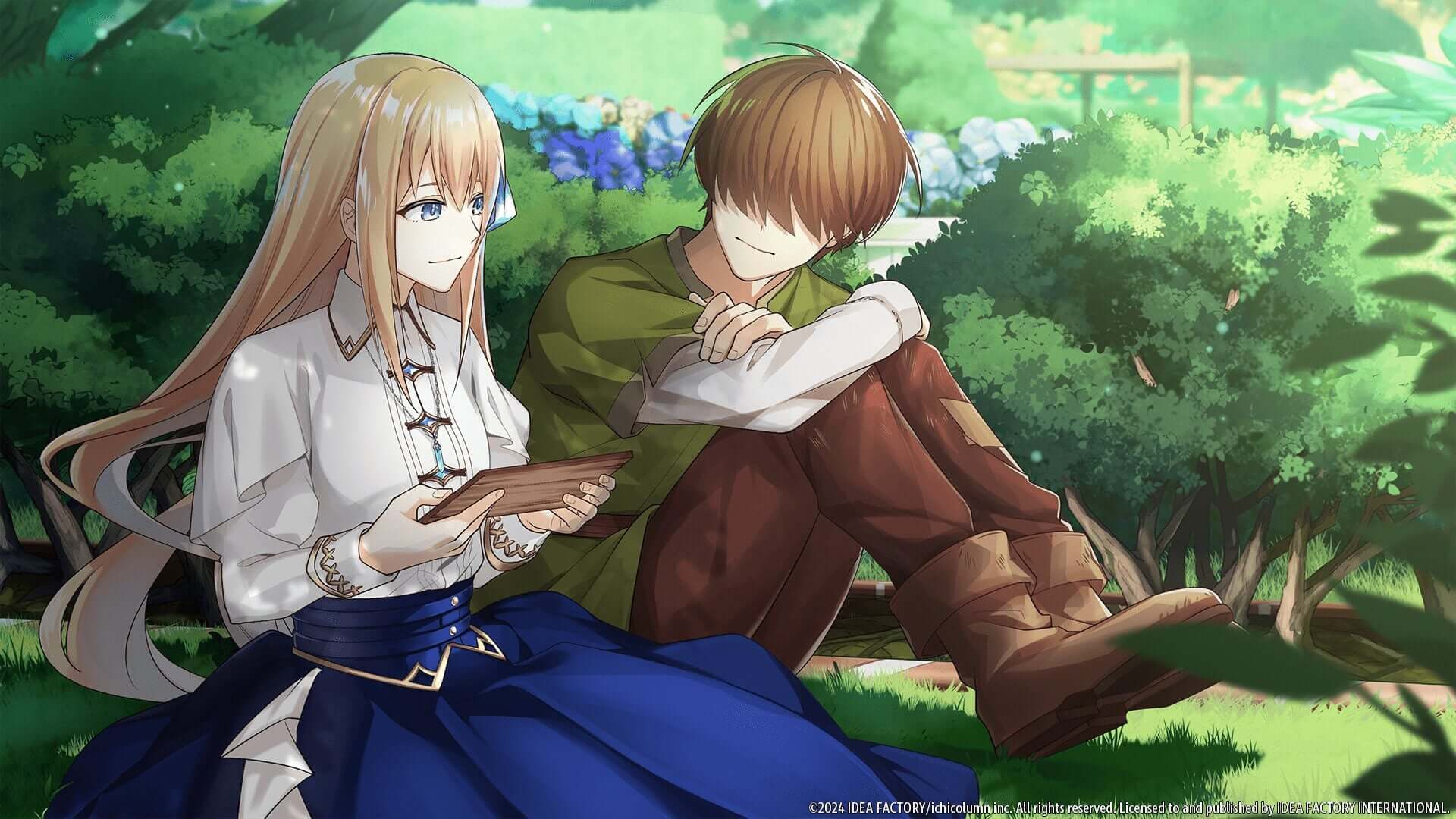
From the outset, the premise does a good job of setting a somber tone. Cecilia is not a carefree princess waiting for romance. The knights, too, feel more grounded than typical archetypes. They are not just romantic interests but characters wrestling with guilt, duty, trauma, and loyalty. As the story unfolds, the relationships between Cecilia and each knight deepen in different ways depending on the route you pursue, and those differences matter.
Gameplay-wise, Temirana sticks closely to classic visual novel structure. You read, make choices at key moments, and watch the story branch accordingly. There’s no traditional exploration or puzzle solving here, but the choices you make do shift the narrative. Some decisions subtly influence character affinity, while others can drastically alter the direction of the story. The game makes it clear when a choice is significant without spelling out its consequences.
One of the most engaging aspects of the game is how those decisions shape the narrative. This is not a visual novel where choices feel cosmetic. The story can take sharp turns based on how you respond to certain situations, who you support, or how Cecilia chooses to confront her fate. Some routes lean more heavily into political drama, others into personal tragedy or emotional intimacy. A few genuinely surprised me, especially when the game wasn’t afraid to let things end on bittersweet or even bleak notes.
That said, the writing does take its time getting going. The opening hours are slow, focused on world-building, introductions, and establishing the rules of Cecilia’s curse. While this groundwork is important, it can feel drawn out, especially for players eager to see the story move forward. I found myself wishing the early chapters had a bit more urgency. Once the narrative momentum picks up, though, the writing becomes much more compelling. Character interactions gain nuance, dialogue sharpens, and the emotional stakes rise in a way that makes the slower start feel more justified in hindsight.
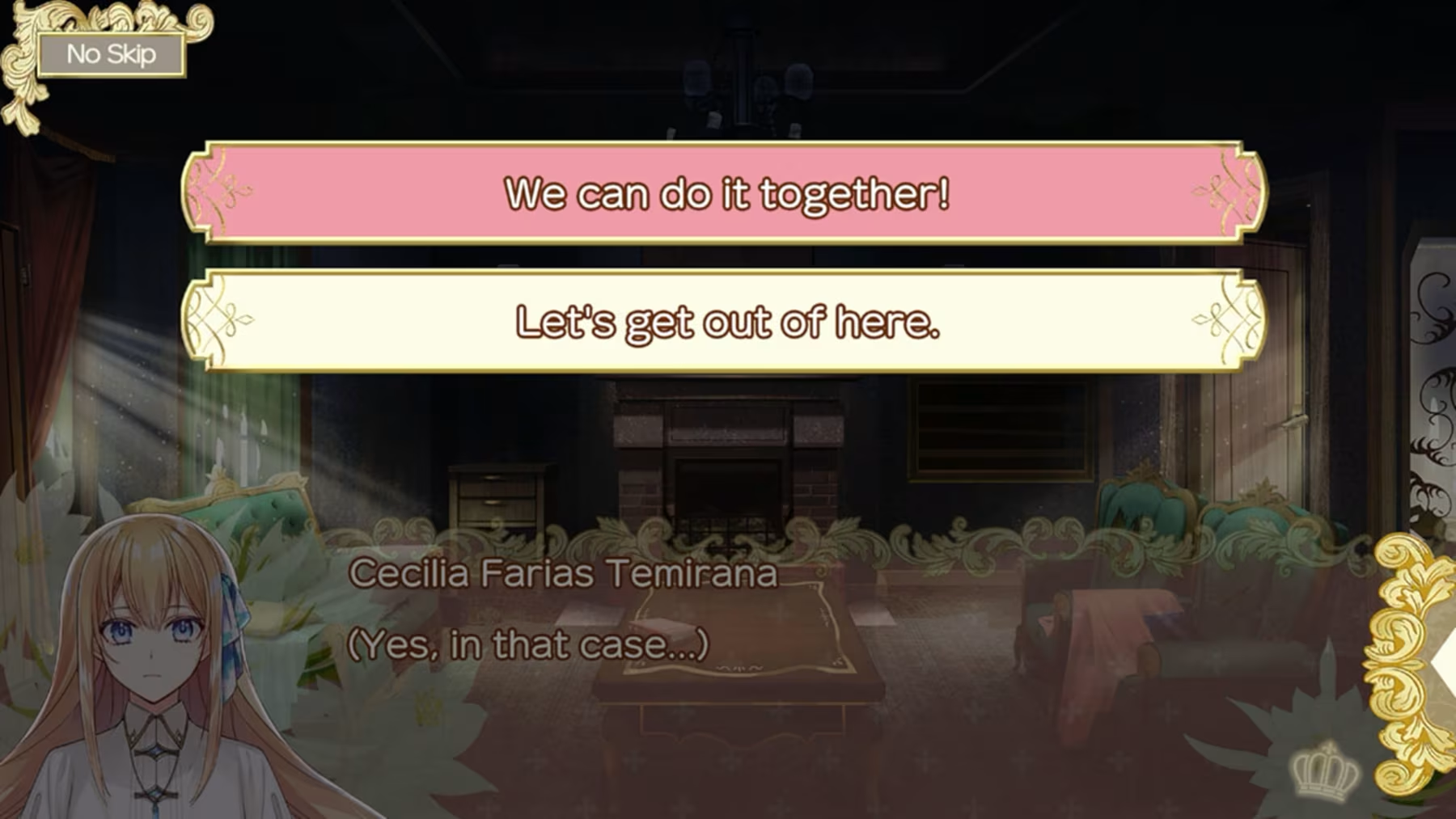
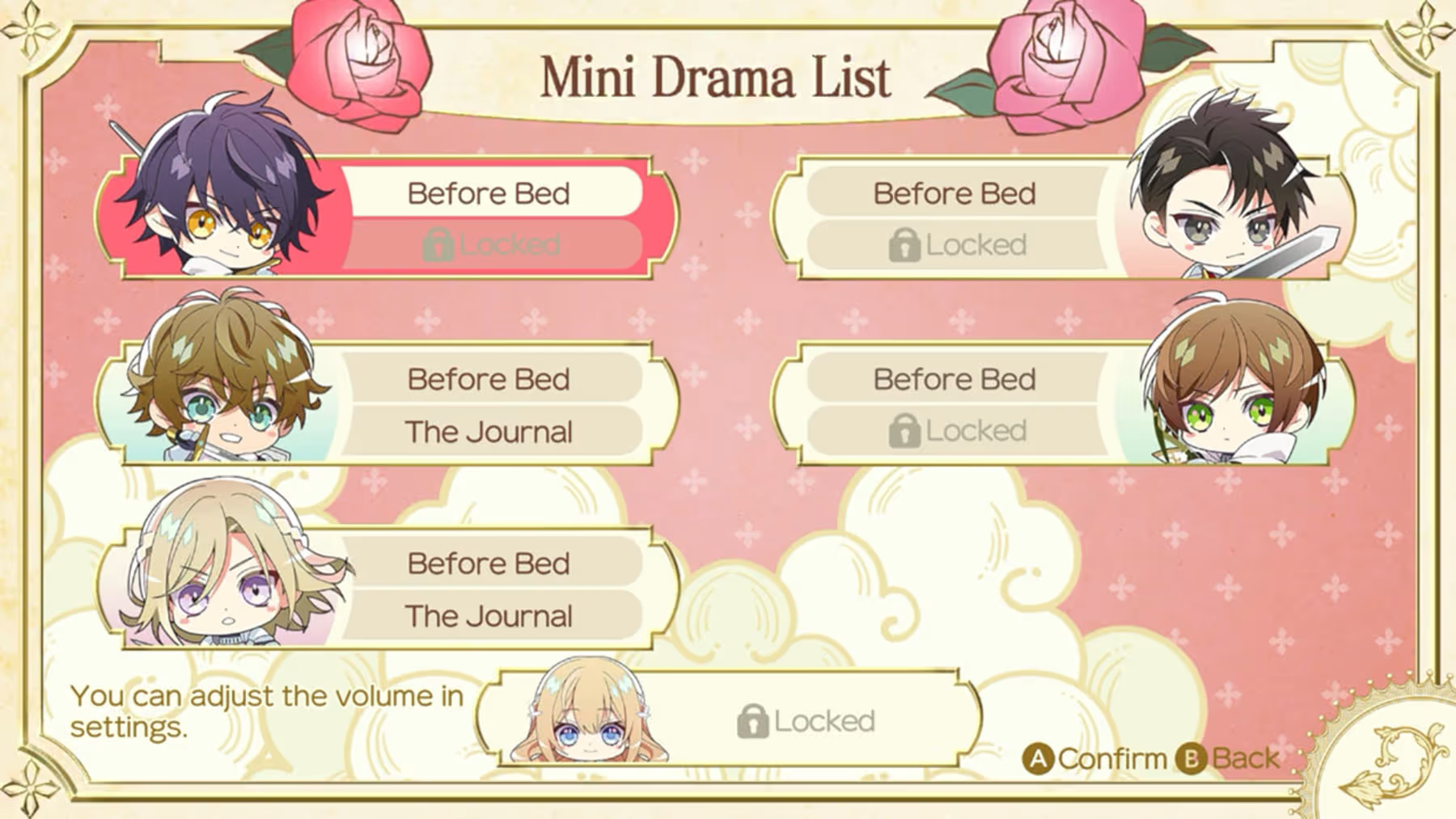
The route structure is where Temirana really shines. Each knight has a distinct storyline that explores different themes and outcomes. There’s a surprising amount of content here, and the game encourages replaying without making it feel like a chore. Skipping previously read text is easy, and seeing how small decisions lead to entirely different scenes or endings makes revisiting the story feel worthwhile. If you enjoy uncovering every narrative thread in a visual novel, there’s a lot to dig into.
Visually, the game is consistently appealing. Character designs are expressive and detailed, with strong use of color and subtle visual cues that help convey emotion. The CG artwork, in particular, stands out during key moments. These scenes are well-composed and often carry significant emotional weight, making them feel earned rather than gratuitous. Backgrounds are varied enough to keep things visually interesting, and the overall art style fits the tone of the story nicely.
Performance on Nintendo Switch is solid across the board. The game runs smoothly with no noticeable technical issues, which isn’t surprising given the genre, but it’s still worth noting. The Switch feels like an ideal platform for Temirana. Its portable nature makes it easy to play in short bursts, read a few scenes, make a couple of choices, and then put it down. It’s the kind of game that fits neatly into a daily routine without demanding long, uninterrupted sessions.
Music plays a subtle but important role in shaping the atmosphere. The soundtrack isn’t overly flashy, but it does a good job of reinforcing the mood of each scene, whether that’s quiet introspection, tension, or melancholy. Themes repeat just enough to feel familiar without becoming repetitive. One area where I felt something was missing, though, was voice acting. While the Japanese voice work is solid, I would have loved the option for an English dub. Given how character-driven the story is, having that option could have added another layer of immersion, especially for players who prefer to focus entirely on the dialogue without reading.
Despite how much I enjoyed Temirana, it’s not without its flaws. Pacing remains the biggest issue. Some routes feel better balanced than others, and there are moments where scenes linger longer than they need to. A bit of trimming or tighter editing could have helped maintain momentum. Additionally, while the choices are meaningful, the game doesn’t always clearly communicate how close you are to locking into a specific route, which may frustrate players trying to pursue a particular ending without a guide.
In the end, Temirana: The Lucky Princess and the Tragic Knights surprised me. It took a genre I don’t usually gravitate toward and delivered a story that felt thoughtful, emotionally grounded, and worth my time. Its strengths lie in its characters, its branching narrative, and its willingness to explore heavy themes without shying away from difficult outcomes. While the slow start and occasional pacing issues hold it back from being truly exceptional, the overall experience is a strong one.
It’s a visual novel that rewards patience, encourages replaying, and tells a story that lingers after the screen fades to black. If you’re a fan of narrative-driven games, even if otome titles aren’t usually your thing, this is one that’s worth checking out.
A Nintendo Switch review code was provided by the publisher for the purpose of this review.
If you want to see more content like this and never miss one of our frequent gaming and anime giveaways come and Follow Ani-Game on Twitter.
8
- + An interesting plot setup and world
- + Good character designs and character writing
- + Visually pleasing visuals and UI
- + A soundtrack that complements the whole experience well
- - Pacing is a bit slow in the beginning of the story
- - Some routes are unbalanced compared to others