I’ve been a fan of the Resident Evil series for as long as I can remember. Growing up in the original PlayStation era, it was one of those defining franchises that shaped how I saw video games. I still remember the tension of those early titles, the awkward tank controls, the fixed camera angles, and the constant fear of what might be waiting around the next corner. Over the years I’ve stuck with the series through every high and low, and I can confidently say I’ve played every mainline entry Capcom has released.
So when I finally sat down with Resident Evil Requiem, it felt like another major milestone for a series that has constantly reinvented itself.
After the incredible return to form that came with Resident Evil 7: Biohazard, Capcom has spent the last several years rebuilding the Resident Evil brand with confidence. Between excellent remakes and strong new entries, the franchise has felt revitalised. Requiem acts as the ninth mainline entry in the series, but more importantly it feels like a celebration of everything Resident Evil has been over the decades. It pulls together different gameplay styles, references long-time lore, and manages to feel both nostalgic and fresh at the same time.

One of the most interesting things about Resident Evil Requiem is its narrative structure. Instead of having separate A and B campaigns like the classic Resident Evil 2, the story here constantly shifts between two playable characters as the chapters progress.
On one side you play as Grace Ashcroft, a character new to the series. Grace is an investigator sent to examine a strange incident that quickly spirals into something far more dangerous than she expected. Early in the story she’s tasked with tracking down evidence related to a mysterious organisation and uncovering what happened in a building that seems to have been quietly abandoned.
As Grace begins digging deeper, she finds herself tangled in a web of conspiracies, biological experiments, and secrets that reach far beyond her initial mission. She’s determined and intelligent, but she’s also clearly out of her depth at the beginning of the game. That vulnerability gives her sections a very different tone compared to the rest of the story.
Running parallel to Grace’s investigation is the return of one of the franchise’s most beloved characters, Leon S. Kennedy. Leon’s storyline intersects with Grace’s gradually, and the way their narratives weave together is one of the things that kept me invested throughout the campaign.
Leon arrives with a very different skill set and perspective. He already knows the horrors the Resident Evil world can unleash, and he’s far more prepared to deal with them. Watching how the two protagonists approach the same crisis from different angles makes the story feel layered and dynamic.
Gameplay is where Resident Evil Requiem really shines. It captures what I consider the two defining sides of the Resident Evil franchise. Grace’s sections lean heavily into survival horror. They’re slower, more deliberate, and often extremely tense. You spend a lot of time creeping through dark hallways, listening for movement, and trying to decide whether it’s smarter to hide or fight. Her limited weapon selection early on makes every encounter feel risky.

There are several sequences where you’re being hunted through tight environments, and those moments brought back the kind of anxiety I remember from the earliest games in the series. You’re constantly aware that you don’t have many resources, and wasting ammo can come back to haunt you later.
The puzzles also play a big role in Grace’s segments. Resident Evil has always used puzzles to control pacing, and Requiem continues that tradition with some clever designs. Many of them involve examining objects, interpreting clues found in documents, or unlocking mechanisms that open up entirely new parts of the map.
What I appreciated most was how satisfying the solutions felt. None of the puzzles seemed unfair, but several made me stop and think for a while before the answer clicked. Solving them often unlocks shortcuts or new areas, which reinforces that classic Resident Evil loop of exploring, learning the layout, and gradually mastering the environment.
When the perspective shifts to Leon, the game’s tone changes noticeably. His sections still include horror elements and tense moments, but they lean much more toward action. Leon has access to a much larger arsenal and a wider set of combat abilities, which means you’re encouraged to engage enemies more aggressively.
There’s a real sense of empowerment when you step into Leon’s shoes after spending time struggling through Grace’s survival focused sections. Suddenly you’re experimenting with different weapons, setting traps, and taking on larger groups of enemies with confidence.
This contrast works incredibly well. Grace’s early chapters are some of the most intense survival horror moments I’ve played in the series. She genuinely feels vulnerable. But as the story unfolds over the few days it takes place in, she gradually becomes more capable. Her arsenal grows, her confidence improves, and you can feel the character evolving alongside the player. By the end of the game she’s far more capable than the person you started with, and that progression feels earned.
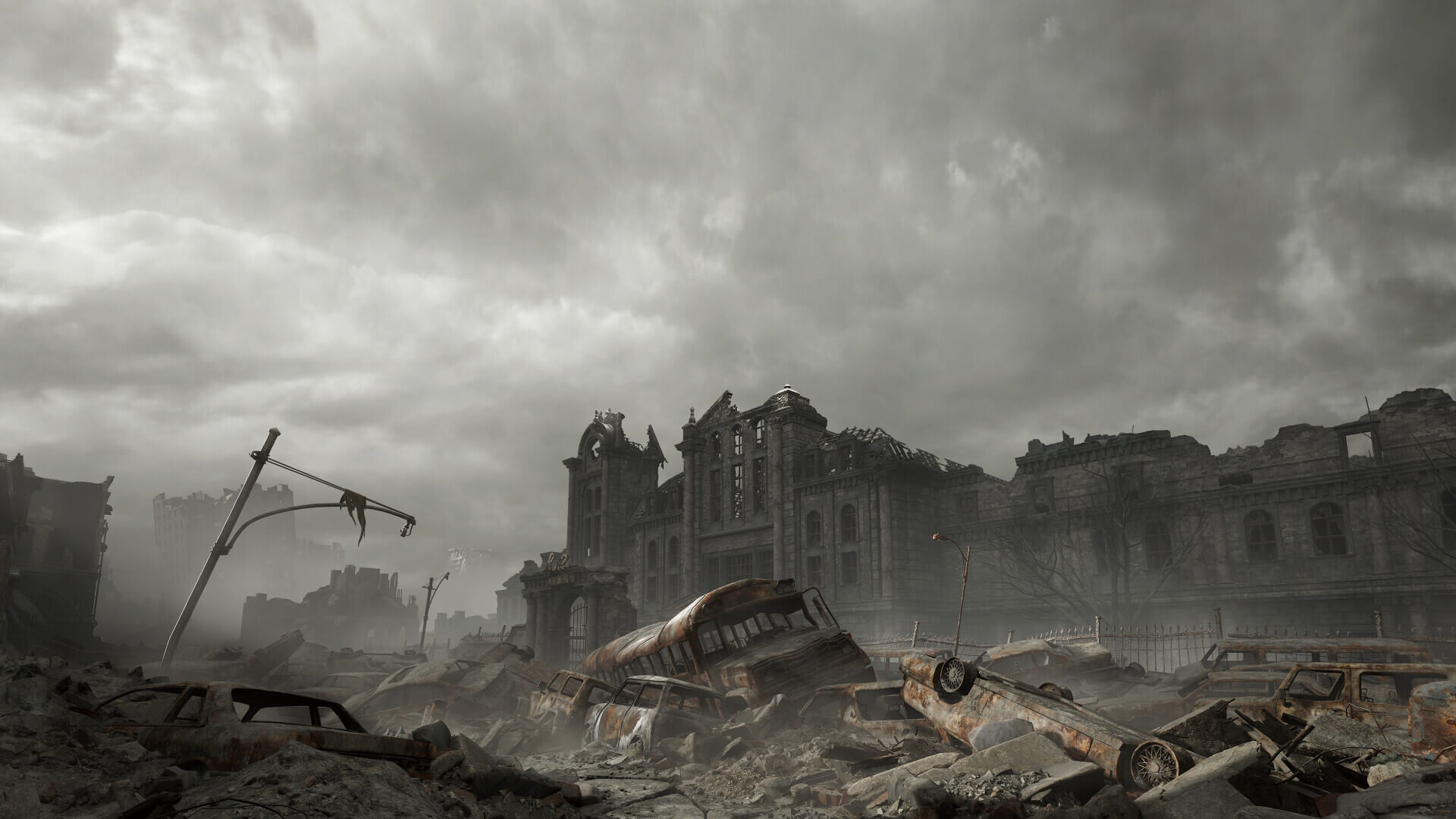
Resident Evil Requiem is packed with references and callbacks to earlier games. As someone who has followed the series for decades, I had a great time spotting all the little details Capcom slipped in. Fans of Resident Evil 2 in particular are going to find a lot to appreciate. Without getting into spoilers, there are locations, items, and story elements that clearly pay tribute to the franchise’s history. None of it feels forced either. The references are integrated naturally into the world, which makes discovering them feel rewarding rather than gimmicky.
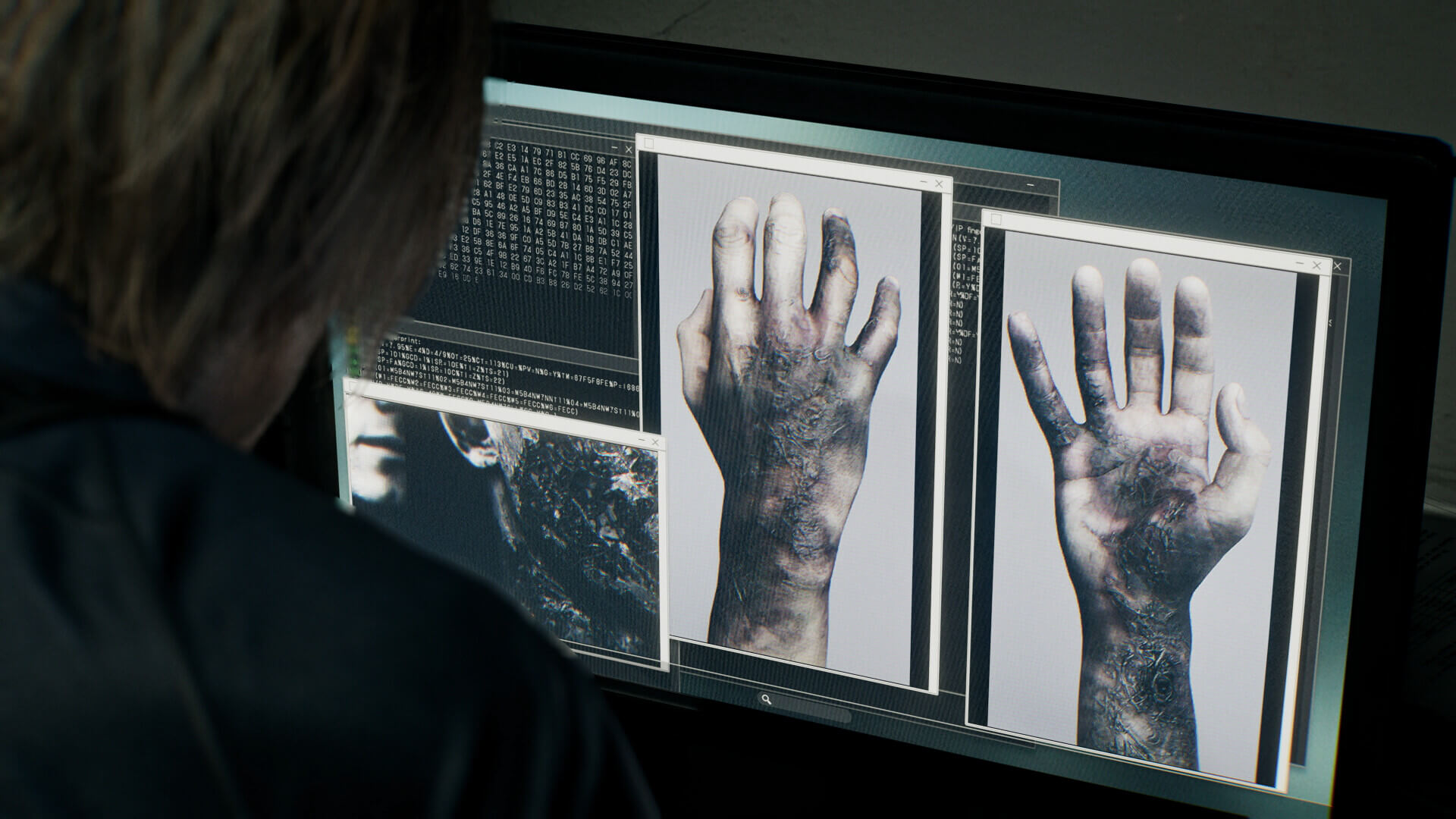
Exploration is another area where the game excels. The environments are filled with lore documents, hidden items, and optional rooms that provide deeper context for the story. Reading through journals, reports, and notes reveals a lot about the people who lived in these areas before everything went wrong.
Some of the most interesting story details are tucked away in these documents, which encourages players to search every corner of the map. There’s also a practical benefit to exploring. Resources are limited, especially on higher difficulties. Ammunition can be surprisingly scarce, so finding hidden stashes of bullets or healing items can make a huge difference. In several situations I survived encounters purely because I had taken the time to search an optional room earlier. Crafting also plays an important role. Gathering materials and managing your inventory carefully becomes a key part of staying alive.
Both protagonists have their own upgrade systems that tie into their playstyles. Grace improves her abilities by collecting ancient coins scattered throughout the world. These coins can be spent to increase various stats, such as health or crafting efficiency. As her story progresses she also gains access to a system called blood crafting, which allows her to create more advanced items and tools.
Leon’s upgrades work differently. He earns credits by defeating enemies and discovering valuable items while exploring. Those credits can then be used to modify and upgrade his weapons. You can improve things like reload speed, firepower, and ammo capacity, which encourages experimenting with different loadouts depending on the situation. Both systems felt rewarding and fit the characters well.
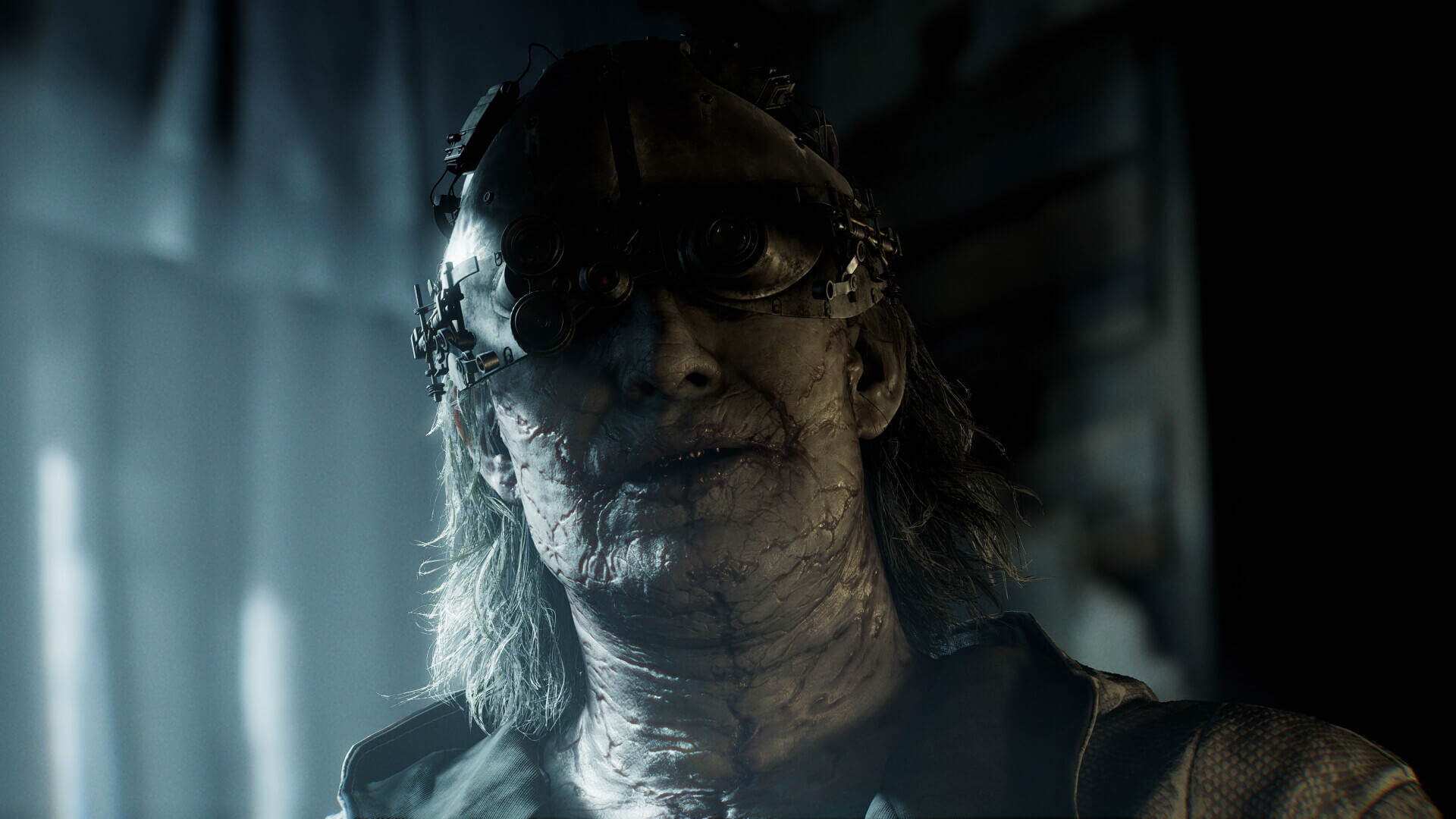
I was pleasantly surprised by how many boss fights the game includes. Most of them appear during Leon’s sections, which makes sense given the more action-focused gameplay there. The bosses themselves are well designed and often feature multiple phases that force you to adapt your strategy.
Some start as tense survival encounters before escalating into chaotic battles once the creature reveals new abilities. A few fights really stood out thanks to their visual design and the way the arena changes as the battle progresses. They’re challenging without feeling frustrating, and they break up the pacing nicely.
Visually, Resident Evil Requiem looks fantastic. It’s one of the first things I noticed when booting up the game. The environments are packed with detail, from decaying buildings to damp underground tunnels and eerie laboratories. Everything feels textured, grimy, and believable.
Character models are incredibly lifelike, and the creature designs are genuinely unsettling. The RE Engine continues to prove how powerful it is when it comes to lighting and atmosphere. Dark spaces feel oppressive, and subtle lighting effects make exploration even more immersive.
One feature I really appreciated is the option to play the entire game in either first person or third person. The game suggests using first person for Grace’s sections and third person for Leon’s, and after trying both I think that recommendation makes sense.
First person makes Grace’s moments feel much more intense and claustrophobic. You’re completely immersed in the environment, which amplifies the fear during the game’s scariest sequences. Third person works better for Leon because it gives you a wider field of view during the faster action encounters. But having the option to switch between them means players can tailor the experience to their preferences.

The story is brought to life by strong performances across the board. Grace’s voice actor captures her growth from cautious investigator to determined survivor. Leon feels exactly like the confident veteran fans know him to be.
And the main villain, Victor Gideon, delivers a performance that balances menace with intelligence. He’s not just a typical monster-creating villain. His motivations are explored in interesting ways, which makes the conflict feel more personal.
The cinematic framing of the cutscenes also deserves praise. They’re directed in a way that feels almost film-like without dragging the pacing down.
Another nice touch is the variety of difficulty options. Whether you’re new to the series or someone who enjoys punishing survival horror challenges, there’s a mode that fits. Higher difficulties increase enemy aggression and make resource management even more important.
No matter what difficulty you play on, your actions earn points that can be spent in the main menu. These points unlock concept art, character models, and behind-the-scenes collectibles. As someone who enjoys seeing how games are made, I really appreciated having those extras available.
Final Thoughts
Resident Evil Requiem feels like a celebration of the entire franchise. It blends tense survival horror with satisfying action, introduces an interesting new protagonist, and brings back a fan favorite in a way that feels meaningful rather than nostalgic for its own sake.
The puzzles are clever, the exploration is rewarding, the boss fights are memorable, and the presentation is among the best the series has ever had. As someone who has been playing Resident Evil since the PS1 days, finishing this game felt special. It reminded me why I fell in love with the series in the first place while also showing how far it has come.
If you’re a long-time fan, there’s a lot here that will make you smile. And if you’re new to the series, Resident Evil Requiem is an excellent place to experience what makes this franchise so enduring.
A PS5 review code was provided by the publisher for the purpose of this review.
If you want to see more content like this and never miss one of our frequent gaming and anime giveaways come and Follow Ani-Game on Twitter.
9.5
- + Engaging story with dual protagonists
- + Clever puzzle and encounter design
- + Great character performances
- + Looks visually stunning