Right from that first teaser trailer Tarsier Studios put out for Reanimal in late 2024, I was instantly interested. I’ve been a big fan of their work since Little Nightmares and its sequel. Those games stuck with me for years because of their oppressive atmosphere, clever environmental storytelling, and the way they made me feel small in a world that clearly didn’t care if I survived. So going into Reanimal, I had high expectations. I’m happy to say it largely met them. In some ways, it even pushes beyond what the Little Nightmares games did.
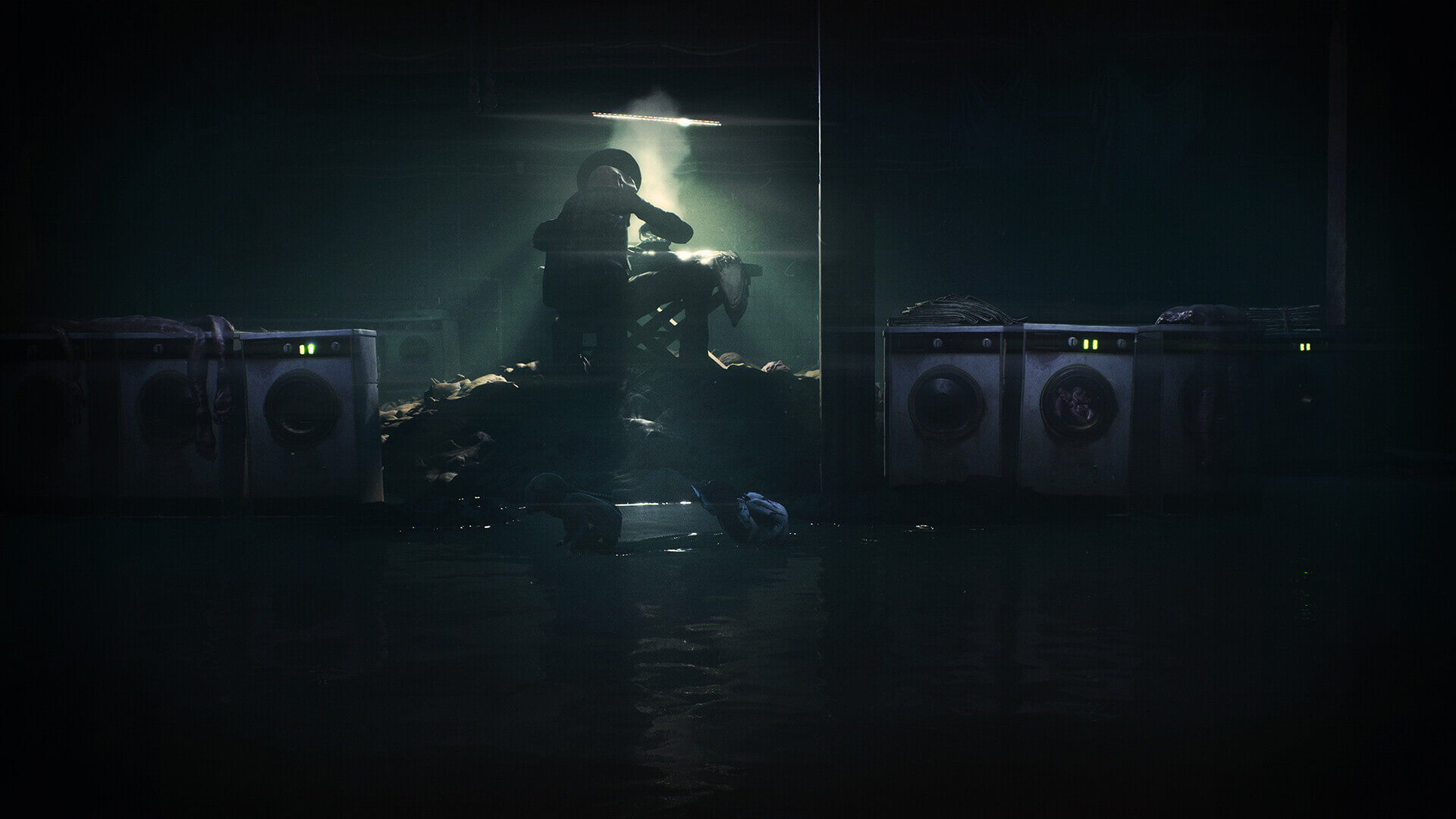
From the first hour, it’s clear that Reanimal shares DNA with Little Nightmares. The tone is bleak. The world is hostile and grotesque. The story is told through subtle hints rather than exposition. But where Little Nightmares felt eerie and unsettling, Reanimal feels harsher. The horror leans further into the gross and the distorted. The creature designs are more aggressive and more openly disturbing. At several points, I found myself thinking that this feels like a spiritual successor to Little Nightmares, blended with the stark, unforgiving style of Limbo. If you’re a fan of either of those games, you’re going to get a real kick out of this.
The narrative setup is simple on the surface. You start as a character called Boy, floating alone in the open ocean. There’s no explanation, no backstory, just cold water and silence. Before long, you pull another character, Girl, onto your small boat. Together, you head toward the first landmass on the horizon. That’s it. That’s your introduction.
Like Little Nightmares, Reanimal refuses to spell things out. There are no long cutscenes explaining how this world came to be. No character monologues. You’re left to piece together what’s happening through environmental details, creature behavior, and the strange, fragmented state of the world itself. The game is divided into segmented areas, each dominated by a grotesque creature that seems to rule over its territory. Your goal in each region is to survive, solve puzzles, and ultimately rescue one of your captured friends from the clutches of that area’s monster.
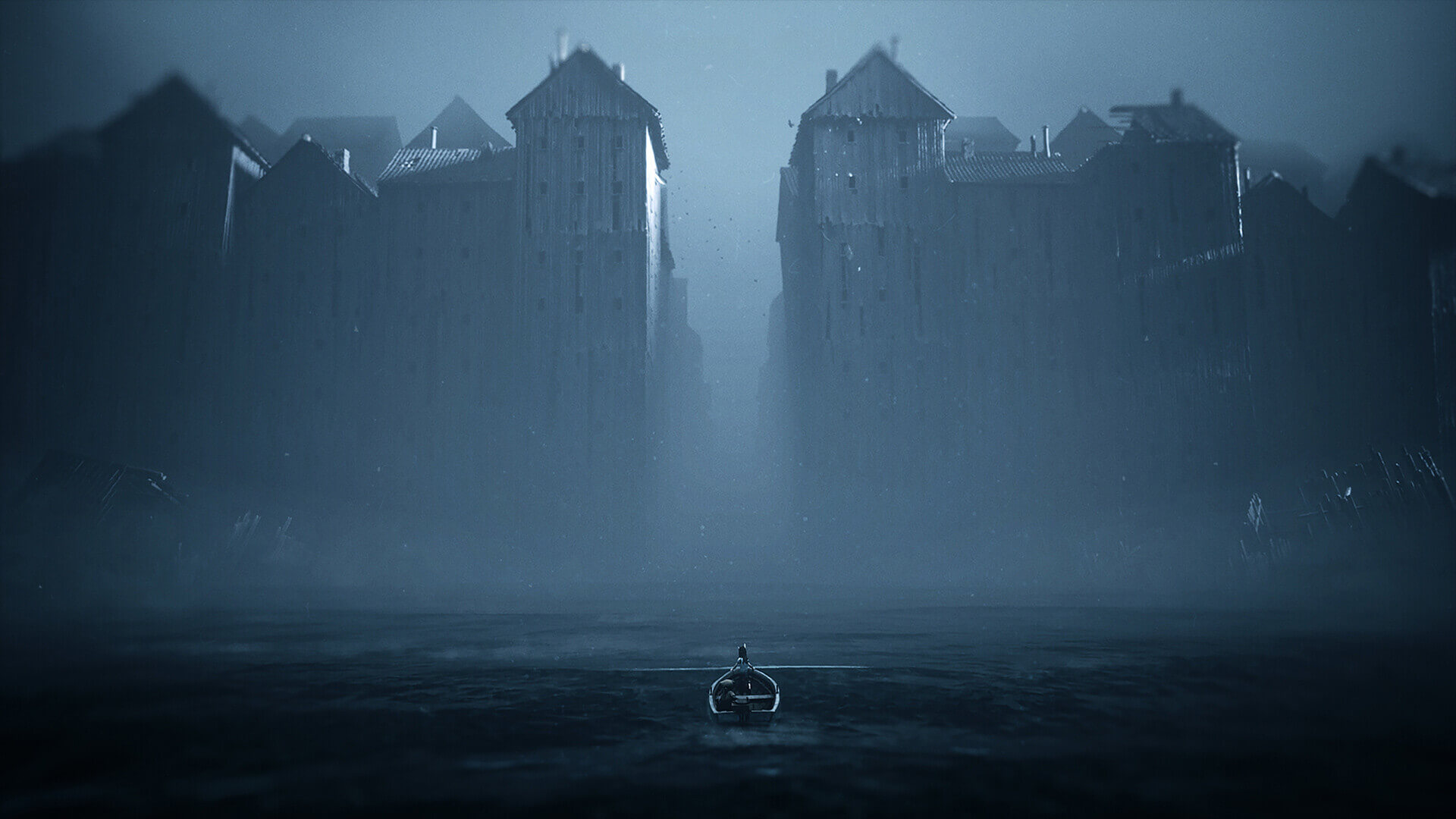
Travel between these areas usually happens by boat, which helps tie the game together and gives you brief moments of uneasy calm before the next nightmare begins. But even then, there’s this constant question hanging over everything. What exactly happened here? Why are these children alone in a world filled with monstrous beings? And how did they end up in the ocean to begin with?
The story’s themes and metaphors are left open to interpretation, especially the ending. When the credits rolled, I sat there for a while just thinking about what it all meant. It’s the kind of game that invites discussion. You can see different readings in the same events, and that ambiguity feels intentional.
Gameplay-wise, Reanimal sticks close to the formula that Tarsier has refined over the years. It’s largely about escape and survival. Most of your time is spent navigating environments, solving environmental puzzles, and hiding from or fleeing the giant creature that stalks each area. Combat exists, but it’s rare and usually situational. You’re not a powerhouse. You’re a vulnerable kid trying to survive. Even when you do fight back, it feels desperate rather than empowering.
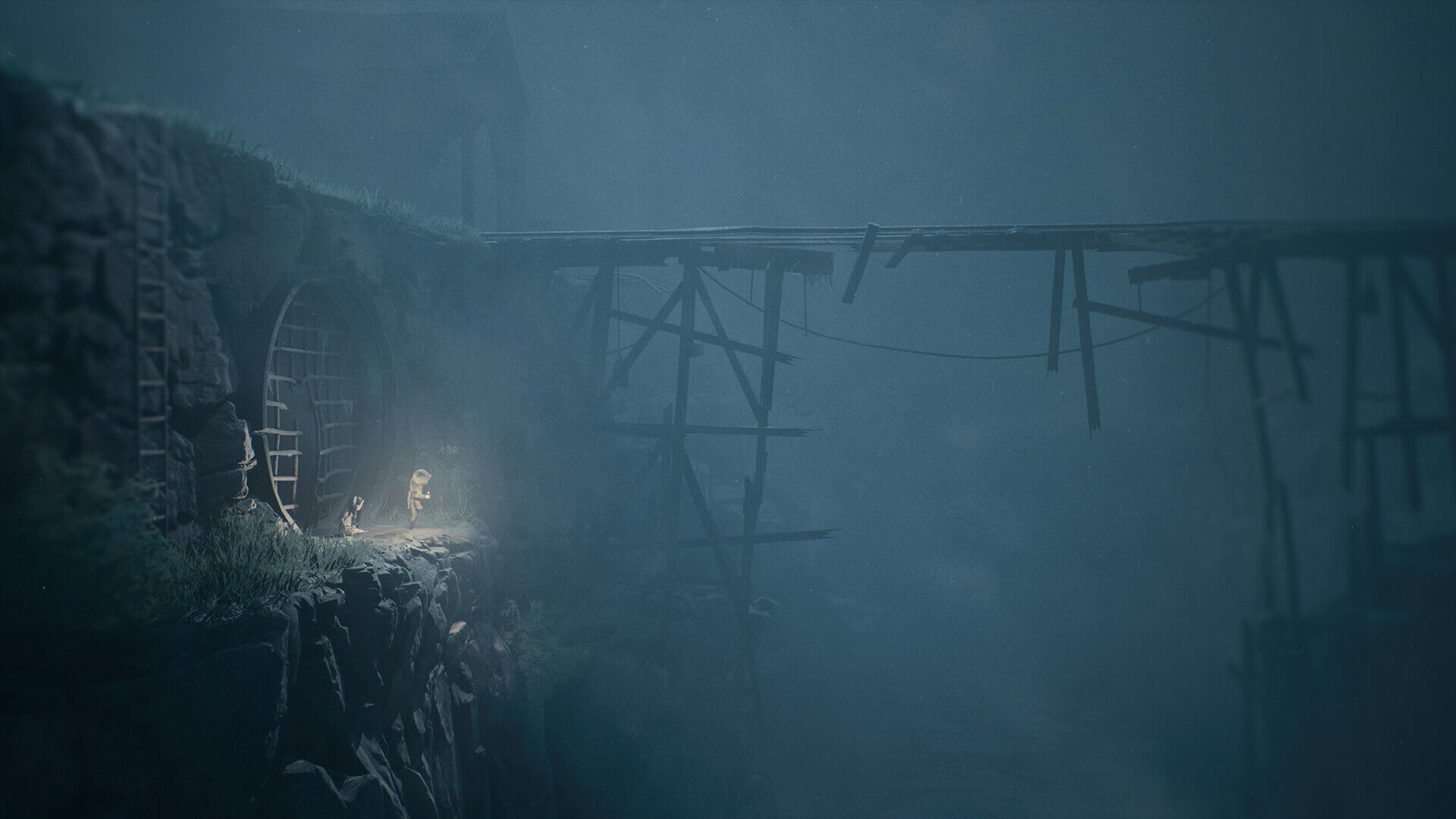
The puzzles are generally straightforward. You’re moving objects, activating switches, distracting enemies, or manipulating parts of the environment to open a path forward. It’s intuitive and rarely frustrating. That said, I do wish there were more moments that required deeper thinking. I only found myself genuinely stuck a couple of times. There’s one standout puzzle involving opening a dam wall that required proper problem solving and thinking outside the box. It felt great to solve, and I would have loved to see more puzzles like that scattered throughout the game.
One thing I really appreciated was the variety in gameplay. Just when I felt like I’d settled into a rhythm, the game would mix things up. Some sections focus more heavily on stealth. Others lean into timed escape sequences. There are moments of vehicular traversal that change the pace entirely. A standout for me was a vehicular combat sequence near the climax. It’s brief, but it injects a surprising sense of power into the experience. After hours of feeling hunted and helpless, having a moment where you can push back in a more direct way felt satisfying without undermining the overall tone.
Reanimal can be played completely solo, which is how I experienced it, but it also features a full co-op mode. A second player can take control of Girl and play through the entire game with you. What’s great is that the puzzles are designed with two characters in mind. There are plenty of sections where both characters need to hold a switch, or where coordinated movement is required.
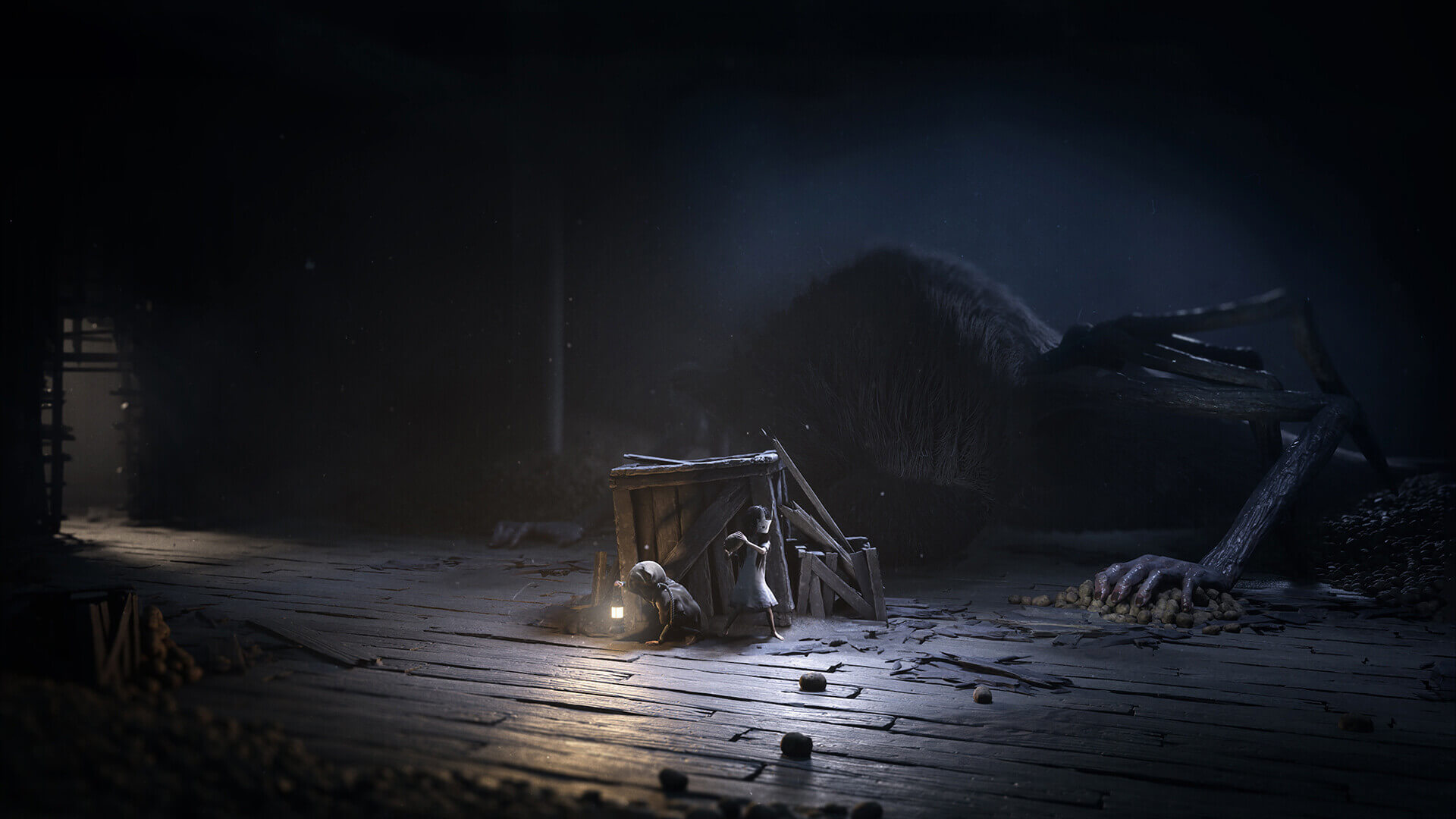
When playing solo, the AI controlling Girl is surprisingly competent. She automatically handles her side of the puzzle when you interact with triggers, and I rarely felt like I was fighting against bad AI behavior. It’s a smooth system that makes solo play feel natural rather than compromised. On top of that, the game includes a friend pass feature. Only one person needs to own the game to invite someone else to play through it. That’s a genuinely cool move and one that will probably help more people experience it in co-op.
Visually, I loved what Tarsier did here. The creature designs are grotesque in the best possible way. They’re exaggerated, twisted, and often deeply uncomfortable to look at. They add a huge layer of atmosphere to the game’s already unsettling tone. At the same time, Boy and Girl are designed in a strange, slightly cute way that contrasts with the horror around them. That contrast works. It makes their vulnerability feel more pronounced.
The subdued color palette does a lot of heavy lifting. Muted greys, sickly greens, blues, and washed-out browns dominate the environments. It creates a world that feels drained of warmth. Combined with the instant death penalties for failed jumps, missed timings, or being caught, I was constantly reminded of Limbo. The game excels at making you feel small and fragile. Every towering structure and every lumbering creature reinforces that you don’t belong here.
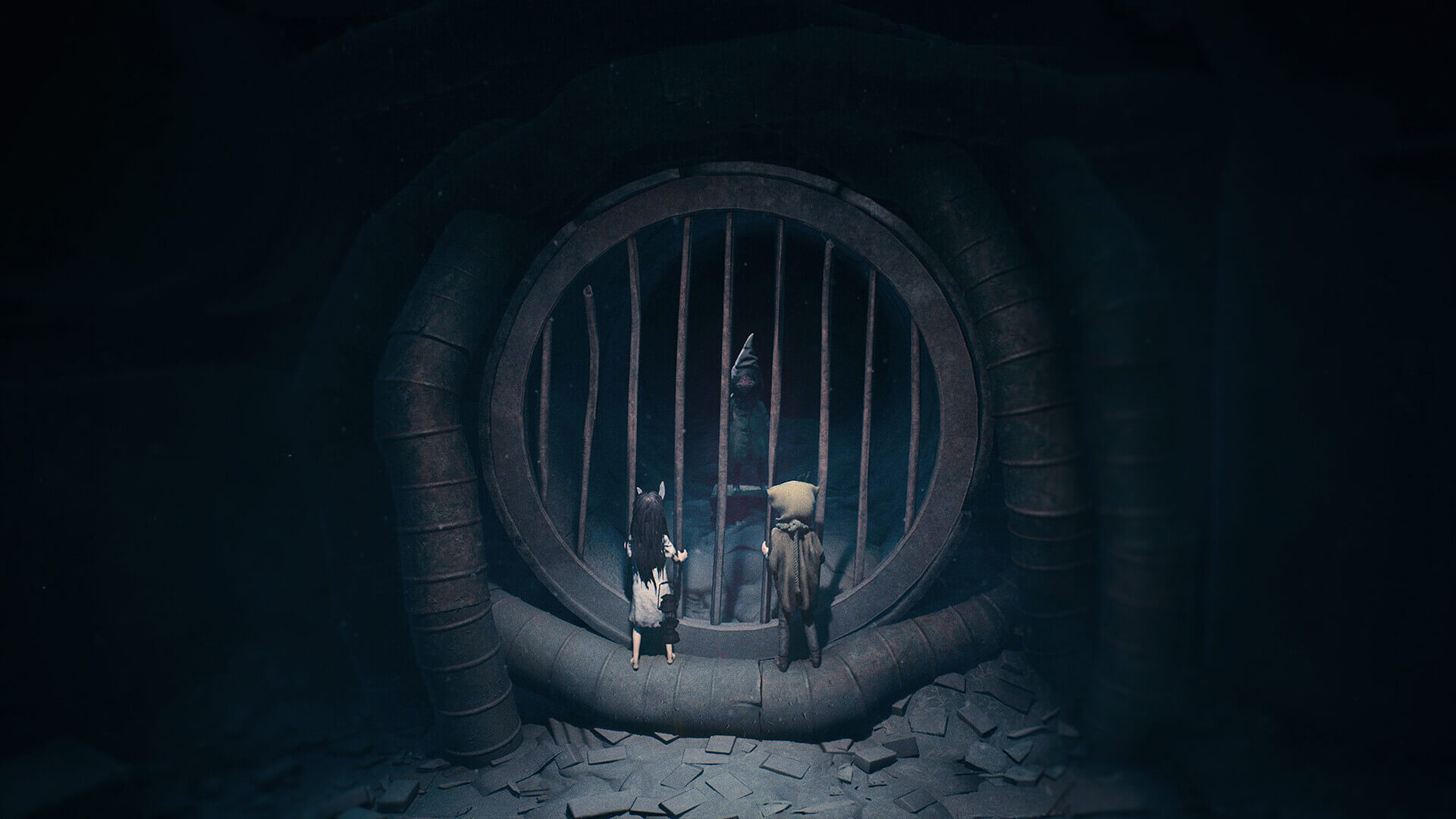
That said, the controls could be tightened up. There were moments where movement felt slightly stiff, especially during precise platforming. Other times, it felt a bit floaty. It’s not game-breaking, but in a title where timing can mean life or death, those small inconsistencies stand out. I also struggled occasionally during chaotic chase sequences. When there were multiple children on-screen, especially later in the game as your group grows, it became hard to quickly identify which one I was controlling. In a high-stress sprint away from a monster, that confusion added an extra layer of frustration I didn’t need.
In terms of length, Reanimal is fairly short. I completed it in about five hours. Honestly, I think that works in its favor. No single area or mechanic overstays its welcome. Just as I started to feel like I’d mastered a particular type of challenge, the game moved on to something new. The pacing stays tight throughout.
There’s also replay value for those who want it. Hidden collectibles like masks and pieces of concept art are tucked away off the main path. Some require careful exploration or minor detours to find. There’s also a secret ending to uncover, which gives you a reason to replay and dig a little deeper into the game’s mysteries.
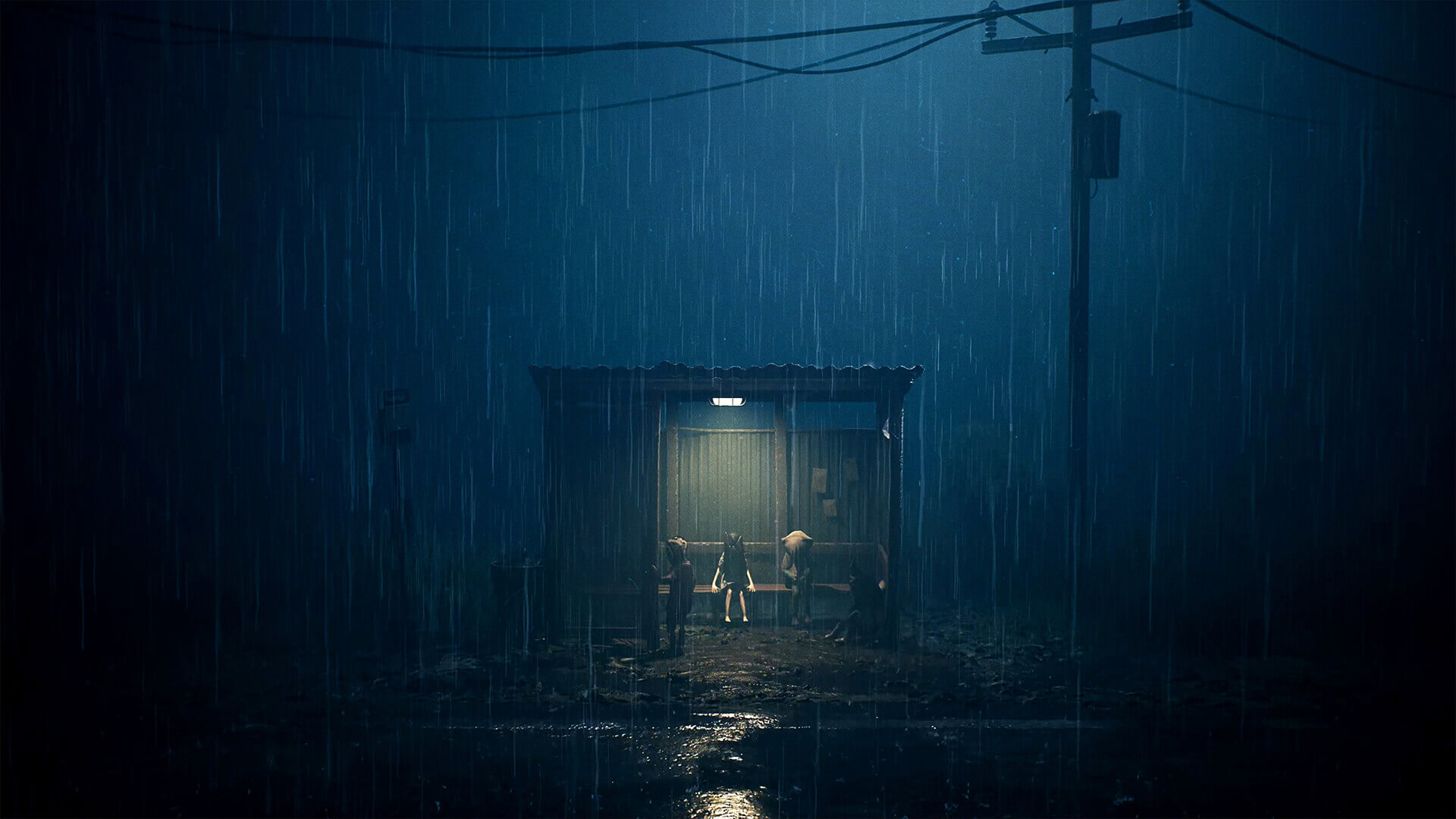
By the time I finished Reanimal, I felt satisfied. It’s not perfect. I would have liked tougher puzzles and slightly more polished controls. But the atmosphere, creature design, and overall tone are strong enough to carry the experience. It’s a bleak, strange little horror game that respects your intelligence and trusts you to interpret its story.
More than anything, it reminded me why I loved Tarsier’s previous work. Reanimal feels like a natural evolution of what they’ve been building toward. It’s darker, grosser, and more ambitious in certain ways, while still holding onto that core feeling of vulnerability and quiet dread.
It’s the kind of game that lingers in your mind after you put the controller down. You’ll think about its ending. You’ll debate what it all meant. And you might even feel the urge to go back in, either alone or with a friend, to see what you missed the first time. For fans of Little Nightmares, Limbo, or tightly crafted horror experiences that don’t overstay their welcome, Reanimal is absolutely worth your time. It’s short, sharp, and deeply unsettling in all the right ways.
A PS5 review code was provided by the publisher for the purpose of this review.
If you want to see more content like this and never miss one of our frequent gaming and anime giveaways come and Follow Ani-Game on Twitter.
8.5
- + Great atmosphere and unsettling world
- + Perfect pacing
- + Plenty to collect and see that warrants additional playthroughs
- + Can be fully enjoyed alone or with another person
- - Controls could be tightened up a bit
- - Would have loved some more complex puzzles
- - Issues locating your character in busy scenes