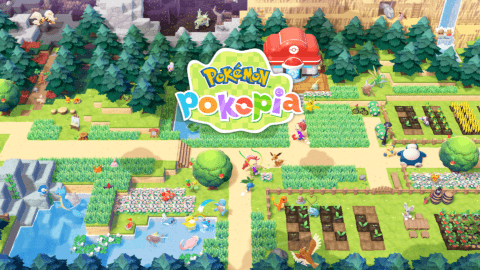
When I first heard about Pokémon Pokopia on the Nintendo Switch 2, I’ll admit I was a bit skeptical. Pokémon has had more spin-offs than I can count, and while some are great, plenty fade into the background pretty quickly. But after spending a good amount of time with Pokopia, I can confidently say this might be the best spin-off the series has ever had. It doesn’t just borrow ideas from other genres, it fully commits to them. It blends the charm of Pokémon with the creative freedom of building games and the relaxed pacing of life sims in a way that feels natural and, more importantly, genuinely fun.
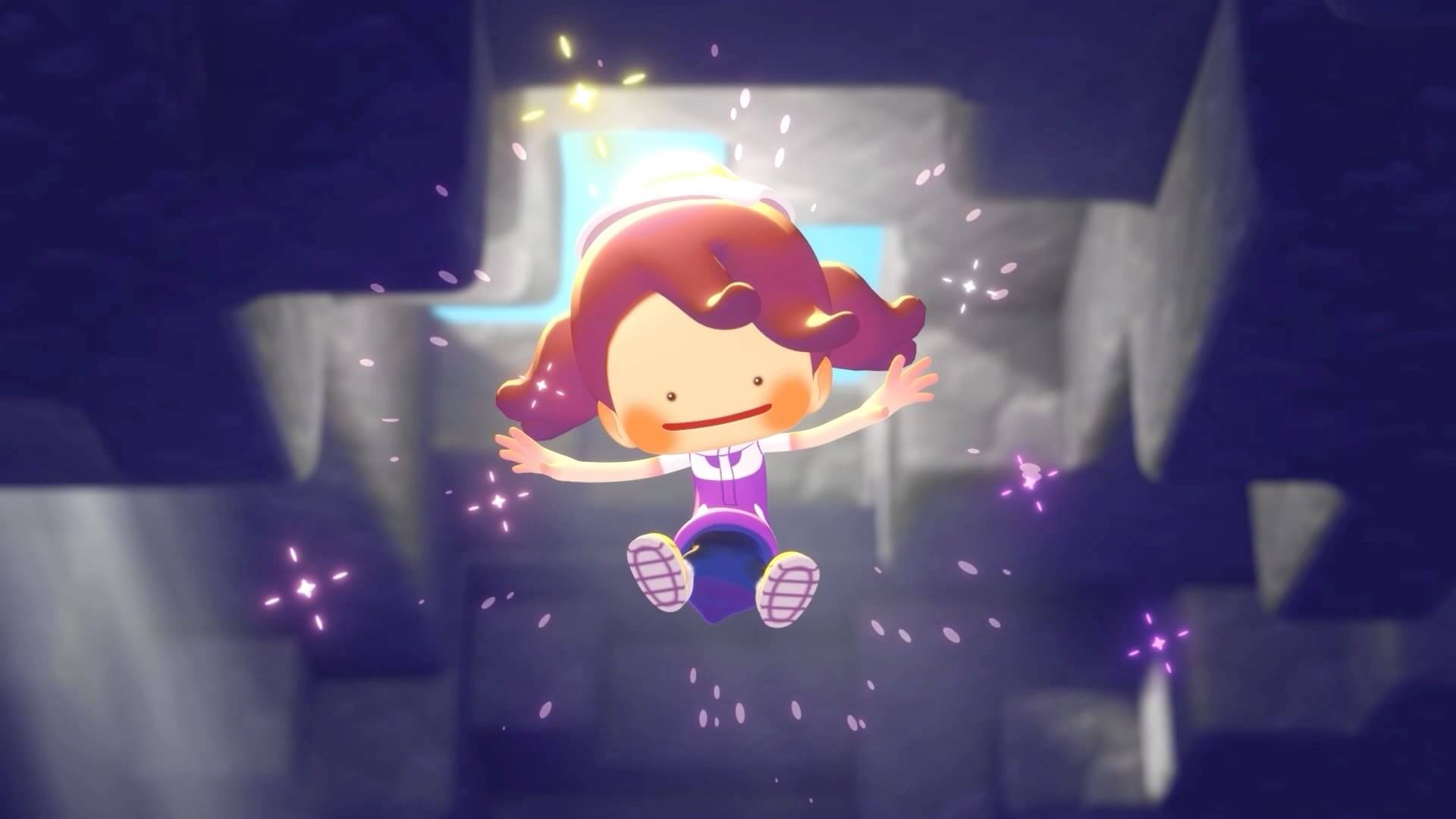
At its core, Pokopia is a cozy building and life-simulation game set in a version of Kanto that feels almost unrecognisable. The region is quiet, abandoned, and strangely empty. Trainers are gone. Towns are crumbling. Pokémon are scattered, restless, and without direction. You don’t step into the shoes of a traditional trainer this time. Instead, you play as a Ditto, which is such a clever twist. It makes sense mechanically and thematically. Ditto is adaptable, flexible, and a bit of a blank slate, which fits perfectly with the idea of rebuilding a broken world.
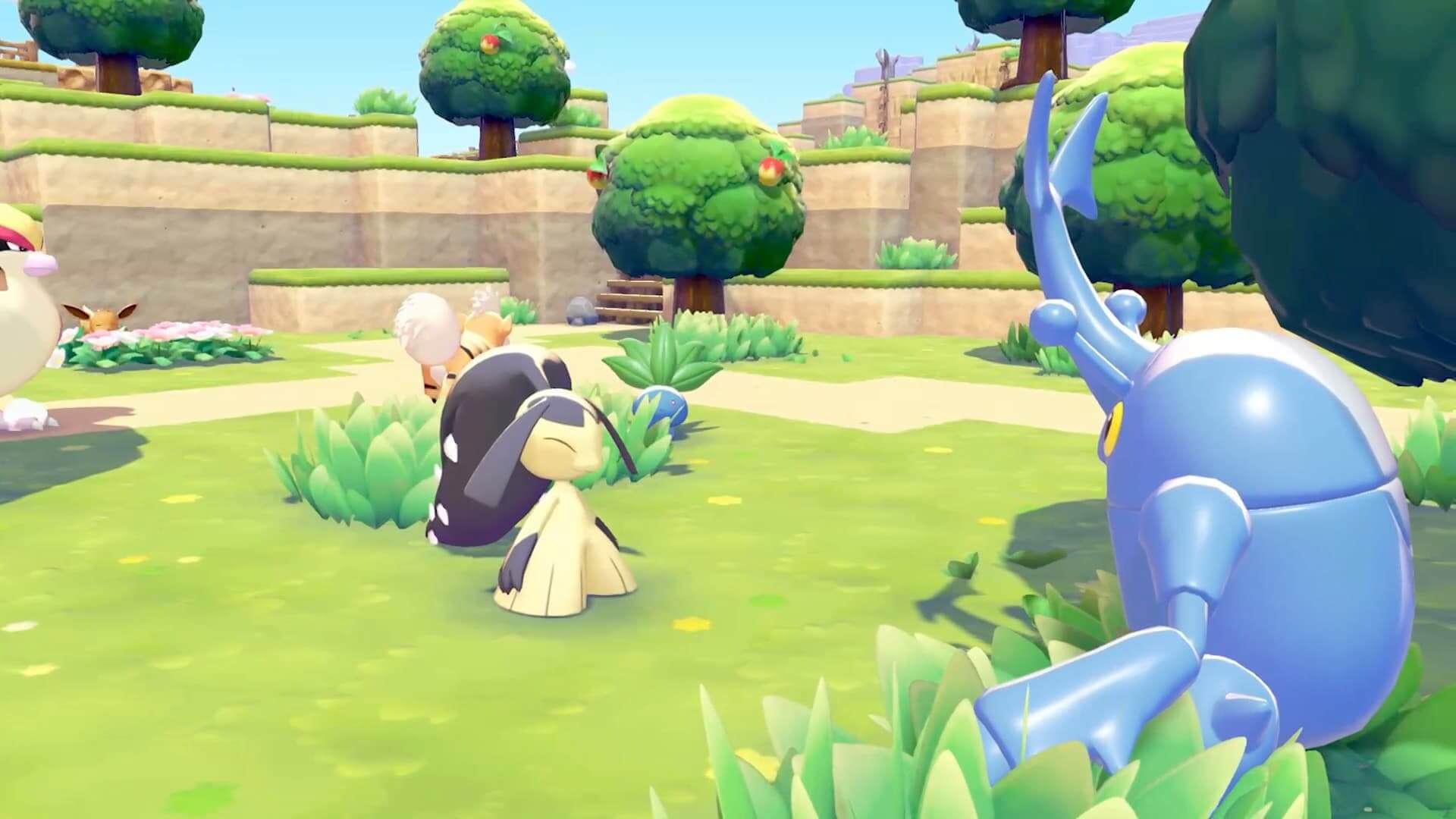
Your goal is simple on paper but surprisingly engaging in practice. You want to rebuild Kanto into a place where Pokémon actually want to live again. That means restoring habitats, creating safe and comfortable environments, and slowly bringing life back to a region that feels like it’s been frozen in time. There’s no rush. No looming threat pushing you forward. But there is a quiet sense of purpose that kept me hooked from the beginning.
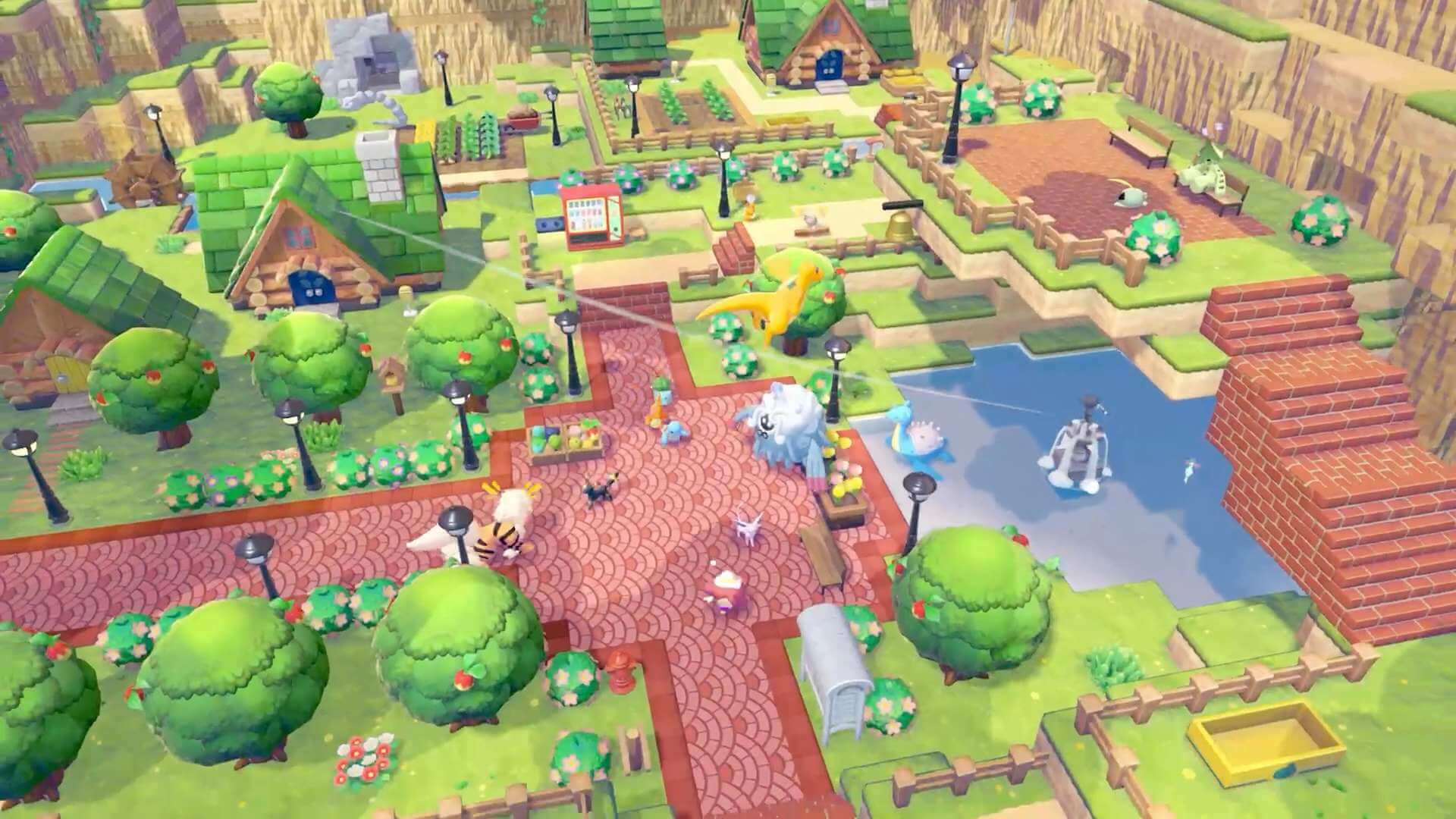
The gameplay loop is where Pokopia really shines. Most of your time is spent gathering materials, building habitats, and attracting Pokémon to your growing settlement. You’ll explore different parts of Kanto, collecting resources like wood, stone, and other materials, then use those to craft structures and shape the environment. It’s immediately familiar if you’ve played games in this genre, but what sets it apart is how tightly everything is tied to the Pokémon themselves.
Every habitat you build is designed to attract specific Pokémon. Some prefer grassy areas with lots of open space. Others want rocky terrain or access to water. When you get it right and a new Pokémon shows up, it feels rewarding in a way that’s hard to describe. It’s not just about collecting them. It’s about creating a place they actually want to be.
Once they join you, Pokémon aren’t just passive additions. They actively contribute to your settlement. Some will help you mine new areas, others might run small shops, and a few unlock entirely new mechanics. This creates a constant sense of progression. One new Pokémon can open up a whole new section of the map or give you access to resources you couldn’t reach before.
That loop of build, attract, expand, and discover is incredibly satisfying. It never really gets old because the game keeps introducing new elements at a steady pace. Just when I thought I’d seen everything a biome had to offer, something new would unlock and pull me back in.
Progression is handled in a really smart way through something called environmental levels. Each area you build has its own level, which reflects how developed and appealing it is. The higher the level, the more Pokémon it can attract, and the more advanced features you can unlock. But raising that level isn’t just about placing more structures. It’s directly tied to the happiness of the Pokémon living there.
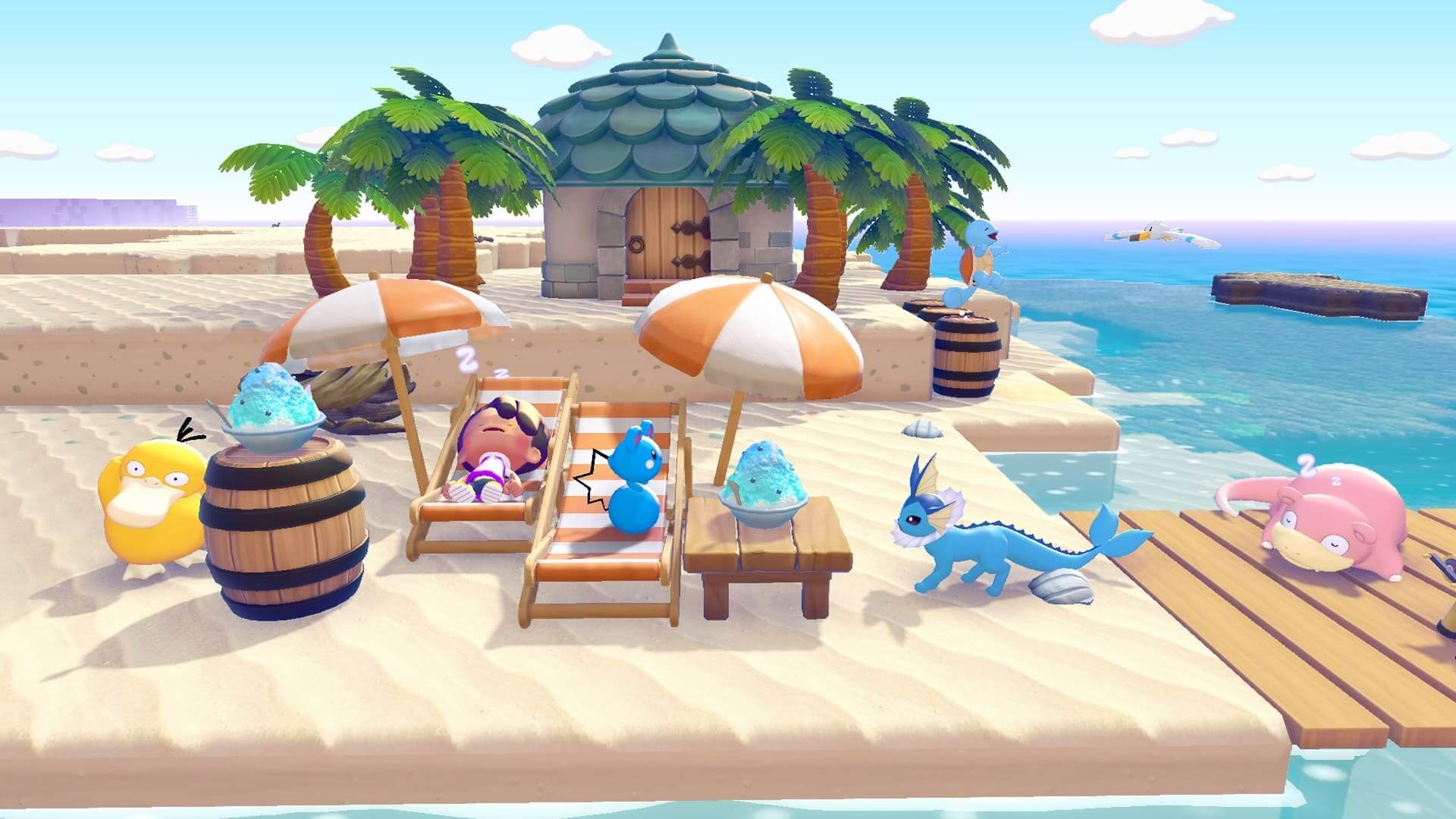
This is where the life-sim side of the game really comes through. Each Pokémon has preferences. They like certain items, certain types of housing, and even specific accessories that match their nature. Taking the time to learn what each Pokémon enjoys and tailoring their environment accordingly makes a noticeable difference. When they’re happy, the entire habitat thrives.
I loved this system because it made everything feel interconnected. You’re not just building for the sake of it. You’re building with intention. Giving a Pokémon the right item or upgrading their living space isn’t just a nice gesture, it actively pushes your progress forward. It creates this loop where you care about your settlement in a way that feels personal.
Another layer that adds to the sense of progression is the passive abilities you gain from certain Pokémon. Some will teach you how to cut through overgrown grass, others can break large rock formations, and some even let you traverse water. These abilities open up new paths and areas that were previously inaccessible.
It’s a classic gating system, but it works really well here because it’s tied directly to your relationships with Pokémon. You’re not unlocking abilities through menus or skill trees. You’re earning them by building a community. It makes exploration feel more meaningful because every new ability feels like a reward for the effort you’ve put in.
Beyond the mechanics, what really kept me playing was the story. It’s not super deep or overly dramatic, but it’s full of mystery. From the moment you start, there’s this lingering question hanging over everything: what happened to the trainers?
As you explore Kanto, you’ll find small clues scattered throughout the world. Old buildings, abandoned items, and bits of dialogue from certain Pokémon slowly start to paint a picture. It never rushes to give you answers. Instead, it lets the mystery unfold gradually over the course of the game.
I found myself genuinely invested in uncovering the truth. It gave purpose to my exploration beyond just gathering materials. Every new area felt like a chance to learn something new about the world. By the time the story started to come together, I was fully hooked.
The writing deserves a mention too. It’s surprisingly witty and full of personality. Pokémon interactions are charming without feeling overly childish, and there are plenty of small moments that made me smile. It adds a lot to the overall experience and makes the world feel alive, even in its more desolate state.
One of the things I appreciated most about Pokopia is how accessible it is. It’s the kind of game that works for just about anyone. If you’ve been playing Pokémon for years, there are countless references and callbacks that you’ll pick up on. Familiar locations, subtle nods to older games, and even hints of the anime are sprinkled throughout.
But at the same time, it’s a great entry point for newcomers. You don’t need deep knowledge of the series to enjoy it. The core gameplay is easy to understand, and the systems are introduced in a way that feels natural. It strikes a really nice balance.
Even after finishing the main story, there’s still a huge amount of content to dive into. There are Pokémon you probably haven’t discovered yet, areas that remain unexplored, and plenty of items and upgrades still to unlock. It’s the kind of game where you can easily lose hours just tweaking your settlement or chasing that next goal.
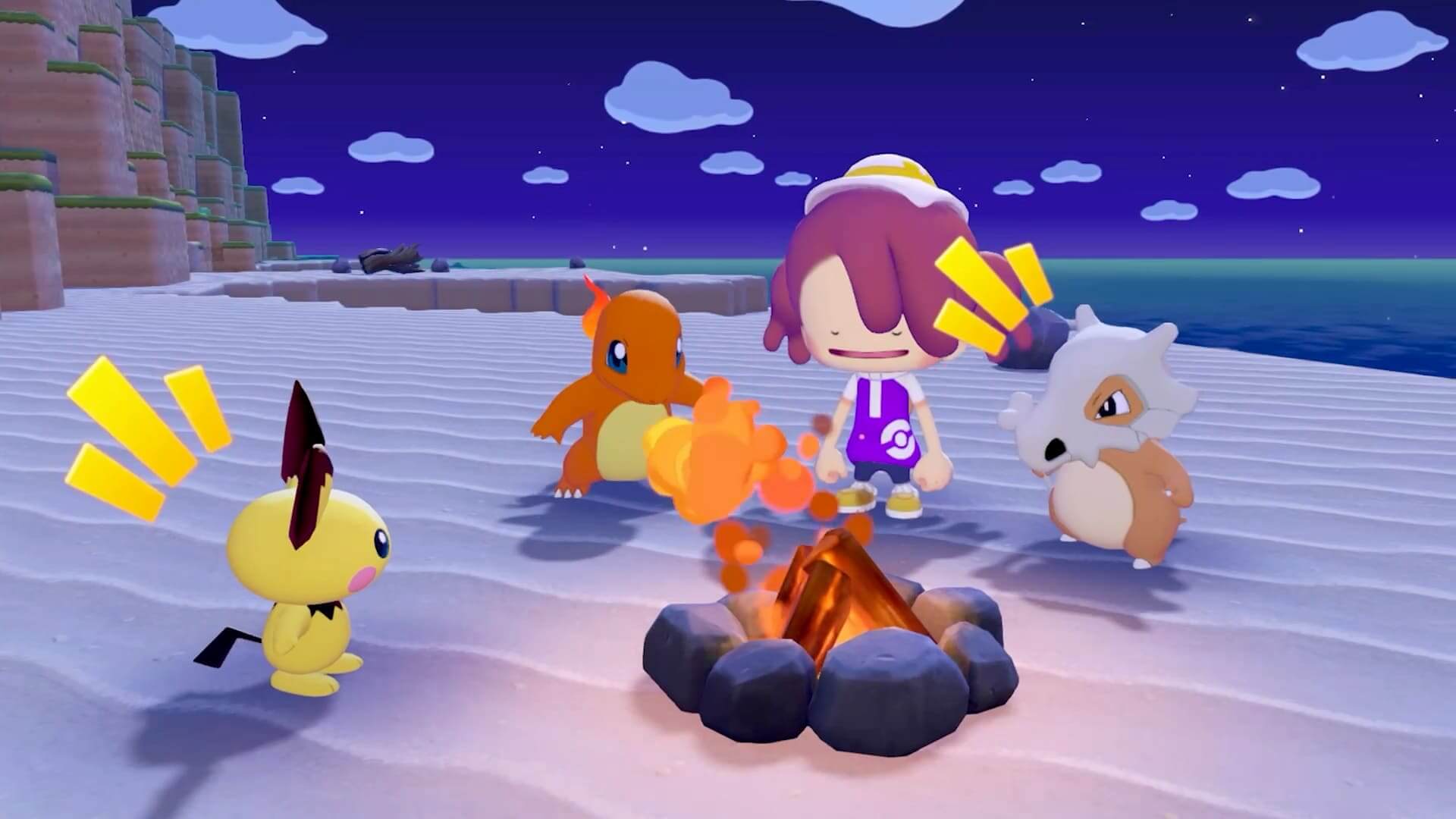
Visually, the game is exactly what I was hoping for. It leans into a warm, cozy art style that fits perfectly with the tone. The color palette is soft and inviting, and the environments feel handcrafted in a way that makes them enjoyable to spend time in. Pokémon models look great too. They’re expressive, full of personality, and fit seamlessly into the world.
The music is another highlight. It blends familiar melodies from the original Kanto games with new arrangements that feel fresh without losing that nostalgic touch. There were moments where a track would kick in and instantly remind me of older games, but it never felt like it was relying too heavily on nostalgia. It strikes a really nice balance between old and new.
From a technical standpoint, the game runs incredibly well on the Switch 2. Load times are quick, performance is smooth, and I didn’t run into any major issues during my time with it. Focusing solely on the newer hardware seems to have paid off. It feels polished in a way that some previous Pokémon titles haven’t quite managed.
By the time I rolled credits, I didn’t feel like I was done. If anything, I felt like I was just getting started. There’s something about Pokopia that makes you want to keep building, keep exploring, and keep improving your little corner of Kanto.
Overall, I came away really impressed. Pokémon Pokopia takes a risk by pushing the series in a completely different direction, and it absolutely pays off. It captures what makes Pokémon special while layering it into a genre that feels like a perfect fit.
If you enjoy crafting games, life sims, or just want a different kind of Pokémon experience, this is an easy recommendation. It’s relaxing, rewarding, and full of charm. More than anything, it’s a reminder that the Pokémon series still has plenty of room to grow and experiment.
I really hope this isn’t a one-off. Whether it’s expanding this game with new content or taking the concept to other regions, there’s so much potential here. For now though, Pokopia stands as one of the most refreshing and enjoyable Pokémon experiences I’ve had in years.
A Nintendo Switch 2 review code was provided by Nintendo for the purpose of this review.
If you want to see more content like this and never miss one of our frequent gaming and anime giveaways come and Follow Ani-Game on Twitter.
9.5
- + A gameplay formula that is so satisfying and combines genres well
- + Constant progression loop
- + Great for newcomers, but plenty of references for long time fans
- + Amazing soundtrack