Some games hit you with nostalgia before you even press a button. Detective Instinct: Farewell, My Beloved did exactly that for me. From the moment I booted it up on my Switch, I was taken back to the era of mystery games that defined my time with the Nintendo DS. Those slow-burn, text-heavy adventures where you poked at environments, questioned everyone twice, and felt genuinely clever when the pieces finally clicked together. Detective Instinct clearly knows that lineage, and more importantly, it understands why those games stuck with people in the first place.

It’s immediately obvious what kind of experience the developers set out to create. This is a deliberate throwback, both in tone and structure, to classic Japanese mystery adventures. Games like Famicom Detective Club are clearly in its DNA, and the influence is worn proudly rather than hidden away. Thankfully, this isn’t just imitation for imitation’s sake. Detective Instinct does a solid job of honoring those inspirations while still feeling like its own thing, especially in how it builds its world and invites you to inhabit its protagonist.
The story kicks off with a fairly grounded setup. You play as a student taking part in a study trip abroad, a premise that feels almost deliberately mundane at first. You’re dropped into an unfamiliar place, surrounded by both familiar and new faces, and slowly begin to get a sense of the place you’re visiting. That normalcy doesn’t last long, of course. What starts as a cultural exchange gradually unravels into something far more unsettling, pulling you into a mystery that’s personal, dangerous, and surprisingly layered.
One of the things that impressed me most is just how much worldbuilding is packed into this fictional setting. The game takes its time establishing local customs, locations, and relationships, making the country you’re visiting feel lived-in rather than just a backdrop for the plot. This attention to detail pays off as the mystery deepens. Clues don’t feel like arbitrary puzzle pieces. They’re tied to people, history, and social dynamics, which makes uncovering the truth feel meaningful instead of mechanical.
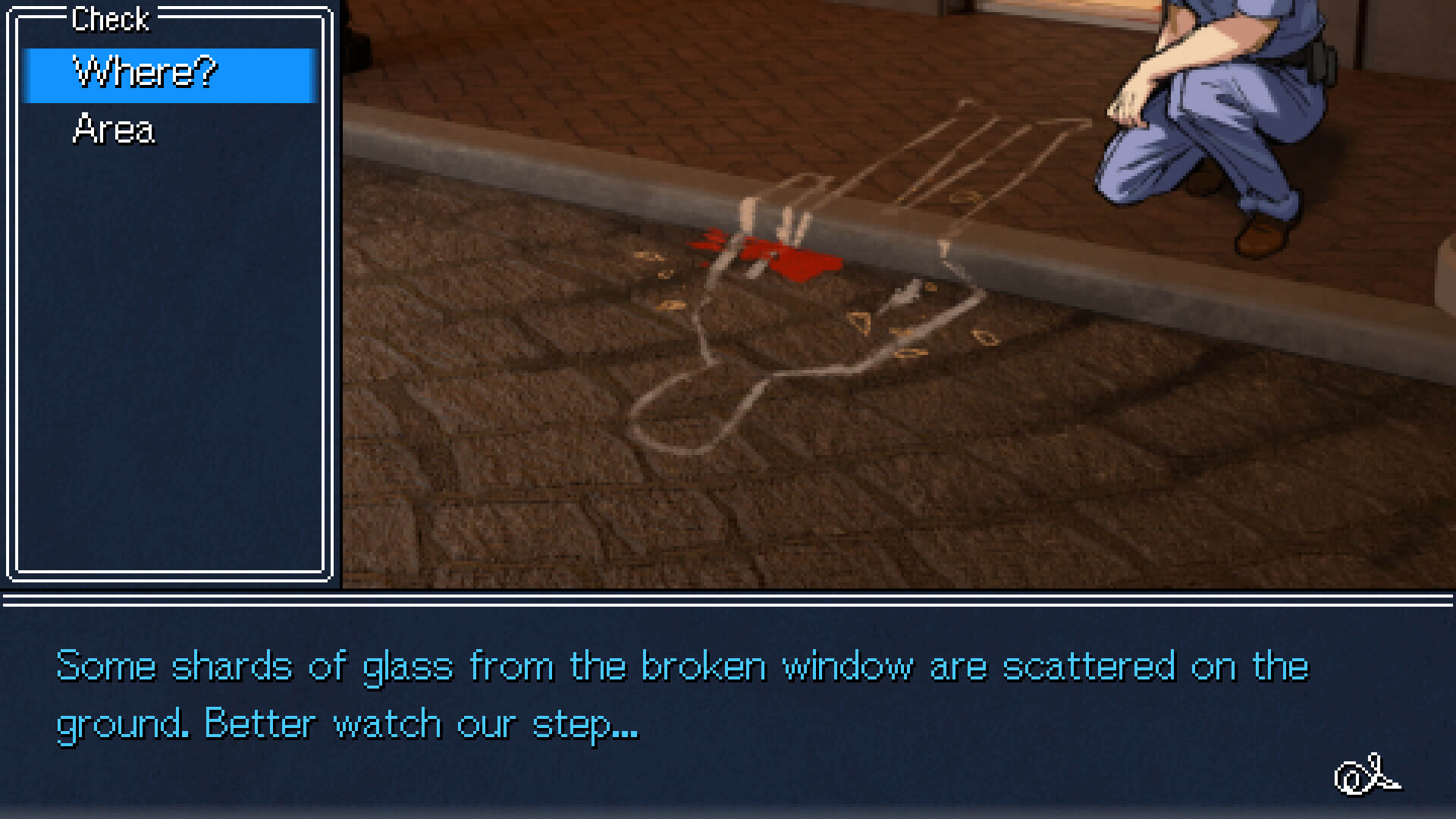
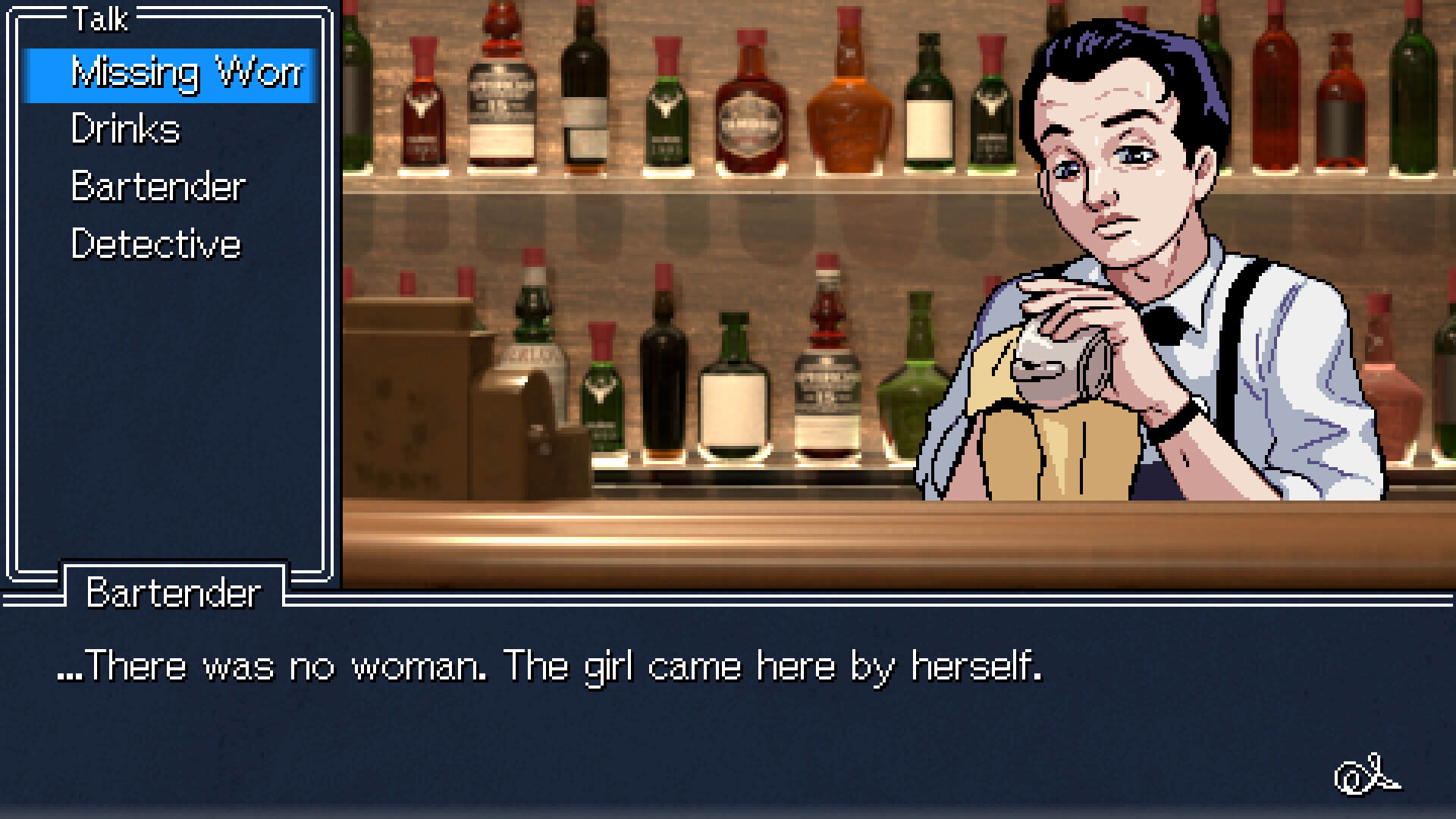
At its core, Detective Instinct is a text-based adventure. If you’ve played other mystery games in this style, you’ll feel right at home. The gameplay revolves around a familiar loop: you explore locations, choose actions from a menu, and slowly advance the story by uncovering new information. Actions like Talk, Check, Think, and Discuss form the backbone of the experience. You’ll question characters repeatedly, inspect environments from multiple angles, and piece together your thoughts internally as new revelations come to light.
What I appreciated is how much the game encourages you to embody the protagonist rather than simply control them. You’re not just selecting dialogue options to move things along. You’re actively inserting yourself into the investigation, deciding what to focus on and when. Choosing to Think at the right moment can unlock new lines of inquiry. Discussing information with certain characters can reveal insights you wouldn’t get on your own. It creates a strong sense that you’re participating in the mystery, not just reading it as it unfolds.
Tone is another area where Detective Instinct largely succeeds. The game clearly aims for a moody, noir inspired atmosphere, and for the most part it nails it. There’s an undercurrent of melancholy and tension that runs through the story, fitting the subject matter well. That said, the developers aren’t afraid to inject moments of humor and lightheartedness, and those moments land more often than not. A well timed joke or awkward interaction helps break up the heavier scenes and keeps the experience from becoming emotionally exhausting.
Pacing is handled with care. New mechanics and ideas are introduced gradually, never overwhelming you with too much at once. Just as you’re getting comfortable with how the investigation works, the game adds a new wrinkle or system to keep things fresh. The main story maintains a steady sense of momentum, with enough unanswered questions to keep you pushing forward.
The cast of characters deserves special mention. Detective Instinct features a strong lineup of main and supporting characters, each with their own personalities, strengths, and quirks. Some are immediately likable, others deliberately abrasive, but very few feel flat. As you move through the story, you’ll cross paths with a wide range of people, and interacting with them is one of the game’s biggest pleasures. Conversations often reveal more than they initially seem to, and revisiting characters with new information can completely change how you see them.
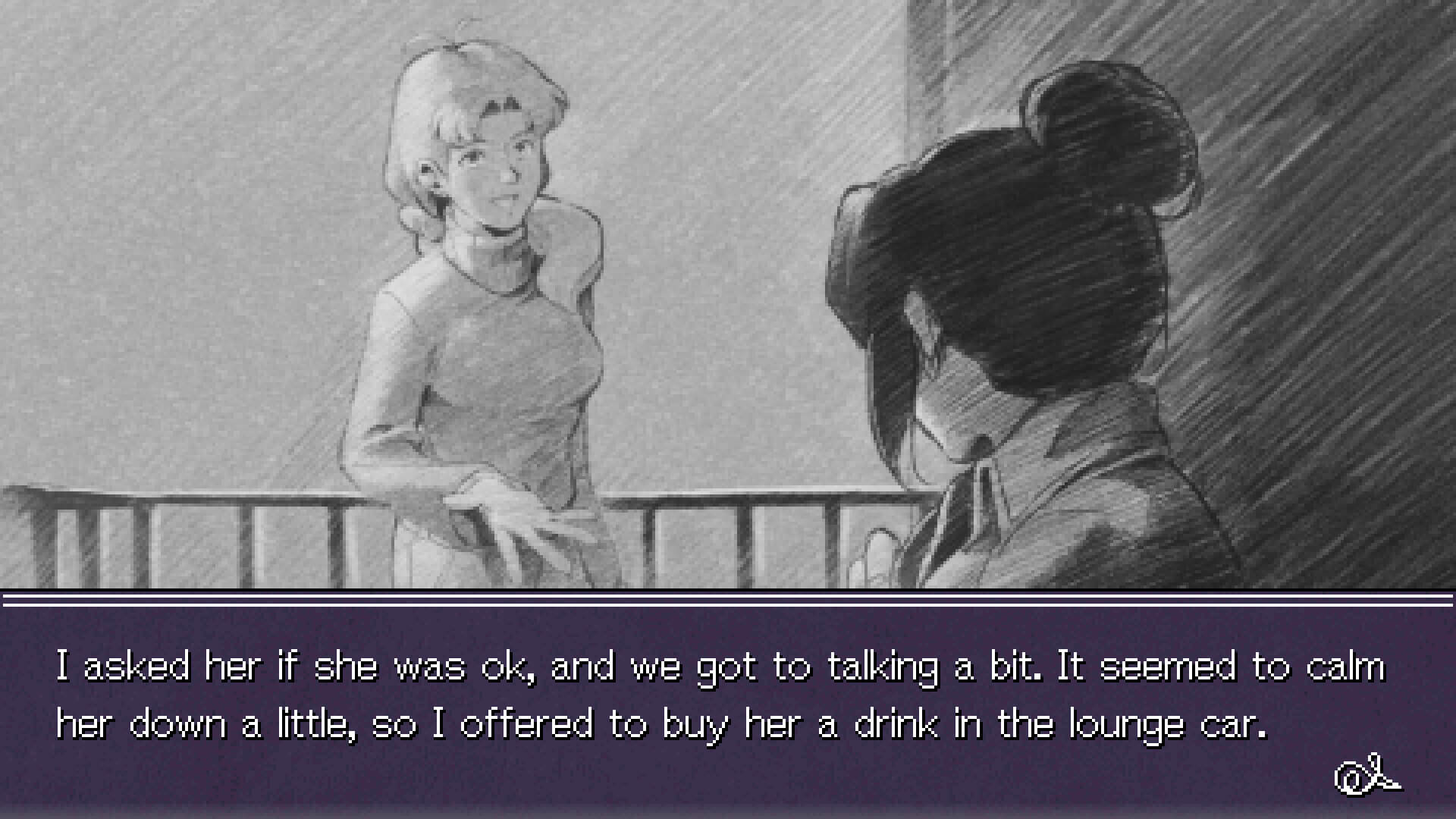
Visually, the game sports a striking pixel art style that immediately calls back to classic titles like the early Famicom Detective Club games and even Snatcher. Character portraits are expressive, detailed, and full of personality, doing a lot of heavy lifting in conveying emotion during long stretches of dialogue. There’s a strong sense of visual identity here, and for the most part it works beautifully.
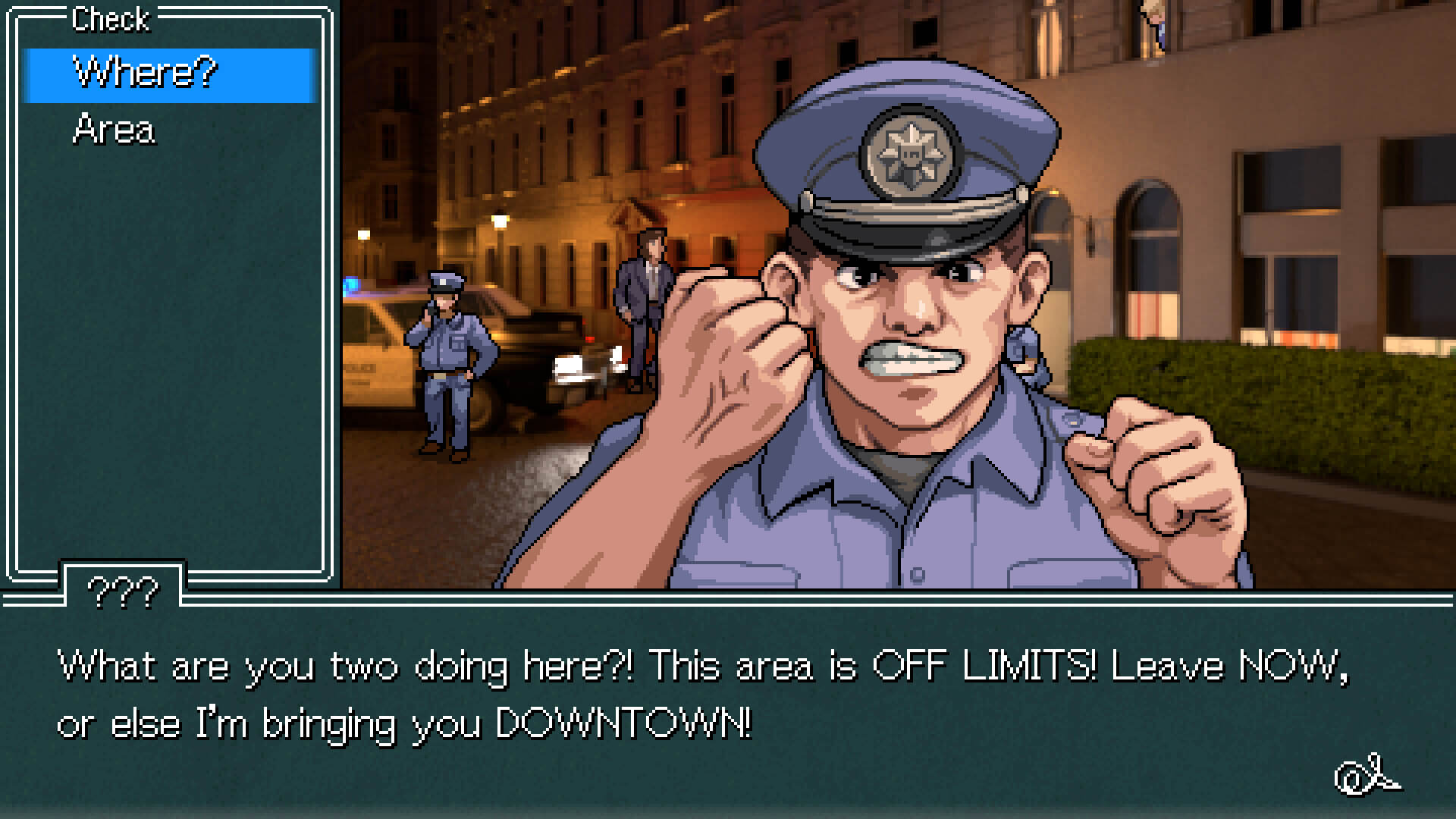
That said, I did find the inclusion of more realistic 3D backgrounds to be a questionable choice. In some scenes, the blend of pixel art characters over 3D environments works well enough and barely registers as odd. In others, the clash in styles is much more noticeable and pulled me out of the experience. There were moments where I couldn’t help but wonder why this artistic direction was chosen, especially when the pixel art alone is so strong. It’s not a dealbreaker, but it is distracting at times.
Sound design is another area where I felt the game could have gone further. The music does a good job of setting the mood, but I would have loved to see more sound effects, character emoting, or even limited voice acting. There are lengthy stretches of dialogue where the only sound you hear is the text printing on screen. Over time, that typing noise becomes repetitive, and the scenes start to feel quieter than they should. Even small audio flourishes could have helped break things up and add more life to the characters.
On the technical side, Detective Instinct runs well on Nintendo Switch. Performance was smooth throughout my playthrough, and I didn’t encounter any major bugs or issues. Load times were reasonable, and the game never crashed. For a text-heavy adventure, that stability goes a long way in keeping you immersed.
Final Thoughts
By the time I reached the end of Detective Instinct: Farewell, My Beloved, I felt genuinely satisfied. This is a game that knows exactly what it wants to be and largely succeeds in delivering that vision. It’s a love letter to classic mystery adventures, but it’s also confident enough to stand on its own merits. While there are areas that could be improved, particularly in audio presentation and visual cohesion, the core experience is strong.
If you grew up on mystery games from the DS era or have a soft spot for slow-burning, story-driven investigations, this is an easy recommendation. Detective Instinct isn’t trying to reinvent the genre. Instead, it focuses on doing the fundamentals well, and in that respect, it delivers a compelling, memorable mystery.
A Nintendo Switch review code was provided for the purpose of this review.
If you want to see more content like this and never miss one of our frequent gaming and anime giveaways come and Follow Ani-Game on Twitter.
8.5
- + Eye catching pixel art style
- + A callback to classic murder mystery games of the past
- + Great cast of characters
- + Engaging mystery story that keeps you wanting to progress
- - Backgrounds clash with the pixel art at times
- - Would have loved more audio inclusions from characters