I’ll admit that I came to Onimusha: Way of the Sword from a slightly unusual position. Despite growing up with a PS2 and spending plenty of time with action games, I somehow never played the original Onimusha titles. The series had always been one of those Capcom franchises I knew about without ever actually experiencing for myself. I knew its reputation, I knew it had built a following around its blend of samurai action, Japanese mythology and horror, but I had never understood what made it so special firsthand.
That changed when Onimusha: Way of the Sword was revealed. Its combination of fast-paced sword combat, supernatural enemies and a dark take on Japanese folklore immediately caught my attention. After getting my hands on the demo and learning that the game was designed as something of a soft reboot and an accessible entry point for newcomers, I was even more interested. As someone coming into the series completely fresh, I couldn’t have asked for a better excuse to finally see what Onimusha was all about.
At the centre of the adventure is Miyamoto Musashi, one of Japan’s most legendary swordsmen. Rather than simply presenting a historical interpretation of Musashi, the game puts its own supernatural spin on the famous figure, dropping him into a world where history and dark fantasy constantly collide. His journey quickly becomes a battle for survival against the Genma, monstrous supernatural creatures that have become one of the defining elements of the Onimusha universe.
The story gives Musashi a clear motivation and a steadily escalating reason to keep moving forward, but what ultimately kept me invested was the world surrounding him. There’s a wonderful sense that I’m travelling through a distorted version of historical Japan, one where familiar cultural imagery is constantly being twisted into something darker and more threatening. It creates a strong identity for the game without requiring me to know the previous entries.
That accessibility extends to the gameplay, which is easily the biggest reason I enjoyed my time with Way of the Sword.
Combat is fast, flashy and surprisingly deep. At first, I could get away with simply swinging my sword, dodging attacks and trying to overwhelm whatever was standing in front of me. It didn’t take long, though, before the game started demanding much more from me. Enemy attacks need to be read and reacted to, and learning when to dodge, block and counter becomes increasingly important as the difficulty ramps up.
There’s a particularly satisfying rhythm to the combat once everything starts to click. Successfully avoiding an attack at exactly the right moment, finding an opening and responding with a perfectly timed counter can make an encounter feel less like a chaotic sword fight and more like a carefully choreographed duel.
That feeling of mastery is one of Way of the Sword’s greatest strengths. The game doesn’t simply make me stronger as I progress. It gives me more tools to understand and incorporate into my own playstyle. Musashi gains new abilities and upgrades through the game’s progression systems, allowing me to gradually expand what he can do in combat.
The skill tree adds another welcome layer to that progression. Abilities can be unlocked and improved as I work my way through the game, giving me a reason to experiment rather than relying on the same handful of attacks throughout the entire adventure. The more I invested in Musashi, the more capable I felt, and that progression worked particularly well alongside the increasingly demanding encounters.
There were plenty of moments where I felt genuinely powerful, but that power never completely removed the challenge. That’s an important distinction. Way of the Sword wants me to become better at its combat rather than simply turning Musashi into an unstoppable killing machine. When I eventually defeated an enemy that had been giving me trouble, it often felt like I had earned the victory rather than simply out-levelled the encounter.
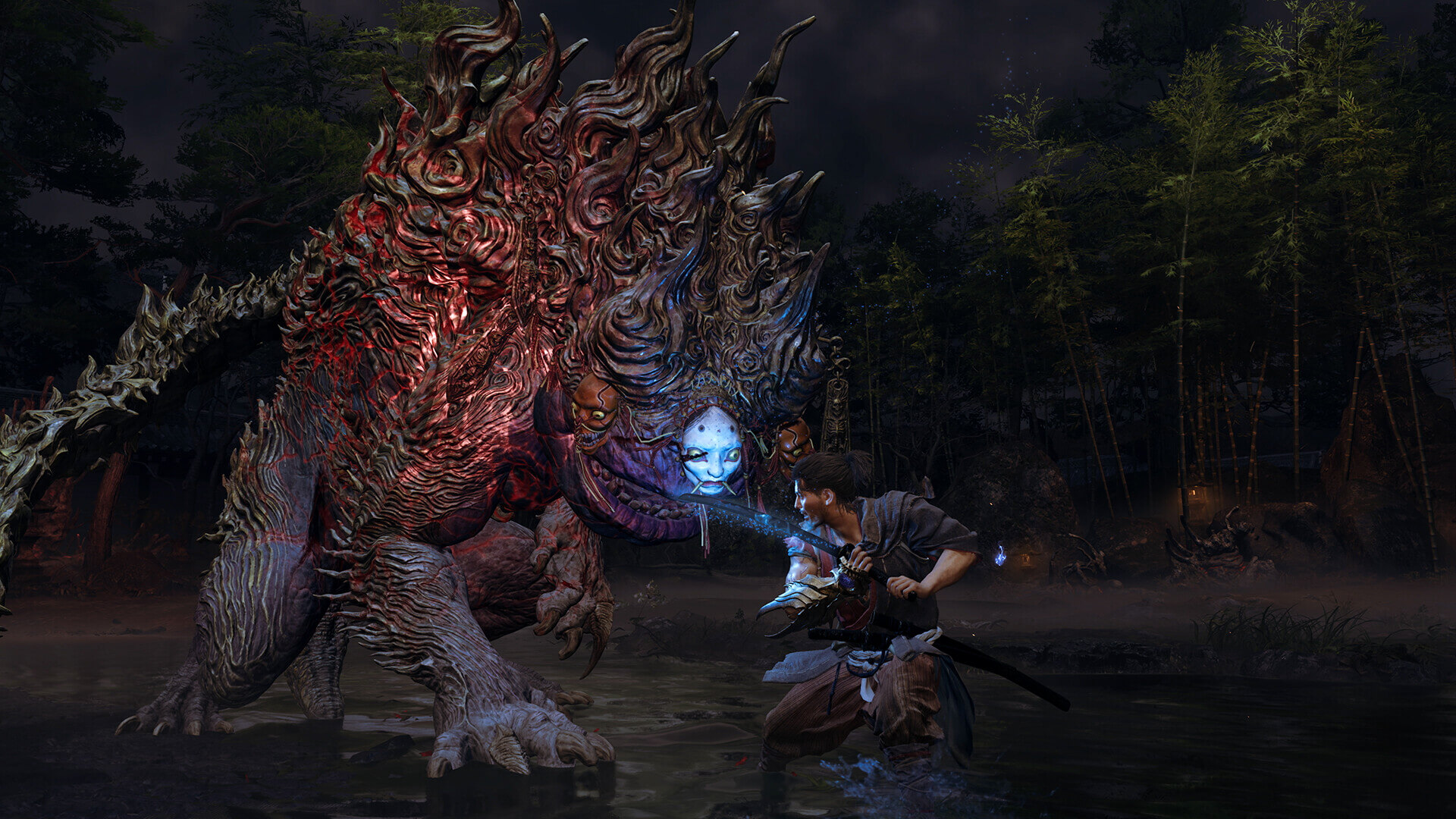
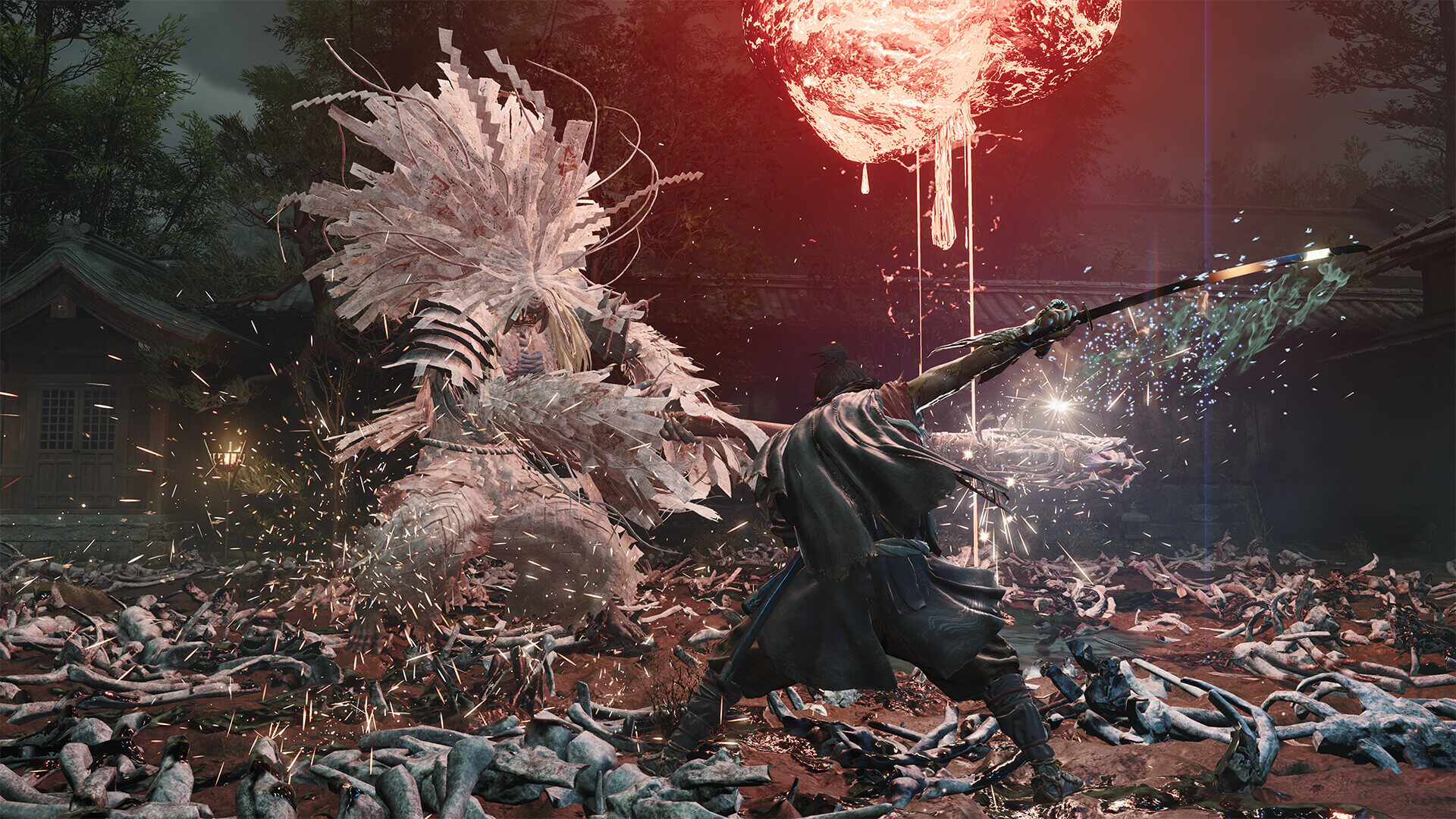
The boss battles are another major highlight. Some of the game’s best encounters feature enemies inspired by Japanese folklore, although they’re given the kind of grotesque, supernatural treatment you’d expect from Onimusha. The designs are imaginative, intimidating and often visually spectacular, and I found myself looking forward to seeing what strange creature I’d be facing next.
There is a downside here. By the latter stages of the game, I started noticing some reused boss designs and encounters that felt more repetitive than they needed to be. After being introduced to so many interesting enemies earlier on, seeing certain ideas recycled took some of the excitement out of subsequent battles. It never ruined the experience for me, but it’s one area where I think the game could have benefited from a little more variety.
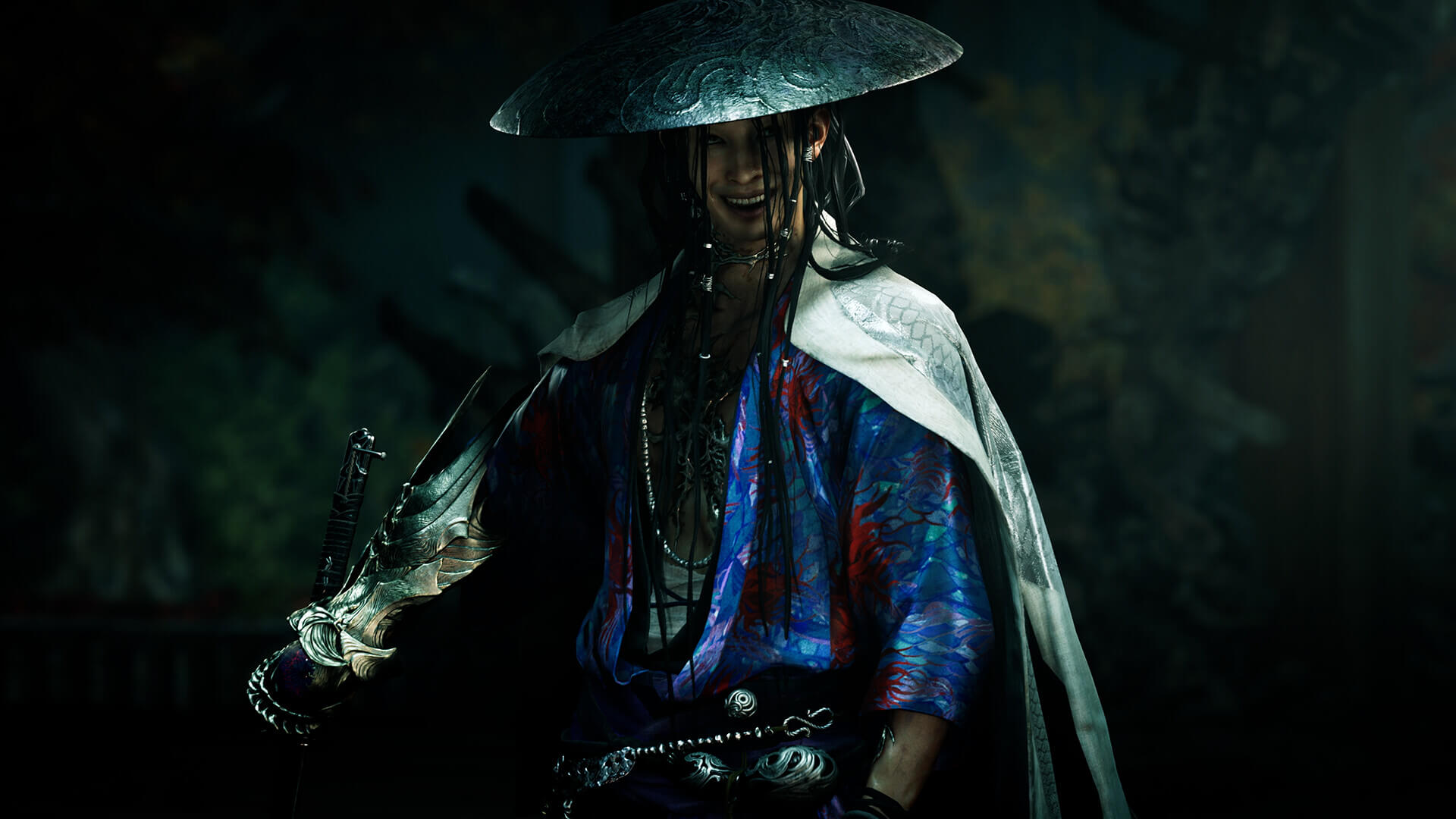
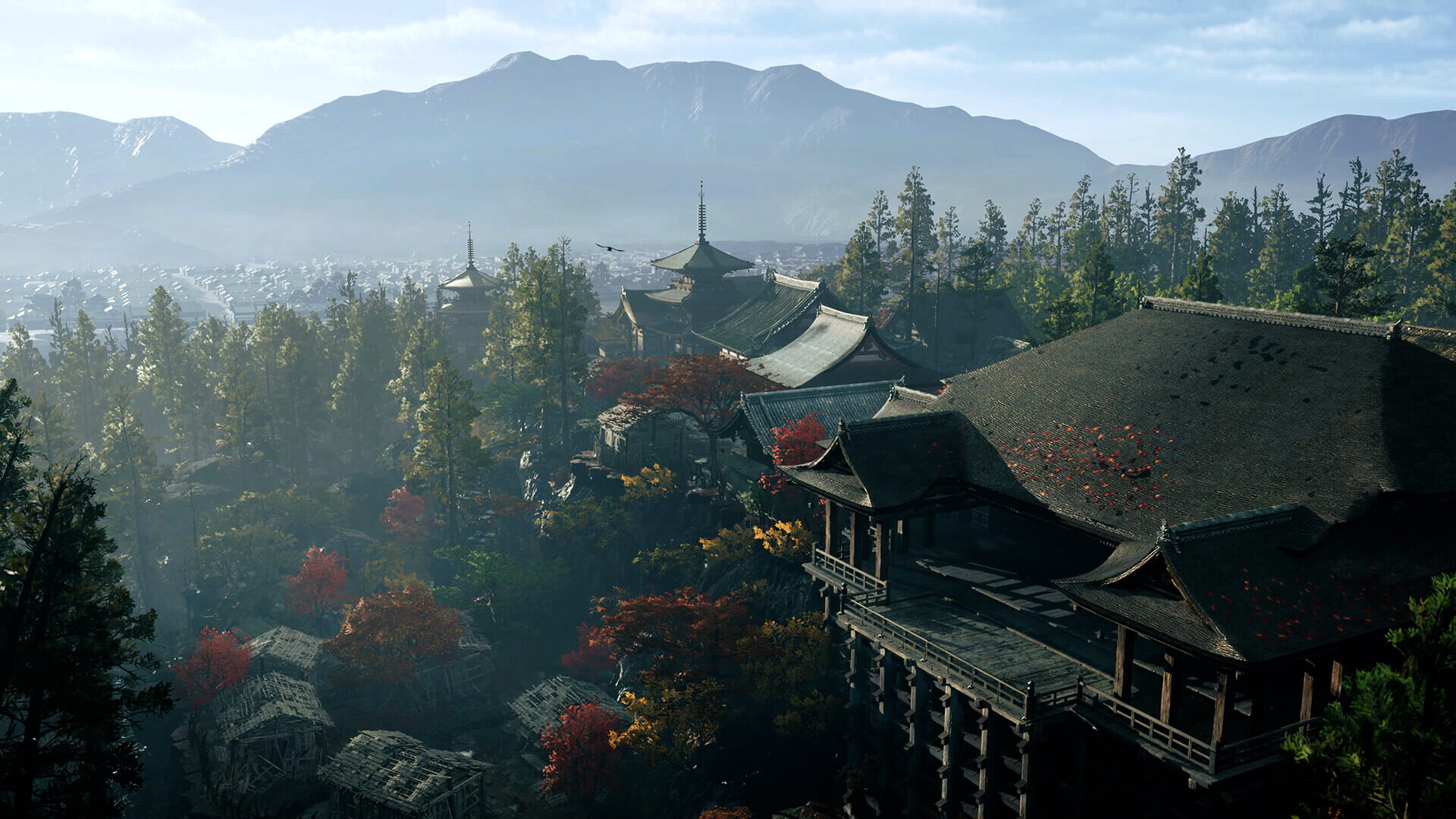
Visually, however, Way of the Sword is consistently impressive. Character models look excellent, environments are detailed and atmospheric, and the combination of historical Japanese architecture and supernatural horror gives the game a distinctive visual identity.
It’s also another reminder of just how versatile Capcom’s RE Engine has become. We’ve seen the engine used across a remarkably broad range of games, and Way of the Sword is another strong example of its flexibility. Whether I’m walking through an atmospheric village, exploring a beautifully detailed environment or watching a character deliver an important story moment, the presentation generally feels polished.
The voice performances are similarly strong. I spent time playing with both the English and Japanese voice options, and both have their strengths. However, I did run into an issue with the English dialogue that occasionally pulled me out of the experience, the lip-syncing.
There are several scenes where the English dialogue doesn’t seem to line up particularly well with the characters’ mouth movements. What’s frustrating is that it isn’t consistent. Some scenes look perfectly convincing, while others are noticeably out of sync. When the facial animations themselves are otherwise so impressive, those moments stand out even more. It’s a relatively small issue in the grand scheme of things, but it’s exactly the sort of technical imperfection that can break immersion when I’m already invested in a dramatic scene.
The audio presentation is otherwise excellent. The soundtrack does a great job of establishing the game’s ancient Japanese setting, incorporating traditional-sounding instruments and melodies into a score that can shift from atmospheric to intense when the action demands it. The environmental sound design deserves credit too. Sword clashes, enemy sounds and the ambience of the world all help make the setting feel appropriately lived-in and dangerous.
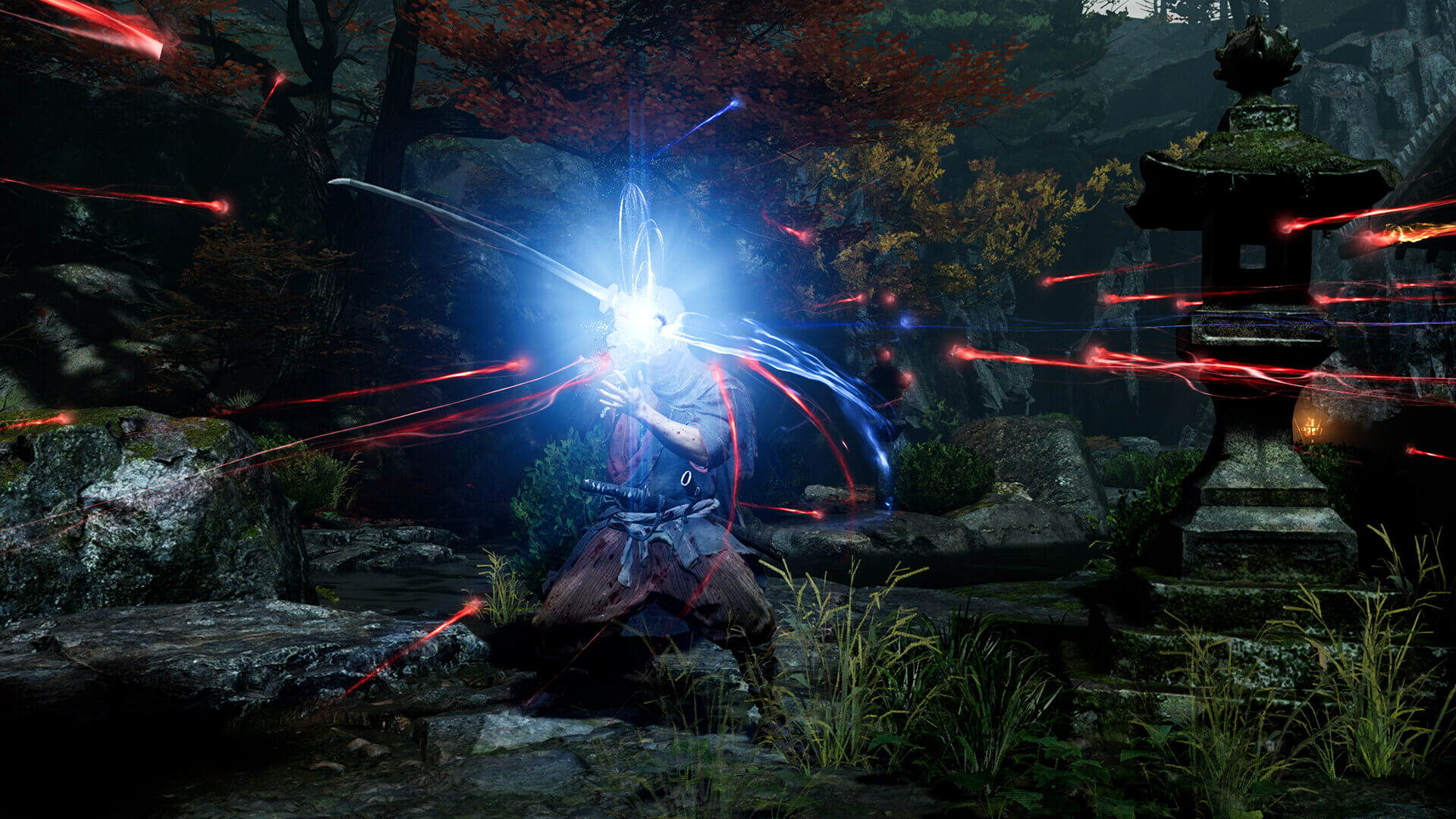
What surprised me most about Onimusha: Way of the Sword is just how quickly it made me understand the appeal of a franchise I’d previously missed. I didn’t need years of knowledge about the series to appreciate what was happening. I could jump in, learn the combat, understand Musashi’s motivations and gradually become more comfortable with the mechanics without feeling like I was missing some enormous piece of context.
That’s arguably the most important thing a soft reboot can accomplish, and Way of the Sword does it well.
It isn’t perfect. Some boss encounters could have used more variety, and inconsistent English lip-syncing occasionally damages an otherwise excellent presentation. But those issues are outweighed by a combat system that rewards skill, satisfying character progression, excellent enemy designs and a world that blends Japanese history and folklore into something distinctly its own.
As someone who completely missed the original Onimusha games, I came into Way of the Sword with no nostalgia to lean on and very few expectations beyond wanting a good samurai action game. What I got was a stylish, challenging and rewarding adventure that made me understand why the series has remained so memorable.
More importantly, it left me wanting to go back and discover the games I missed the first time around. For a newcomer, I can’t think of a better indication that Onimusha: Way of the Sword has done its job.
If you want to see more content like this and never miss one of our frequent gaming and anime giveaways come and Follow Ani-Game on Twitter.
9
- + A great starting place for the franchise.
- + Blends Japanese folklore and supernatural elements well
- + Awesome soundtrack
- + Fun, fast paced and rewarding combat loop
- - Reused enemy encounters ruin the pacing at times.
- - Inconsistent lip synching animations