As a long-time Final Fantasy fan, I’ve spent years wondering what the series could look like if Square Enix ever took its modern HD-2D technology and applied it directly to a new Final Fantasy adventure. After playing through all of Square Enix’s HD-2D releases, from Octopath Traveler to the various remakes and reinterpretations that have followed, it always felt like an obvious fit.
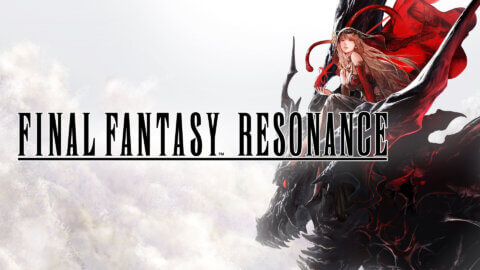
So when Final Fantasy Resonance was announced as the first HD-2D Final Fantasy game, I was immediately interested. In fact, I’d argue it was long overdue.
Thanks to Square Enix, I recently had the opportunity to go hands-on with around an hour of Final Fantasy Resonance, playing beyond the section currently available in the public demo. While an hour is hardly enough time to make any definitive judgement on such a substantial RPG, I came away from the experience very keen to see where this adventure goes next.
For those unfamiliar with the game’s origins, Final Fantasy Resonance is based on the first story arc of the mobile RPG Final Fantasy Brave Exvius. However, this isn’t simply a straight port of an old mobile game. Square Enix has rebuilt and reworked the experience into a full console RPG, removing the mobile-focused structure and presenting its story and systems in a much more traditional Final Fantasy package.
The story takes place in the Kingdom of Grandshelt, where the people have lived peacefully thanks to the power of the Crystals. That peace doesn’t last long. Rain, commander of Grandshelt’s airship squadron, is sent to investigate the Earth Shrine alongside his childhood friend and deputy commander, Lasswell. There, the pair encounter the mysterious Veritas of the Dark, who shatters the Earth Crystal before them.
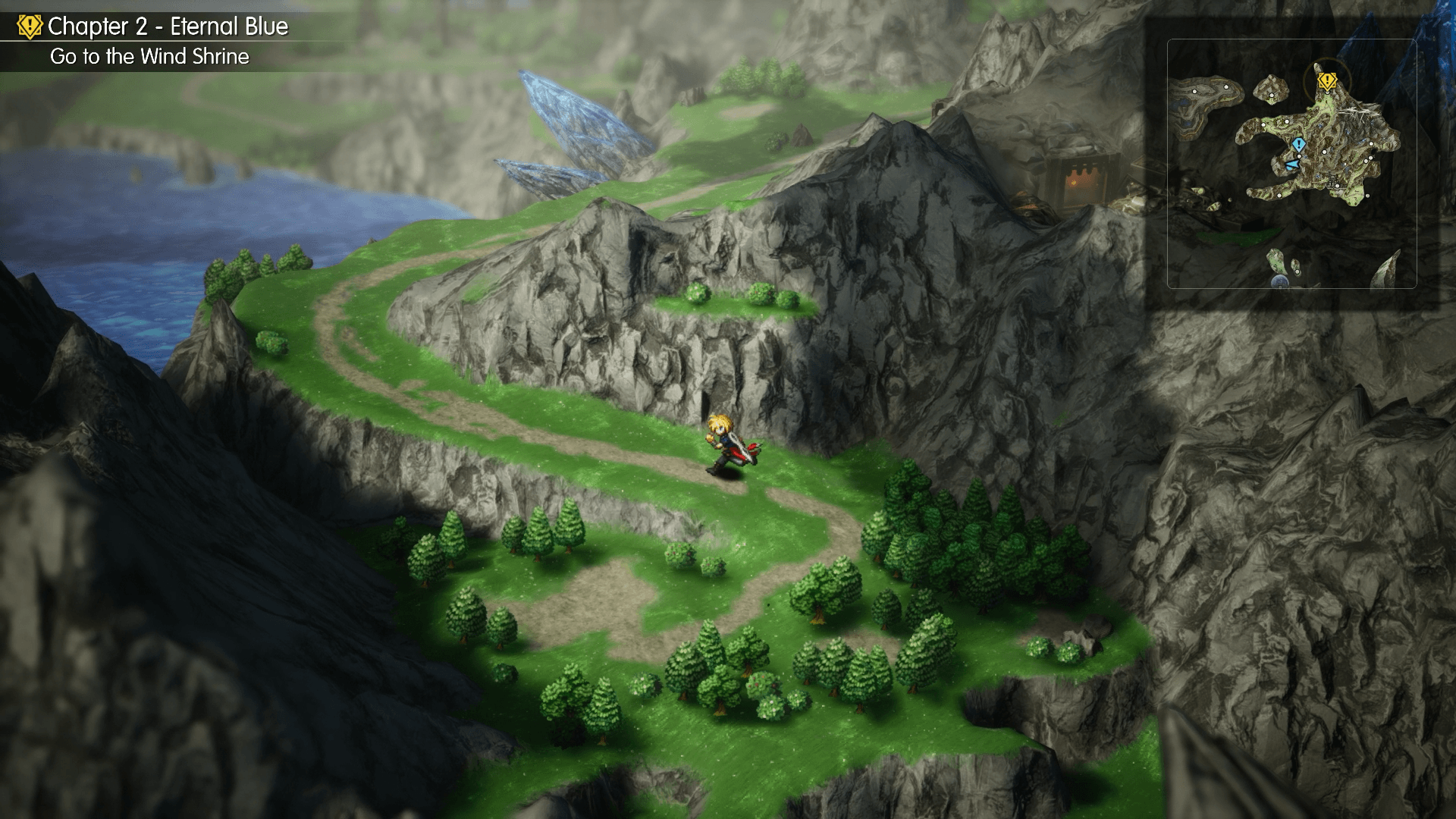
From there, Rain and Lasswell embark on a journey to protect the remaining Crystals and stop Veritas of the Dark, joined by Fina, a mysterious girl with no memories beyond her own name. It’s a very classic Final Fantasy setup, complete with Crystals, airships, mysterious villains and a party of unlikely heroes.
What makes Resonance particularly interesting, though, is how it manages to be both its own Final Fantasy adventure and a celebration of everything that came before it.
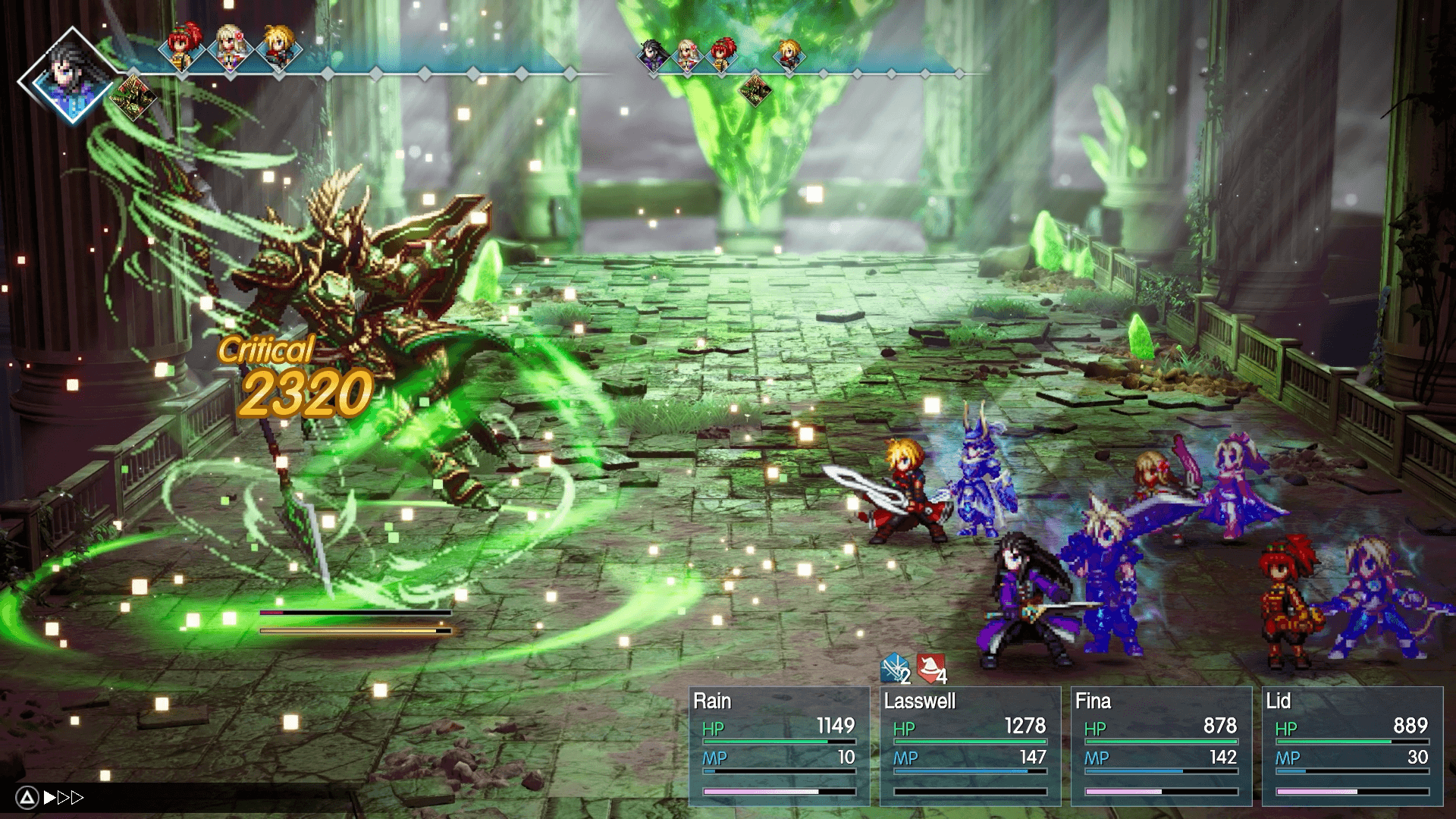
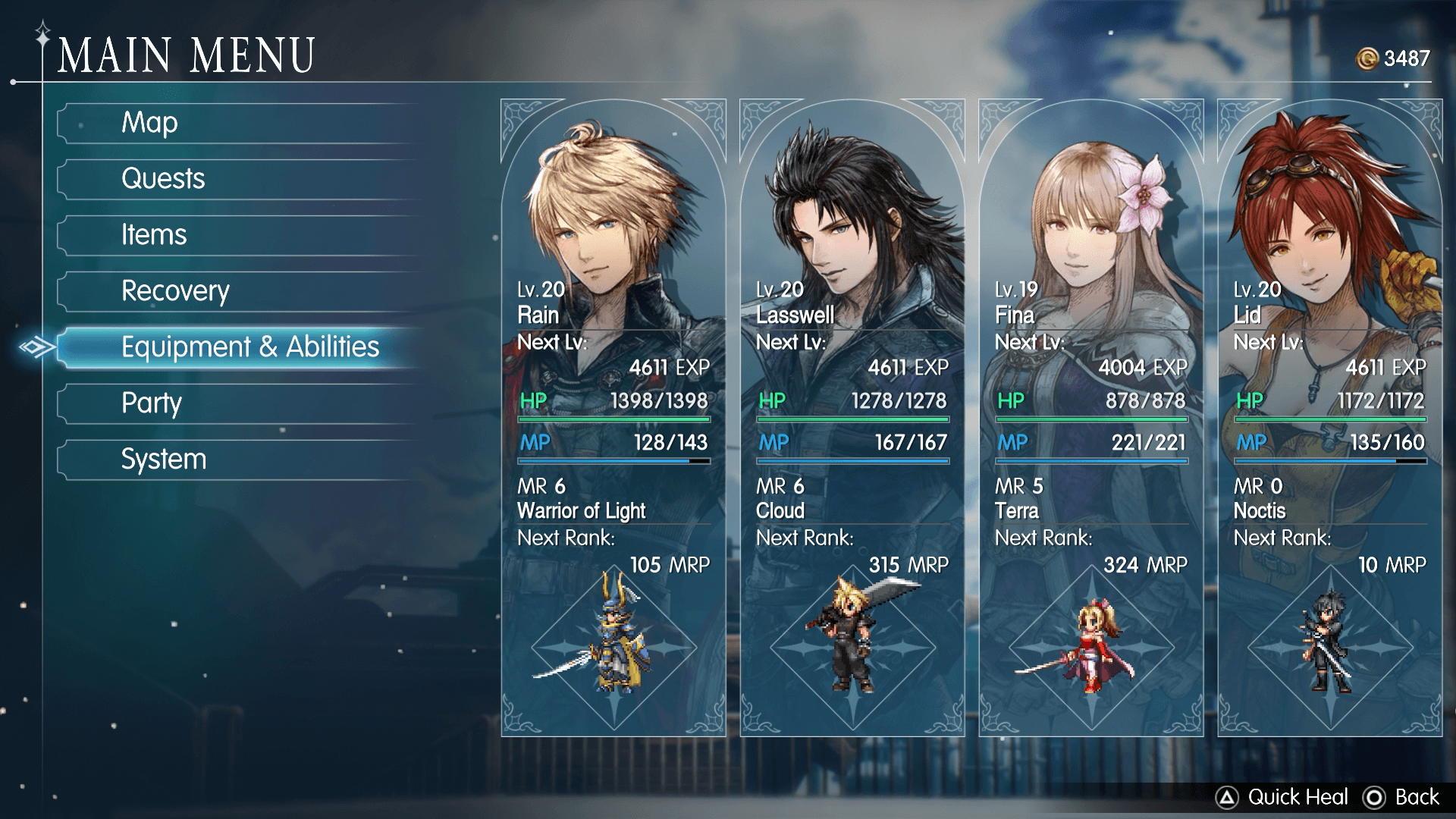
That comes largely through the game’s Vision system. Visions are essentially echoes of legendary Final Fantasy characters that can be equipped by members of your party. During my hands-on session, I was able to experience Rain, Lasswell, Fina and Lid alongside Visions representing the Warrior of Light, Cloud, Terra and Zidane.
Seeing those characters represented in the same pixel-art world is the sort of fan service that could easily have felt forced, but here it has an actual gameplay purpose.
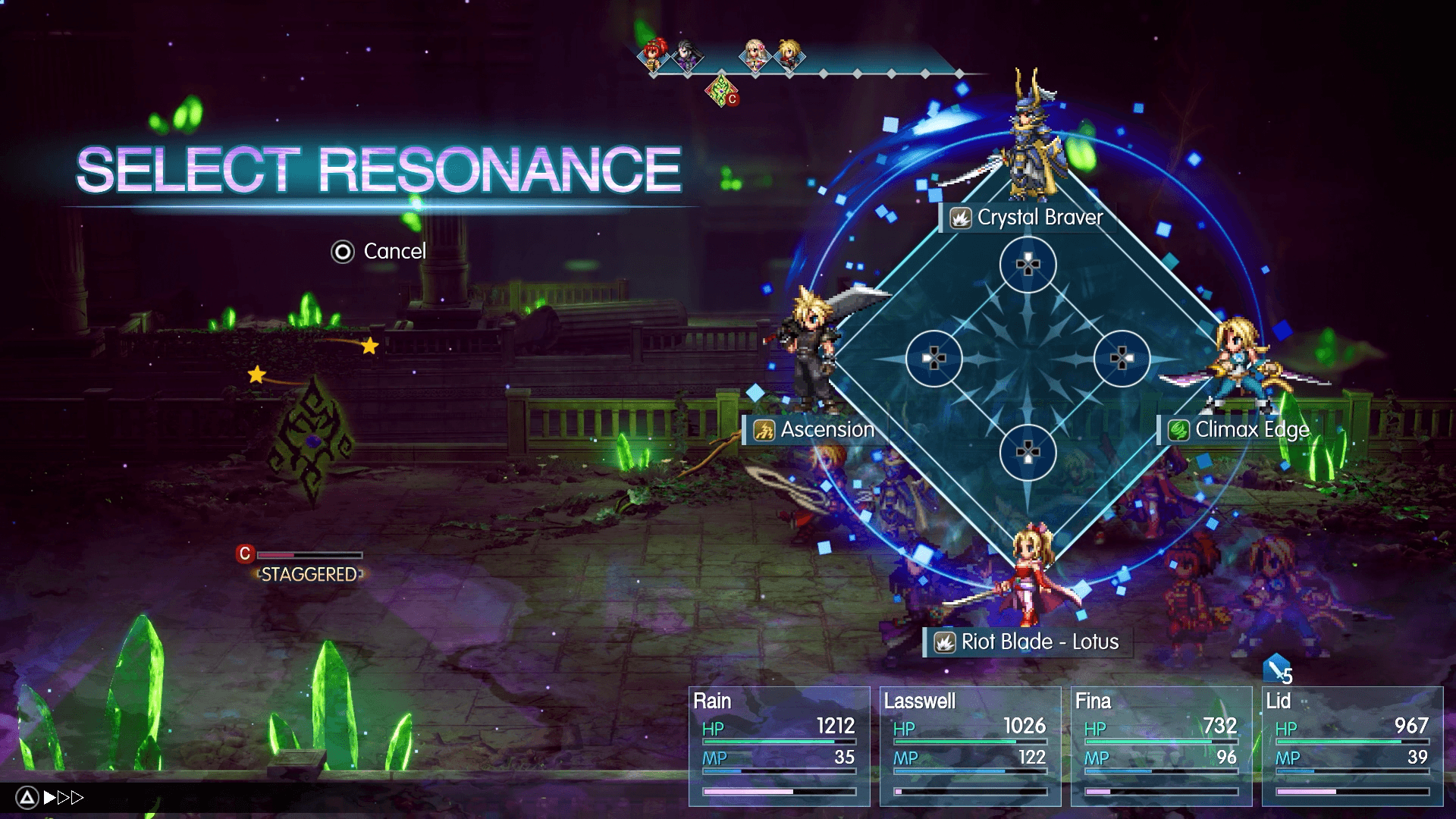
Each of your four active party members can utilise a Vision, effectively giving you the combat options of an eight-character team. Your main characters retain their own skills and abilities, while their equipped Vision provides another set of options that can be called upon during battle. It means that a character isn’t restricted to a single role, and there’s plenty of room to experiment with different combinations.
The combat itself is turn-based, with the focus placed heavily on exploiting enemy weaknesses and building towards stagger opportunities. Each turn gives me the opportunity to use a character’s standard attacks, abilities, Vision skills or items, while Fina can also make use of summons. It’s a familiar Final Fantasy foundation, but the Vision system adds another layer of decision-making to each encounter.
One of the most satisfying parts of the system is seeing how those decisions build towards Resonance attacks. Once you’ve created the right conditions in battle, these flashy, character-specific attacks can be unleashed, providing some spectacular visual flourishes and big damage numbers. They feel like the sort of reward the combat system is constantly encouraging me to work towards rather than something I can simply spam whenever I want.
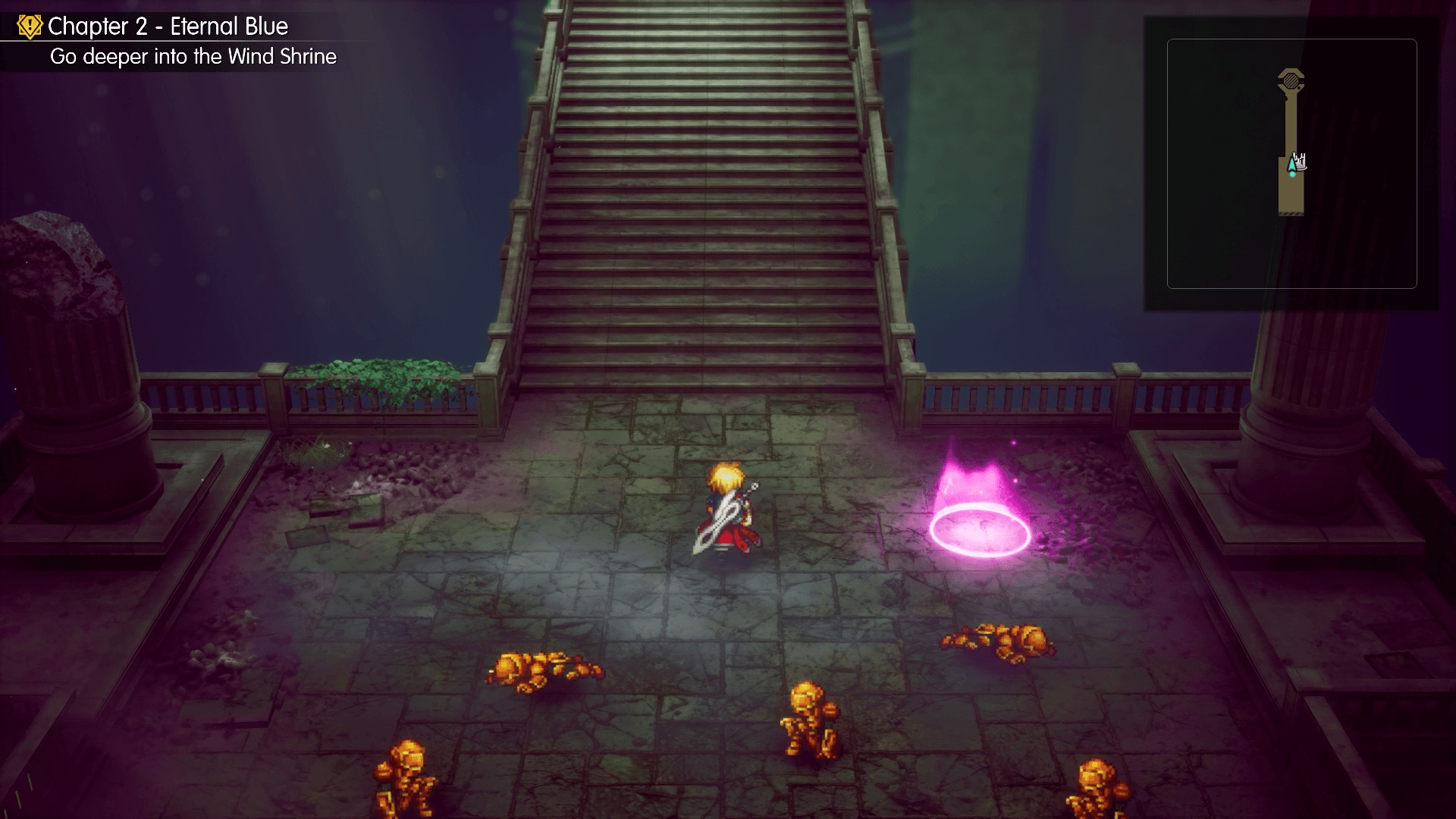
My hands-on session picked up during Chapter 2, meaning I was playing beyond the first chapter currently available in the public demo. My destination was the Wind Shrine, a set of ancient ruins filled with scattered glowing green crystals.
Visually, it was exactly the kind of environment I’d hoped to see in an HD-2D Final Fantasy. The combination of detailed pixel-art characters, layered environments, lighting effects and 3D elements gives these locations considerably more depth than traditional pixel art, while still retaining that unmistakable classic Final Fantasy aesthetic.
Exploring the shrine involved working my way through multiple levels, using lifts to progress deeper into the ruins while battling enemies along the way. Unlike many modern RPGs, Resonance isn’t constantly throwing visible enemies at me. Encounters occur randomly as you explore, giving the dungeon that old-school sense of uncertainty where I never quite know when the next battle is going to begin.
Eventually, my exploration culminated in a lengthy boss encounter against Aether, Veritas of the Heavens. Given that I was fighting him inside the Wind Shrine, it probably won’t surprise anyone to learn that wind magic featured heavily in his arsenal.
Aether wasn’t a pushover, either. He had a sizeable health bar, could summon additional minions into the battle and possessed a particularly nasty ultimate attack capable of damaging my entire party. The fight lasted long enough that I had to properly consider how I was using my resources rather than simply hammering away with my strongest attacks.
After eventually bringing him down, I was left with exactly the feeling a good preview should create. I wanted to play more.
Perhaps the biggest compliment I can give Final Fantasy Resonance is that its HD-2D presentation already feels like a natural home for the series. I’ve said for years that I’d love Square Enix to be brave enough to make something like Final Fantasy XVII a traditional pixel-art RPG. Realistically, I know that’s probably not going to happen anytime soon. Resonance feels like the closest compromise I could have asked for.
It’s classic Final Fantasy presented through a modern visual lens, while also giving Square Enix the opportunity to celebrate the entire history of the franchise through its Vision system.
My hour with Final Fantasy Resonance certainly hasn’t given me enough time to determine whether it can live up to the enormous legacy it’s drawing from, but it has given me plenty of reasons to be excited. The combination of traditional turn-based combat, random encounters, a surprisingly flexible party system and some of the best-looking pixel art Square Enix has produced makes this one Final Fantasy adventure I’m particularly eager to return to.
And the good news is that you don’t have to take my word for it. A free public demo is available now, covering the entirety of Chapter 1, with save data carrying over to the full game.
For a series that has spent decades evolving, Final Fantasy Resonance feels like a fascinating return to its roots. And after getting a glimpse of what’s waiting beyond the demo, I’m more than ready to see where the journey takes me next.
Final Fantasy Resonance launches on October 22, 2026, for PlayStation 5, Xbox Series X|S, Nintendo Switch, Nintendo Switch 2 and PC.
If you want to see more content like this and never miss one of our frequent gaming and anime giveaways come and Follow Ani-Game on Twitter.