When The Blood of Dawnwalker was first revealed, I immediately had a feeling that this was a game I needed to keep an eye on. Not just because the premise of playing a half-vampire in a medieval fantasy world sounded appealing, but because of the people behind it.
Rebel Wolves was established by a group of former CD Projekt RED developers, including many who worked on The Witcher 3: Wild Hunt and Cyberpunk 2077. At the head of the studio is Konrad Tomaszkiewicz, who served as Game Director on The Witcher 3 and later worked in a senior directing role on Cyberpunk 2077. Joining him is an incredibly experienced creative team, including Narrative Director and Lead Writer Jakub Szamałek, whose previous writing credits include The Witcher 3 and Cyberpunk 2077.
That pedigree immediately made Dawnwalker interesting to me. I knew these were people who understood how to build sprawling worlds, create memorable characters and, perhaps most importantly, write quests that could make seemingly minor decisions feel meaningful hours later.
Thankfully, The Blood of Dawnwalker doesn’t simply try to recreate The Witcher 3. The Witcher DNA is absolutely here, but Rebel Wolves has taken those foundations and built something considerably more ambitious around player choice. And for me, that’s what makes Dawnwalker so special.
The Blood of Dawnwalker takes place in a dark medieval fantasy version of 14th-century Europe, specifically the isolated region of Vale Sangora. Humanity is already suffering through the Black Death when vampires emerge from the shadows and take advantage of a weakened world.
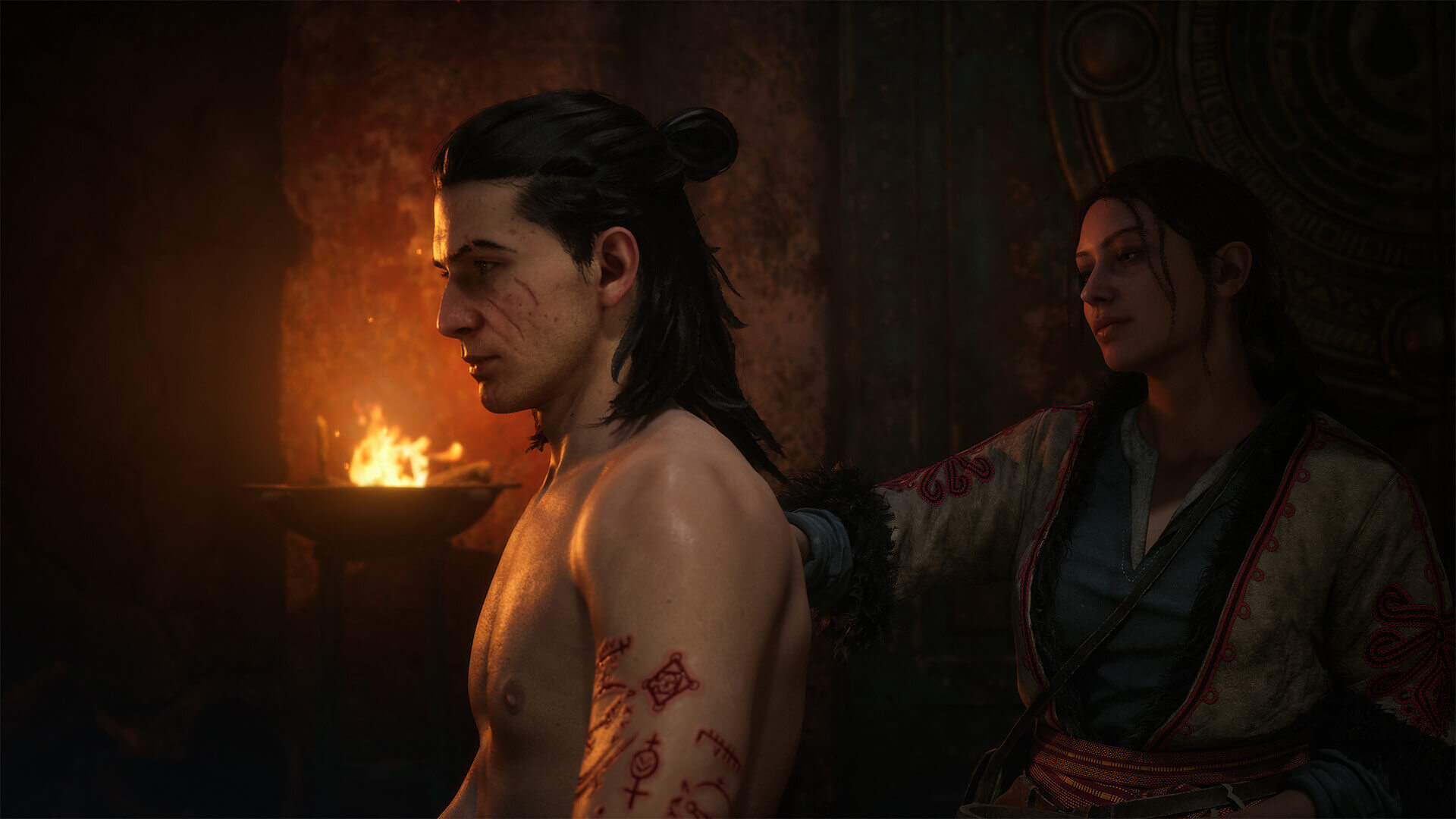
You play as Coen, a young man whose life is turned upside down when his family is taken by the vampire lord Brencis. Coen himself is transformed into something caught between human and vampire, a Dawnwalker.
Unlike a traditional vampire, a Dawnwalker can survive during daylight, allowing Coen to move between two very different identities. During the day, he’s primarily human, relying on his swordsmanship and witchcraft. At night, his vampiric nature comes to the forefront, giving him access to an entirely different set of abilities.
His objective sounds relatively straightforward. Save his family and ultimately bring down Brencis and his vampire coven. The catch is that you have just 30 days to do it.
That sounds like it should create constant pressure, but I actually found the game’s approach to the time limit remarkably clever. The 30-day countdown isn’t a real-time clock that’s constantly ticking away while I’m wandering around the world. Instead, each day is divided into day and night, with each cycle containing eight time slots.
Activities consume different amounts of those slots. Some things cost time, while others can be completed without advancing the clock at all. This became one of my favourite systems in the entire game.
Whenever an activity has a time cost, I’m told what that cost is before I commit to it. That means I’m constantly making decisions about whether something is worth spending my limited time on. Do I pursue this quest now, or save those hours for something else? Do I explore this location, or focus on the objective that’s going to help me save my family?
What’s particularly great is that I can start a questline, reach a point where it asks me to spend time, and simply walk away if I decide that the payoff isn’t worth it right now.
That transparency gives me an enormous amount of agency. The game isn’t secretly taking time away from me or punishing me for exploring. It’s telling me exactly what I’m spending, then allowing me to decide whether I want to make that investment.
And because you can’t possibly experience everything during a single 30-day run, my version of Coen’s story inevitably becomes different from somebody else’s. That’s where Dawnwalker really impressed me.
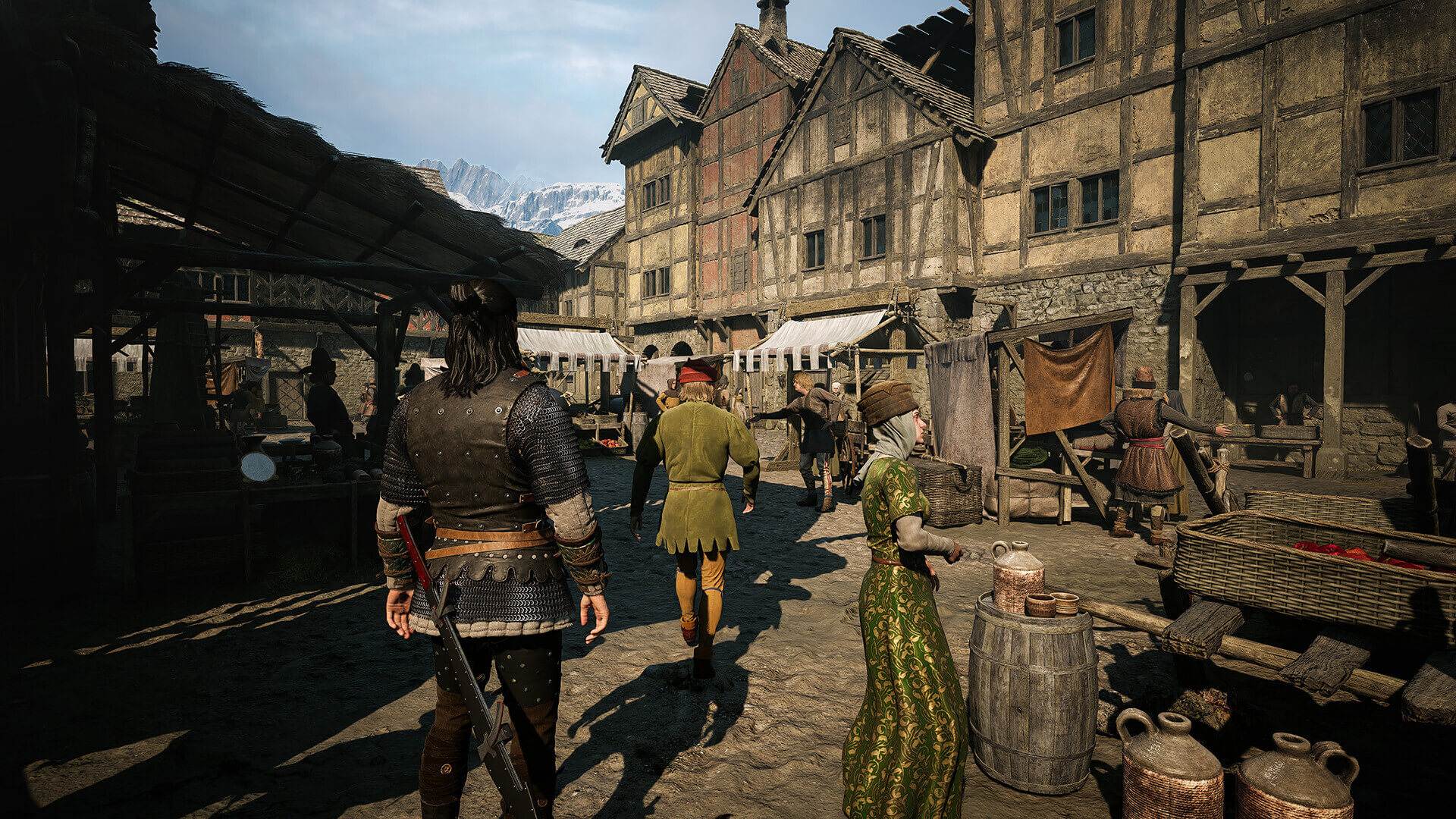
Not since Baldur’s Gate 3 have I played a game that made me feel this strongly that my decisions were genuinely shaping the experience.
There are countless moments where I could make a decision, choose to help someone, ignore them, take one path instead of another or simply decide that something wasn’t worth my time. Those decisions can have consequences much later, sometimes hours after I’ve completely forgotten about the original choice.
That makes the world feel less like a collection of predetermined questlines and more like a series of interconnected stories reacting to what I’ve done. The game doesn’t constantly remind me that I’m making a choice. It just lets me make it and live with the result. That’s incredibly refreshing.
It also gives Dawnwalker a huge amount of replayability. I can finish the game, start another playthrough and deliberately make completely different decisions. Characters I helped previously might be left to their fate. Questlines can unfold differently. My approach to Coen’s vampiric nature can change.
Even the way I approach individual encounters can be different depending on whether I arrive during the day or night.
And that brings me to one of the game’s smartest design decisions. The day/night cycle isn’t simply there to make the world look pretty.
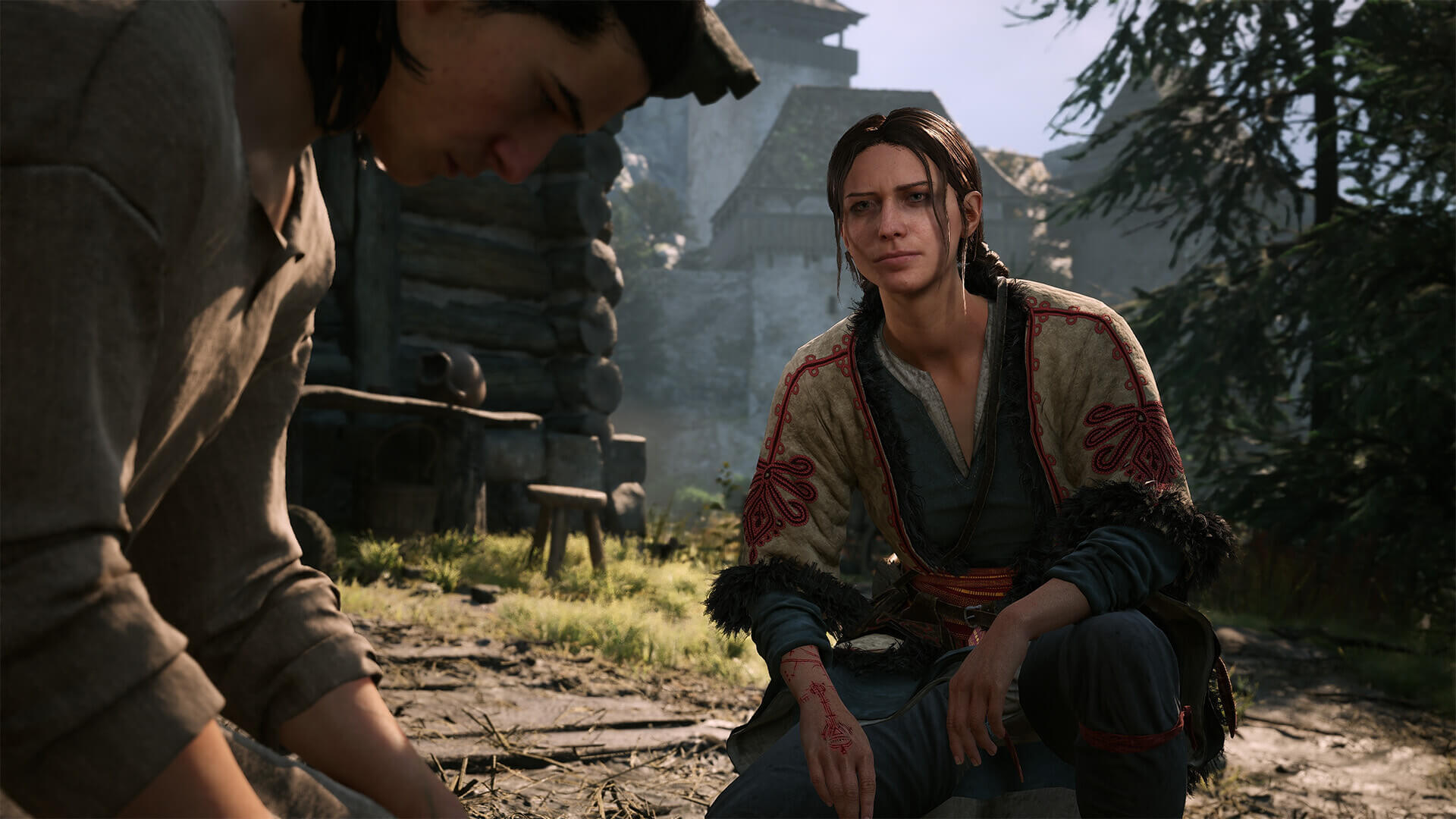
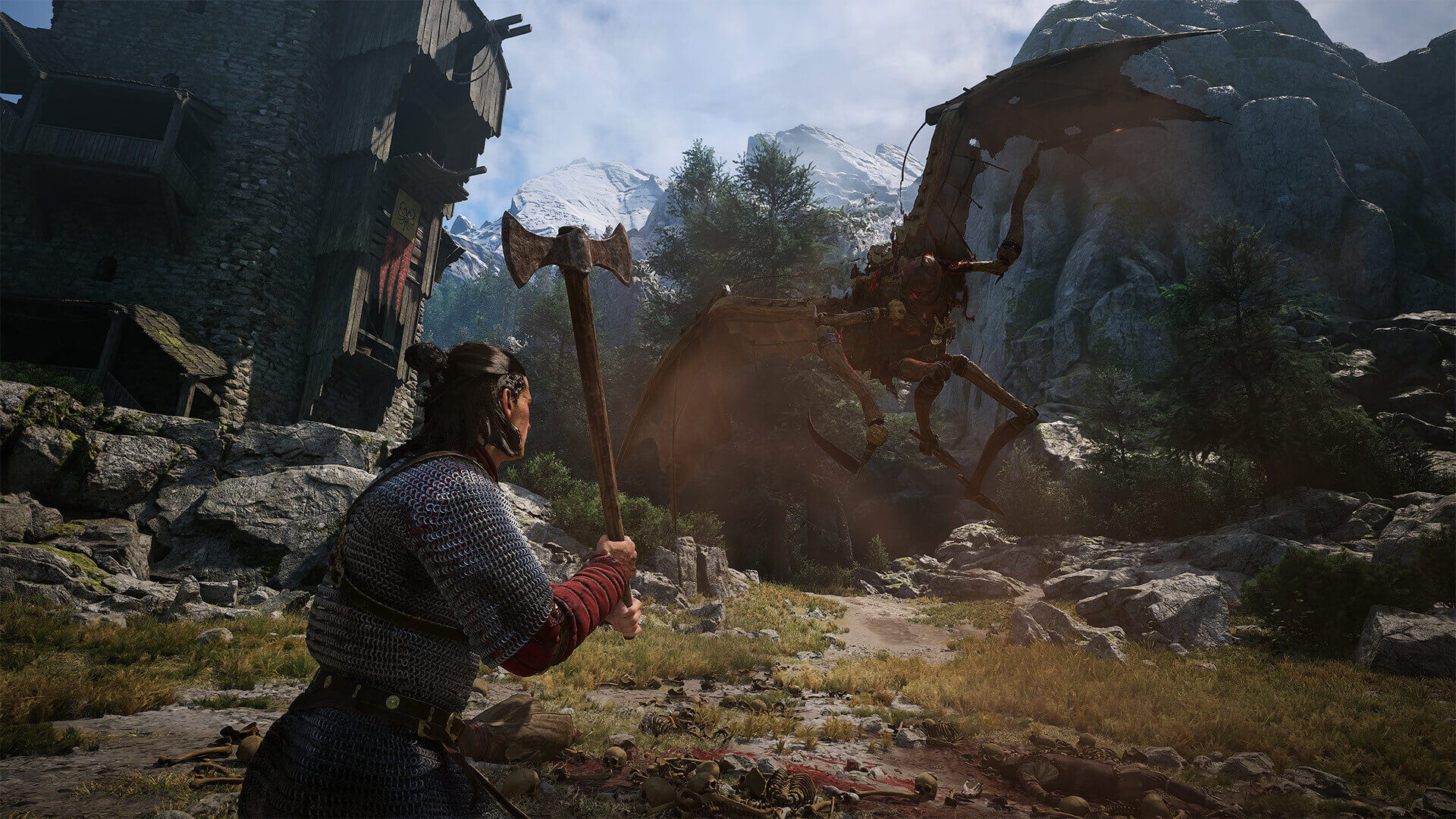
During the day, Coen is primarily human. His swordmastery and witchcraft abilities are available, allowing me to approach combat with a more traditional medieval fighting style while supplementing it with supernatural witchcraft magic.
At night, Coen becomes a much more frightening proposition. His vampiric abilities give him access to powerful attacks, including claw strikes, biting enemies and unleashing supernatural abilities. He can also shadow step, climb buildings and move through the environment in ways that simply aren’t possible during the day. That means the same objective can play out very differently depending on when I choose to tackle it.
Maybe I approach a location during the day and fight my way through the front entrance with my sword. Or perhaps I wait until night, climb the side of a building, slip through the shadows and use my vampiric abilities to deal with the situation completely differently.
It’s a simple concept, but it adds a surprising amount of depth to exploration and quest design.
There’s another layer to Coen’s vampirism too, blood. When he’s in his vampire form, Coen needs to feed. I can consume the blood of humans or animals found throughout the world. Feeding on humans, however, comes with the risk of increasing Coen’s corruption.
That corruption can unlock more powerful abilities on the vampire skill tree, but it also comes with consequences that I don’t want to spoil here. I really appreciated that the game doesn’t tell me which approach is morally correct. It gives me the choice and lets me deal with whatever comes from it.
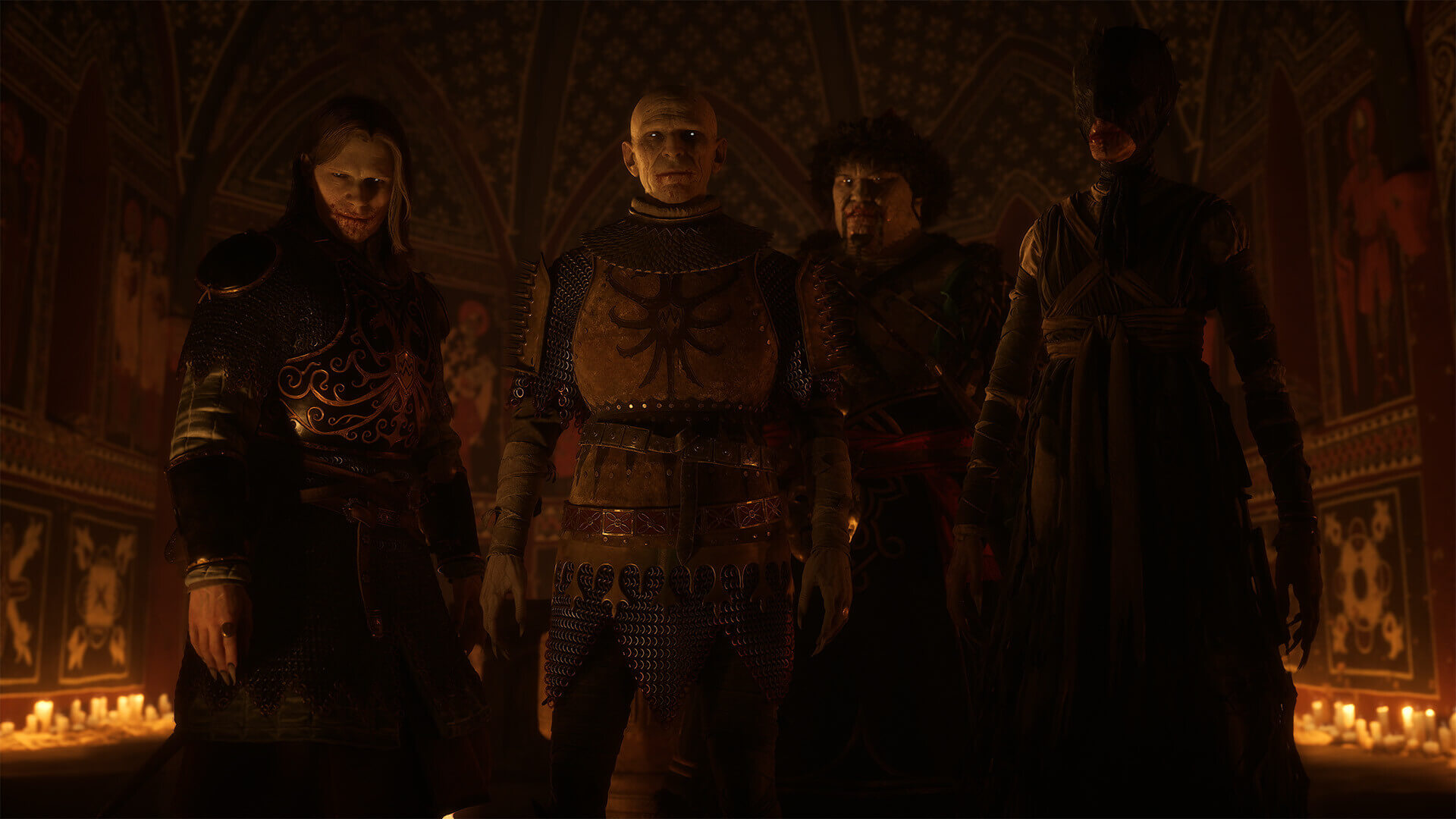
One of the strangest things about Dawnwalker is that there isn’t really a traditional distinction between main quests and side quests. There are simply things to do. People to meet, places to investigate, problems to solve, enemies to kill and so, so much more.
After the prologue, you’re essentially released into the world and encouraged to discover what matters to you. It’s a fantastic concept, and for the most part I loved it.
The world itself feels alive. The people in towns don’t simply feel like quest dispensers waiting for me to walk up and press a button. They have their own relationships, occupations and problems, and I could often get a sense of where each person fits into their community.
Even the enemies don’t simply sit around waiting for Coen to arrive and trigger their predetermined story encounter. As Coen becomes more notorious, his actions can affect how the world responds to him. The more of a threat he becomes, the more the people hunting him can learn about him.
There’s a sense that events continue to happen whether I’m there to witness them or not. That works beautifully with the 30-day structure.
I have a huge objective in front of me, defeat Brencis and save my family. But how I accomplish that is almost entirely up to me.
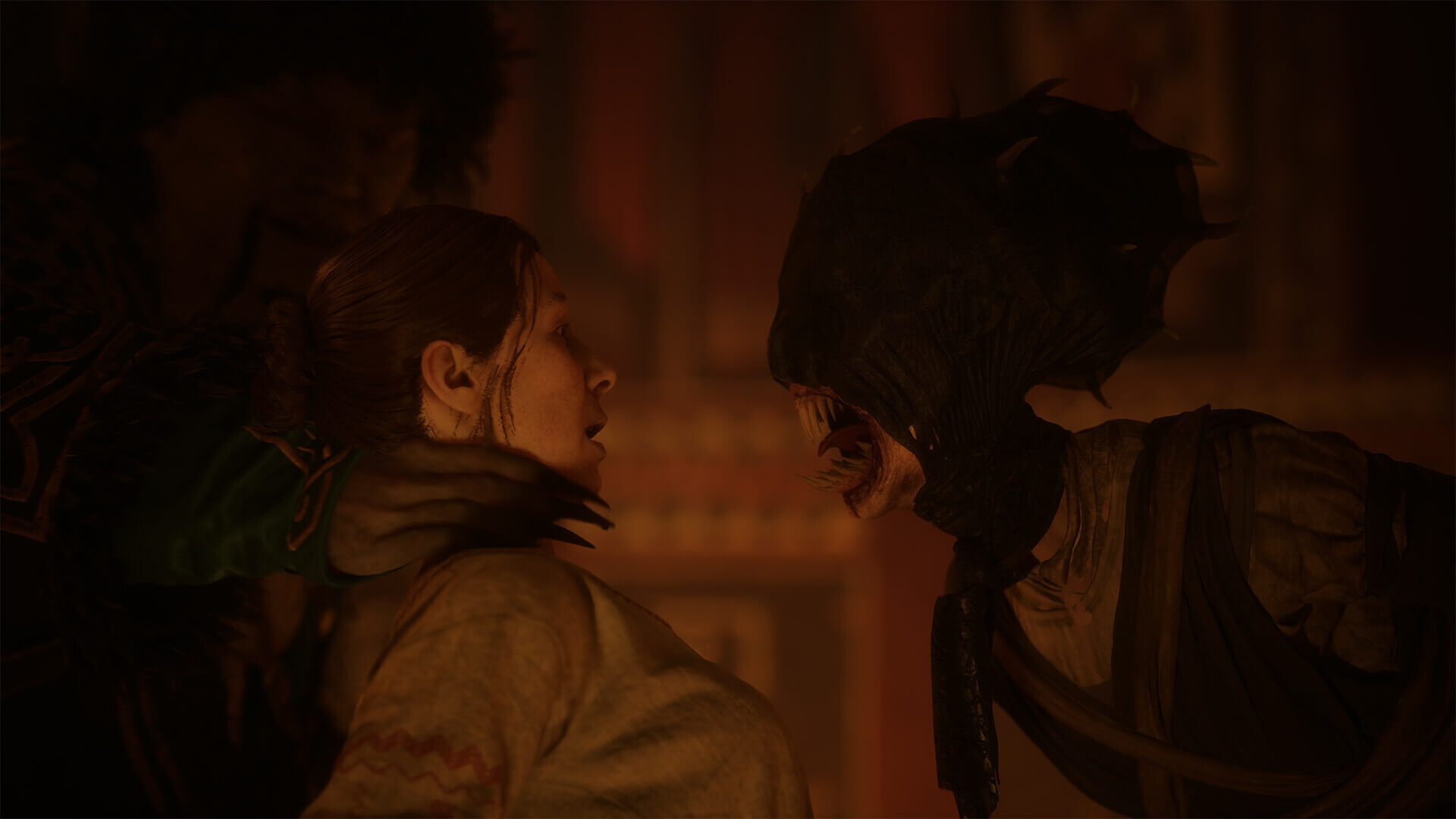
In fact, Brencis can technically be confronted from the beginning of the game if you’re skilled enough. The game isn’t forcing me down a carefully constructed sequence of objectives. It’s essentially letting me craft the kind of experience and story I want to tell. That freedom is fantastic.
But it’s also one of Dawnwalker’s biggest weaknesses. There were definitely times when I wished the game gave me slightly more guidance.
It’s very easy to wander into an area that’s far beyond Coen’s current capabilities. Early in the game especially, I could stumble into an encounter where enemies would absolutely destroy me. Because there isn’t always a clear distinction between what’s “main” and what’s “side” content, I could also start a quest that seemed perfectly reasonable, only to discover that its conclusion was completely beyond my current level.
That’s where the game’s openness occasionally worked against it. There were sessions where I only had a short amount of time to play. I’d sit down thinking I could progress another day or two, only to spend much of that session trying to figure out what I should actually try and do next.
I love that Dawnwalker doesn’t hold my hand, but there were moments when I would have appreciated a few more guardrails. It’s a difficult balance. Too much guidance would undermine the game’s philosophy of freedom, but too little can make progression feel directionless. For me, Dawnwalker occasionally crosses that line.
Combat is another area where Dawnwalker does things differently. The game uses a direction-based combat system, meaning attacks and defensive actions are influenced by the direction I’m facing and the direction enemies are attacking from.
Initially, I struggled with it. There is a definite learning curve, and early encounters can be surprisingly punishing. Coen can’t absorb many hits before he’s dead, so blindly charging into groups of enemies is usually a terrible idea.
Once I got into the rhythm, though, I started to really enjoy it. There is a satisfying flow to watching an enemy, anticipating an attack, responding to it and finding an opening to counter. The vampire abilities add another dimension to this, giving combat a very different feel once night falls.
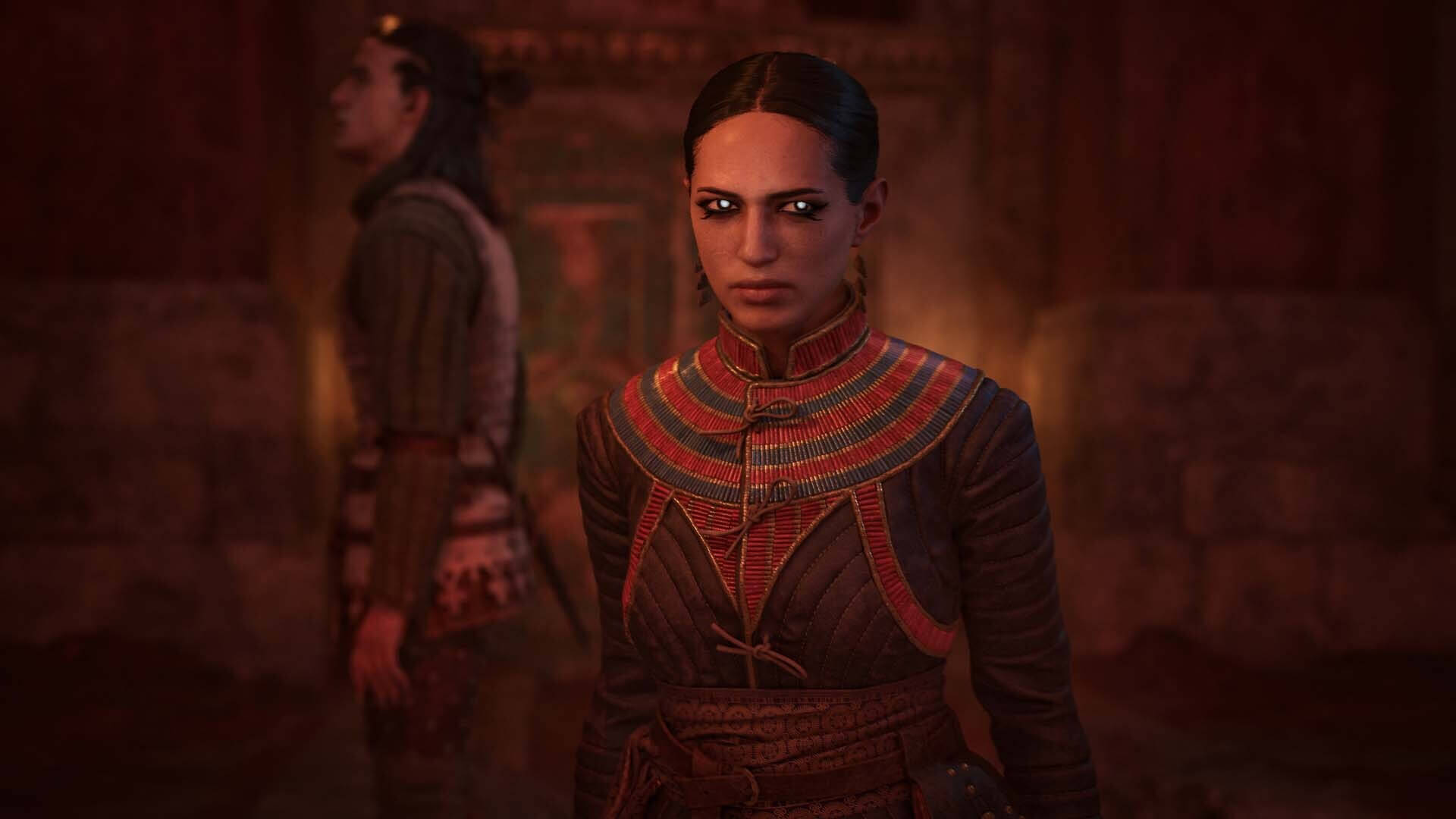
I wouldn’t call it the smoothest combat system I’ve ever played, but once I understood what the game wanted from me, I found myself enjoying encounters much more than I expected.
Progression is split across multiple skill trees, each representing a different part of Coen’s abilities.
The Swordmastery tree focuses on his physical combat skills, personal traits and various resistances. The Witchcraft tree provides magical abilities that can be used during the day, while the Vampirism tree expands Coen’s supernatural capabilities at night.
It’s a system that reinforces the game’s central idea of Coen being caught between two worlds.
Skill points are earned through progression and can be spent when visiting shrines, allowing me to unlock new abilities and improve existing ones.
There is, however, an interesting catch. Learning new skills itself costs time. That means even character progression feeds back into the 30-day system. Spending my skill points isn’t simply a menu interaction. I’m effectively deciding whether improving Coen right now is worth sacrificing some of my limited time.
I’m not entirely convinced this was necessary. There were times when I wanted to improve Coen but felt reluctant to spend precious time doing so.
At the same time, I understand why it’s there. Almost every system in Dawnwalker is built around the idea that time is a resource, and character progression is no exception.
It’s impossible to talk about Dawnwalker without mentioning The Witcher 3. There are moments where the similarities are unmistakable. The medieval villages, the dark fantasy setting, the music, the character designs, the quest structure and even some of the sound effects brought back memories of CD Projekt RED’s classic RPG.
The soundtrack in particular does an excellent job of establishing the atmosphere. There are beautiful adventuring themes that make exploring the countryside feel strangely peaceful, while the more intense battle music ramps up the tension when things inevitably go wrong. At times, the music gave me such strong Witcher 3 nostalgia that it was almost surreal.
But I don’t think Dawnwalker is simply The Witcher with vampires. Its combat is different. Its day/night structure is fundamentally different. Most importantly, the 30-day narrative sandbox creates a gameplay loop that feels distinctly its own.
The Witcher DNA is obvious, but Rebel Wolves has successfully carved out its own identity.
Unfortunately, Dawnwalker isn’t as polished as I’d have liked. At least right now. There is still a fair amount of jank here. I encountered bugs where I became stuck in parts of the environment, swords detached from Coen’s model and floated beside him while I ran around, lip-syncing occasionally went wrong and animations could glitch in ways that immediately reminded me I was playing a game. The camera also gave me trouble, both during combat and during some cutscenes.
None of these issues destroyed my experience. I never reached a point where I wanted to stop playing because of a bug. But they happened often enough to break immersion.
And given how much Dawnwalker already resembles The Witcher 3 in certain respects, there were moments where the game’s technical state reminded me of that game’s launch. The good news is that these are exactly the sorts of problems that can be addressed with patches.
The PS5 version is also receiving a Performance Mode targeting 60fps through the game’s launch patch, alongside 40fps Balanced and 30fps Quality options, which should be welcome news for players who prefer a smoother presentation.
The Blood of Dawnwalker isn’t perfect. But those criticisms don’t change how much I enjoyed my time with it.
What impressed me most was how consistently the game trusted me. It trusted me to decide what mattered.It trusted me to manage my time. It trusted me to decide how much of Coen’s humanity I wanted to preserve. It trusted me to make choices without constantly telling me which one was right.
And because of that, I genuinely felt like the Coen I played was my Coen. The Witcher influence is impossible to ignore, and honestly, I wouldn’t want it any other way. But Rebel Wolves has done enough to make The Blood of Dawnwalker feel like more than a spiritual successor to anything that came before it.
The 30-day system, the day/night gameplay, the vampire mechanics and the sheer amount of player agency give it a personality of its own.
Final Thoughts
For a studio’s first game, this is an incredibly strong effort. I’m particularly excited to see how Rebel Wolves continues to evolve Dawnwalker over time, because many of its technical problems can be fixed. What can’t be patched into a game is a genuinely good foundation, and that’s something The Blood of Dawnwalker absolutely has. And with Rebel Wolves already teasing that Coen’s journey isn’t finished, I’m very interested to see where it goes next.
For now, though, The Blood of Dawnwalker has convinced me that Rebel Wolves deserves to be taken very seriously. This is a new IP with the DNA of The Witcher, but its own ideas about what an open-world RPG can be.
And after spending 30 days trying to save Coen’s family, I’m already looking forward to finding out what I might do differently the next time.
A PS5 review code was provided by the publisher for the purpose of this review.
If you want to see more content like this and never miss one of our frequent gaming and anime giveaways come and Follow Ani-Game on Twitter.
9
- + A great medieval fantasy world to get lost in
- + Incredible writing and characters
- + Provides so much player agency to make choices
- + Has a really great soundtrack
- - Does have some technical hiccups that still need to be patched out.
- - The openness of its quest structure can occasionally make progression unclear.