There’s something particularly fitting about The Sinking City 2 arriving as a game shaped by adversity. Developer Frogwares has always had a strong relationship with Lovecraftian horror, but this sequel takes that foundation in a noticeably different direction. While the original The Sinking City leaned heavily into open-world investigation and detective work, The Sinking City 2 shifts the series towards survival horror.
That could have been a risky move. Instead, I think Frogwares has made the transition remarkably well. The game feels much closer to the classic survival horror structure we’ve come to know from Resident Evil, while still retaining the oppressive atmosphere, cosmic horror and unsettling mythology that made the original stand out. What makes that achievement even more impressive is the circumstances surrounding its development. Frogwares is based in Ukraine, and the team has continued working through the realities of the war. That context makes the game’s existence feel like an accomplishment in itself, but more importantly, it hasn’t stopped the studio from delivering a game that feels considered and confident in the direction it has taken.
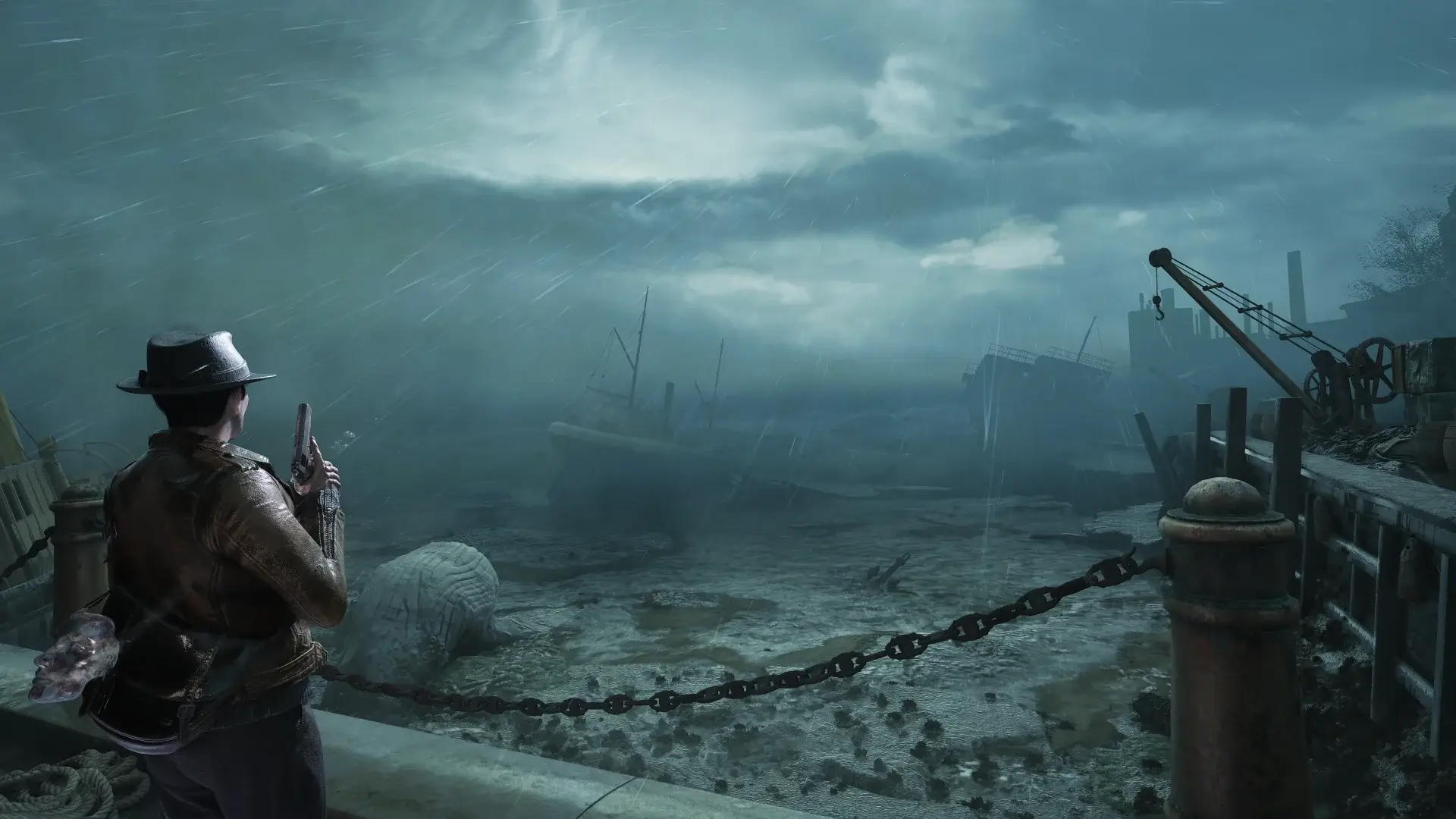
The story introduces a new cast, with Calvin and Faye taking centre stage. Calvin is our protagonist, a man drawn into a mystery that quickly becomes much more dangerous than he initially anticipated. His search leads him back into the flooded, decaying world that defines The Sinking City, while Faye becomes an important companion and the catalyst for Calvin’s whole journey. Their relationship gives the story a more personal dimension, particularly as the horrors around them become increasingly difficult to comprehend.
The result is a story that feels less like a traditional linear horror campaign and more like one long investigation. Every document, room and strange discovery has the potential to add another piece to the puzzle. The further I progressed, the more the different threads began to come together, while the game’s Lovecraftian themes ensured that the answers were rarely as straightforward as I might have hoped.
Calvin and Faye also benefit from the game’s slower approach to storytelling. There are plenty of moments where the horror is allowed to breathe, giving the two characters time to react to what they’re experiencing rather than immediately throwing another monster encounter at me. That helps establish the sense that they’re not simply action heroes moving through a haunted city. They’re people trying to understand something far beyond their own experience.
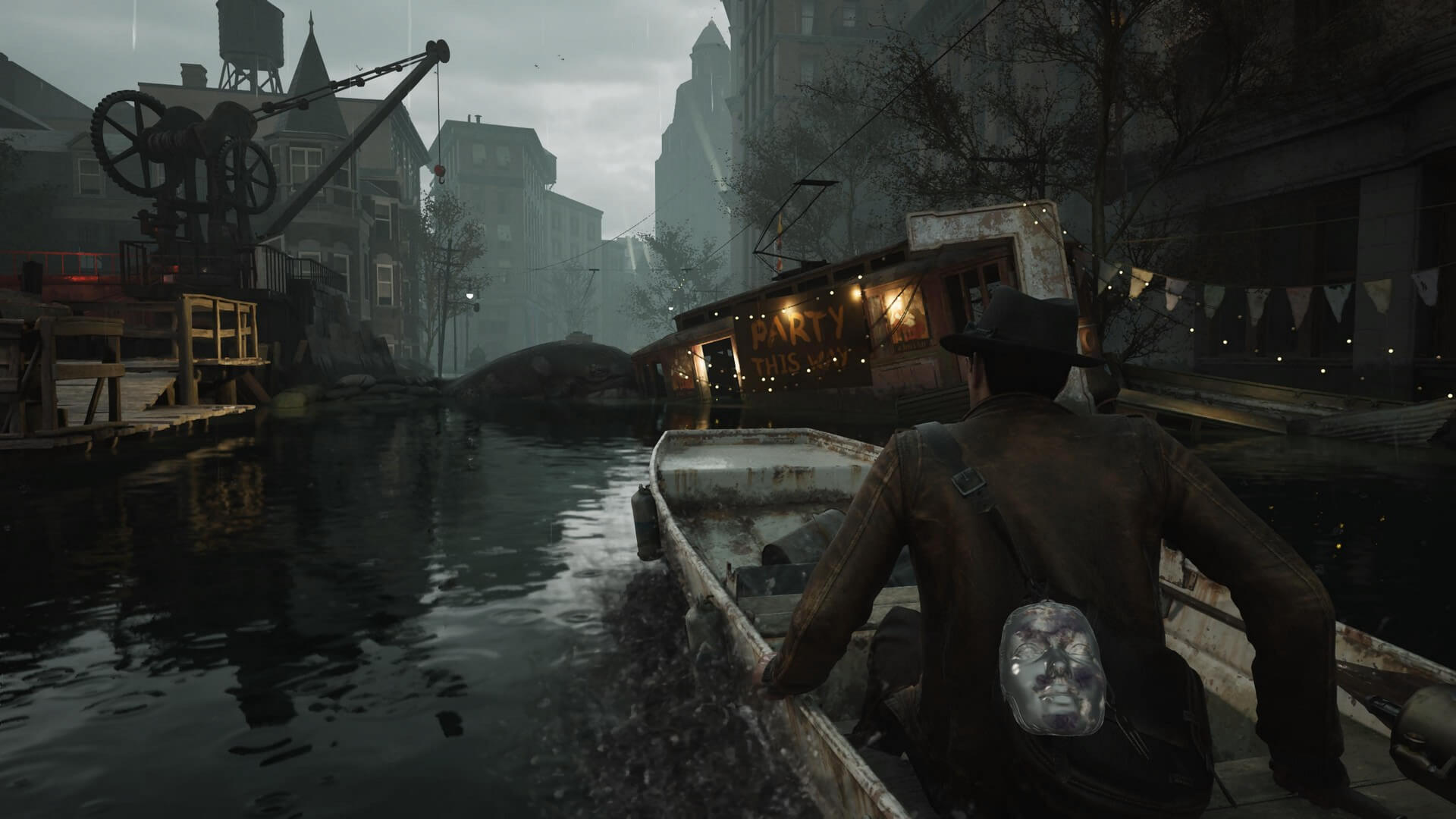
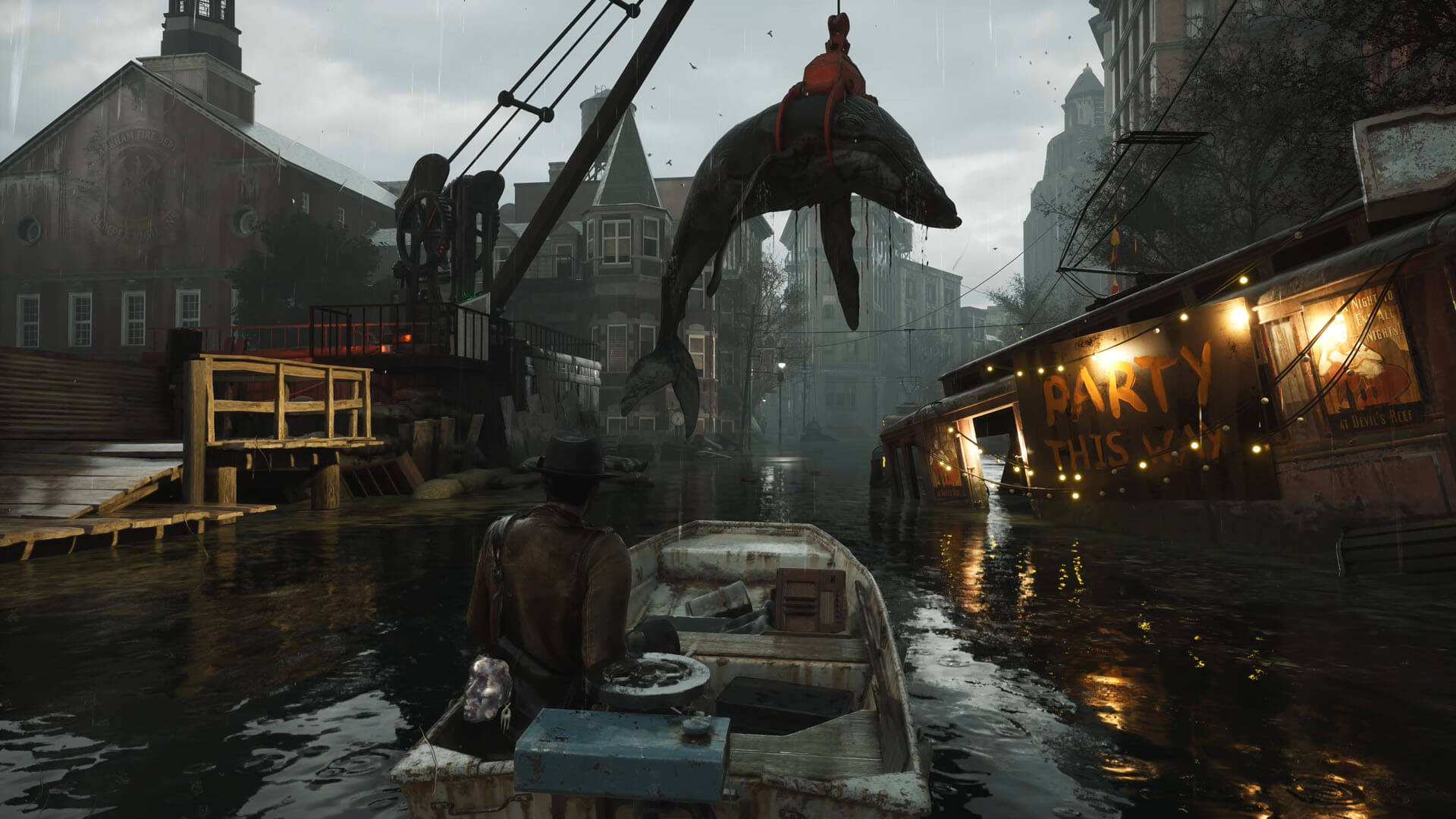
The setting remains one of the game’s biggest strengths. The city is still largely abandoned, its streets and buildings shaped by the devastating flood that has transformed the environment into something that feels barely habitable. There’s a constant sense that civilisation has retreated and something else has taken its place. That something is the Slither, an ever-present threat that turns exploration into a potentially dangerous proposition. It’s an effective evolution of the original game’s world, taking familiar Lovecraftian ideas and putting them into a more focused survival horror framework.
Structurally, The Sinking City 2 owes a lot to the Resident Evil formula, and I mean that as a compliment. Rather than giving me a massive open world to wander through without much direction, the game uses a larger semi-open map divided into individual locations. As I progressed, these areas gradually opened up, revealing new paths and connections between previously inaccessible rooms and zones.
That structure worked particularly well for me because it gives exploration a sense of purpose. I wasn’t simply wandering around looking for something to do. I had a clear objective, but the route towards it was usually obscured by locked doors, environmental puzzles, investigations and smaller tasks that gradually revealed more of each location.
The story takes you through a series of major locations, and one of the things I appreciated most was how distinct they all felt. There’s an old hotel, an abandoned church and a creepy hospital, among other locations, and each one has its own visual identity and atmosphere. This variety is important in a horror game because spending too long in one type of environment can make the experience feel repetitive. Here, every new location brought a slightly different flavour of dread.
The gameplay loop itself is familiar. I’d arrive somewhere with a specific objective, then work through a series of smaller puzzles, investigations and tasks to progressively unlock the area. Eventually, I’d reach the main objective, deal with whatever horror was waiting for me and return the item or information to the person who had requested it before moving on.
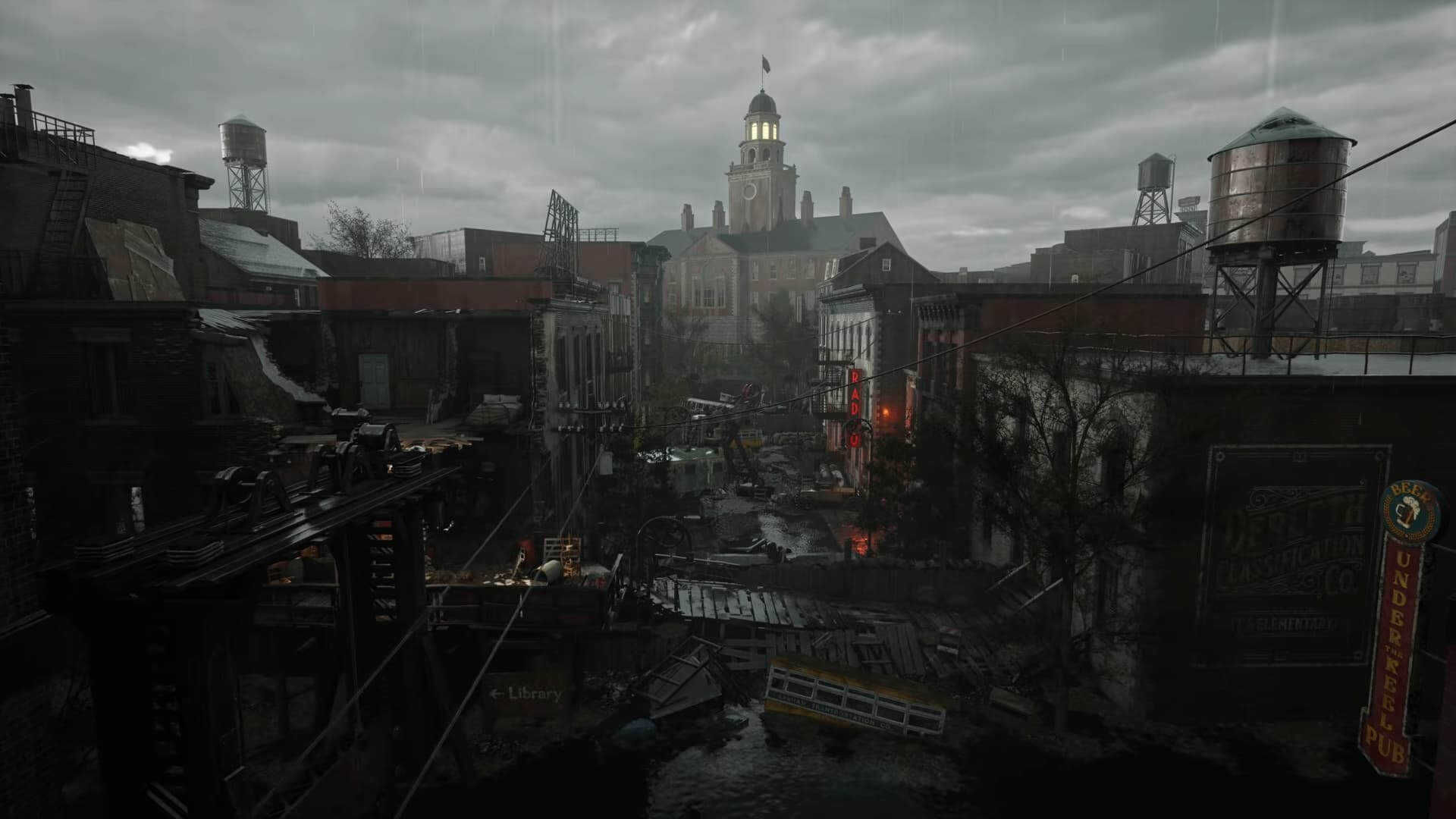
We’ve seen this structure countless times before, but it works because of how Frogwares layers its mysteries into the environments. There’s always another room to investigate, another document to read or another clue that changes how I understand what I’m looking at. The locations are effectively little interconnected mysteries, and that makes exploration feel rewarding rather than simply necessary. Saying that, there are definitely times where the backtracking between the puzzles objective and the clues gets excessive and there are some sections where this could be tightened up for the better.
The puzzles are a particularly strong part of this design. A lot of the solutions aren’t simply presented through obvious environmental clues. Instead, I often had to actually read the documents and pieces of lore scattered throughout the world. These clues are then brought together using the investigation board found in the menu.
This is where the game can become genuinely satisfying. I’m not just looking for a glowing object or following a waypoint. I’m reading through documents, connecting information and trying to understand the subtext of what characters have written. When everything finally clicks, there’s a real sense of accomplishment.
Frogwares has also sensibly included different puzzle difficulty options. If this kind of investigation isn’t your thing, the game can provide more assistance, with documents offering clearer hints or highlighting important words. Alternatively, I can turn those assists off entirely and make things considerably more challenging. On the higher difficulty, I really had to put my thinking cap on and piece together the meaning behind the documents myself.
The map is another essential part of the experience. I quickly learned that knowing how rooms connected to one another was critical for navigating the larger locations and figuring out how to reach objectives. One small feature I particularly liked was the way completed rooms are highlighted in blue once I’ve discovered everything worth finding there. It’s a simple quality-of-life feature, but it eliminated a lot of unnecessary backtracking and made it easy to see which areas still deserved my attention.
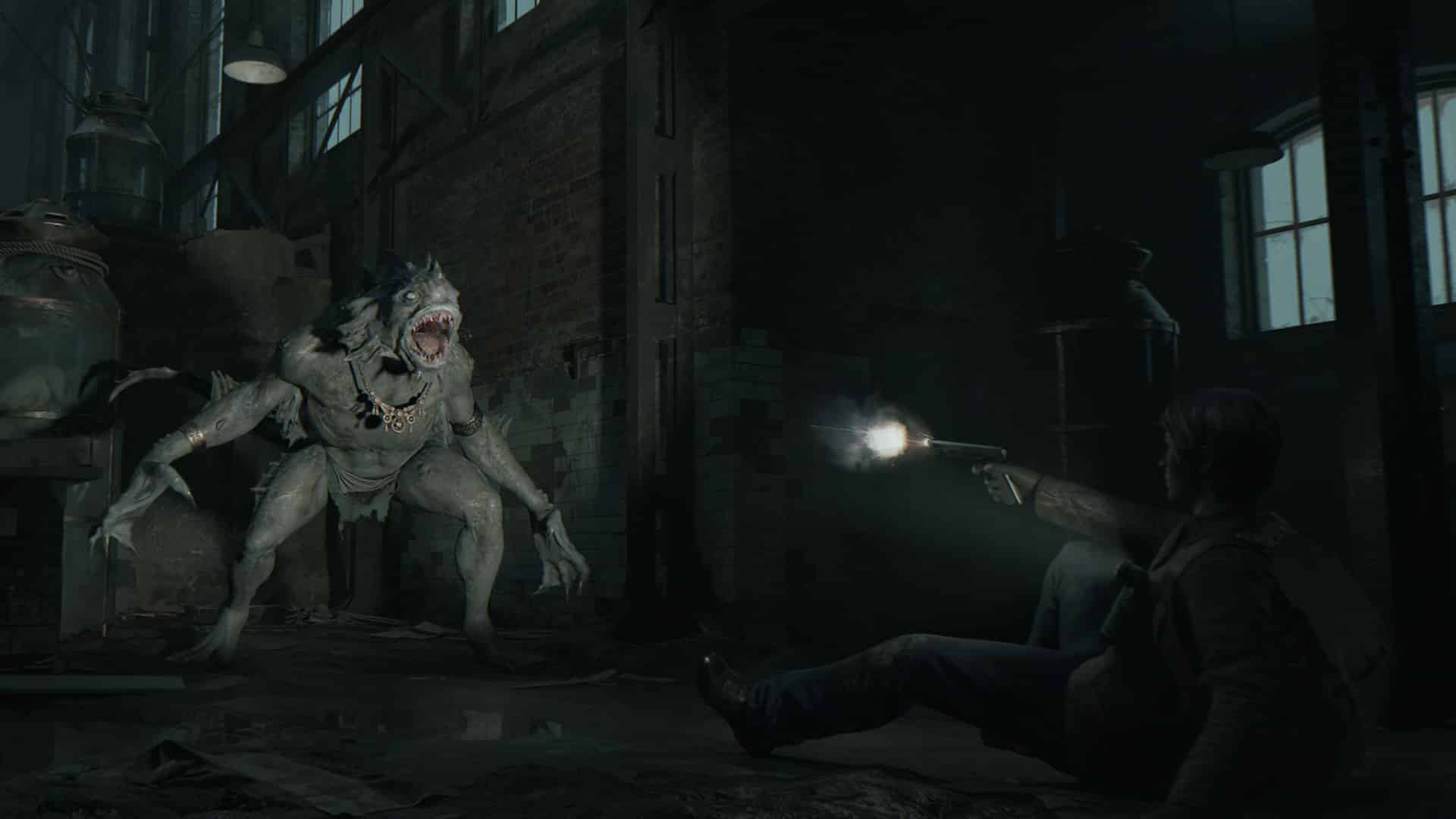
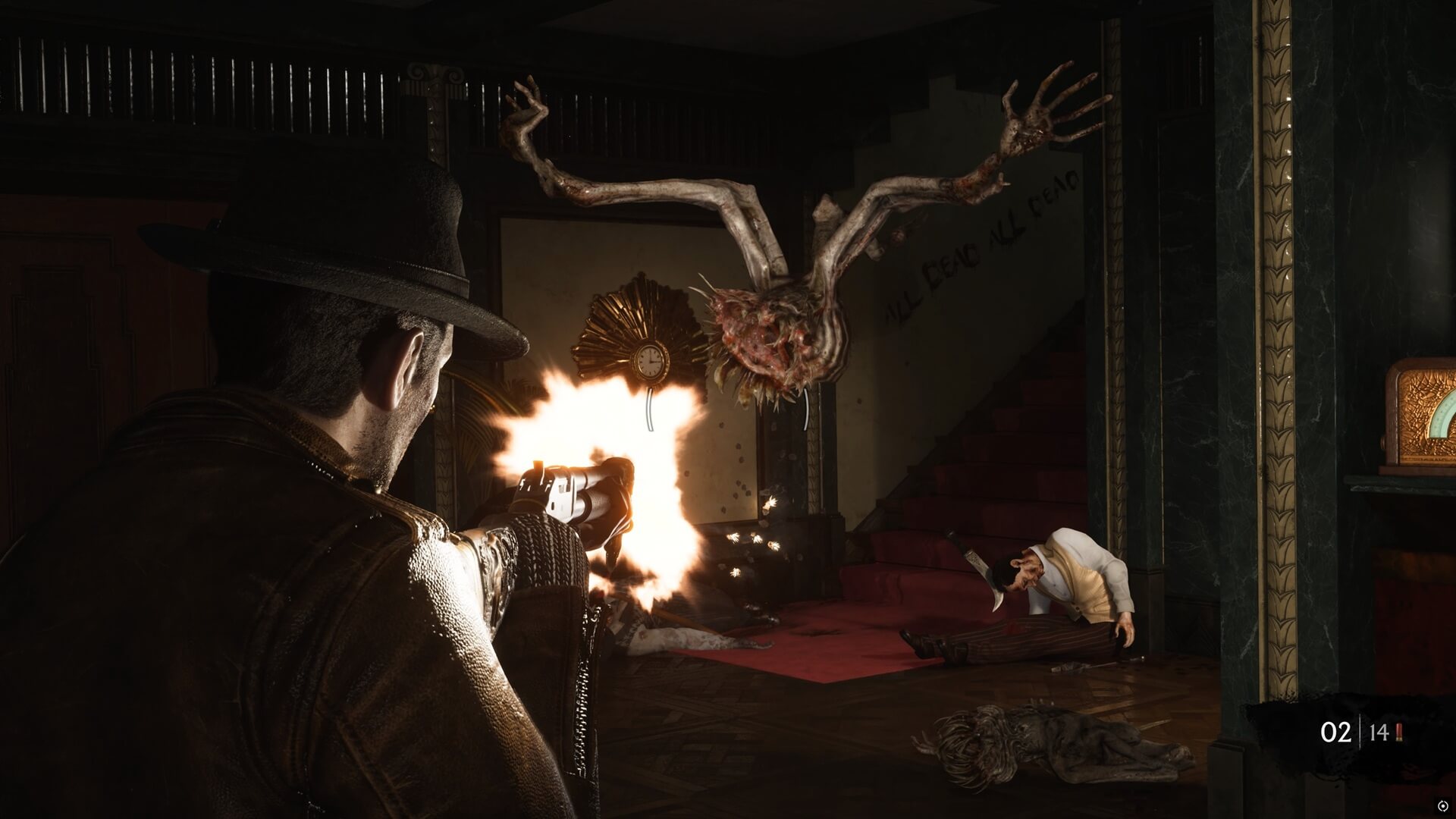
The Slither adds another layer to all of this. Every location comes with its own threats, and some new types of enemies are introduced as the game progresses. That gradual escalation helps maintain tension because you can never completely settle into a familiar combat rhythm.
Unfortunately, combat is also one of the areas where some of the game’s jank becomes apparent. Shooting feels like it could use more impact. The weapons themselves sound great, but enemies don’t always react with the level of feedback I’d expect from a modern survival horror game. Melee combat is even less convincing. There are moments where attacks don’t seem to connect properly, particularly when an enemy is already in the middle of its own attack animation. It can make combat feel slightly disconnected from what I’m seeing on screen. And adds to the tense frustration when I seemingly get unfairly attacked.
The character models have a similar problem. The facial animation often feels stiff, and the lip-syncing doesn’t always have the fidelity needed to sell the emotional weight of certain scenes. This is particularly noticeable with Calvin and Faye because the story puts them through some genuinely horrific situations. Better facial animation would have helped both characters communicate the fear, exhaustion and psychological turmoil they’re experiencing.
Still, these rough edges never completely undermine the experience, largely because the atmosphere is so strong.
The sound design deserves a lot of credit here. Rain constantly beating against the environment helps reinforce the miserable conditions of the city, while the weapons have a satisfying weight to their sound. Most importantly, there’s the Slither. The squelching, wet sounds they make remain unsettling every single time I hear them. It’s the kind of sound design that makes me uncomfortable before I’ve even seen what’s coming.
Frogwares has also made good use of the PS5’s DualSense features. Faye’s voice coming through the controller speaker is a nice touch, while the adaptive triggers give the weapons different levels of resistance. These aren’t revolutionary uses of the hardware, but they contribute to the immersion and make the experience feel more specifically designed for PS5 rather than simply being another game running on the platform.
Progression is handled through Calvin’s skill tree, which allows you to unlock and improve abilities as you progress. It gives me a reason to explore, collect upgrades and try and complete the requirements detailed in the menu to gain more points to spend to purchase more perks, allowing me to shape Calvin into a more capable survivor. The system isn’t particularly complicated, but it fits the game’s structure well and gives exploration another practical reward.
In terms of length, I think The Sinking City 2 strikes a pretty good balance. I finished my playthrough in around 11 hours while taking the time to search for documents, upgrades and other collectibles throughout the levels. That’s enough time for the game to establish its characters, locations and mysteries without overstaying its welcome. There’s also a New Game+ mode, and I particularly like that Frogwares has done more with it than simply allowing me to carry over my gear and upgrades. It introduces some interesting changes to the story and gives me another reason to revisit the game beyond simply making a second playthrough easier.
Ultimately, though, what stays with me most is how successfully The Sinking City 2 captures the spirit of Lovecraftian horror.
It understands that Lovecraft isn’t just about tentacles, monsters and forbidden books. It’s about uncertainty, isolation and the uncomfortable idea that there are things in the world that human beings simply aren’t equipped to understand. The city feels like a place where reality has become unstable, where every abandoned building might contain something that changes what I thought I knew. The constant rain, decaying architecture, strange creatures and grim investigations all contribute to that sense of creeping existential dread.
For me, that’s why the genre shift works. Frogwares hasn’t abandoned what made The Sinking City interesting. Instead, it has taken those foundations and built a more focused survival horror experience around them. The Resident Evil-inspired structure gives the game a stronger gameplay rhythm, while the investigation mechanics and Lovecraftian storytelling make sure it still feels distinctly like The Sinking City.
There’s certainly room for improvement. Combat needs more feedback, melee encounters need to feel more responsive and the facial animation could do much more to sell the emotional side of the story. Those lingering technical rough edges are noticeable. But I found it surprisingly easy to forgive them because the rest of the experience works so well.
The Sinking City 2 is a confident evolution of the series. It takes a familiar world, changes its genre emphasis and somehow manages to make the result feel both fresh and faithful. The layered investigations, varied locations, excellent sound design and oppressive atmosphere kept me engaged throughout, while the Lovecraftian themes gave the horror a depth beyond simply fighting monsters.
Frogwares has taken a considerable step forward with this sequel. It may still have some of the rough edges associated with the first game, but underneath them is a genuinely effective survival horror experience. For fans of Lovecraft, investigative horror or classic survival horror design, I think there’s plenty here to appreciate.
Most importantly, I came away feeling that Frogwares accomplished exactly what it set out to do. The Sinking City 2 isn’t just a sequel that happens to be a survival horror game. It feels like a natural evolution of the series, and one that understands exactly what makes its strange, flooded world worth returning to.
A PS5 review code was provided by the publisher for the purpose of this review.
If you want to see more content like this and never miss one of our frequent gaming and anime giveaways come and Follow Ani-Game on Twitter.
8.5
- + Makes the shift to survival horror really well
- + Puzzles that are fun to collect clues for and solve
- + Immersive sound design
- + Captures the feel and atmosphere of Lovecraft really well
- - Combat still doesn’t feel amazing
- - Facial animations undersell the horrors Calvin is going through
- - Does have some unnecessary backtracking