When I first sat down to play Denshattack on PS5, I honestly didn’t know what to expect. It looked stylish enough from the trailers, but it wasn’t a game that had dominated headlines or generated the kind of hype that usually surrounds major releases. After spending a considerable amount of time with it, though, I came away convinced that this is going to be one of those surprise hits that catches a lot of people completely off guard. It’s the kind of game that quietly arrives, builds momentum through word of mouth, and suddenly everyone is asking why they weren’t paying attention sooner. Denshattack has an incredibly addictive gameplay loop, a memorable visual identity, and enough personality to stand out in an increasingly crowded genre. It certainly isn’t perfect, but it’s packed with charm, confidence, and some genuinely brilliant ideas that kept me hooked.
The story revolves around a group of colourful characters who find themselves caught up in a conflict that is much larger than they initially realise. Without diving into spoiler territory, the narrative steadily expands from what feels like a relatively straightforward premise into something far more layered, with mysteries to uncover, alliances to build, and a number of emotional moments along the way. What I appreciated most was how the cast develops throughout the journey. Each character has clear motivations and distinct personalities, making it easy to become invested in their struggles. While there are certainly some familiar anime-inspired story beats, the game presents them with enough confidence and sincerity that they don’t feel tired or predictable.
The game’s storytelling is delivered through a visual novel style presentation, and as a fan of that genre, it’s something I quite enjoyed. Character portraits are expressive, conversations are well paced, and the presentation allows the personalities of the cast to shine through. Rather than relying solely on lengthy exposition, Denshattack mixes dialogue with strong visual direction, environmental storytelling, and stylish transitions that keep everything feeling dynamic. The visual novel approach also gives the game room to flesh out relationships between characters without interrupting the overall pacing. By the time major story moments arrive, they carry genuine emotional weight because the game has taken the time to let you know the people involved.
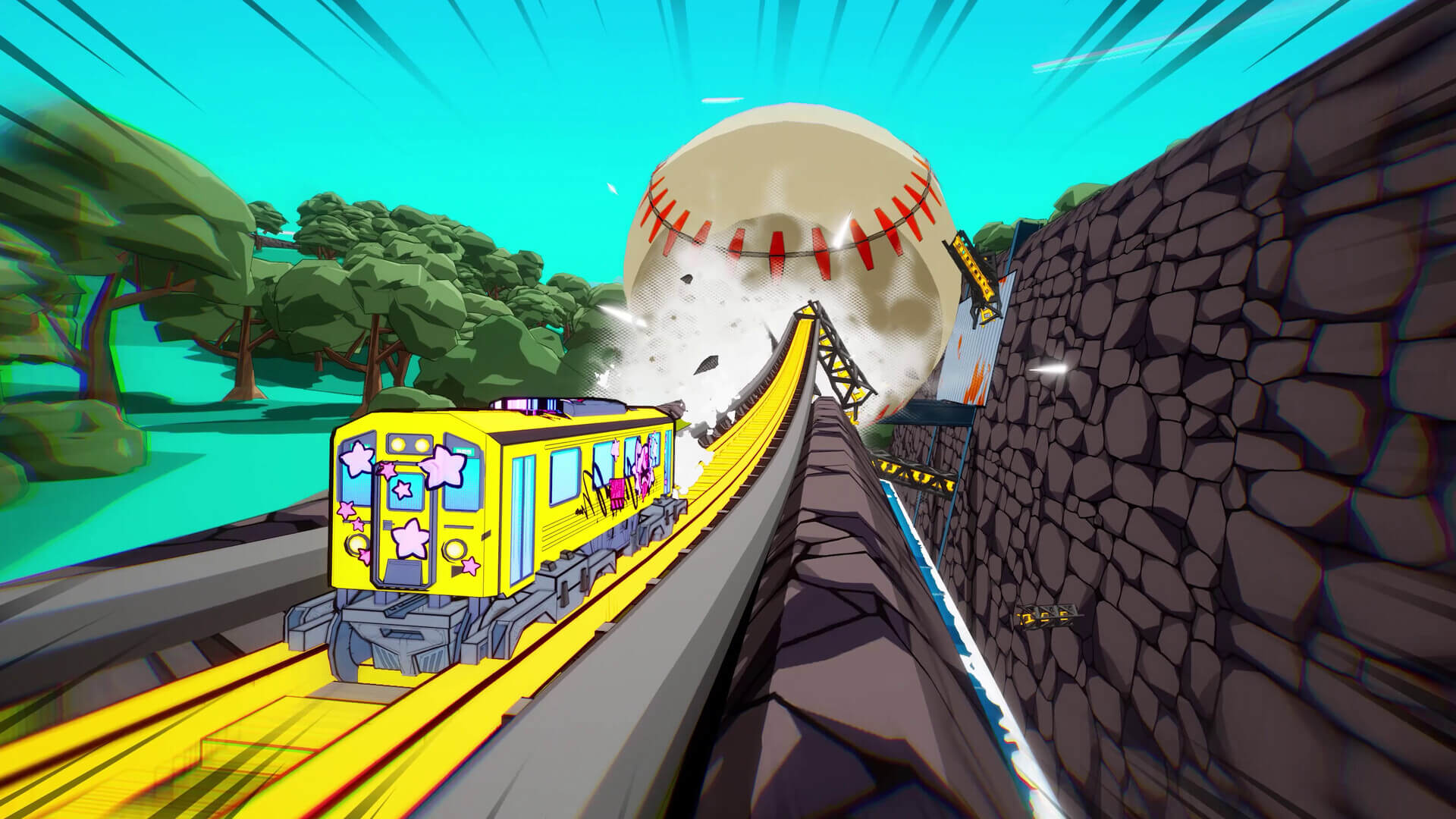
Once you’re in control, Denshattack immediately separates itself from almost everything else I’ve played. At its heart, you’re controlling a heavily armed train as it tears through fast-paced, chaotic stages, constantly weaving around obstacles, battling enemies, and trying to keep your momentum going. The best comparison I can make is that it almost feels like an anime-inspired Tony Hawk game, except instead of chaining together skateboard tricks, you’re linking together movement, combat, and environmental interactions while hurtling down a set route at incredible speed. It’s all about maintaining your flow. Every decision feels like it’s feeds into the next, and the game is constantly encouraging you to keep moving rather than slowing down to play things safe.
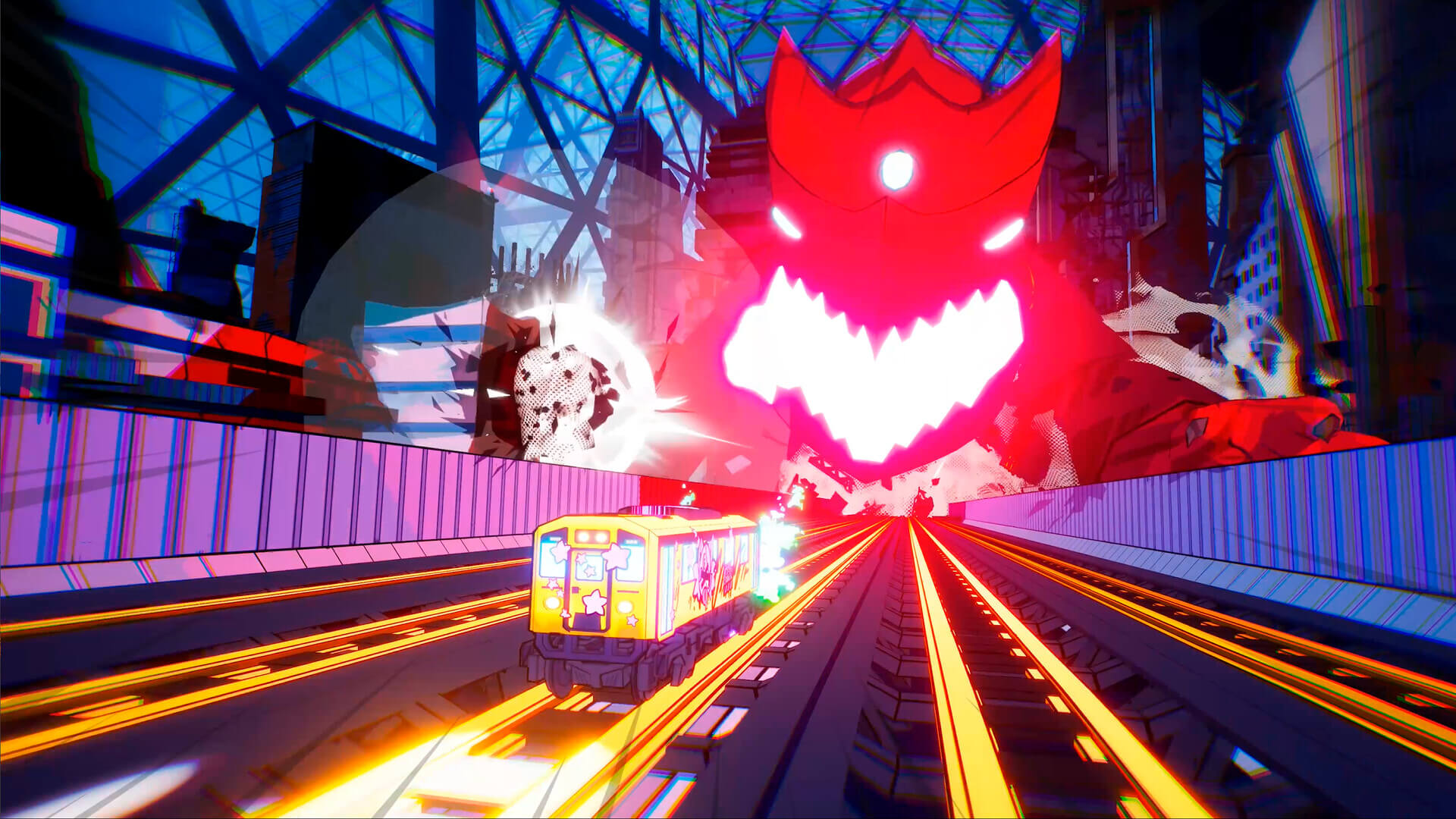
Each stage throws a surprising amount at you. Enemies can appear from multiple directions, hazards litter the tracks, environmental obstacles demand quick reactions, and opportunities to score bigger rewards are often tucked away in riskier routes. There’s a real rhythm to every run. You’re boosting through corners, switching tracks to avoid incoming attacks, firing weapons at enemies, collecting resources, and making split-second decisions that can completely change the outcome of a stage. It creates this wonderfully frantic gameplay loop where you’re always juggling several priorities at once, but somehow it never feels overwhelming. Instead, it becomes incredibly satisfying once everything clicks into place.
The objective in each mission isn’t simply reaching the finish line. Every successful mission strengthens your team while moving the narrative forward, giving every stage a real sense of purpose beyond simply chasing high scores. That balance between story progression and gameplay progression works extremely well, as I always felt like I was working towards something meaningful every time I jumped into another mission.
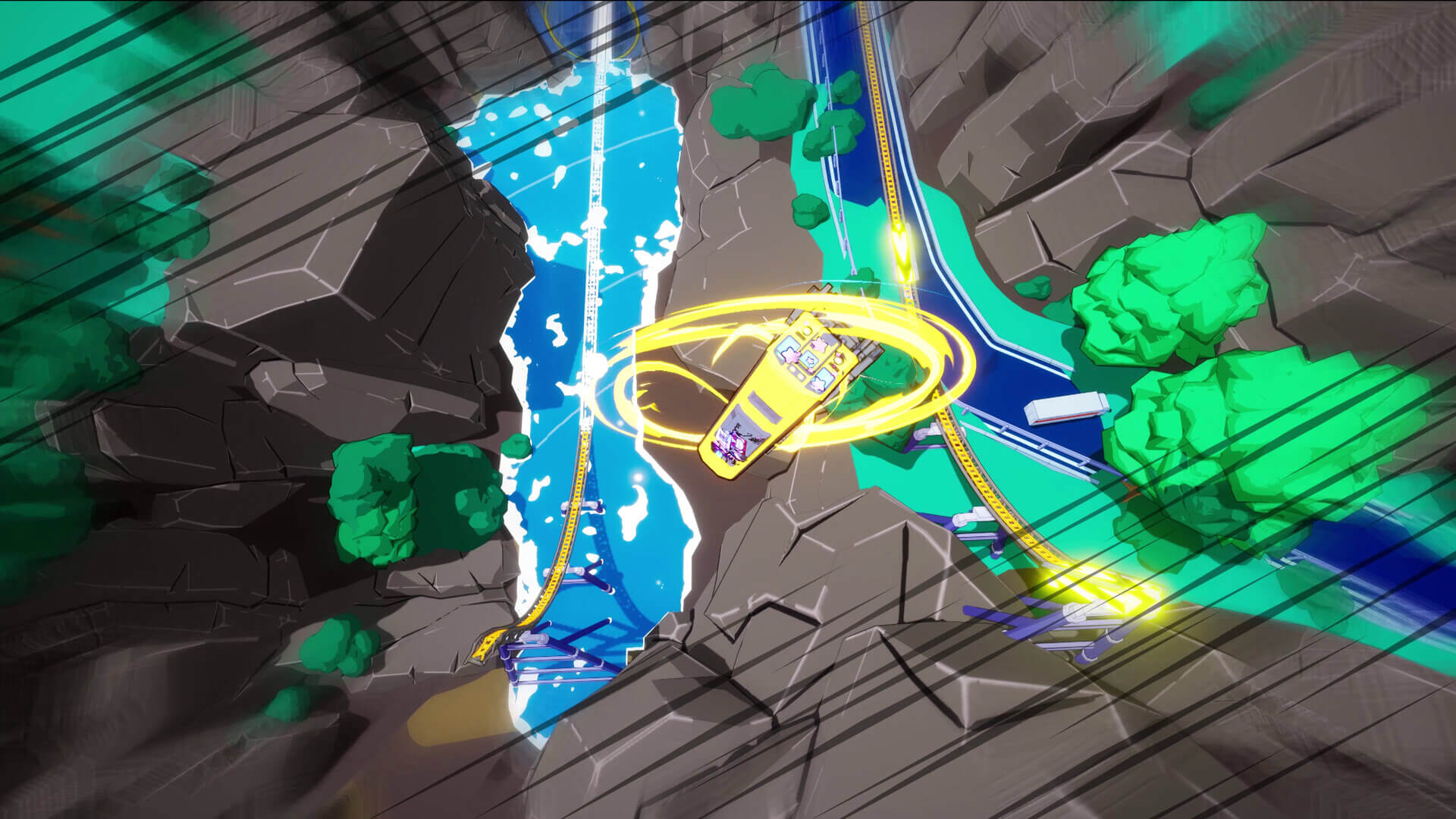
The level structure deserves a huge amount of credit because it’s one of the game’s biggest strengths. Although every stage follows the basic idea of guiding your train from one destination to another, no two levels feel exactly alike. Routes twist and branch in unexpected ways, with optional paths often containing extra rewards or tougher enemy encounters for players willing to take the risk. Some stages focus heavily on surviving relentless waves of attackers, while others introduce unique environmental mechanics, large-scale boss encounters, or set-piece moments that completely shake up the formula.
What I especially enjoyed was how dynamic the stages feel. Rather than existing as static levels, they’re constantly evolving around you. Tracks change, enemies interrupt your route, hazards suddenly appear, and new objectives can emerge in the middle of a mission. There’s very little downtime, and that’s exactly what makes the game so exciting. Every run feels like controlled chaos, constantly demanding your attention while rewarding quick thinking and confident play.
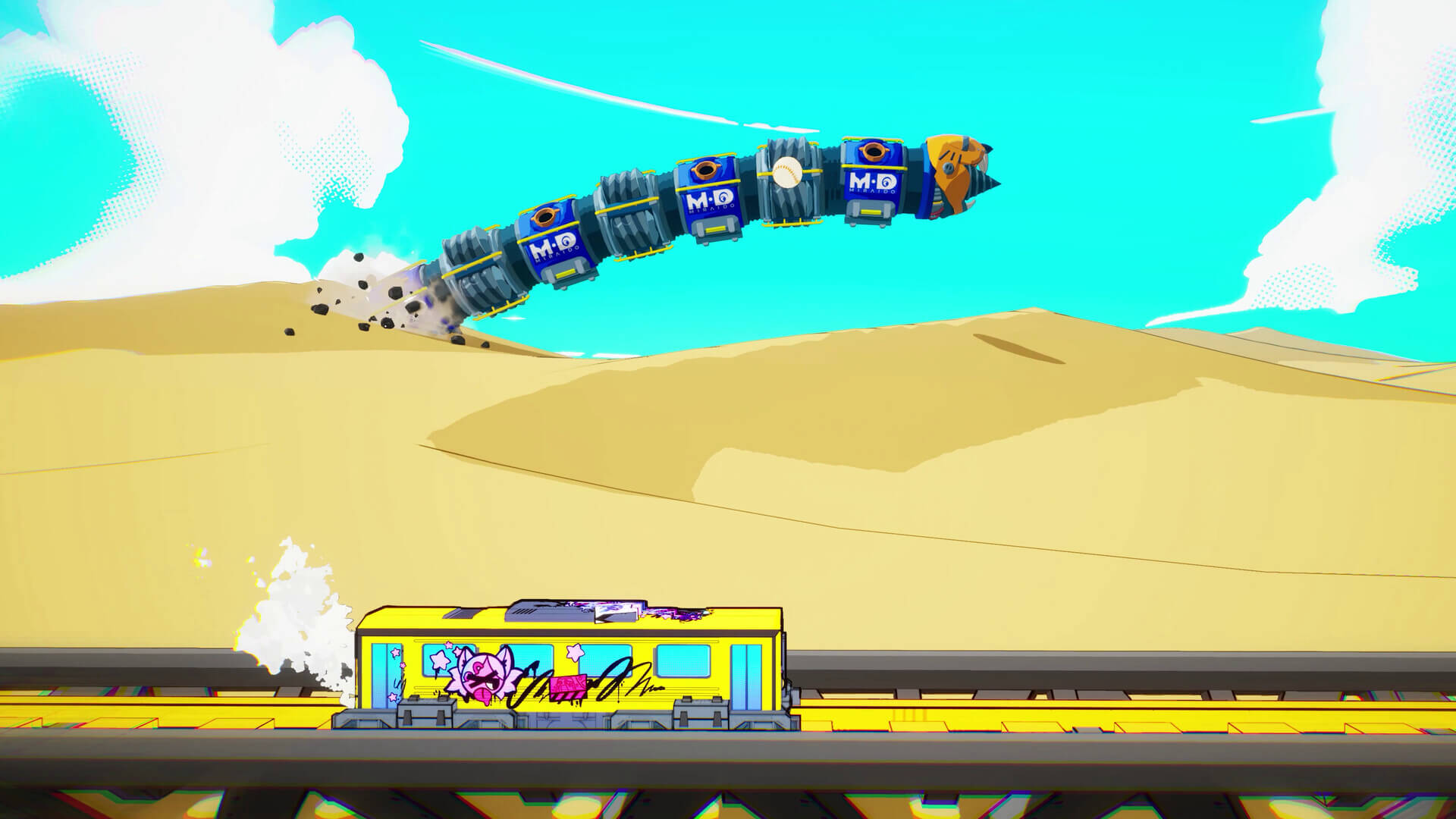
Replayability is another major strength of the stage design. Missions are filled with optional objectives, hidden collectibles, higher score opportunities, and better completion rankings that encourage you to return once you’ve become more familiar with the mechanics. As your own skill improves and you unlock additional upgrades, revisiting earlier stages becomes genuinely rewarding because you’re able to approach them far more efficiently than you could during your first attempt. That constant chase for cleaner runs and better performances gave me the same addictive feeling that arcade games and score attack titles have always excelled at.
The game’s progression systems tie everything together nicely. Completing missions rewards you with resources that can be used to strengthen your train, improve your capabilities, and unlock additional options that make future stages more manageable. It’s a steady sense of growth without ever becoming overly complicated. Alongside those mechanical upgrades, the story unfolds through beautifully presented visual novel sequences. Conversations between the crew give context to each mission, flesh out the personalities of the cast, and gradually reveal more about the world you’re fighting to protect. I really liked how the game never treated its story and gameplay as separate experiences. Instead, every successful mission naturally feeds into another story scene before sending you straight back into the action, creating a pacing that kept me invested in both the characters and the gameplay from beginning to end.
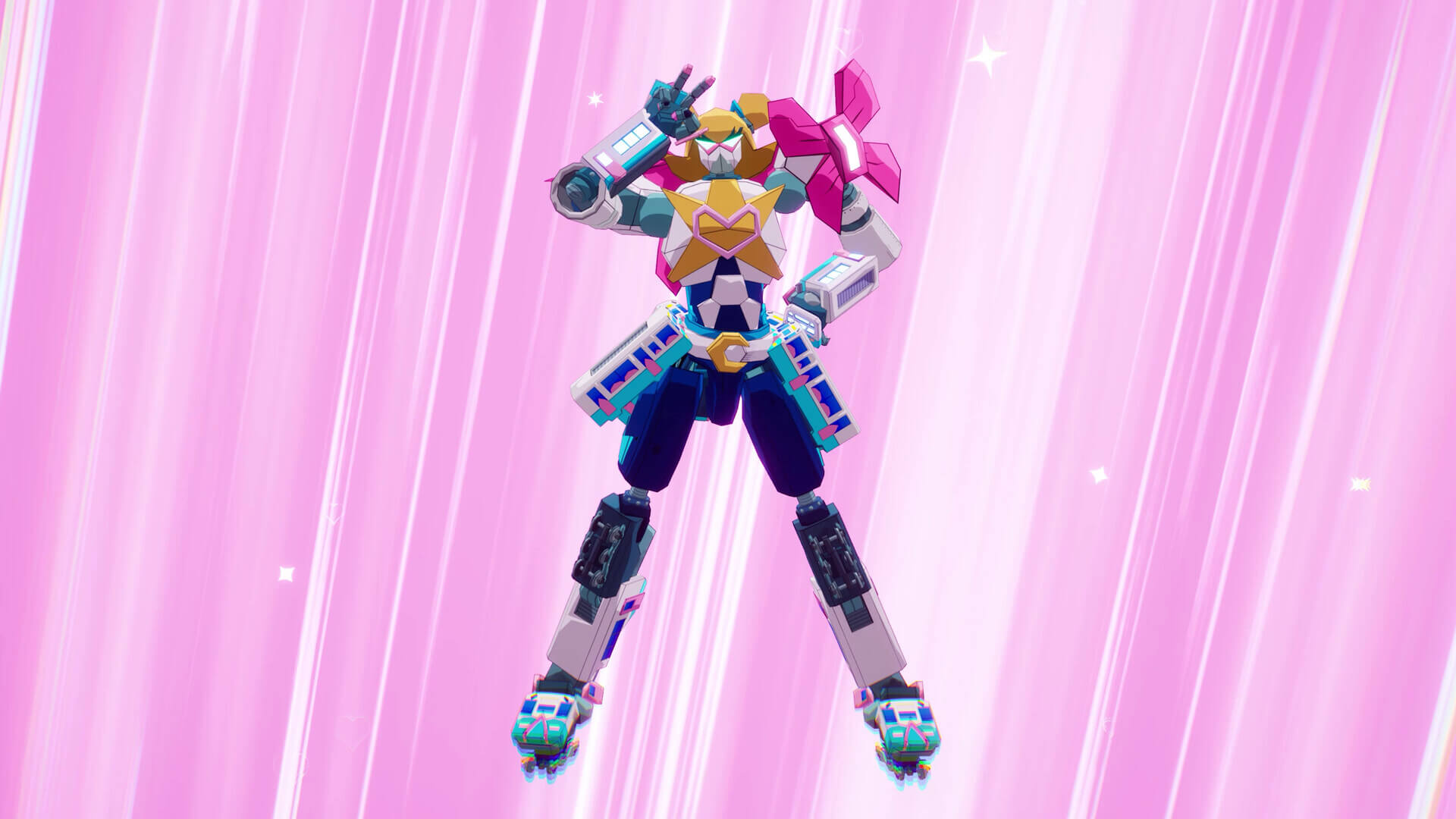
Visually, Denshattack is absolutely stunning. From the moment the game begins, it’s impossible not to notice just how striking its art direction is. Bold colours, sharp character designs, dramatic lighting, and stylish effects combine to create an experience that constantly catches the eye. Every environment feels handcrafted, with enough detail to make each location memorable while maintaining a consistent artistic identity. Even during the busiest action sequences, the visual clarity remains impressive, allowing the game to look spectacular without becoming confusing.
The character artwork deserves special mention as well. Every major member of the cast has a distinctive appearance that immediately communicates their personality, and the expressive portraits used during story scenes further reinforce that connection. It’s the kind of visual presentation that leaves a lasting impression long after you’ve finished playing.
The soundtrack is another major highlight. There’s an incredible amount of energy throughout the game’s music, with track after track delivering memorable beats that perfectly complement both the action and quieter story moments. The music constantly enhances the atmosphere without ever overpowering it, and I found myself looking forward to hearing what each new area would bring.
One of the biggest surprises was hearing the collaboration between Lotus Juice and legendary composer Shoji Meguro. As someone with an immense love for the Persona series, this was an absolute treat. Their collaborative track immediately brought huge Persona vibes, blending stylish vocals with Meguro’s unmistakable musical identity. It’s the sort of song that instantly elevates the moment it accompanies, and I couldn’t help but smile the first time it kicked in. It’s a fantastic addition to an already excellent soundtrack and one that fans of Persona will almost certainly appreciate.
There are plenty of things Denshattack gets right. The pacing rarely drags, the gameplay remains consistently rewarding, the story does a great job of encouraging you to keep pushing forward, and the presentation is overflowing with style. It feels like a game made with genuine confidence, one that fully commits to its creative vision rather than trying to imitate whatever happens to be popular. That confidence shines through in almost every aspect of the experience.
That said, some missions do follow familiar objective structures that can occasionally become predictable, even if the excellent level design does a good job of disguising it. A handful of story moments also move a little too quickly, and I would have liked to spend more time exploring certain character relationships before the narrative moved on. None of these issues ruin the experience by any means, but they’re noticeable enough that future updates or a sequel could build on what is already a very strong foundation.
By the time the credits rolled, I was genuinely impressed with what Denshattack had accomplished. It’s stylish, engaging, mechanically satisfying, and packed with personality from beginning to end. The combination of addictive gameplay, memorable characters, gorgeous visuals, and an outstanding soundtrack makes it incredibly easy to recommend. More than anything, though, I think this is a game that’s going to surprise people. It may not have entered the conversation with the same level of hype as some of the year’s biggest releases, but I wouldn’t be shocked if it ends up becoming one of the year’s biggest word of mouth success stories. Denshattack confidently carves out its own identity, and after spending time with it, I think it’s a game that deserves far more attention than it’s currently getting.
A PS5 review code was provided by the publisher for the purpose of this review.
If you want to see more content like this and never miss one of our frequent gaming and anime giveaways come and Follow Ani-Game on Twitter.
9
- + Unique, fast paced, addicting gameplay
- + Striking visuals
- + Great characters and story presentation
- + A bangin’ soundtrack
- - Some story moments could have been expanded on further