I’ve always had a soft spot for anything inspired by H.P. Lovecraft and the Cthulhu Mythos, even if I don’t normally gravitate towards co-op survival games. They’re usually not a genre that keeps my attention for very long. Still, the promise of a Lovecraftian survival experience that could also be played completely solo was enough to convince me to give The Mound: Omen of Cthulhu a shot, and I’m glad I did.
Whether you jump in alone with AI companions filling out your expedition or team up online with up to three other players, the game does an excellent job of capturing the fear, dread and creeping madness that defines so many of Lovecraft’s stories. More than simply borrowing tentacled monsters and cosmic horror aesthetics, it understands what makes those stories unsettling in the first place, and it translates that into gameplay in some genuinely creative ways.
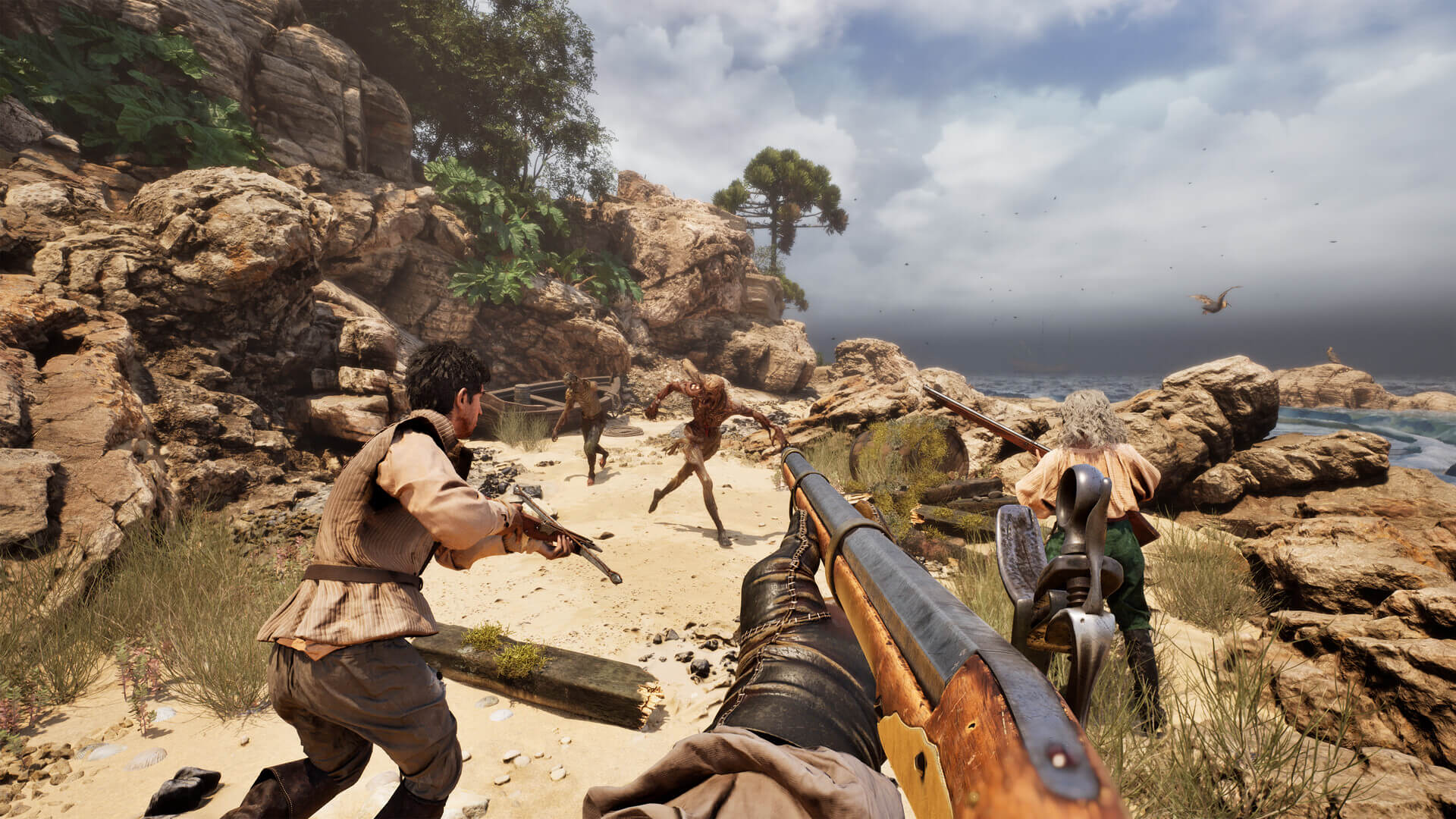
Set during the 1600s, the game sees you joining an expedition into a mysterious Chilean jungle in search of unimaginable riches. Before every expedition, you board your galleon, accept a contract, equip yourself with weapons and supplies, and then venture into the unknown alongside a team of up to four explorers. You can tackle these expeditions with friends online or play solo, where AI-controlled expeditioners fill the remaining slots. The number of enemies and rewards scale depending on your party size, making both solo and multiplayer feel like viable ways to experience the game.
While there is enough story presented upfront to establish your motivation and the mystery surrounding the jungle, much of the deeper lore is left for you to uncover yourself. Throughout each expedition you’ll discover journals, documents and logbooks. Rather than simply presenting these as pages of text, each entry is fully voice acted as an audio drama from the perspective of different characters who have encountered the horrors before you.
I genuinely enjoyed hunting these down. Every journal expanded my understanding of the island, its strange inhabitants, previous expeditions and the larger mysteries lurking beneath the surface. It rewards curiosity without ever forcing exposition on the player, allowing the worldbuilding to unfold naturally as you explore.
The absolute standout feature, however, is the game’s madness system.
I’ve played plenty of horror games over the years that tell you your character is going insane, but very few actually make you question your own senses as the player. The Mound absolutely nails this concept.
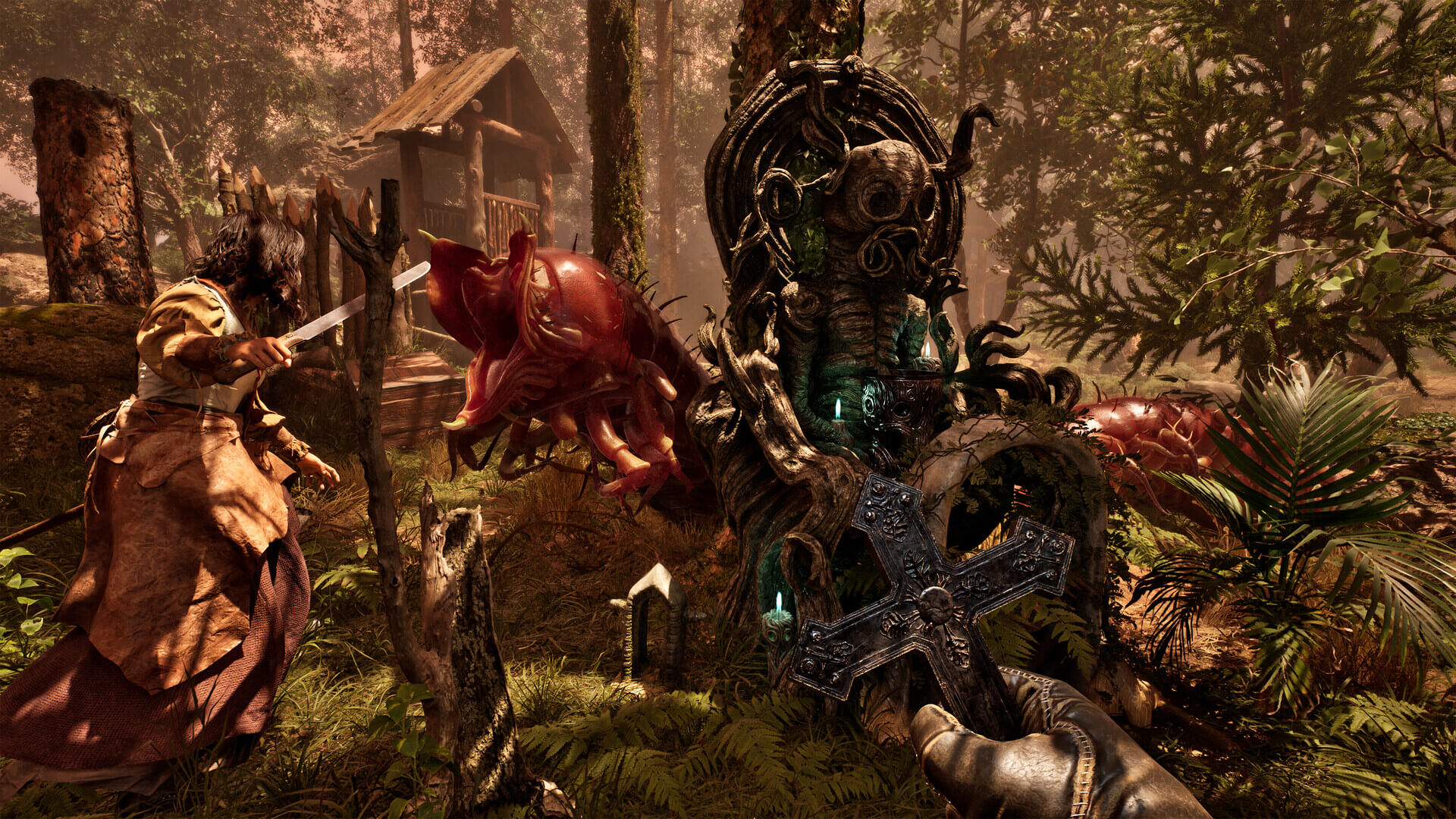
The longer you spend exploring the jungle, the more your sanity begins to deteriorate. Instead of simply applying visual filters or distorted audio, the game starts manipulating what you experience. At times you’ll see monsters that your teammates simply can’t see, making it impossible to know whether you’re reacting to a genuine threat or your own fractured mind. You’ll suddenly collapse without warning, only to wake up somewhere completely different. Enemies can disguise themselves as one of your fellow expeditioners before revealing themselves at the last second to attack. Even death isn’t necessarily the end. If your teammates fail to revive you in time, your own character can be taken over by the game’s AI and turned against the rest of the expedition.
It’s brilliant because it creates constant uncertainty.
You’re never completely sure if what you’re looking at is real. Every sound makes you second guess yourself. Every teammate approaching from the trees causes a brief moment of hesitation. Should you trust them? Or is it something pretending to be them?
That lingering paranoia hangs over every expedition and perfectly captures the psychological horror that Lovecraft’s stories are known for. Rather than relying purely on jump scares, the game builds an oppressive sense of dread that rarely lets up when you’re deep in an expedition.
The core gameplay loop itself is fairly straightforward but remains engaging thanks to all of these systems working together. Before each expedition, you accept a contract aboard your ship, prepare your loadout and then set off into the jungle with your objective. Most missions involve searching for relics, gathering valuable resources, surviving encounters with increasingly dangerous creatures and successfully extracting with your findings. If you make it back alive, you’re rewarded with currency, equipment and progression that can be used to prepare for future expeditions.
As you continue playing, you’ll unlock additional starting locations by discovering abandoned forts during missions, making future expeditions slightly more manageable while encouraging further exploration of the map. There’s a satisfying sense of progression as your options gradually expand, even if the core objective remains largely consistent.
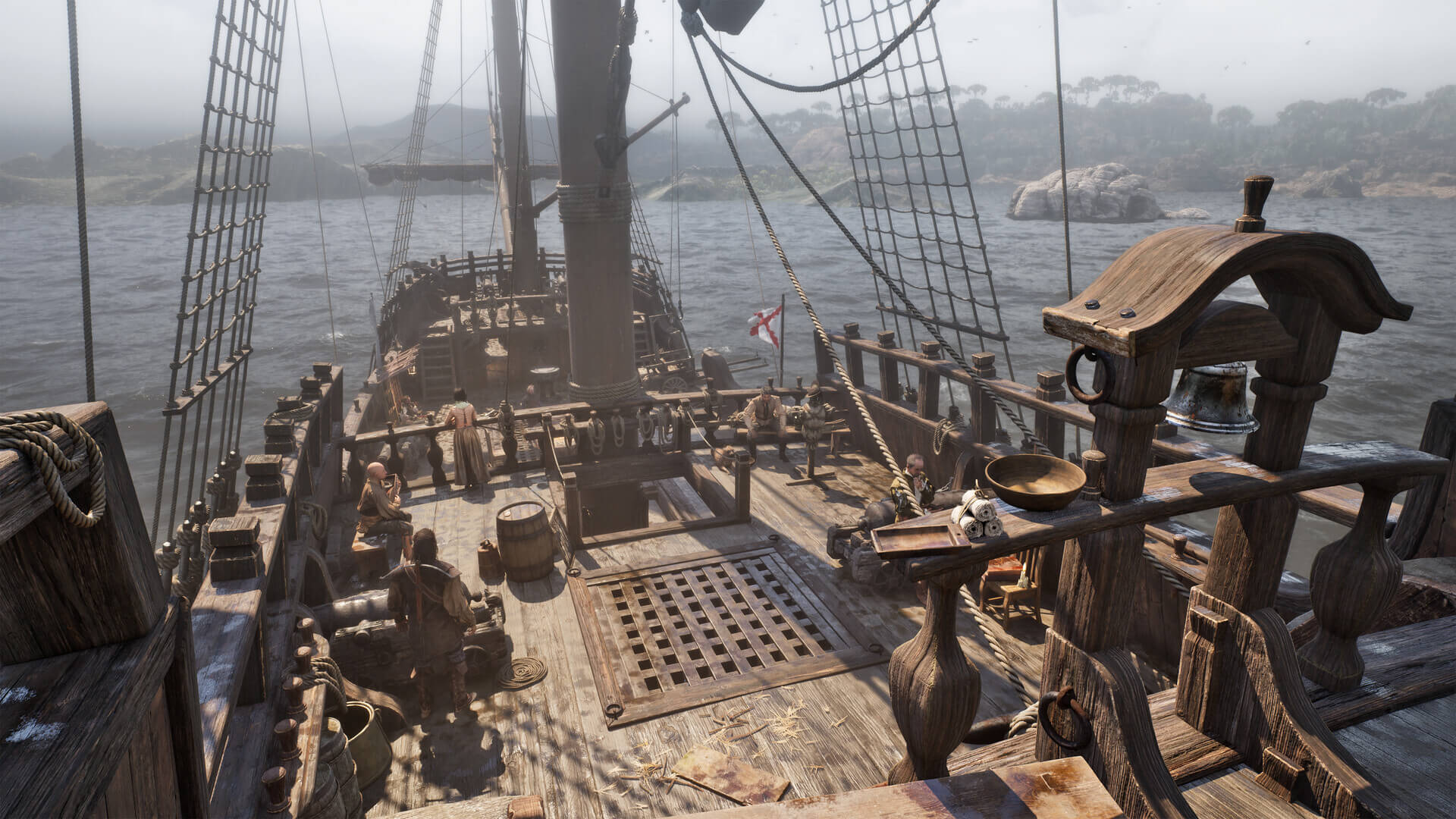
Equipment management is another area I appreciated. During missions you’ll collect loot that can either be used immediately or brought back to improve your future expeditions. Between contracts you’ll unlock better gear, expand your arsenal and gradually prepare yourself for tougher challenges.
One mechanic I found particularly interesting was how much the weather influences your equipment choices.
Before accepting a contract, you’ll be able to see the forecast for the expedition. It might seem like a small detail at first, but ignoring it can quickly get you into trouble. Bringing a flintlock pistol into heavy rain is rarely a good idea, as the weapon frequently misfires when wet. Learning this the hard way made me rethink my loadouts, and before long I found myself favouring bows, rapiers and other more reliable weapons whenever storms rolled in.
It’s a relatively simple mechanic, but it adds meaningful variety to repeat expeditions and gives you another factor to consider before setting off.
Contracts also come in multiple difficulty levels, and these should absolutely be respected. The harder expeditions are genuinely brutal, demanding strong teamwork, careful resource management and players fulfilling different roles if they hope to survive. Communication becomes increasingly important as the difficulty ramps up, especially once the madness mechanics begin interfering with what each player is seeing.
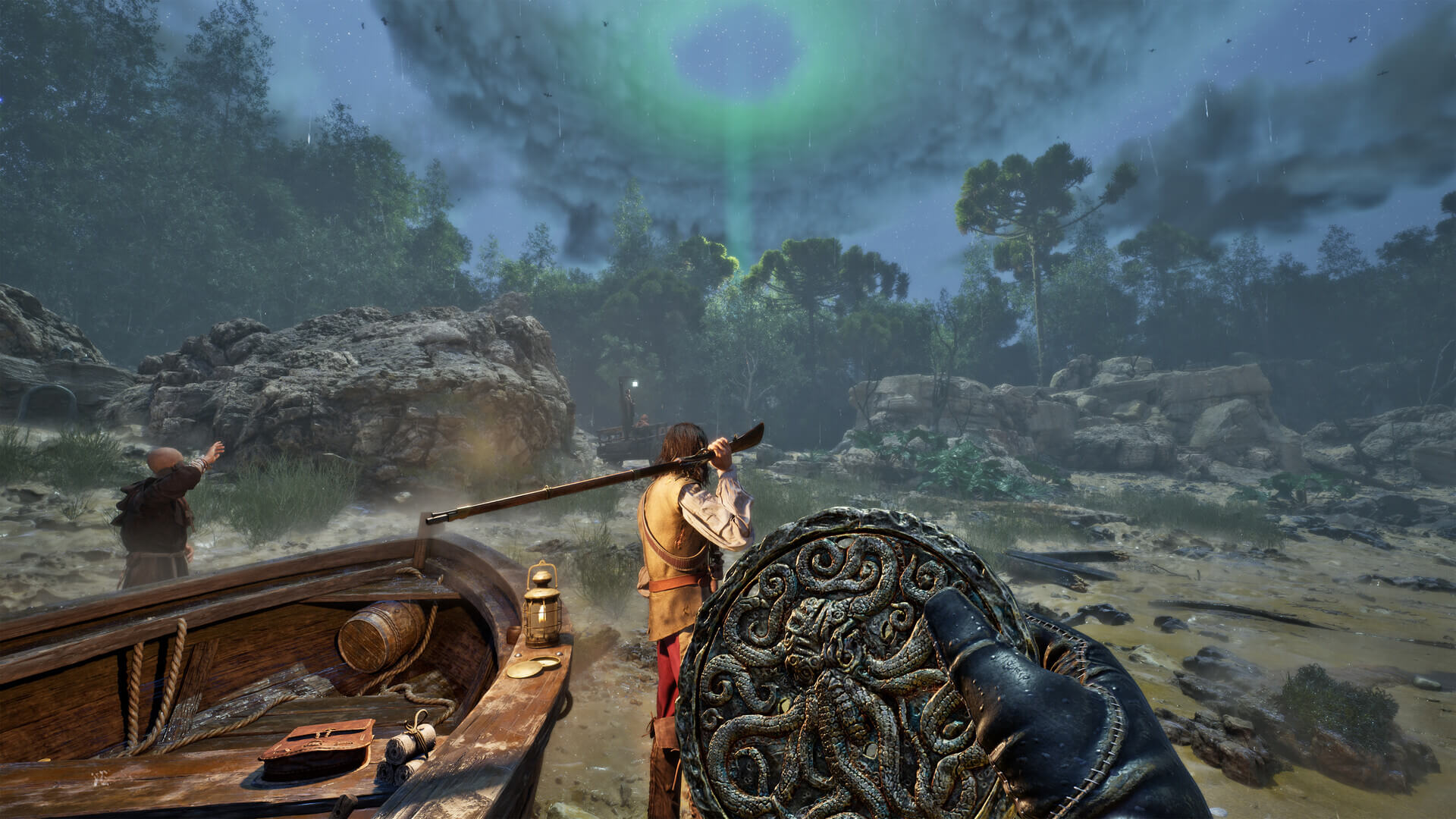
That said, I do think the balancing could use some work.
There were multiple occasions where runs spiralled completely out of control due to what felt like an unfortunate combination of enemy spawns, sanity effects and unfortunate timing. Sometimes it genuinely felt as though the game had stacked every possible disadvantage against our group, turning an otherwise manageable expedition into an unavoidable disaster.
Difficulty itself isn’t the problem. I actually enjoy challenging games. It’s more that some failures felt less like they were the result of poor decisions and more like random circumstances piling on top of each other. Hopefully this is something the developers continue to tweak as more players jump in and provide feedback because the foundation here is incredibly strong.
Combat is another area that doesn’t quite reach the same heights as the atmosphere.
Ranged weapons generally feel solid enough, but melee combat often lacks impact. Swings can occasionally appear to pass straight through enemies without connecting, and even successful hits don’t carry the satisfying weight you’d expect. There’s very little feedback to make each strike feel meaningful, which left melee encounters feeling somewhat clumsy. In many ways it reminded me of the combat from older Elder Scrolls games where weapons often felt like they were passing through enemies rather than colliding with them.
Thankfully, the presentation goes a long way towards making up for some of those shortcomings.
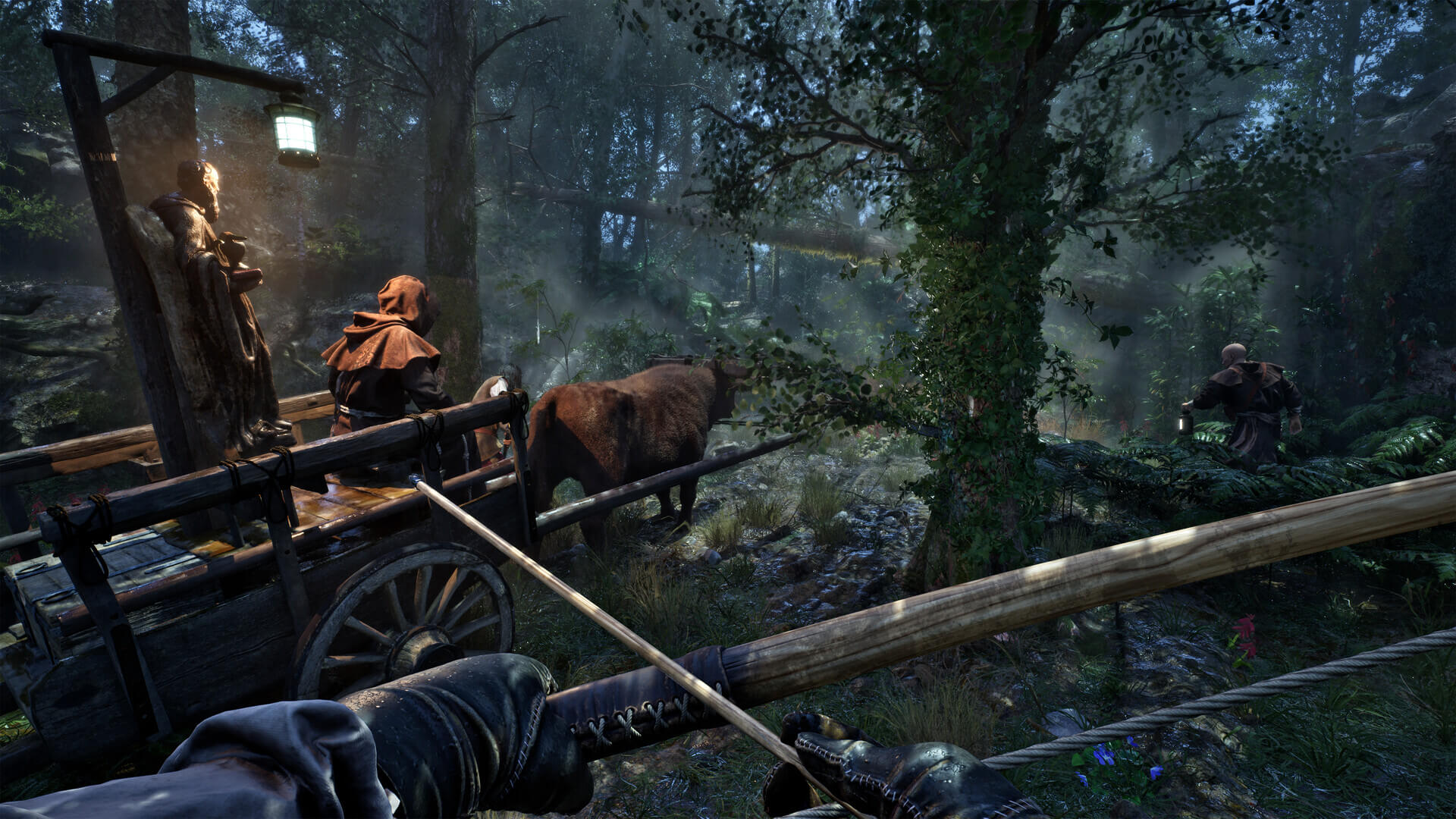
Visually, The Mound: Omen of Cthulhu is an impressive game. The dense jungle environments are packed with atmosphere, the lighting creates an incredible sense of tension, and the character models are all well detailed. The real stars, however, are the creatures themselves. The enemy designs perfectly embrace the weird, unsettling imagery that Lovecraft’s stories are famous for. Every new monster I encountered felt genuinely disturbing, and I found myself looking forward to discovering what horrors the jungle would throw at me next.
Combined with excellent sound design and an ever present feeling that something is watching you from just beyond the trees, the atmosphere is consistently exceptional.
In the end, The Mound: Omen of Cthulhu surprised me. I went in expecting a decent co-op survival game with a Lovecraft skin, but what I found was one of the most effective portrayals of psychological horror I’ve experienced in gaming. Its madness system constantly keeps you questioning your own senses, the world is rich with intriguing lore, and the oppressive atmosphere perfectly captures the fear and uncertainty that define the Cthulhu Mythos.
It’s certainly not without flaws. The difficulty can sometimes feel uneven, and the melee combat lacks the impact it desperately needs. But those issues weren’t enough to overshadow what the game does exceptionally well. Whether you’re playing solo with AI companions or venturing into the jungle with friends, The Mound: Omen of Cthulhu delivers a tense, memorable horror experience that stands out from other co-op survival games thanks to its genuinely creative approach to madness and paranoia.
A PS5 review code was provided by the publisher for the purpose of this review.
If you want to see more content like this and never miss one of our frequent gaming and anime giveaways come and Follow Ani-Game on Twitter.
8
- + A fun gameplay loop
- + Captured the madness of Lovecraft’s stories really creatively
- + Varied and well designed creatures
- + High quality visuals
- - Can be frustratingly and unfairly difficult
- - Melee combat doesn’t feel too satisfying