I’ve always had a soft spot for Sword Art Online. While the anime has certainly had its ups and downs over the years, I’ve enjoyed following Kirito’s adventures ever since the series first debuted. The franchise has also produced a surprisingly solid lineup of video game adaptations, with several of them doing a great job of expanding on the world and characters fans have come to know. So when Echoes of Aincrad: Sword Art Online was announced, it immediately caught my attention.
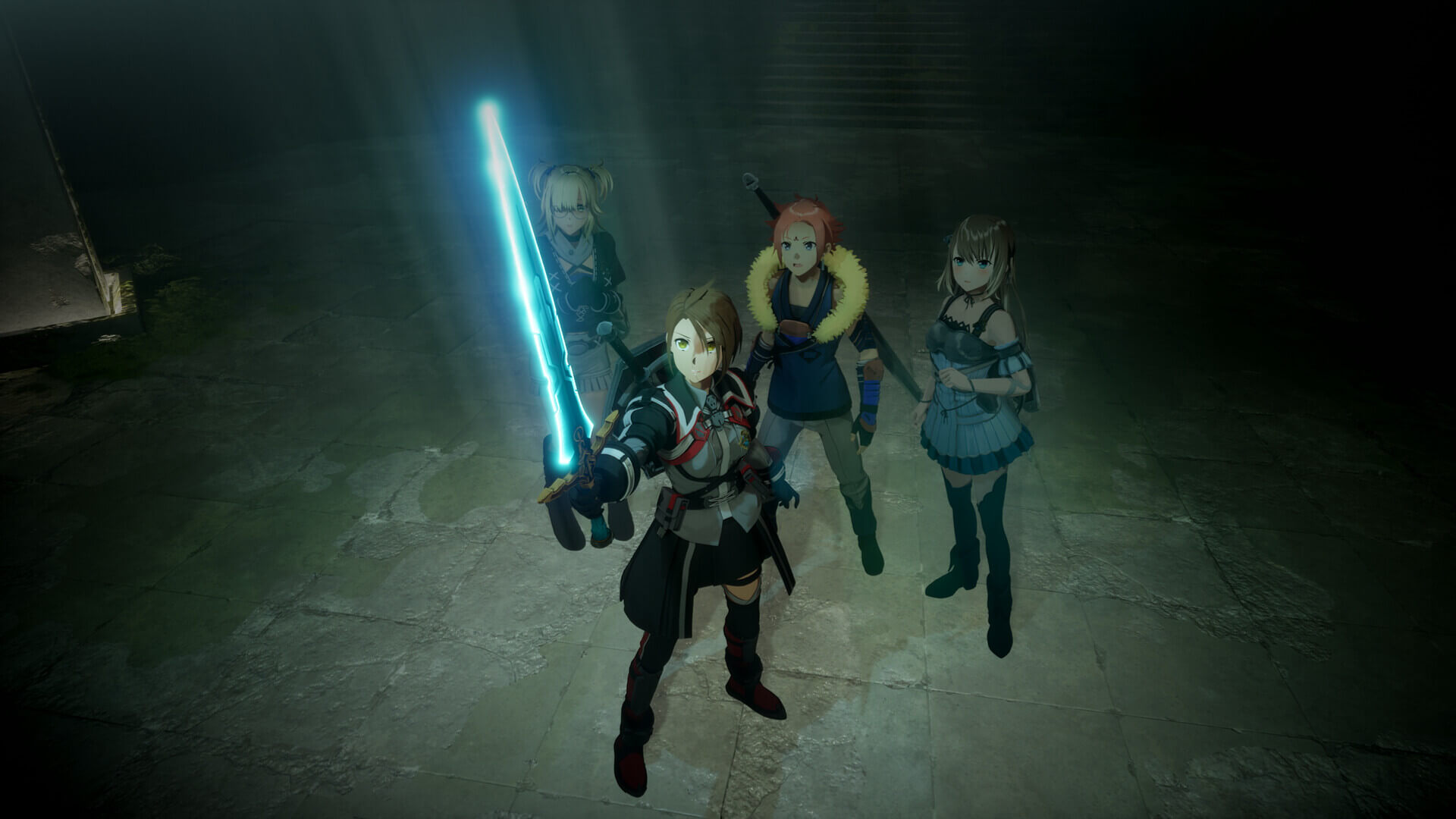
Part of that interest came from the game’s premise. Rather than retelling the story of Kirito and his friends yet again, Echoes of Aincrad takes players back to the beginning of the series and the iconic Aincrad arc, but from an entirely different perspective. Instead of stepping into the shoes of the anime’s protagonist, you play as one of the thousand players trapped inside Sword Art Online when the deadly game begins.
That means you’re experiencing the same events and time period that fans know from the anime, but your journey is your own. You’re not directly following Kirito’s path through the floating castle. Instead, you’re carving out your own story, forming your own relationships, taking on your own challenges, and surviving alongside countless other players trapped in Aincrad.
It’s a really clever idea, and honestly, it’s one that feels uniquely suited to Sword Art Online. Many anime adaptations struggle to find ways to tell new stories without simply retreading familiar ground. Here, the premise naturally creates room for original adventures while still allowing players to exist within one of the most beloved arcs in the franchise. It’s a concept I’ve been interested in ever since the game was first revealed.
Recently, I had the opportunity to go hands-on with Echoes of Aincrad and spend a few hours exploring what the game has to offer. I was able to check out a couple of different areas, giving me a solid early look at both the game’s combat and exploration systems.
The first section I played took place very early in the adventure and served as an introduction to many of the game’s core mechanics. This area focused heavily on exploration, combat, character progression, and the general gameplay loop you’ll be engaging with throughout the experience.
One of the first things that stood out to me was how familiar the structure felt. In fact, the overall flow reminded me quite a bit of Tales of Arise, which is particularly fresh in my mind given I’ve recently been revisiting that game on the Switch 2. Exploring open environments, battling roaming enemies, gathering resources, and steadily strengthening your character all felt somewhat reminiscent of a Tales game.
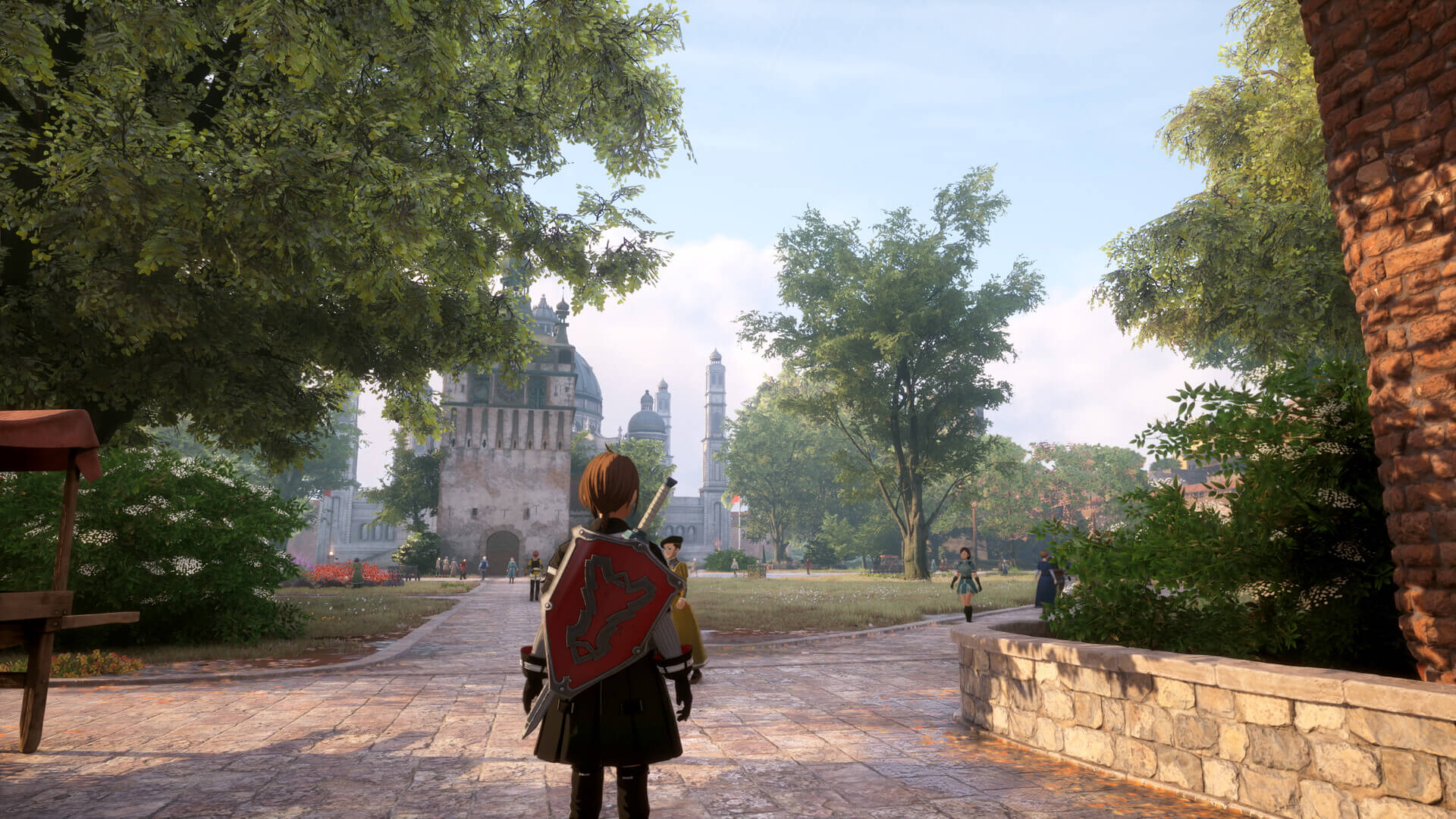
The section itself was set on Aincrad’s first floor, giving me a chance to explore the early game environments while learning the basics of combat and progression. It did a good job of introducing the systems without feeling overwhelming, while still hinting at the larger journey ahead.
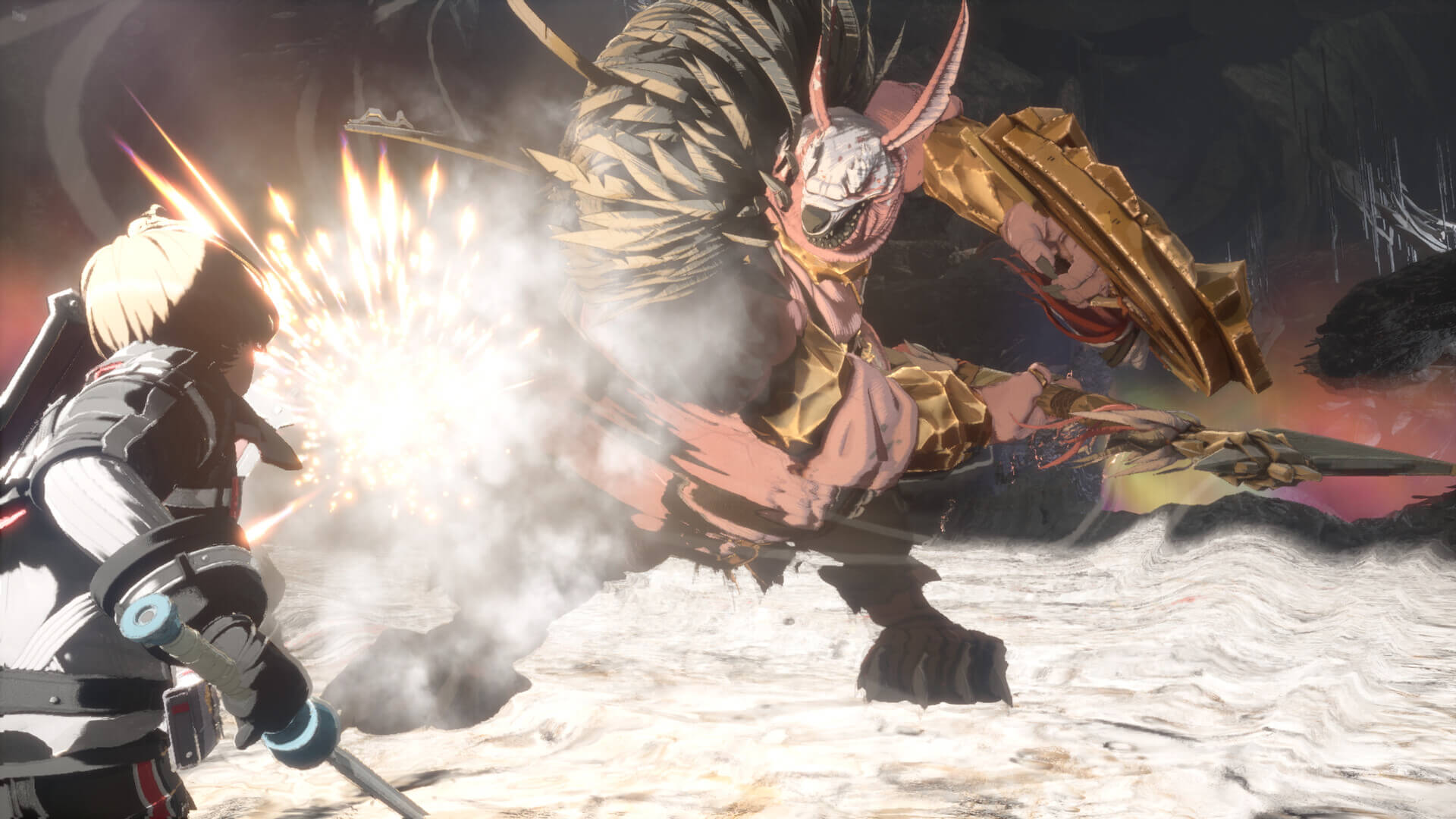
The highlight of this opening section was undoubtedly the boss encounter that capped it off. Without spoiling specifics, it delivered exactly the kind of large-scale battle I was hoping to see from a Sword Art Online game. The fight required proper use of movement, defensive options, and special abilities while presenting a genuinely impressive spectacle. More importantly, it left me excited to see what kinds of increasingly challenging bosses await players deeper into Aincrad.
The second gameplay segment jumped several hours ahead into the campaign. While it still felt relatively early by RPG standards, it offered a much broader look at the exploration side of the game.
This area featured an entirely new environment populated by different enemy types and new opportunities for discovery. Rather than focusing heavily on story progression, the demo encouraged exploration and rewarded curiosity. Venturing off the main path often led to hidden loot, useful resources, and even dangerous encounters that felt more akin to optional sub-boss battles.
I particularly enjoyed this aspect of the experience because it gave the world a greater sense of depth. It wasn’t simply a case of moving from objective marker to objective marker. There appeared to be genuine incentives for taking your time, exploring side paths, and seeing what secrets each area might be hiding.
Combat itself is action-focused and should feel familiar to fans of modern action RPGs. The core toolkit includes everything you’d expect. There’s enemy lock-on functionality, light and heavy attacks, dodging, guarding, movement options, and a variety of special skills and abilities to utilise during battle.
From what I played, the combat felt responsive and satisfying. Stringing attacks together, avoiding incoming damage, and finding openings to unleash stronger abilities created an enjoyable rhythm during encounters.
That said, it’s still a little too early for me to judge how much depth the system ultimately offers. The demo naturally only provided access to a limited selection of skills and progression options. While the foundations are certainly solid, it’ll be interesting to see how much complexity is added later in the game and whether advanced skills significantly alter the way combat plays out in the long term.
Loot also appears to play a major role in the overall experience. Throughout both gameplay sections I was constantly finding items, resources, and equipment from exploration and enemy drops. While I didn’t get enough hands-on time with the game’s crafting and upgrade systems to fully understand their depth, it’s easy to imagine these resources becoming increasingly important as players progress through the later floors of Aincrad.
Weapon upgrades, crafting opportunities, and character growth seem positioned to be major pillars of progression, though exactly how deep those systems go remains something I’ll have to wait until launch to discover.
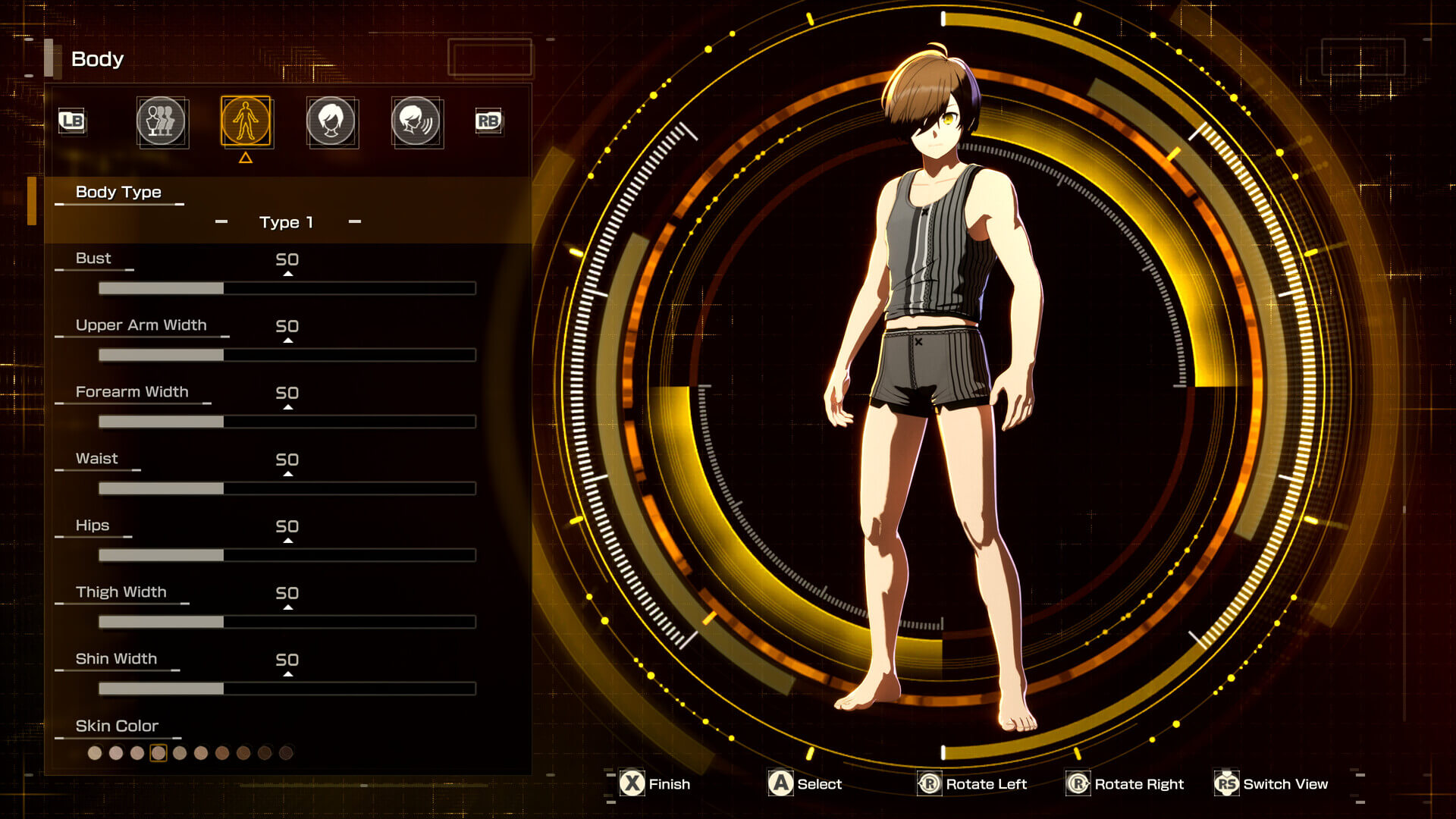
One feature I was able to experience first hand was the Partner System. Throughout your adventure, you’ll be able to bring companions along on missions, providing both combat assistance and additional utility during encounters.
Before heading out, you can choose which partner accompanies you, with different characters offering unique abilities and playstyles. This creates opportunities to build a party composition that complements your preferred approach to combat. If your character is focused on dealing damage, for example, you may want a partner who offers support or defensive capabilities. Alternatively, you can simply bring along a character whose abilities fit your personal preferences.
The partners operate automatically during combat, and their presence quickly proves valuable during larger encounters. Whether facing bosses or dealing with groups of enemies, having an ally fighting alongside you helps battles feel more dynamic while also adding an extra layer of strategy when selecting who to bring along.
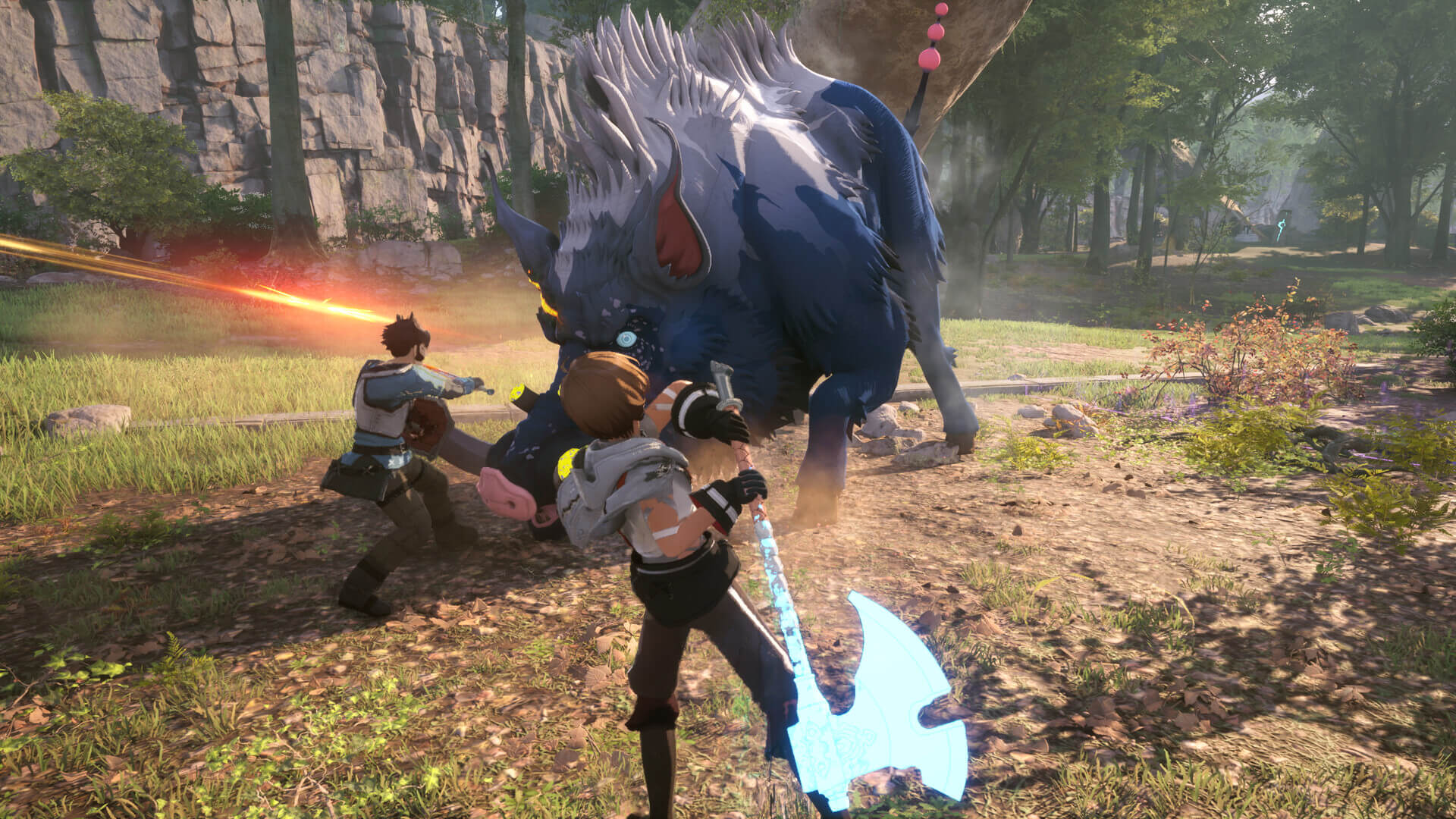
Visually, Echoes of Aincrad made a strong first impression. The anime-inspired presentation looks fantastic, with crisp character models that faithfully capture the look and feel of the source material.
This was particularly important to me given the game’s emphasis on original characters and stories. Since the narrative doesn’t directly follow Kirito and the main cast’s established journey, there was always the risk that new characters could feel like filler additions awkwardly inserted into the world.
Thankfully, based on what I’ve seen so far, that doesn’t appear to be the case. The new faces I encountered felt like natural inhabitants of Aincrad rather than obvious stand-ins created purely to pad out the story. Combined with the strong visual presentation, it helped the world feel authentic to the anime.
I was also pleased to hear that the English voice acting sounds excellent. The performances I encountered during my hands-on session were consistently strong and helped bring both familiar and new characters to life. For players who prefer the English dub, it appears they’ll have a quality option available.
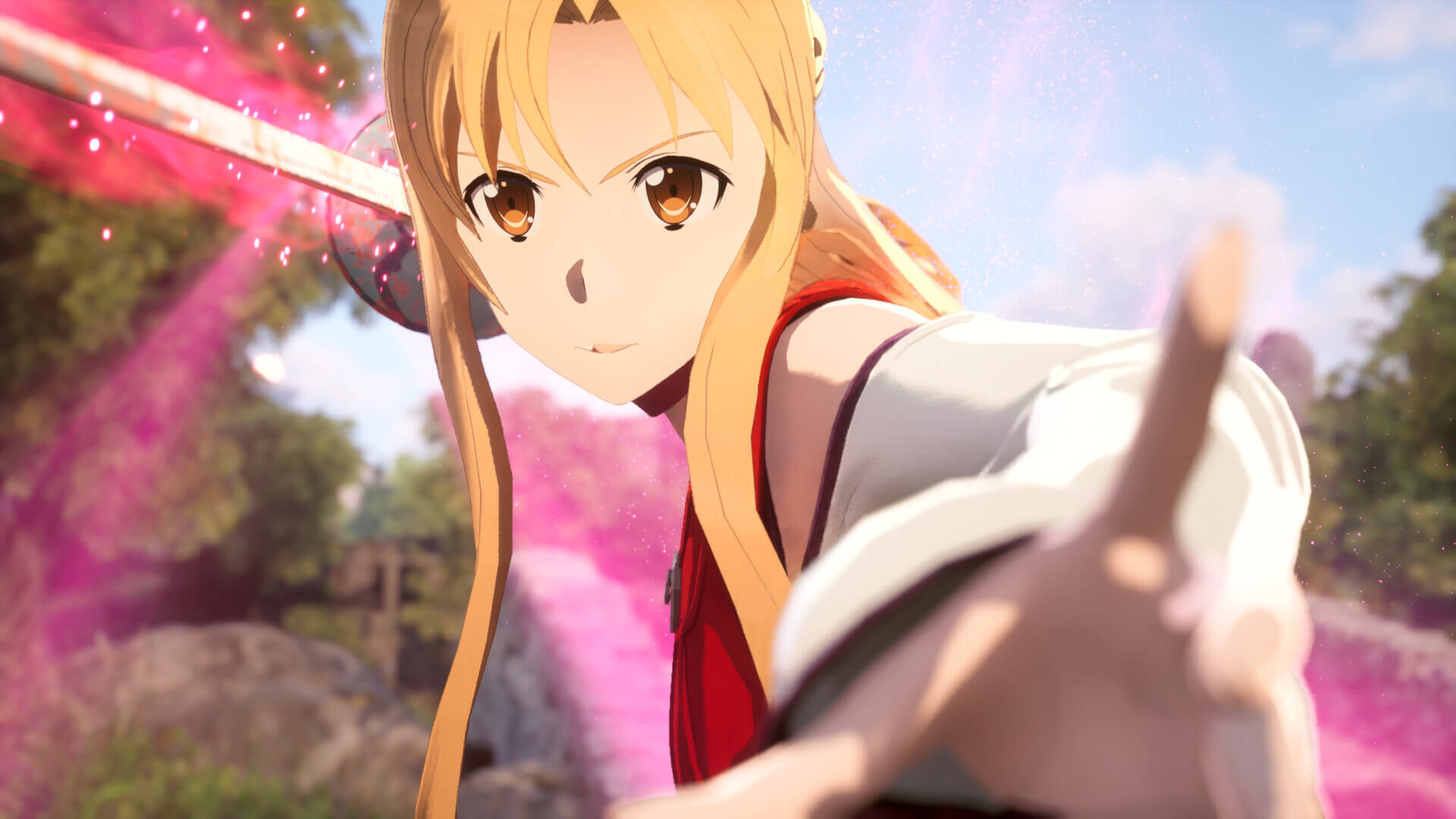
After spending several hours with Echoes of Aincrad: Sword Art Online, I’m walking away feeling optimistic about what the full game could deliver. The premise is one of the most interesting concepts the franchise has explored in video game form, giving players the chance to experience the Aincrad saga from an entirely new perspective while still remaining connected to the events fans know and love.
The combat feels promising, exploration appears rewarding, and the world itself does a great job of capturing the atmosphere that made the original Aincrad arc so memorable in the first place. There’s still plenty I haven’t seen, particularly when it comes to long-term progression systems and how the story develops, but the foundation feels strong.
Most importantly, the few hours I spent with the game left me wanting to play more. With launch now just around the corner next month, Echoes of Aincrad has firmly secured a place on my radar, and I’m looking forward to seeing how all of its ideas come together in the full release.
Echoes of Aincrad: Sword Art Online releases on July 10th 2026 for the PlayStation 5, Xbox Series X|S And PC.
If you want to see more content like this and never miss one of our frequent gaming and anime giveaways come and Follow Ani-Game on Twitter.