The Coffee Talk series has carved out a unique place for itself over the years. In a gaming landscape often dominated by action-packed adventures, sprawling open worlds, and competitive multiplayer experiences, Coffee Talk has always offered something different. It’s a series built around conversation, connection, and a warm drink shared between strangers. Now, with Coffee Talk: Tokyo, the franchise returns for its third outing, bringing its familiar formula to a brand new setting while retaining everything that made the previous games so beloved.
As the title suggests, this latest entry leaves behind the streets of Seattle and transports players to Tokyo. The change of location does far more than simply provide a new backdrop. Tokyo feels vibrant, diverse, and full of possibilities, opening the door to fresh stories, new cultures, and an entirely new cast of characters. It also serves as an excellent jumping on point for newcomers. While longtime fans will undoubtedly appreciate seeing the series continue to evolve, Coffee Talk: Tokyo is perfectly accessible for those experiencing the franchise for the very first time.

For anyone unfamiliar with the series, Coffee Talk is essentially a visual novel centred around a late night cafe. Every evening, customers walk through your doors looking for a hot drink and, often, someone willing to listen. The game blends narrative storytelling with simple drink making mechanics, creating an experience that is far more engaging than its seemingly straightforward premise might suggest.
At its core, Coffee Talk: Tokyo is about making beverages and getting to know the people who visit your shop. Each night introduces new conversations, evolving storylines, and opportunities to learn more about the lives of your customers. Some patrons are regulars who return frequently, while others only appear briefly. Regardless of how much screen time they receive, nearly every character leaves a lasting impression.
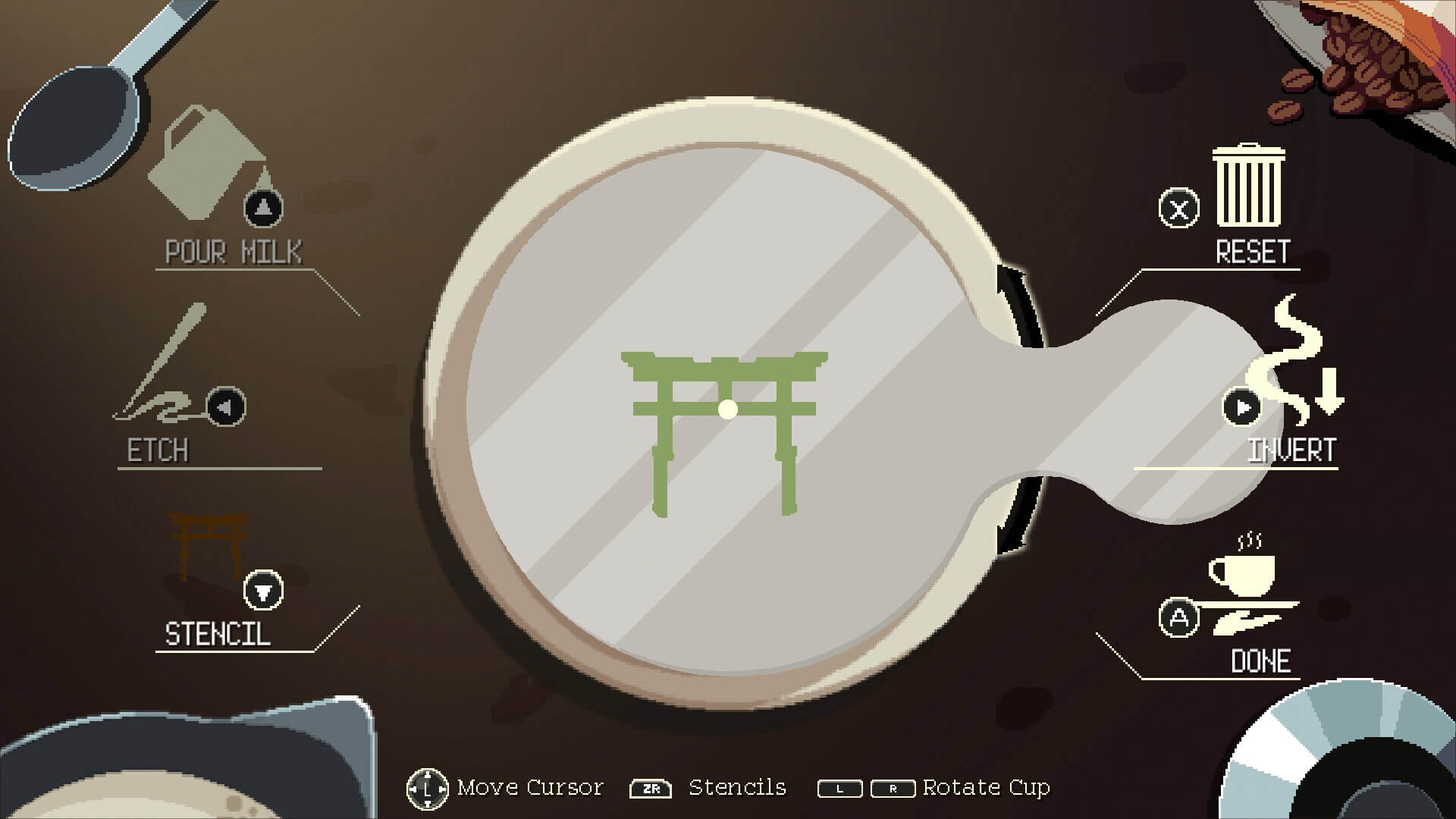
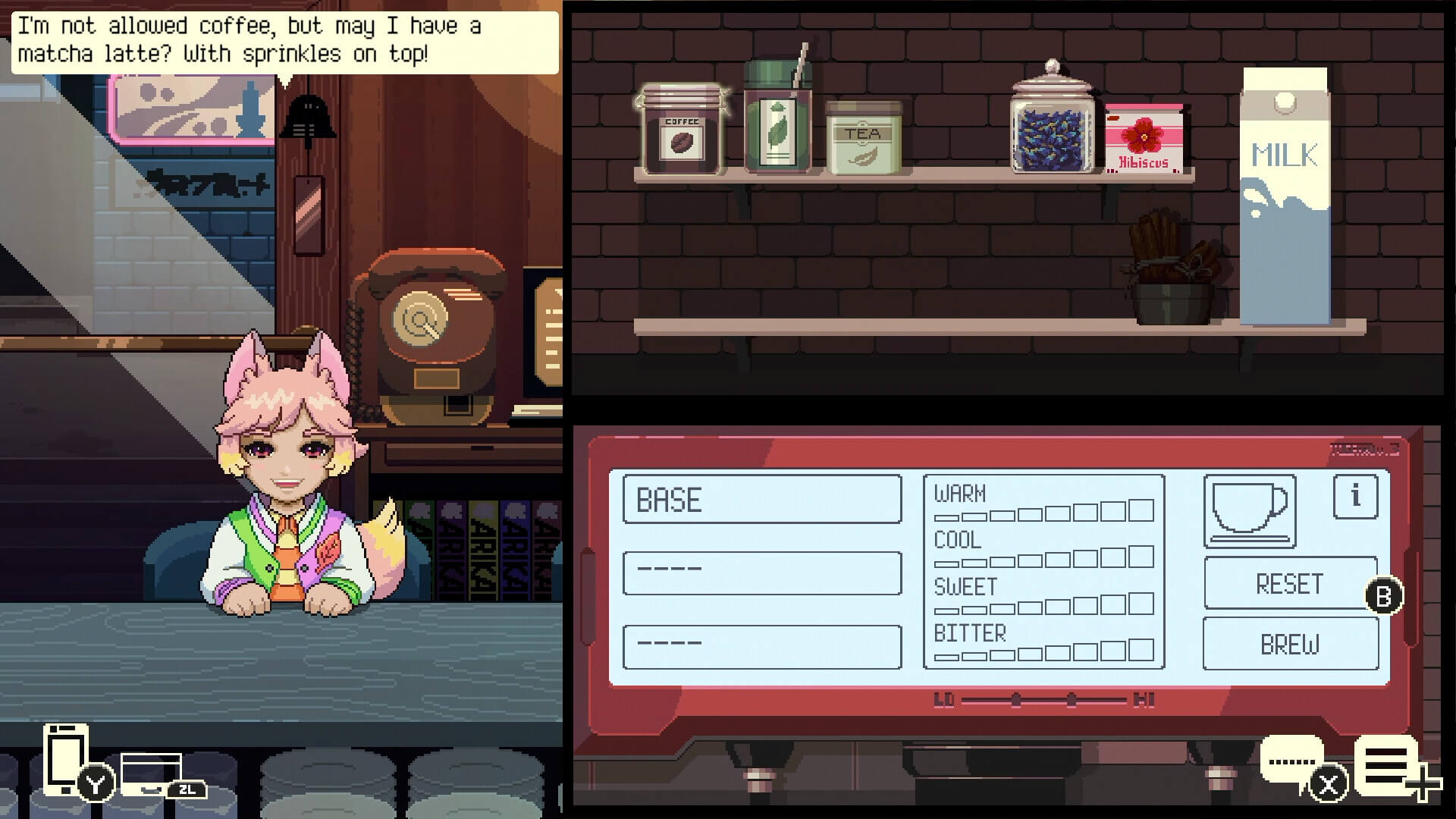
The gameplay remains largely consistent with previous entries. Most of your time is spent reading dialogue, making decisions through conversation, and preparing drinks for customers based on their requests. Creating drinks involves selecting ingredients and combining them in the correct order. While the process is relatively simple, there’s a satisfying rhythm to it that fits perfectly with the game’s laidback atmosphere.
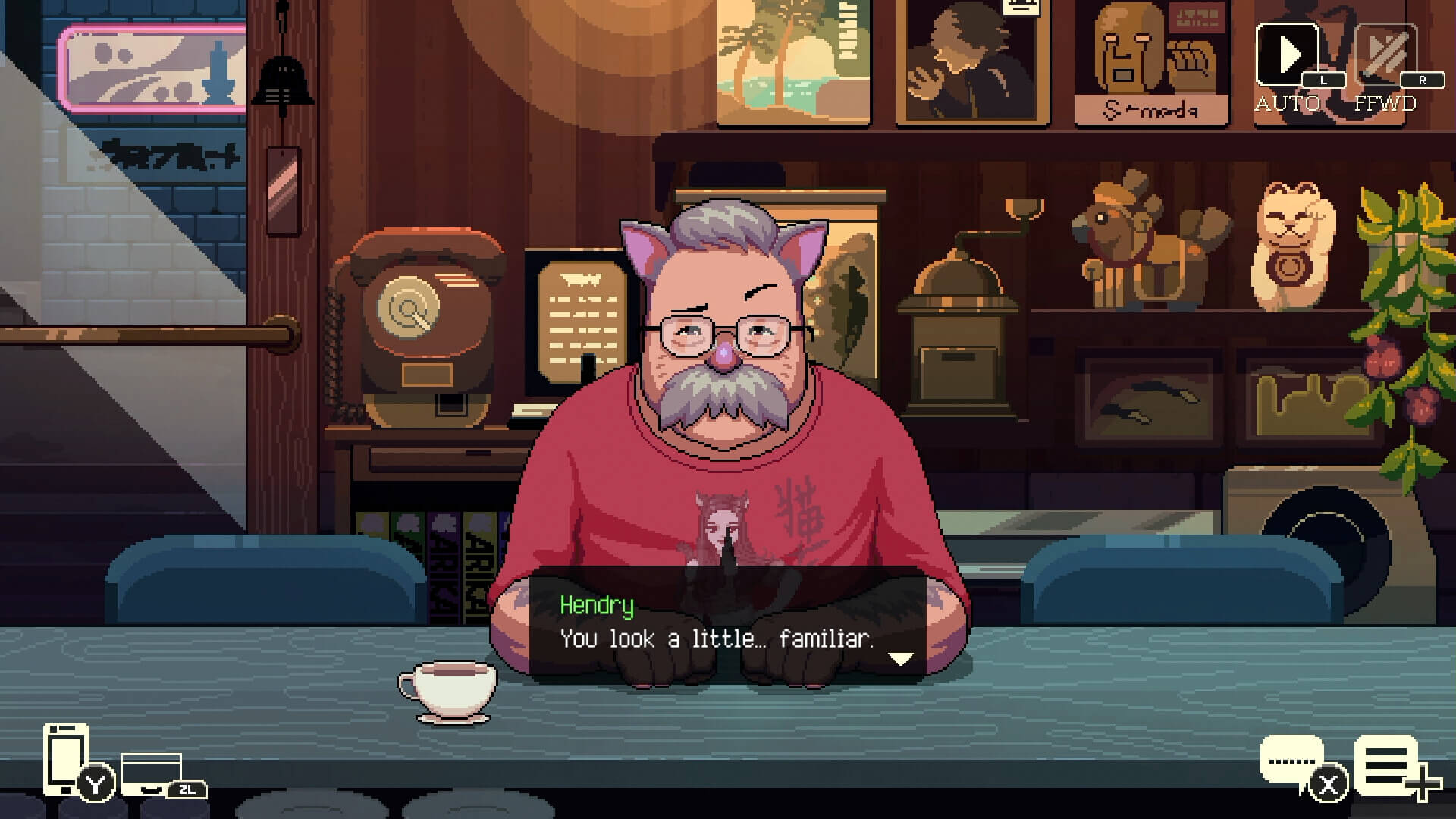
Outside of the drink making itself, there are a handful of small gameplay diversions and interactive elements that help break up the visual novel segments. These moments never feel intrusive and are generally designed to complement the storytelling rather than distract from it. This remains very much a narrative focused experience, but the occasional gameplay interactions help keep things engaging throughout the journey.
What impressed me most was how naturally the game balances its various elements. The drink making mechanics, dialogue, character development, and world-building all work together seamlessly. Nothing feels forced, and the game never loses sight of what makes the series special. Meaningful conversations between interesting people.
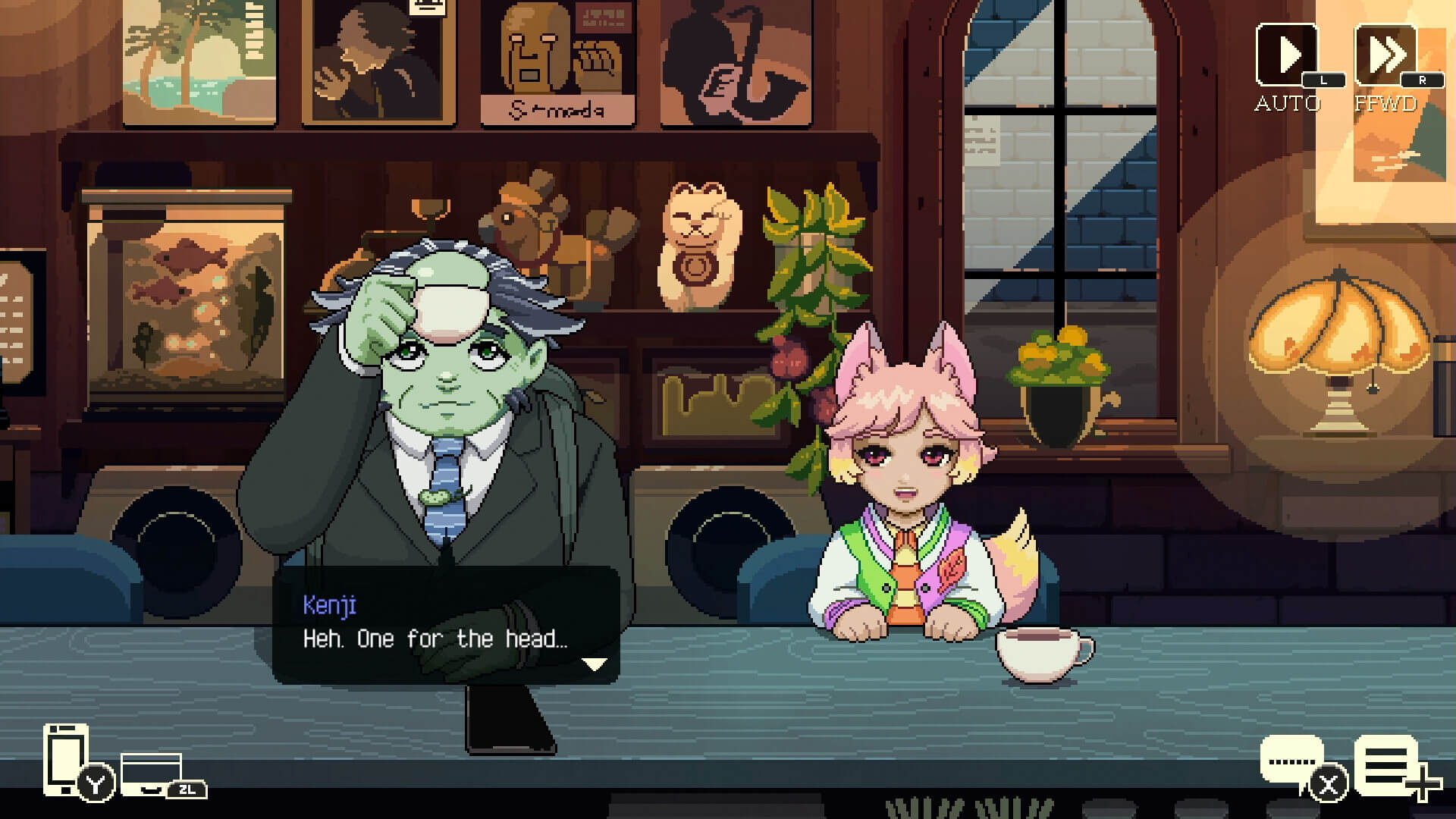
One of my favourite aspects of Coffee Talk: Tokyo is undoubtedly its cast of characters. The game introduces a wonderfully diverse lineup of individuals, each with their own backgrounds, personalities, races, and personal struggles. Much like previous entries, this world is inhabited by both humans and fantasy-inspired races, resulting in a fascinating blend of cultures and perspectives.
Every customer arrives carrying some form of emotional baggage. Some are dealing with family issues, others are struggling with relationships, careers, identity, or finding their place in society. What makes these stories work so well is how relatable they feel despite the fantasy elements woven throughout the setting. Beneath the supernatural races and unique world-building are very human experiences that many players will recognise.
As the story progresses, you gradually learn more about each character’s challenges and aspirations. Some narratives are light-hearted and humorous, while others delve into surprisingly emotional territory. There were several moments throughout my playthrough that genuinely caught me off guard with how thoughtful and touching they were. The writing does an excellent job of handling difficult themes without becoming overly dramatic or heavy handed.
Because the game spends so much time allowing you to interact with its characters, it becomes incredibly easy to grow attached to them. By the time the credits rolled, I felt a genuine connection to many of the cafe’s regular visitors. Their triumphs felt rewarding, their setbacks carried emotional weight, and I found myself eager to see how each storyline would ultimately conclude.
The roughly ten hour runtime plays a significant role in making these character arcs effective. Coffee Talk: Tokyo understands the importance of pacing. Unlike some visual novels that can stretch their narratives across dozens of hours, this game remains focused throughout. The story progresses naturally, introducing new developments at a steady pace while ensuring that individual character arcs continue moving forward.
I particularly appreciated that the game never felt like it was padding its runtime. Every conversation serves a purpose, whether it’s developing a character, advancing a storyline, or deepening the world itself. As a result, the experience remains engaging from beginning to end without ever feeling repetitive.
The presentation is another area where Coffee Talk: Tokyo shines. The pixel art style is absolutely gorgeous and continues the series’ tradition of delivering visually striking environments and character portraits. The café itself feels warm and inviting, while Tokyo’s cityscape provides a beautiful backdrop for the events unfolding within.
There’s an incredible amount of detail packed into the visuals. Character designs are expressive and memorable, helping each member of the cast stand out. The subtle animations, and environmental details all contribute to the game’s cosy atmosphere. Even after several hours, I found myself admiring the artwork and appreciating how much personality it brings to every scene.
Equally impressive is the soundtrack. The game’s collection of lo-fi tracks perfectly complements the relaxing nature of the experience. Whether you’re listening to customers share their problems or quietly preparing a drink behind the counter, the music creates an atmosphere that is consistently calming and inviting.
The soundtrack quickly became one of my favourite aspects of the game. The mellow beats and soothing melodies help establish the late night cafe vibe that the series is known for. It’s the kind of music that you could easily listen to outside of the game, and it consistently enhances the mood without ever becoming distracting.
As for performance, I encountered no notable issues throughout my time with Coffee Talk: Tokyo. The game ran smoothly, loading times were minimal, and I didn’t experience any crashes or significant technical problems. Given the narrative focused nature of the experience, stability is especially important, and thankfully the game delivers a polished experience from start to finish.
That isn’t to say the game is completely without flaws. While I enjoyed nearly every storyline, there were a few occasions where I wished the drink making mechanics had been expanded further. The beverage preparation system is enjoyable, but returning players may find it somewhat familiar. A greater variety of mini-games or deeper cafe management elements could have added additional layers of engagement.
Similarly, while most character arcs are excellent, a handful of side stories feel slightly less developed than others. The overall quality remains high, but there were moments where I found myself wanting certain characters to receive a little more screen time and exploration.
These criticisms are relatively minor in the grand scheme of things, however. Coffee Talk: Tokyo succeeds because it understands exactly what kind of experience it wants to deliver and executes that vision exceptionally well. It isn’t trying to reinvent the wheel. Instead, it refines and builds upon the strengths that have made the series so popular in the first place.
Ultimately, Coffee Talk: Tokyo is a wonderful addition to the franchise. Its charming cast, heartfelt storytelling, relaxing soundtrack, beautiful pixel art, and welcoming atmosphere combine to create an experience that is easy to recommend. Whether you’re a longtime fan of the series or a newcomer looking for a thoughtful narrative adventure, there’s plenty to enjoy here.
Most importantly, you don’t need any prior knowledge of the previous games to appreciate what Coffee Talk: Tokyo has to offer. The new setting and fresh cast make it an ideal entry point, while returning players will find plenty of reasons to fall in love with the series all over again.
Coffee Talk: Tokyo may not be the most complex game you’ll play this year, but it is one of the most heartfelt. For around ten hours, it invites you to sit down, pour a warm drink, listen to some wonderful stories, and spend time with characters you’ll genuinely care about. Sometimes, that’s exactly the kind of experience you need.
A Coffee Talk: Tokyo review code was provided for the purpose of this review.
If you want to see more content like this and never miss one of our frequent gaming and anime giveaways come and Follow Ani-Game on Twitter.
9
- + An engaging story filled with great characters
- + Solid writing and scenarios
- + An awesome and well fitting soundtrack
- + Well paced and doesn’t overstay it’s welcome
- - Would have loved some new mini games or mechanics expanded
- - Some more time with certain characters