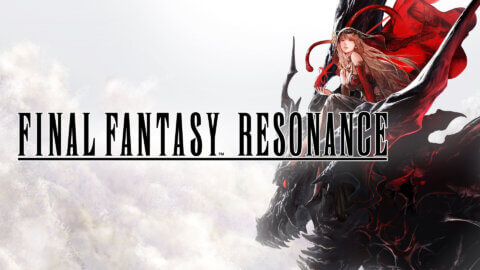
There’s something instantly comforting about a game that knows exactly what it wants to be. Ariana and the Elder Codex never tries to reinvent the action RPG genre, nor does it pretend to be bigger than it is. Instead, it focuses on delivering a polished, magical adventure built around fast combat, layered exploration, and a surprisingly heartfelt story about memory, loss, and the importance of stories themselves. After completing the game, I came away genuinely impressed by how much charm and personality the game manages to pack into its modest scope.
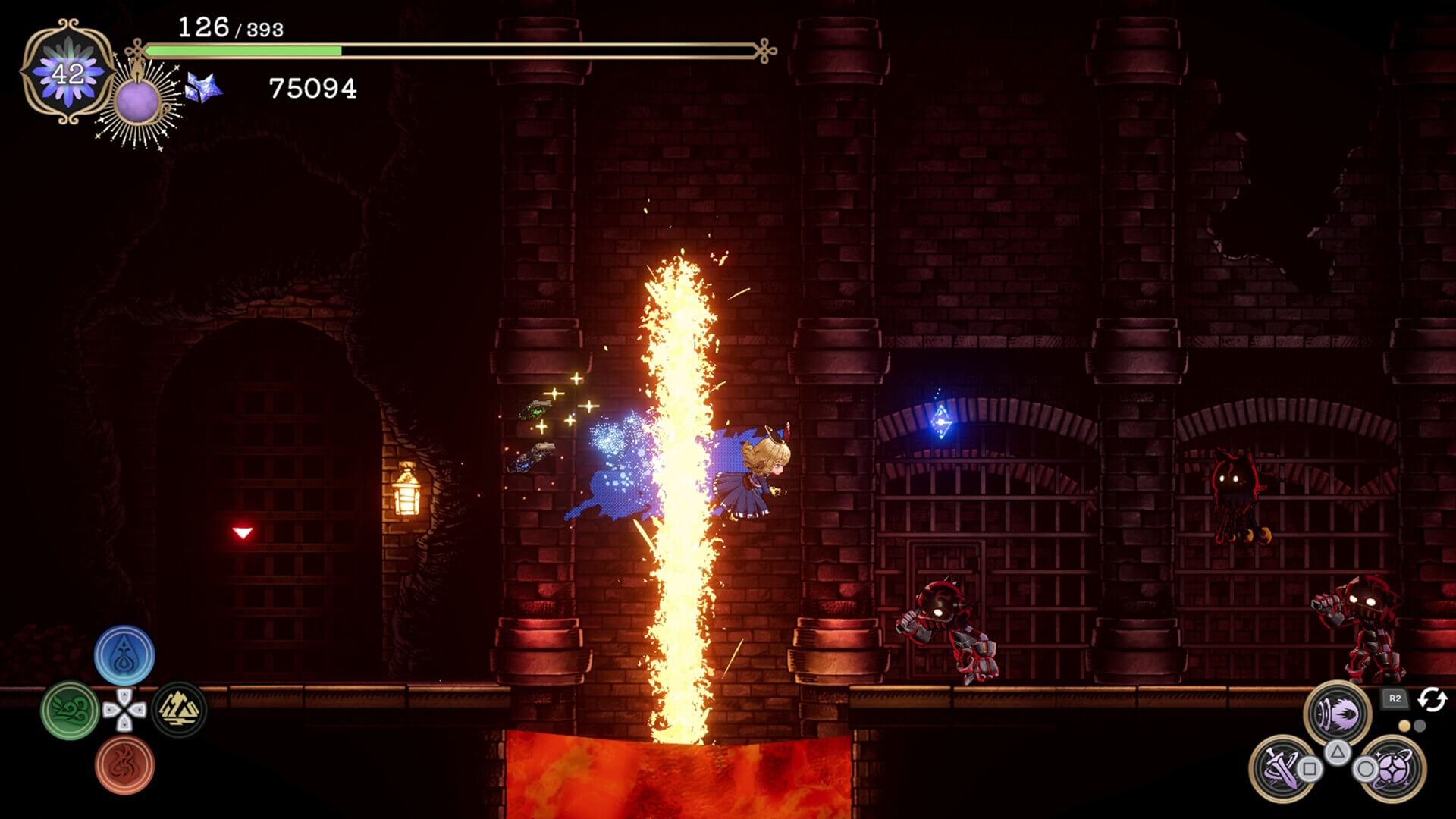
Ariana and the Elder Codex succeeds because it understands its strengths. It doesn’t try to overwhelm players with endless systems or artificially stretch itself into a hundred hour epic. Instead, it focuses on tight combat, rewarding exploration, strong atmosphere, and a story built around magical books, forgotten histories, and the emotional weight stories can carry. By the time I finished the game, I realised I had become far more attached to its world and characters than I initially expected.
The story centers on Ariana Virellis, a young librarian and magic user living within a massive archive known simply as the Library. The world’s magic is tied to ancient Codices, legendary books that preserve powerful histories and magical knowledge. When corruption begins spreading through these books, entire worlds inside them start collapsing, threatening both the Library and reality itself. Ariana’s unique ability allows her to physically enter the Codices, explore their worlds, and restore the stories trapped within them.
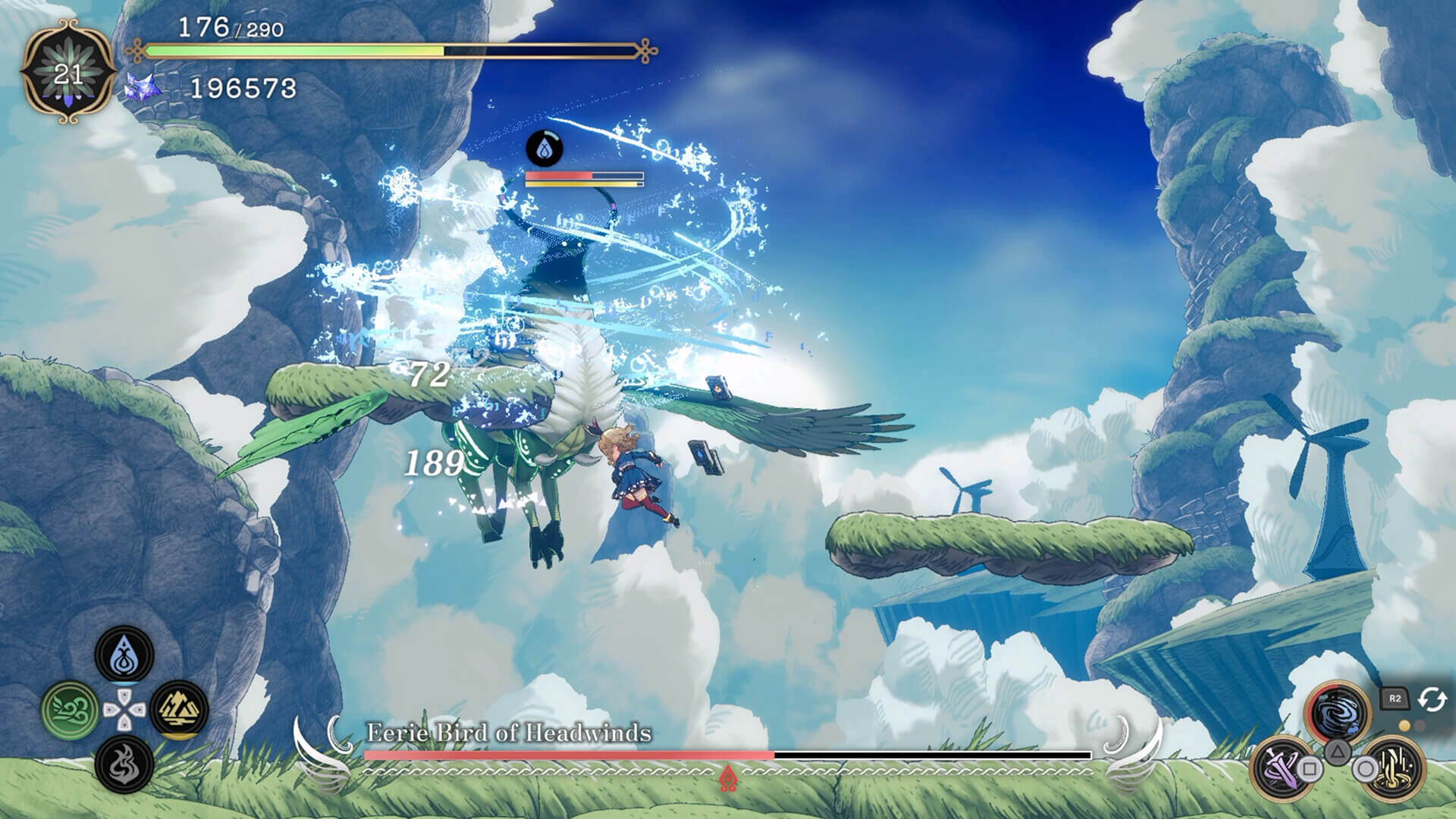
It’s a clever premise because it naturally allows the game to constantly shift environments and themes without feeling disconnected. One moment I was exploring dimly lit dungeonous ruins, and the next I was moving through windswept floating structures filled with broken machinery and forgotten civilisations. Every Codex feels like its own contained fantasy story, complete with unique characters, conflicts, and emotional themes.
What surprised me most was how sincere the writing felt. The game never tries too hard to be overly dark or overly comedic. Instead, it keeps things grounded emotionally. Ariana herself is immediately likable because she feels capable without becoming unrealistically perfect. She’s curious, determined, and intelligent, but there are moments where her uncertainty and emotional vulnerability come through naturally. Her search for answers surrounding her family gives the larger story a personal core that kept me invested even during slower sections.
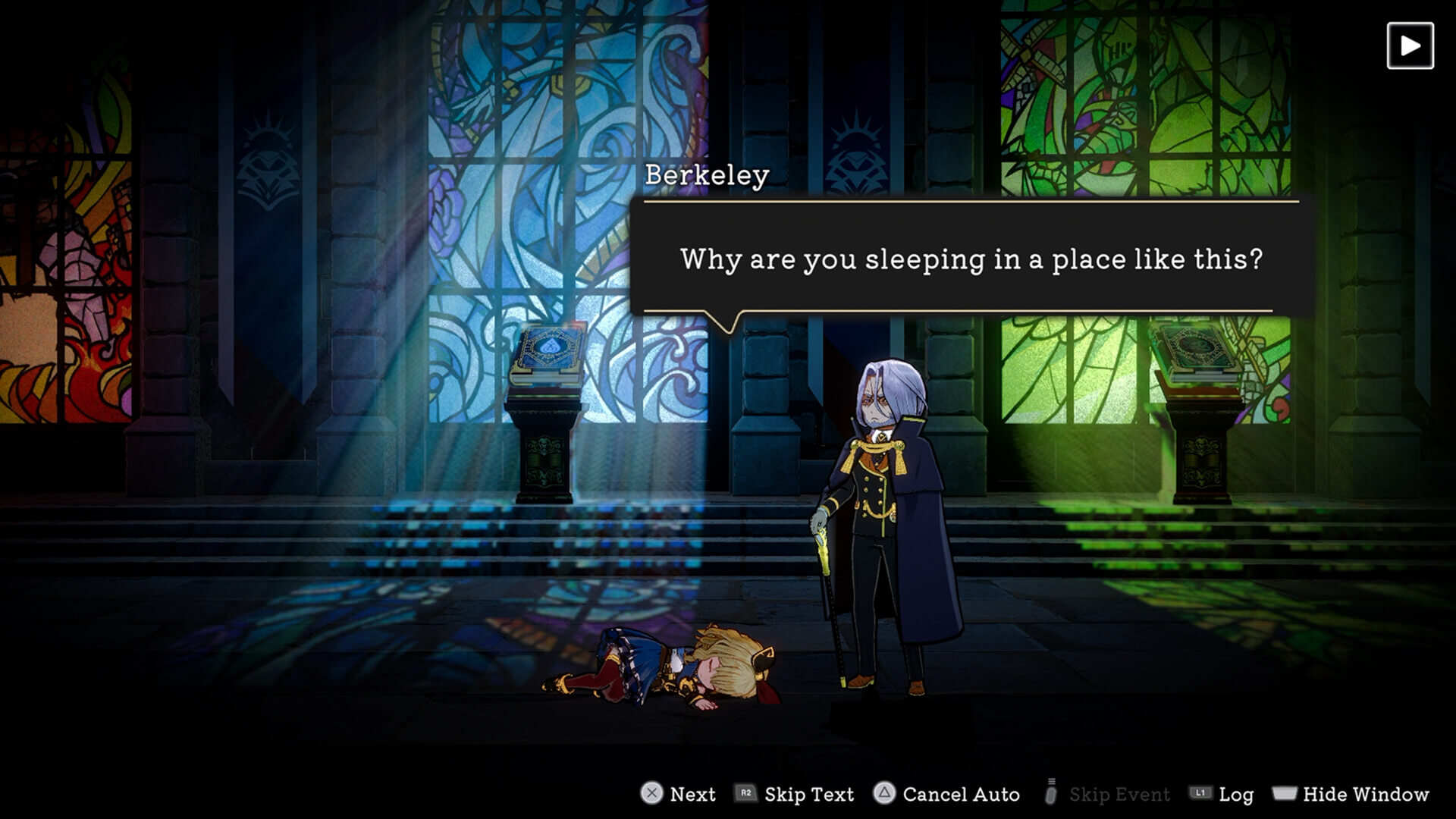
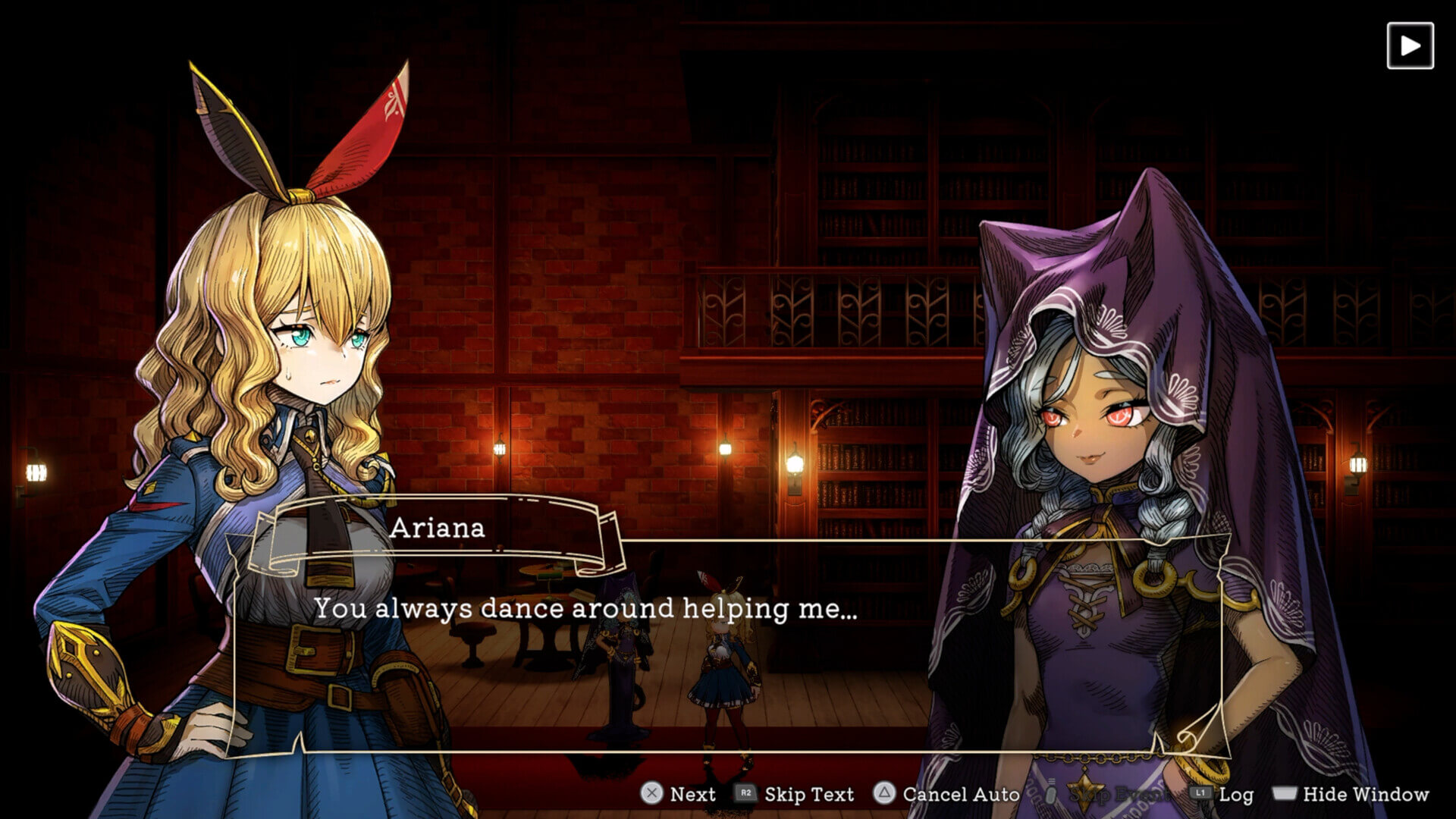
The supporting cast also helps carry the game. Characters back at the Library gradually become more fleshed out as the story progresses, and I found myself looking forward to returning to the hub area after each major mission just to see new dialogue or story developments. Some of the quieter interactions ended up being more memorable than the bigger plot twists because they gave the characters room to breathe.
That said, the pacing isn’t perfect. The game sometimes spends too long inside individual Codex storylines before returning to the central narrative. While most of these smaller stories are enjoyable on their own, there were stretches where I felt the main mystery lost momentum. Still, once the final chapters begin connecting everything together, the payoff works surprisingly well. The ending hit harder emotionally than I expected from a game that initially seemed fairly straightforward.
Gameplay is where Ariana and the Elder Codex really won me over. At its core, it’s a side-scrolling action RPG with light Metroidvania elements. Exploration is important, and new abilities unlock access to previously unreachable areas, but the structure is more focused and linear than something like Hollow Knight. Personally, I thought that worked in the game’s favor because it kept the game moving forward while still rewarding curiosity.
Combat starts simple but gradually becomes one of the game’s best features. Ariana uses a mix of sword attacks and magic tied to various elements. Early on, fights feel fairly easy, and I initially worried the combat system lacked depth. Then the game started introducing tougher enemy combinations and far more aggressive bosses, and suddenly each mechanic became more important.
Dodging, timing, elemental combinations, cooldown management, and positioning all start mattering once the difficulty ramps up. Boss fights especially demand your attention. Several of them completely destroyed me the first time I fought them because I had grown too comfortable simply attacking without thinking strategically. Once I started experimenting with different ability combinations and adapting my playstyle, the combat became incredibly satisfying.
One thing I appreciated was how flexible character builds felt. I could focus on aggressive close range attacks, ranged elemental damage, defensive shielding, or balanced hybrid setups depending on the situation. The game constantly encourages experimentation, and I found myself regularly swapping abilities before major encounters just to see what worked best.
The boss design deserves special praise too. While regular enemies eventually become repetitive, the bosses are consistently creative and memorable. Some focus on mobility and constant pressure, while others turn fights into puzzle-like encounters where learning attack patterns becomes critical. Beating some of the later bosses genuinely felt rewarding because they pushed me to fully engage with the combat system rather than simply overpowering everything.
Exploration is another strong point, even if it doesn’t completely reinvent the genre. Hidden rooms, secret upgrades, optional items, and alternate pathways make revisiting earlier areas worthwhile. I liked that the game trusted players to pay attention to their surroundings rather than constantly pointing out every secret. There were multiple moments where I stumbled across hidden areas simply because something in the environment looked slightly suspicious.
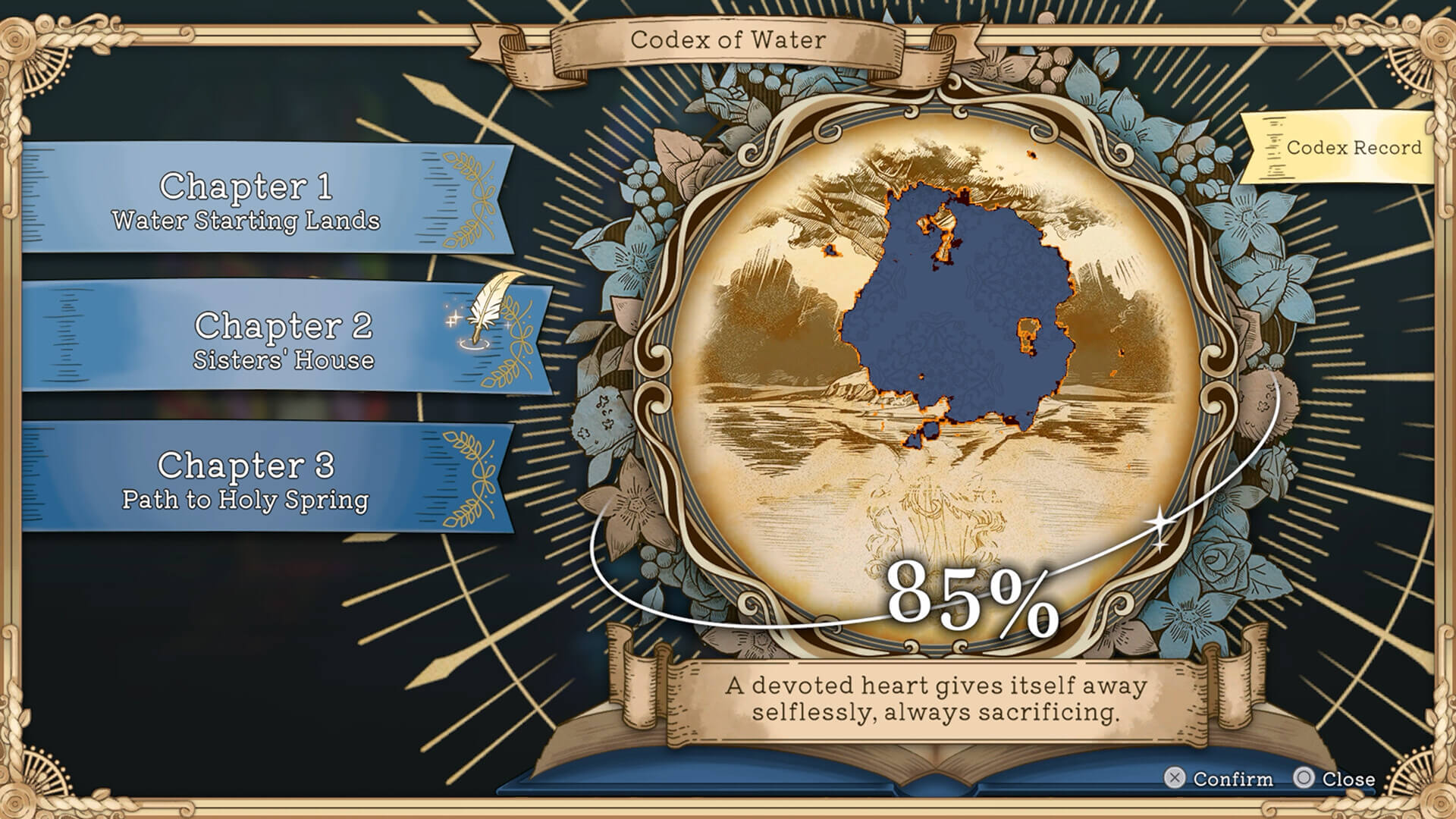
Visually, the game is beautiful in a way screenshots don’t fully capture. The environments have a soft, painterly style that makes every Codex feel like an illustrated fantasy novel brought to life. Lighting and color are used extremely well throughout the adventure, especially in areas tied to specific elemental themes. The Water Codex in particular stood out to me because of how atmospheric it felt, with glowing reflections and layered environmental details creating a genuinely immersive setting.
The soundtrack complements the game nicely without overpowering it. Most tracks lean heavily into orchestral fantasy themes, but they fit the mood perfectly. The quieter piano and string pieces during emotional scenes worked especially well, while the boss music added tension without becoming repetitive or overwhelming. Sound effects also deserve credit because spells and attacks always feel impactful.
Performance on Nintendo Switch is mostly solid too. I played both docked and handheld, and while there were occasional frame drops during especially chaotic fights, the game generally ran well. Considering how visually busy some battles become with layered spell effects and enemy attacks filling the screen, I was pleasantly surprised by how stable the experience remained overall.
The biggest weakness is probably enemy variety. While the environments and bosses stay fresh throughout the game, regular enemies start repeating themselves fairly early. Many later enemies are essentially stronger elemental versions of creatures you’ve already fought dozens of times before. It doesn’t ruin the experience, but it does make parts of the late game feel less exciting than they could have been.
There are also moments where the difficulty spikes a little too sharply. Most of the game feels well balanced, but a handful of bosses deal massive damage and leave very little room for mistakes. Players who enjoy demanding action RPG combat probably won’t mind this, but others may find certain encounters frustrating rather than challenging.
Even with those issues, I came away genuinely impressed by Ariana and the Elder Codex. It’s the kind of game that feels carefully crafted rather than mass produced. There’s a clear sense of passion behind every part of it, from the world design to the combat systems to the emotional storytelling. It doesn’t need massive cinematic moments or endless content to stay engaging because the core experience itself is consistently enjoyable.
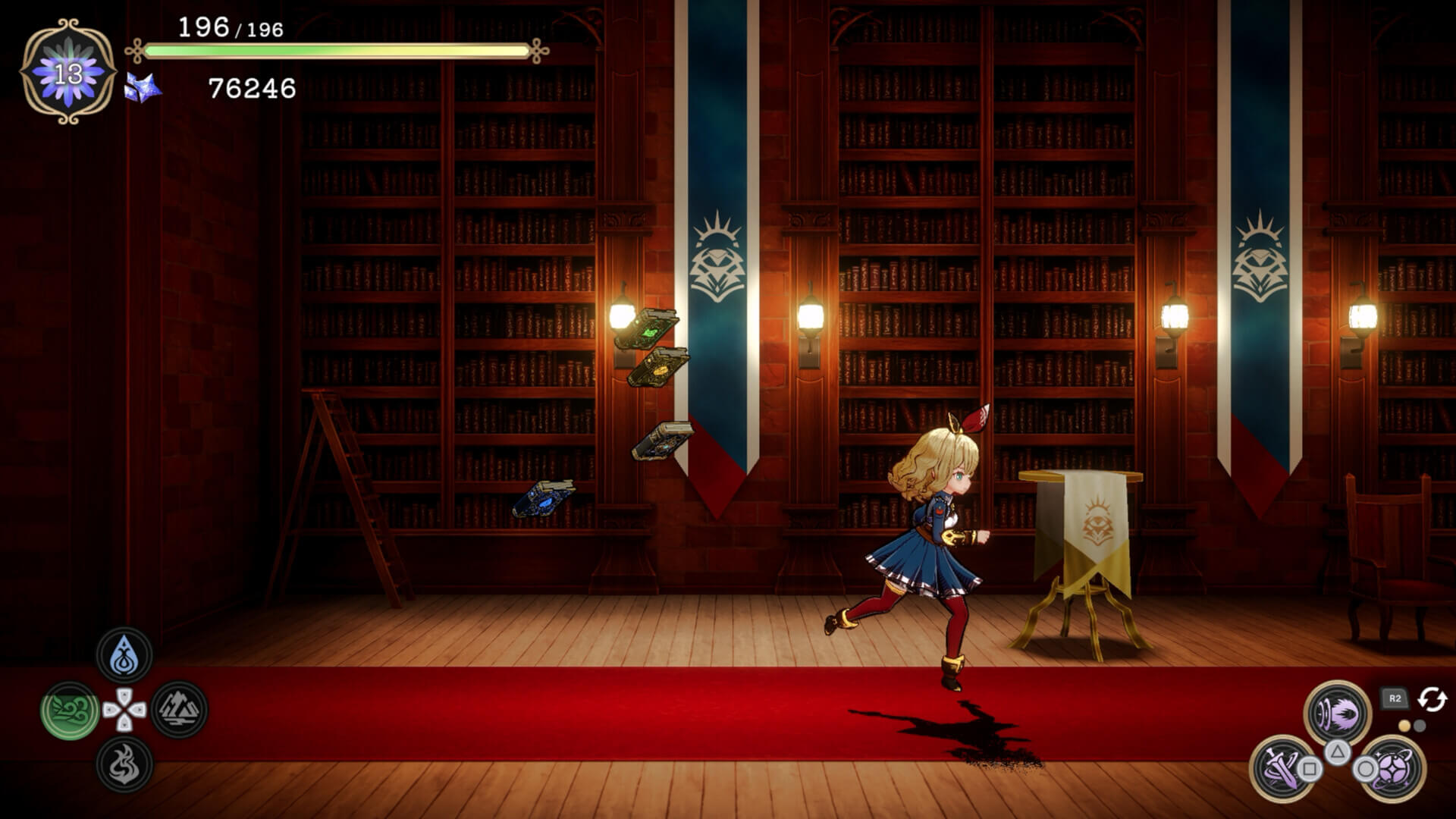
What stayed with me most after finishing the game was its atmosphere. There’s something strangely comforting about wandering through magical libraries, restoring broken stories, and uncovering forgotten histories piece by piece. The game captures that sense of fantasy adventure remarkably well.
Ariana and the Elder Codex may not completely redefine the action RPG genre, but it doesn’t need to. What it offers is a polished, heartfelt, and genuinely engaging adventure filled with strong combat, beautiful art direction, and characters worth caring about. For Nintendo Switch players looking for a fantasy RPG that feels focused and thoughtfully made, this is an easy game to recommend. By the end of the journey, I wasn’t just satisfied with what the game accomplished. I honestly wished there was more of it.
A Nintendo Switch review code was provided by the publisher for the purpose of this review.
If you want to see more content like this and never miss one of our frequent gaming and anime giveaways come and Follow Ani-Game on Twitter.
7
- + An interesting premise that provides diverse locations
- + A great cast of characters with solid performances
- + Well designed boss encounters
- + Amazing tone and atmosphere
- - Repetitive encounter and enemy designs
- - Difficulty spikes and design decisions that affect pacing