I’ve got a bit of a weakness for roguelikes. That “one more run” feeling has stolen more of my time than I’d like to admit, and I mean that in the best possible way. Games like The Binding of Isaac and Rogue Legacy had me hooked for weeks on end, but nothing quite hit the same highs as Hades. When I first played it back in 2021, it ended up being my personal Game of the Year without much competition. So naturally, I had high expectations for Hades II.
Strangely enough, I hadn’t jumped into the sequel when it first released elsewhere. Timing, backlog, life, all the usual excuses. But now that it’s landed on my main platform, the PlayStation 5, it finally felt like the right moment to dive in. And after spending a good chunk of time with it, I can say this without hesitation. It was worth the wait, because this game absolutely rules It has everything I loved about the first game, but it builds on that foundation in meaningful ways. It’s deeper, more flexible, and in some ways more ambitious. It feels familiar, but never lazy.
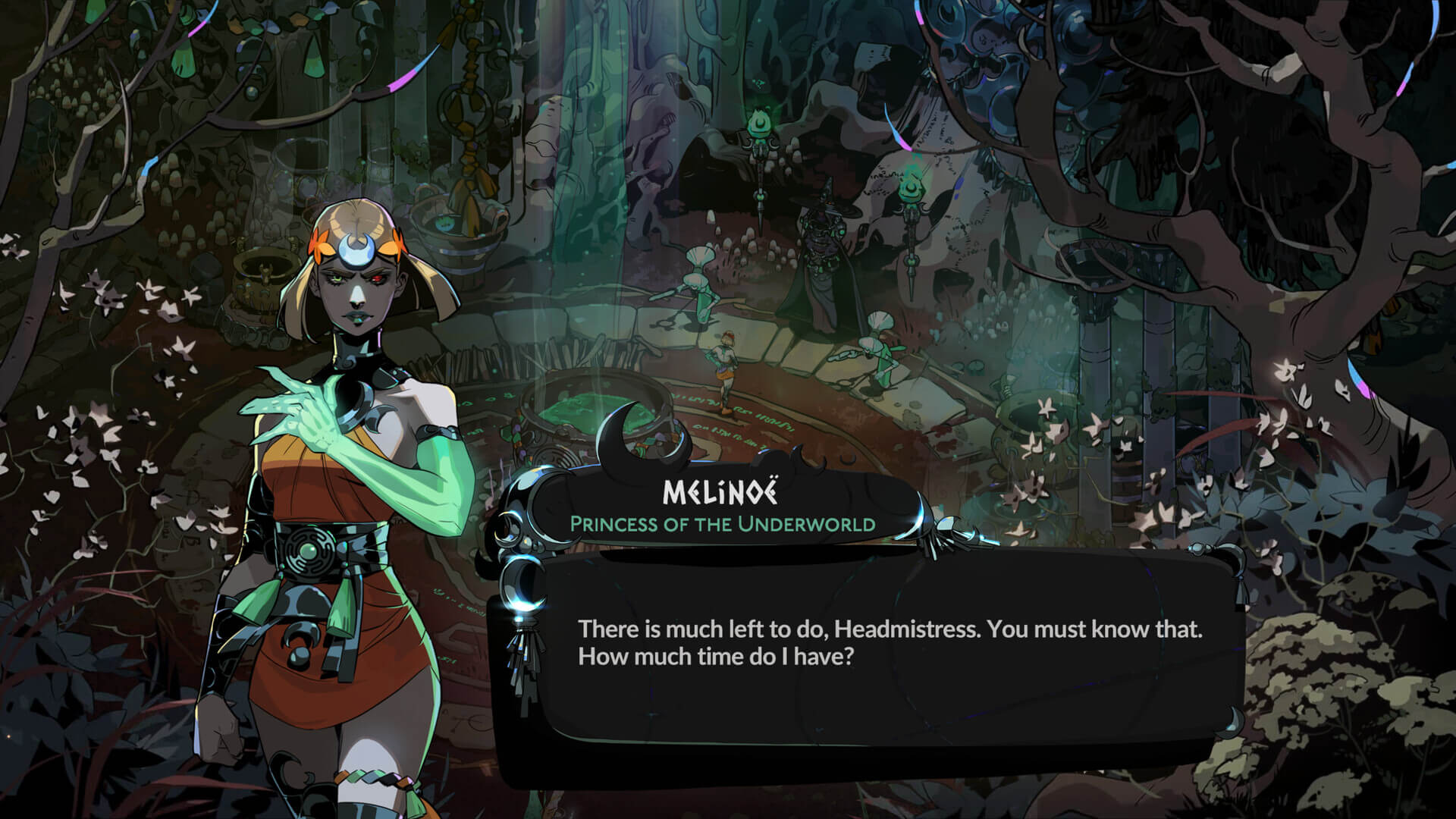
At its core, Hades II is still a roguelike. You’re doing repeated runs through a series of procedurally generated areas, fighting through rooms of enemies, grabbing upgrades, and pushing as far as you can before inevitably getting taken down and starting again. But like the best games in the genre, failure never feels wasted. Every run feeds into something bigger.
This time around, you play as Melinoë, daughter of Hades and Persephone, and sister to Zagreus from the first game. Her goal is a bit more direct, and a lot more intense. She’s out to take down Chronos, the Titan of Time, who has thrown the underworld into chaos.
The setup is strong right from the start. There’s a clear sense that things are worse than they’ve ever been, and Melinoë isn’t just rebelling or escaping like Zagreus was. She’s fighting a war. That shift alone gives the game a different tone. It’s still got that signature wit and charm, but there’s a darker edge running through it.
One of the things I appreciated most is that you don’t need to have played the first game to enjoy this. There are callbacks and returning characters, sure, but the story stands on its own. You can jump in fresh and still get a full experience. That said, I’d still recommend going back to play Hades if you haven’t. It holds up incredibly well and adds extra context that makes this sequel even richer.
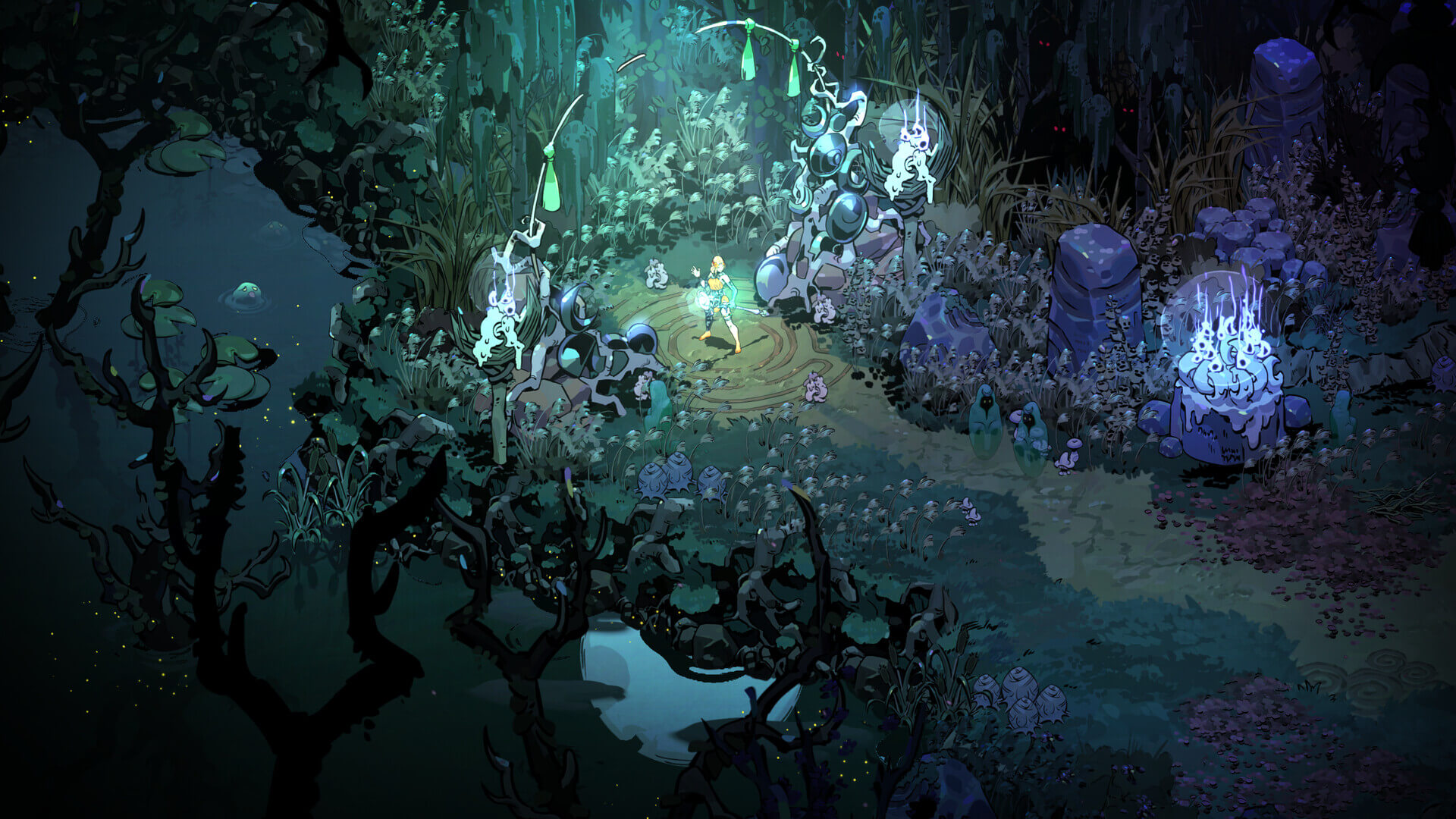
Between runs, the game sprinkles in flashback sequences where you get to experience parts of Melinoë’s past. These moments show her training, her upbringing, and the relationships that shaped her. I found these sections to be a really nice change of pace. After the chaos of a run, it’s good to slow things down and get a bit more insight into who she is.
And honestly, Melinoë is a great protagonist. She carries a lot of weight, and you can feel it in her dialogue and interactions. Compared to Zagreus, who had a more rebellious and sarcastic energy, Melinoë feels more focused and burdened. It helps the game stand apart instead of just feeling like “more Hades.”
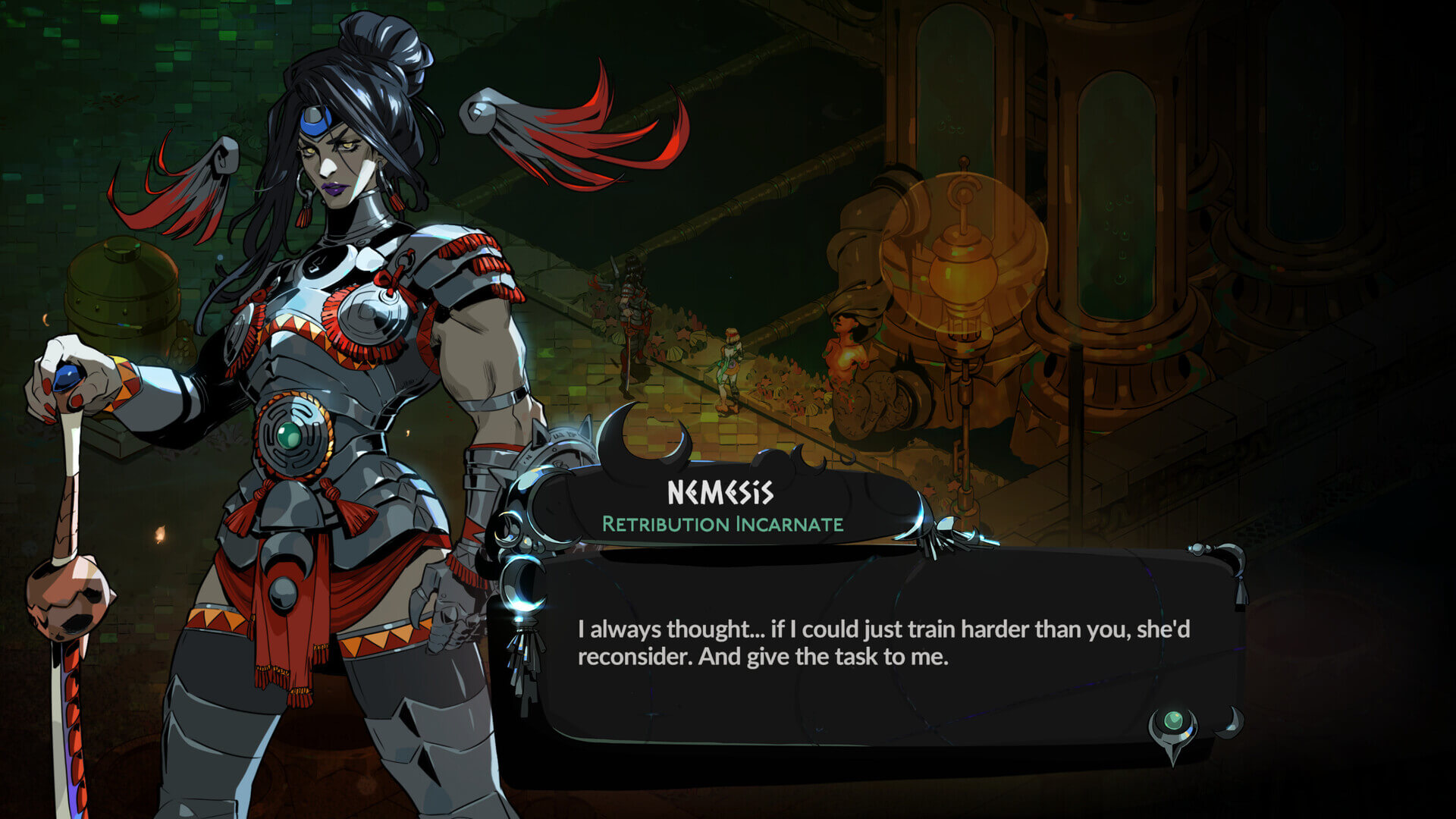
That sense of personality extends to the rest of the cast as well, and this is where the game really shines. The hub area between runs is packed with characters, and talking to them is one of my favorite parts of the loop. Every time I failed a run, I didn’t feel frustrated. I actually looked forward to going back, checking in with everyone, and seeing what they had to say.
The dialogue system is incredibly reactive. Characters comment on your recent runs, your choices, even your failures. It makes everything feel connected. Like they’re actually watching your progress and responding to it. It’s such a small thing on paper, but it goes a long way in making each run feel meaningful.
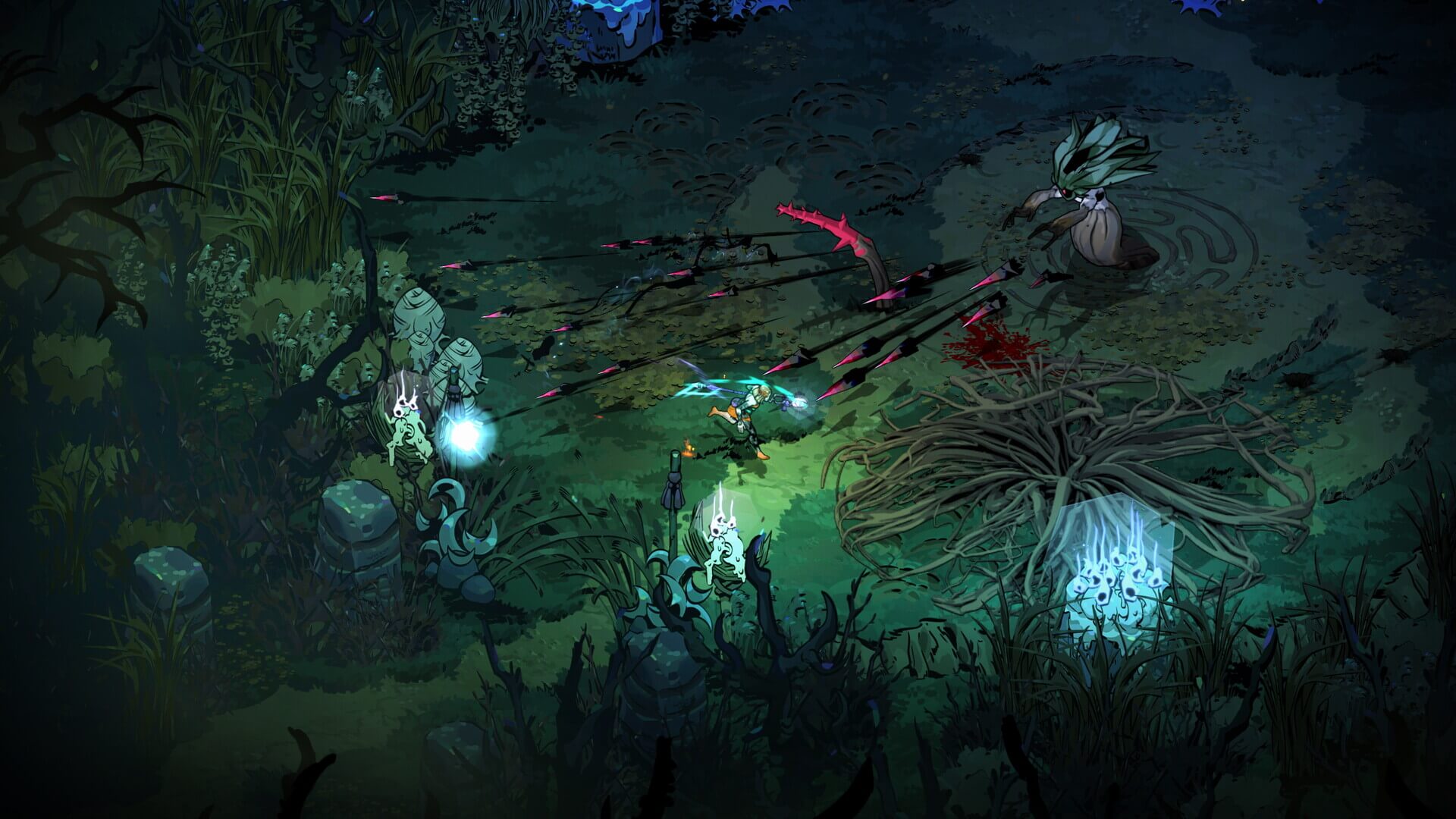
Structurally, the game sticks to what works. You move through a series of randomised rooms, clear out enemies, pick your next reward, and eventually face a boss. Beat the boss, move to the next area, and repeat. Along the way, you collect boons from various gods, which act as upgrades that shape your build for that run.
These boons are where a lot of the variety comes from. One run might turn you into a high-speed glass cannon, another might lean into defensive play or status effects. You’re constantly adapting based on what the game gives you. Early on, you’ll struggle, and that’s by design. But over time, you unlock upgrades, learn enemy patterns, and start making smarter decisions.
That loop is as addictive as ever. I kept telling myself I’d stop after one more run, and then suddenly it was two hours later. What really elevates Hades II, though, is how much more there is to do between runs. The hub isn’t just a place to talk to characters anymore. You’ve got systems layered on top of systems.
You can brew concoctions that give you passive benefits. You can fulfill minor prophecies for rewards. You can grow crops and gather materials. You can deepen relationships with characters by giving them gifts, which in turn unlocks keepsakes and other bonuses. All of this feeds back into your runs in different ways.
I liked that there isn’t just one path to getting stronger. You can focus on the systems that appeal to you most. Want to optimize your builds? Go for it. Prefer building relationships and unlocking story content? That works too. It gives the game a bit more flexibility compared to the first.
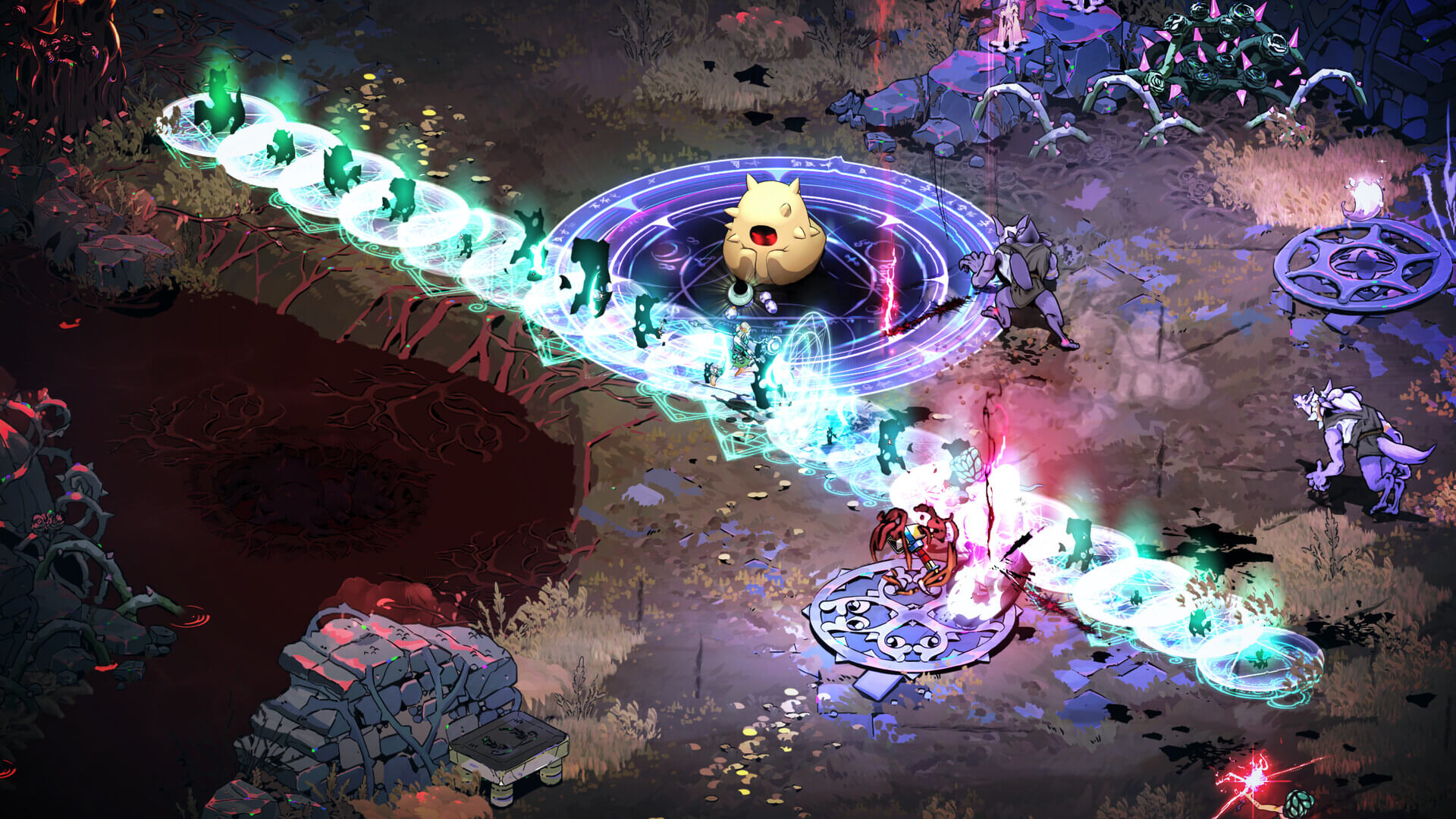
Combat also feels expanded, thanks largely to the weapon variety and Melinoë’s magic system. Each weapon has its own identity. Some are fast and aggressive, others are slower but hit harder. I found myself switching things up regularly, partly because the game encourages it, and partly because it just stays fresh that way.
On top of that, Melinoë has access to magic abilities that run on a mana-like resource. This adds another layer to combat. You’re not just attacking and dodging anymore, you’re managing resources, timing abilities, and thinking a bit more strategically. It makes each run feel more dynamic. You’re not locked into a single style. You’re constantly adjusting based on your weapon, your boons, and the situation in front of you.
Visually, the game is just as striking as its predecessor, if not more so. The art style is instantly recognisable, with bold colors, detailed character designs, and environments that feel alive. Every area has its own look and atmosphere, and the character portraits are still some of the best in the business.
The voice acting deserves a mention too. Performances across the board are fantastic. There’s so much personality packed into every line, and it really helps sell the world and its characters.
On a technical level, the PS5 version is rock solid. I didn’t run into any crashes or noticeable performance issues during my time with it. Load times are quick, the game runs smoothly even during chaotic fights, and everything just feels polished. It’s exactly what you’d want from a game like this.
If I had to point out a downside, it comes from the same place as most roguelikes, randomness. There were definitely runs where things just didn’t go my way. Maybe the boons weren’t a good fit for my build, or the enemy combinations were particularly brutal. Sometimes it felt like I was fighting an uphill battle from the start.
But honestly, that’s part of the deal. When so much of the game is randomised, you’re going to get some rough runs. The good thing is they’re never too punishing. A failed run just means you’re back at the hub, making progress in other ways and gearing up for the next attempt. It never felt unfair enough to ruin the experience. If anything, it made the successful runs feel even better.
Wrapping it all up, Hades II is exactly what I hoped it would be. It takes everything that worked in the first game and builds on it without losing what made it special. It’s deeper, more flexible, and more ambitious, but still incredibly easy to pick up and play.
If things keep going the way they are, this might end up being my Game of the Year for 2026 as well. It’s that good. And as for the developer, Supergiant Games continues to prove they know exactly what they’re doing. At this point, I’m all in on whatever they make next.
A PS5 review code was provided by Supergiant Games for the purpose of this review.
If you want to see more content like this and never miss one of our frequent gaming and anime giveaways come and Follow Ani-Game on Twitter.
10
- + Such a well designed and addictive gameplay loop
- + More things to do this time around to skill-up and progress
- + Great character designs and writing
- + Has a lot of aspects that make it feel fresh compared to it's predecessor
- - There are times the randomness just won't go your way