There was a time when the Fatal Frame series felt like a quiet pillar of survival horror. It never had the blockbuster presence of something like Resident Evil, but it carved out its own identity with a slower, more intimate kind of fear. In recent years though, it’s slipped into the background. New entries stopped coming, and unless you were already a fan, it was easy to forget the series even existed. That’s why revisiting Fatal Frame II: Crimson Butterfly Remake feels important. It’s not just nostalgia. It feels like a test. Like Koei Tecmo quietly asking if people are still interested.
For anyone unfamiliar, the Fatal Frame series is built around a simple but brilliant idea. Instead of fighting monsters with guns or melee weapons, you defend yourself using a camera. Not just any camera, but the Camera Obscura, a supernatural device that can capture and damage spirits. That one mechanic defines everything. It turns combat into something tense and personal. You’re not blasting enemies from a safe distance. You’re letting them come close. Often too close.
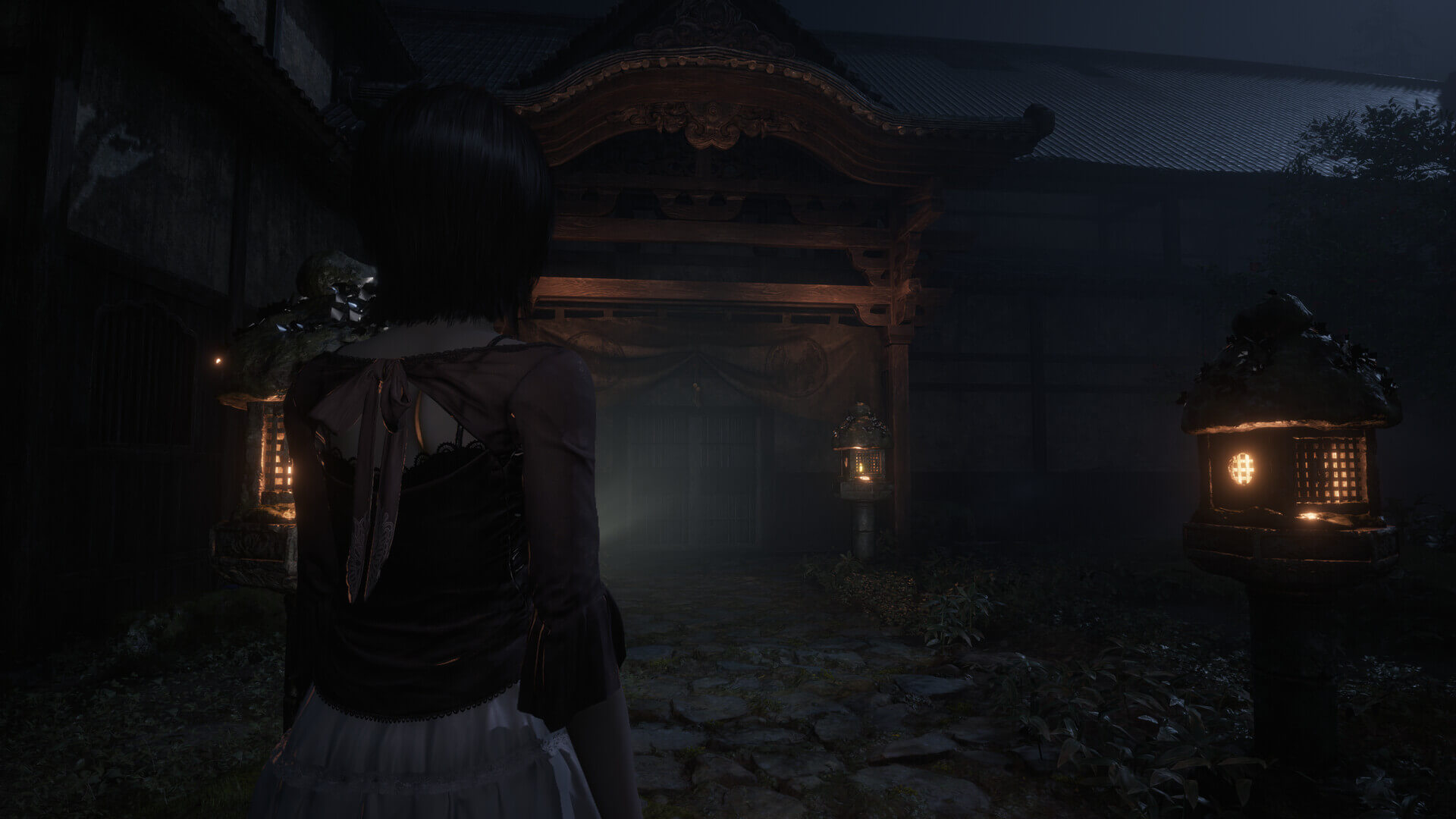
This remake of Crimson Butterfly isn’t just a visual touch up. It goes further than a basic remaster. The environments have been rebuilt with modern lighting and effects, character models have been updated, and there are tweaks to how the game feels moment to moment. It still follows the bones of the original, but there’s clear effort to make it more accessible and presentable on current hardware. It feels more like a careful reconstruction overall.
More than anything, I couldn’t shake the feeling that this project is a testing the waters a bit. If this does well, maybe we finally get a brand new Fatal Frame built from the ground up for modern systems. And honestly, after playing this, I really hope that’s the plan.
The story centers on twin sisters Mio and Mayu Amakura. While exploring the woods, they stumble upon a hidden, abandoned village. It doesn’t take long before things feel wrong. The place is steeped in ritual, tragedy, and a history that slowly reveals itself through documents, visions, and encounters with restless spirits.
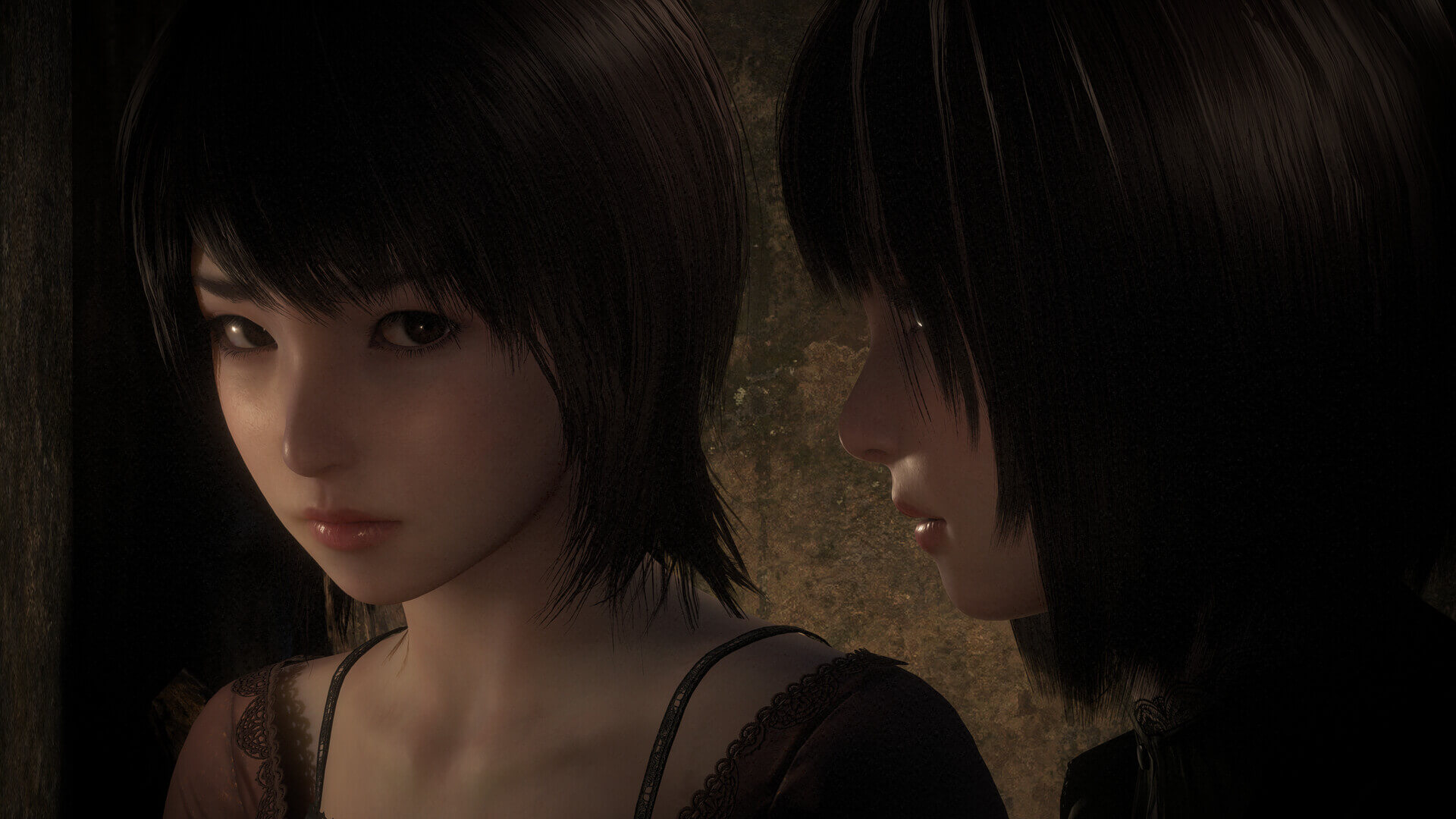
At its core, the narrative is about the bond between the sisters. Mayu, the more fragile of the two, often wanders off, drawn by unseen forces. Mio becomes the anchor, constantly searching for her and trying to understand what’s happening. That dynamic gives the story emotional weight. It’s not just about escaping a haunted place. It’s about protecting someone you care about, even when they seem to be slipping away.
The storytelling is deliberately slow. You piece things together through scattered notes, environmental details, and ghostly echoes of the past. It trusts you to pay attention. It doesn’t rush to explain itself, which works in its favor. The mystery builds gradually, and by the time you start to understand the village’s rituals and the fate of its inhabitants, it’s already under your skin.
Gameplay sticks closely to survival horror traditions. You explore interconnected areas, solve puzzles, and manage limited resources. Progression often hinges on finding keys or specific items, but the puzzles do a good job of making you think beyond simple fetch quests. You’ll use tools from your inventory in creative ways, and sometimes the solution ties directly into the story or the environment’s history.
Resource management plays a bigger role than I expected. Film for the Camera Obscura isn’t unlimited, and different types of film have different strengths. Basic film is weaker but more common, while stronger film is rare and precious. Deciding when to use your best shots becomes a real consideration. It reminded me of rationing ammo in Resident Evil. That same quiet tension is there, where every encounter carries a cost.
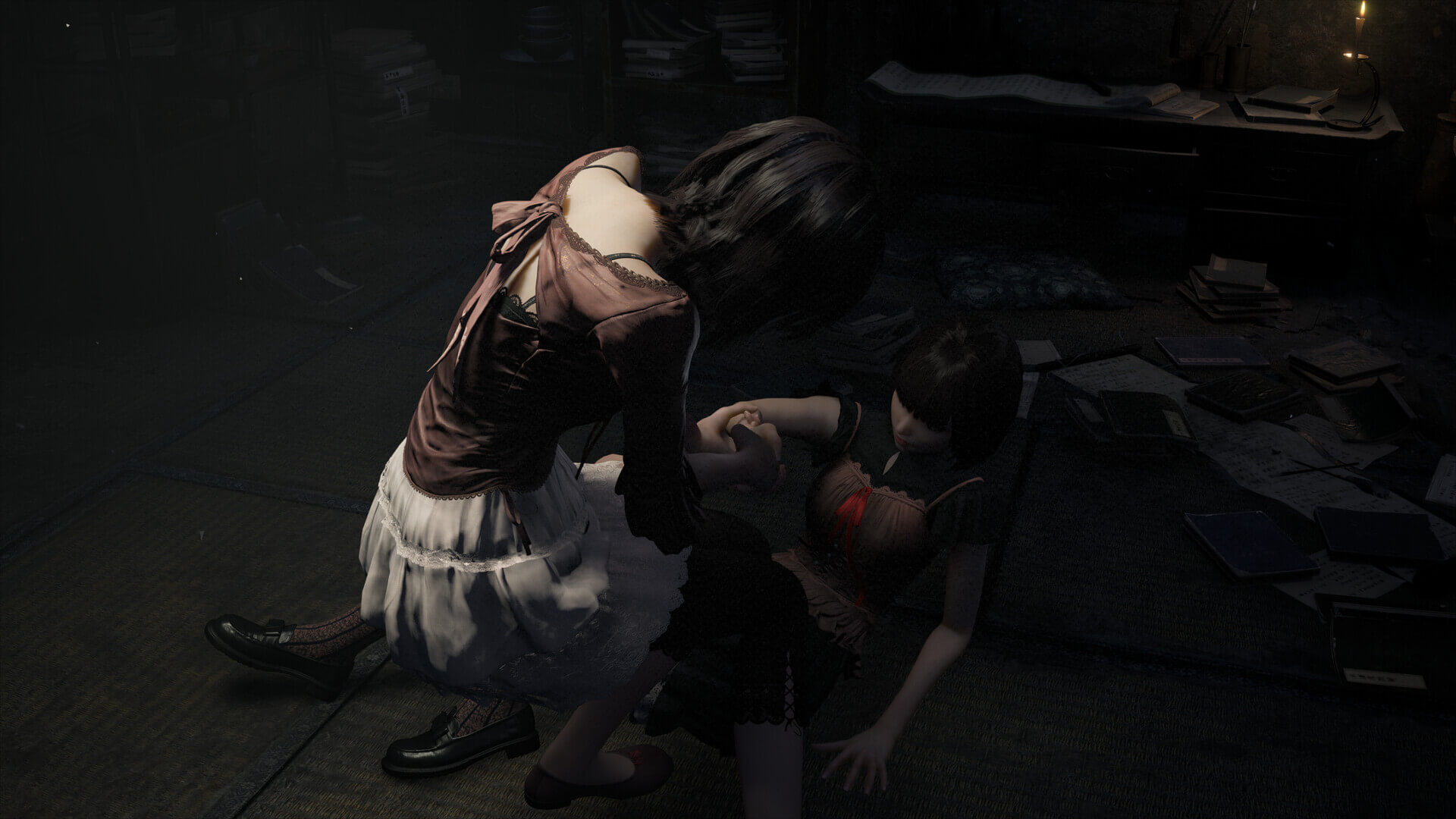
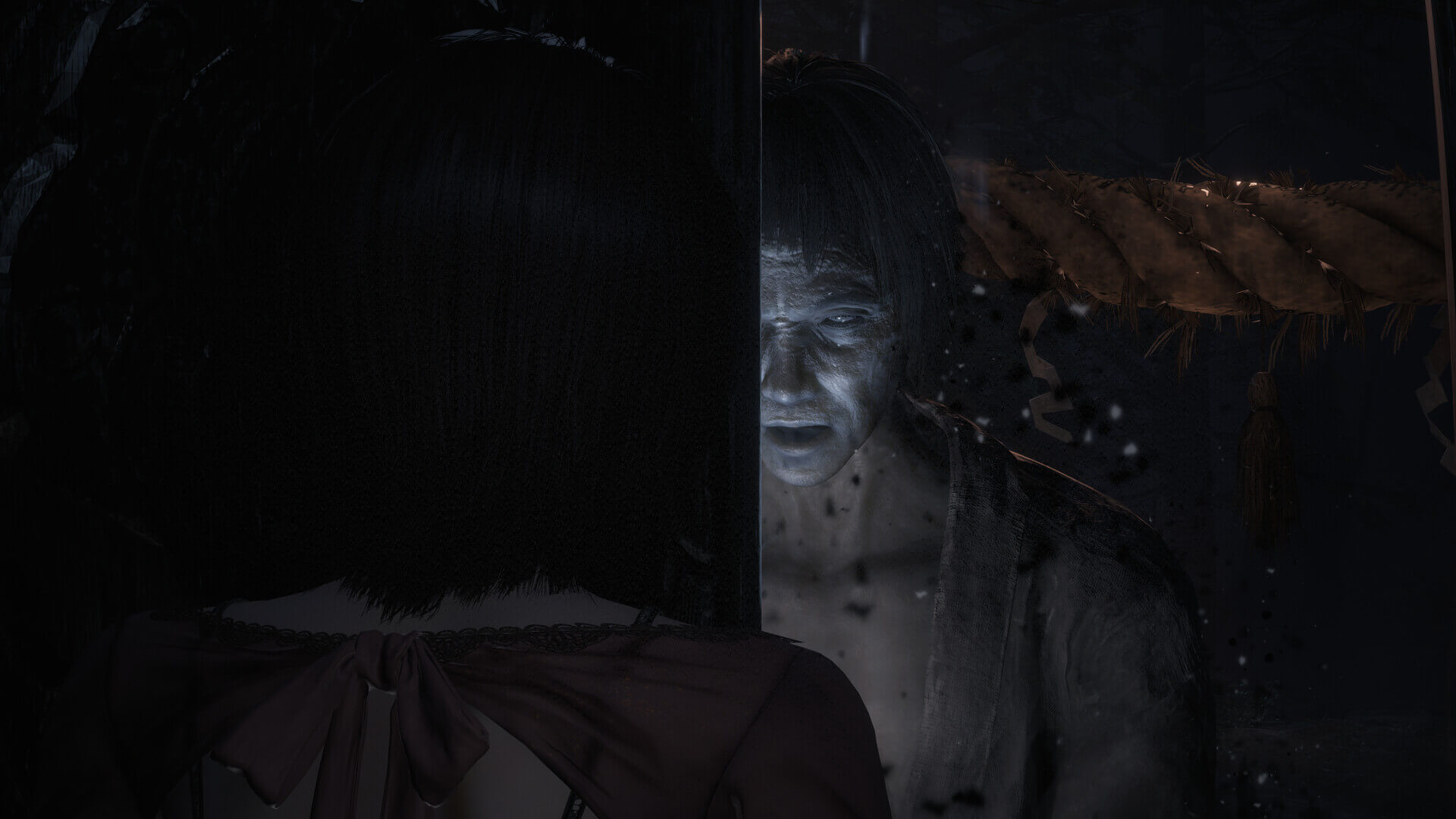
And then there’s the atmosphere. This is where the game really shines. The horror isn’t just about what you see. It’s about how the game makes you feel while you’re moving through these spaces. The village is oppressive in a way that’s hard to describe. Narrow hallways, dim lighting, distant sounds that don’t quite make sense. It constantly feels like something is just out of sight.
Sound design does a lot of heavy lifting. Footsteps echo in empty rooms. Doors creak open slowly. Sometimes you’ll hear something that makes you stop moving entirely, unsure if it’s just ambient noise or something more. That uncertainty is where the game is at its best. It builds dread without needing to constantly throw enemies at you.
When encounters do happen, they’re built around the Camera Obscura. You raise the camera, frame the spirit, and wait for the right moment to take the shot. Timing matters. The “Fatal Frame” mechanic rewards you for capturing an enemy at the exact moment they attack, dealing massive damage. It’s risky, but incredibly satisfying when you pull it off.
There’s a layer of strategy in how you approach each fight. Different lenses and upgrades change how the camera behaves. Some increase zoom, others slow enemies, and some have special effects that can turn the tide of a difficult encounter. Choosing the right setup for each situation adds depth without overcomplicating things.
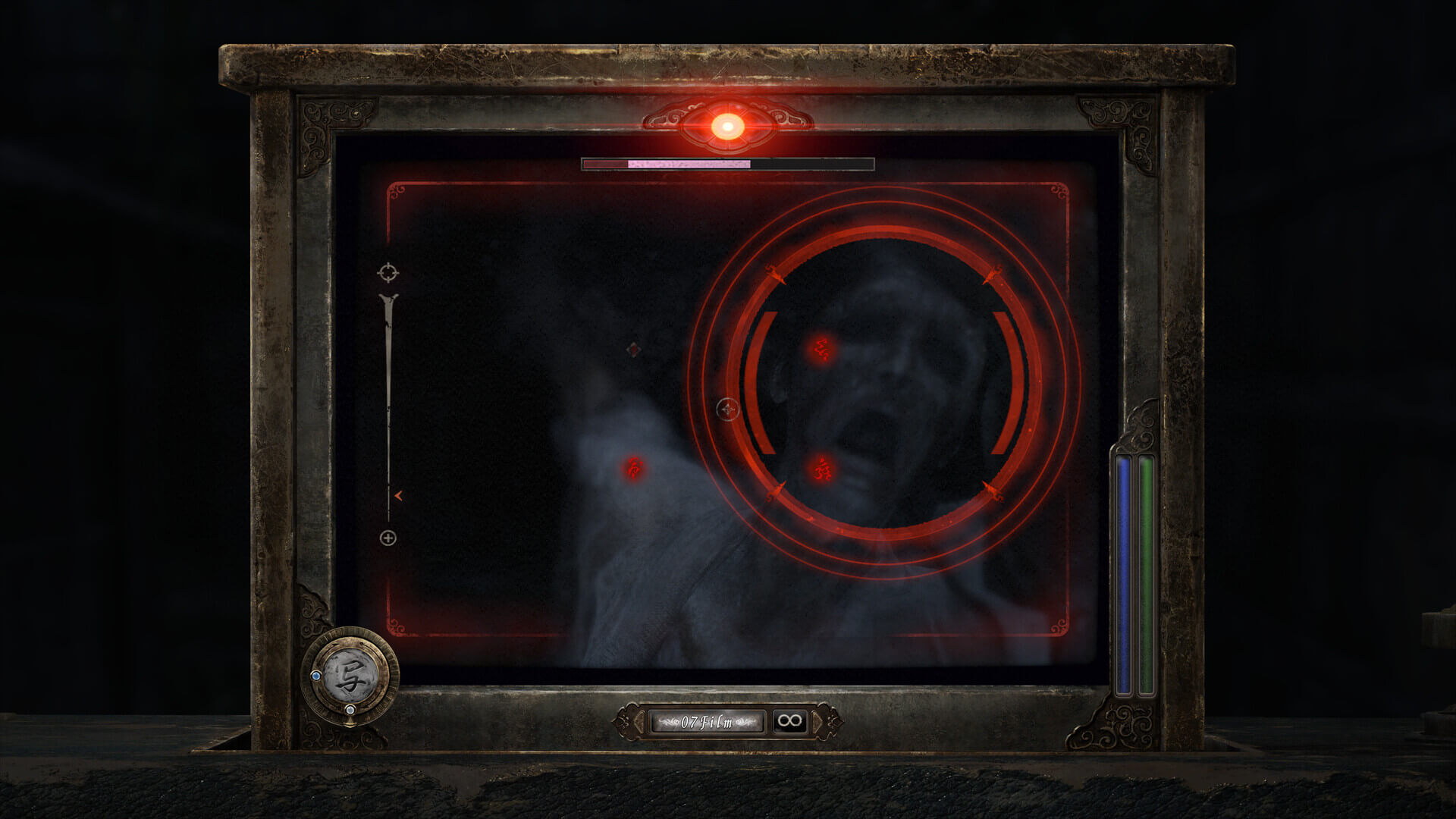
Skill beads further expand your options. They act as enhancements you can equip to modify your abilities. Some boost your defensive capabilities, while others improve your survival potential. It’s not an overly complex system, but it gives you just enough control to tailor your approach.
That said, not every part of the gameplay lands perfectly. Some fights drag on longer than they should. You’ll occasionally find yourself stuck in an encounter that feels like it’s eating through your resources without offering anything new. Instead of building tension, it can tip into frustration. The pacing suffers in those moments, especially when you’re low on film and just want to move forward.
The game also leans a bit too heavily on jump scares at times. There are moments where something pops out purely to startle you, and while it works in the moment, it feels at odds with the stronger, more atmospheric horror the game excels at. I would’ve preferred fewer cheap scares and more of the slow, creeping dread that defines its best sections.
On a technical level, the remake is a mixed bag. Visually, it’s clearly an upgrade. Lighting and particle effects add a lot to the mood, and the environments look far more detailed than the original. But it doesn’t quite reach the level of modern horror games. Some character models still look dated, and parts of the UI feel like they’ve been carried over with minimal changes.
Performance is another issue. The game targets 30 frames per second, which already feels limiting, but there are noticeable drops in certain areas. When the frame rate dips, it becomes more obvious because of that lower baseline. It doesn’t completely ruin the experience, but it’s hard not to notice, especially during more intense moments.
When you compare it to newer titles like Resident Evil Requiem or Silent Hill f, the gap is clear. But at the same time, that comparison highlights something exciting. If this is what a remake can do, imagine what a brand new Fatal Frame could look like with a modern engine and design philosophy from the ground up.
Final Thoughts
Despite its flaws, I do keep thinking about the experience after I put the controller down. There’s something about Crimson Butterfly that sticks with you. Maybe it’s the setting, perhaps it’s the story, or maybe it’s just how vulnerable the gameplay makes you feel. Whatever it is, it works.
In the end, this remake feels like both a tribute and a question. It honors what made the original special, while quietly asking if there’s still room for this kind of horror today. For me, the answer is yes. Absolutely yes. I just hope Koei Tecmo sees it the same way and takes the next step.
A PS5 review code was provided by the publisher for the purpose of this review.
If you want to see more content like this and never miss one of our frequent gaming and anime giveaways come and Follow Ani-Game on Twitter.
8
- + A modern and solid remake
- + The camera Obscura combat is tense and interesting
- + Atmospheric horror that is unsettling in a good way
- + Slow burn story with plenty of lore to discover.
- - Does have some noticeable performance dips
- - Has encounters that just drag on too long