There’s something a little unusual about revisiting a game that never really left. Tales of Berseria Remastered arrives as part of the Tales Anniversary Remastered Project, bringing a relatively recent entry in the series back into the spotlight with a fresh upgrade for modern hardware. It’s not the kind of remaster that feels long overdue, but for me, it landed at exactly the right time. Berseria was one of the few Tales games I had skipped when it first released on PS4, so this felt like the perfect opportunity to finally see what I’d missed.
At the same time, I can’t help but wonder if this project might have been better spent revisiting some of the older, harder to access titles in the series. Berseria already held up pretty well, even before this upgrade. But for someone like me who missed it the first time around, this version makes it incredibly easy to jump in, and that accessibility does count for a lot. Especially for those looking to play on the Switch.
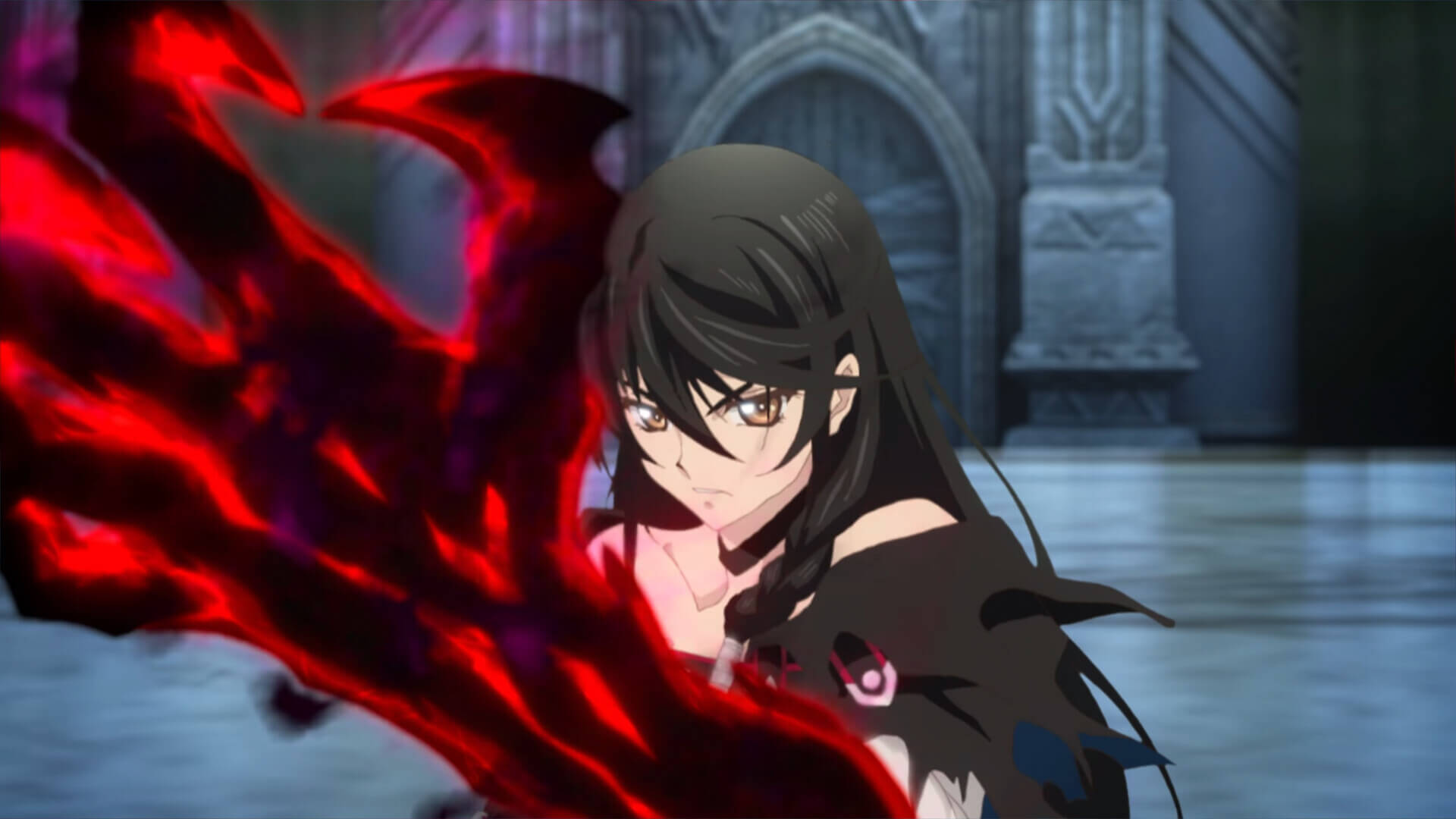
The game drops you into the setting of Midgand, a dark, fantasy setting shaped by a mysterious force known as malevolence, which turns people into monstrous beings called Daemons. It’s a world that feels a bit more grounded and sombre compared to other Tales entries, and that tone carries through the entire experience.
You play as Velvet Crowe, and her story is anything but lighthearted. The game opens with a traumatic event that completely upends her life, setting her on a path driven by revenge. From there, the story expands into something much bigger, but it never loses sight of Velvet’s personal motivations. She’s not your typical heroic protagonist, and that’s part of what makes the narrative so compelling.
As the journey unfolds, you gather a party of equally interesting characters, each with their own reasons for being there. There’s a strong sense that everyone is carrying their own baggage, and that shared tension creates some really engaging dynamics. The group doesn’t always agree, and that friction makes their relationships feel more real.
I ended up really enjoying the story more than I expected. It’s well paced for the most part, and it takes risks with its tone that help it stand out. Compared to other games in the series, this one leans much darker, both thematically and emotionally. It’s not afraid to sit in those heavier moments, but it also knows when to pull back and give you a breather.
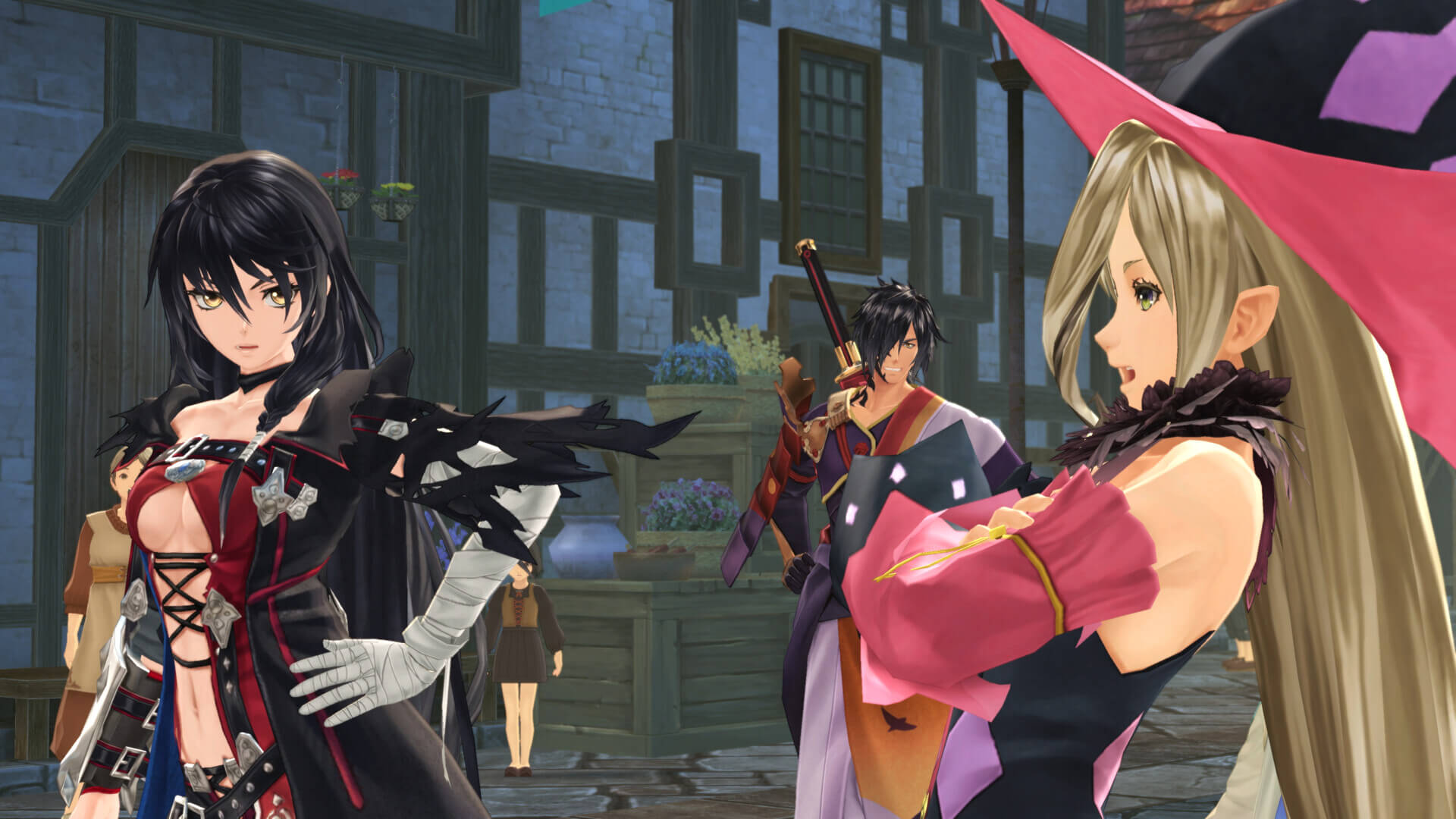
A big part of that comes from the cast itself. The characters are easily one of the strongest aspects of the game. Their designs are memorable, but more importantly, they’re backed up by solid writing. The interactions between them feel natural, and over time, you really get a sense of how their relationships evolve.
One of my favorite features is the Skit system, which longtime fans will recognise. These optional conversations pop up throughout the game and give the party a chance to talk about everything from current events to completely random topics. In a story that can get pretty heavy, these moments add a welcome bit of humor and warmth. They do a lot to flesh out the characters beyond the main plot.
From a gameplay perspective, the remaster introduces a handful of quality of life improvements that make a noticeable difference. It includes all of the original DLC, so you get access to a range of cosmetic costumes right from the start. There’s now an option to disable random encounters, which is great if you just want to explore or push through the story at your own pace. The addition of autosave and a retry option after losing a battle also helps smooth out some of the rough edges.
The mini-map has been improved as well, making objectives clearer and easier to track. But the most obvious upgrade is the visual one. The game now runs at 4K resolution and 60 frames per second on PS5, and that higher clarity really helps everything pop. Character models in particular benefit from the upgrade, looking sharper than before.
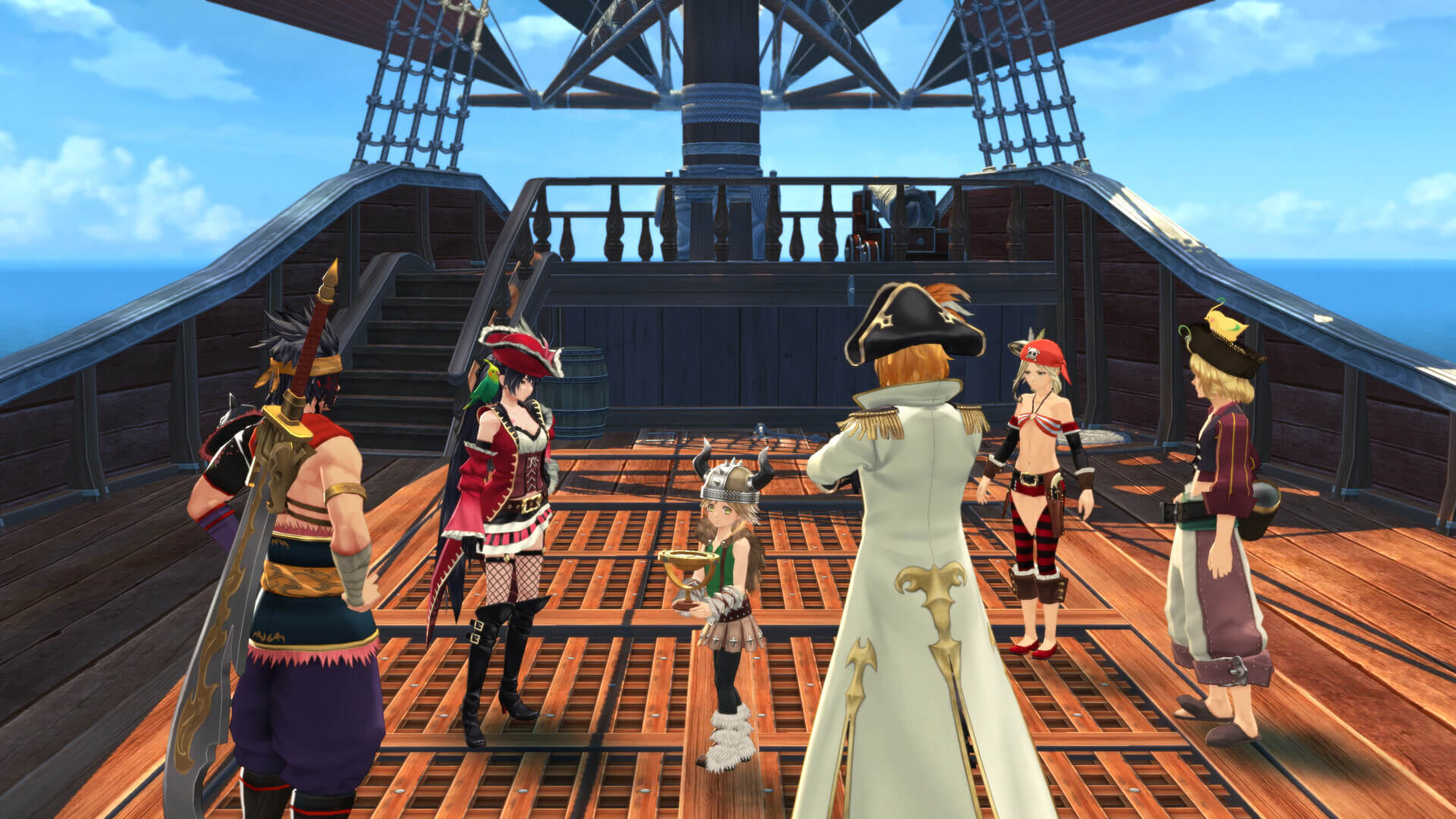
Another feature I appreciated is the Grade Shop, which is available from the very start. Traditionally, this kind of system is reserved for New Game Plus, but here you can use it right away to tweak the experience. You can boost experience gains, increase critical hit rates, or adjust other gameplay modifiers to suit your playstyle. It’s a nice way to tailor the pacing without having to wait until a second playthrough.
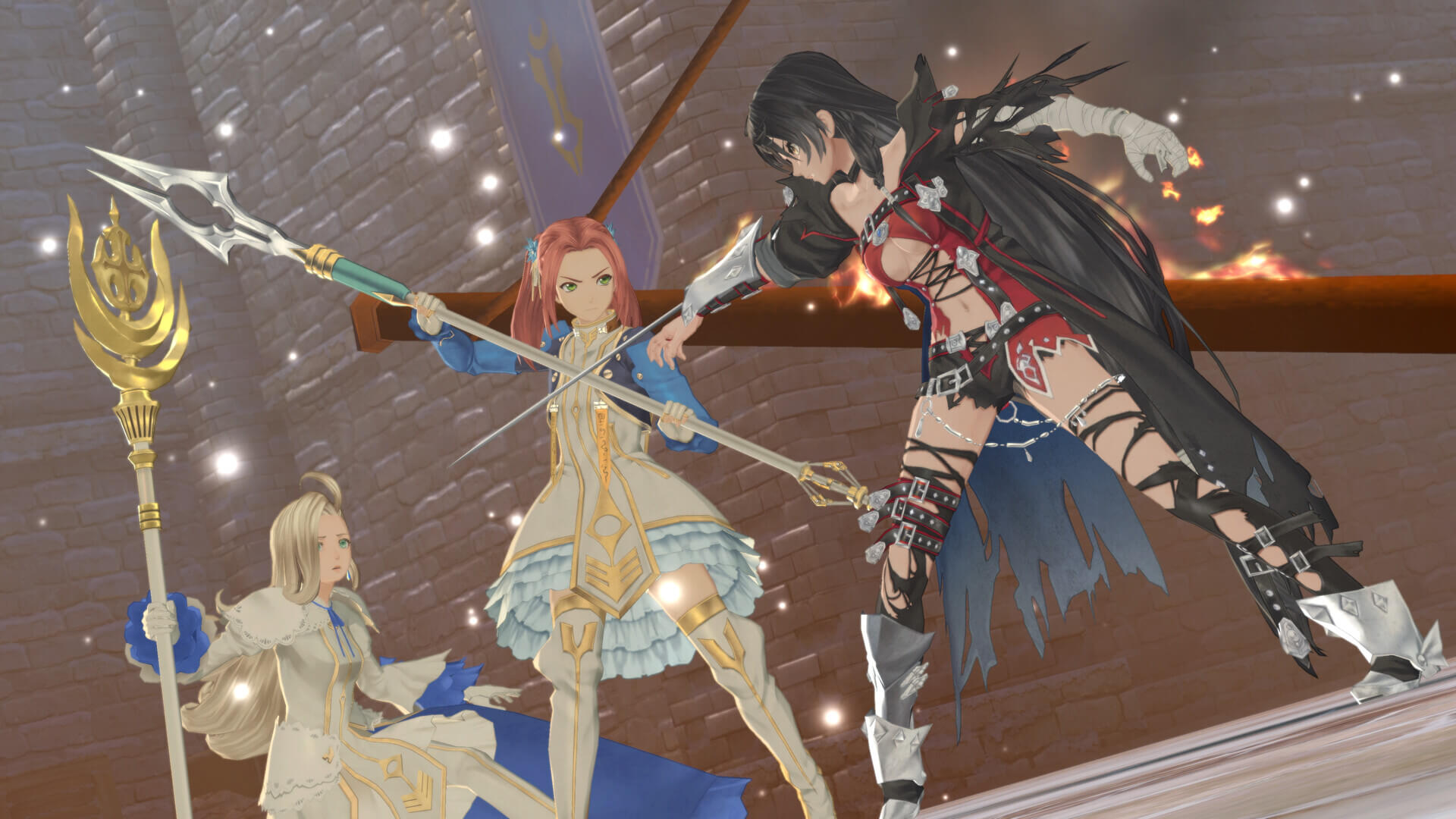
Combat is where things get a bit more complex. Like other Tales games, battles take place in real-time, but Berseria’s system leans heavily into combo-based mechanics. Instead of sticking to a fixed set of moves, you can map different artes to your buttons and chain them together in various ways. It gives you a lot of flexibility, but it also means there’s a learning curve.
Each encounter becomes a bit of a balancing act. You’re managing your resources, watching enemy weaknesses, and trying to maintain your combo without leaving yourself open. It can feel overwhelming at first, especially with all the systems layered on top of each other, but once it clicks, it’s really satisfying. There’s a depth here that rewards experimentation and practice.
Character progression ties into this as well. As you move through the game, you unlock new abilities, equipment, and customisation options that expand your toolkit. It’s not just about getting stronger, it’s about refining how you approach combat. Different setups can lead to very different playstyles, which keeps things from getting stale, and provides the opportunity to experiment with completely different styles in future playthroughs.
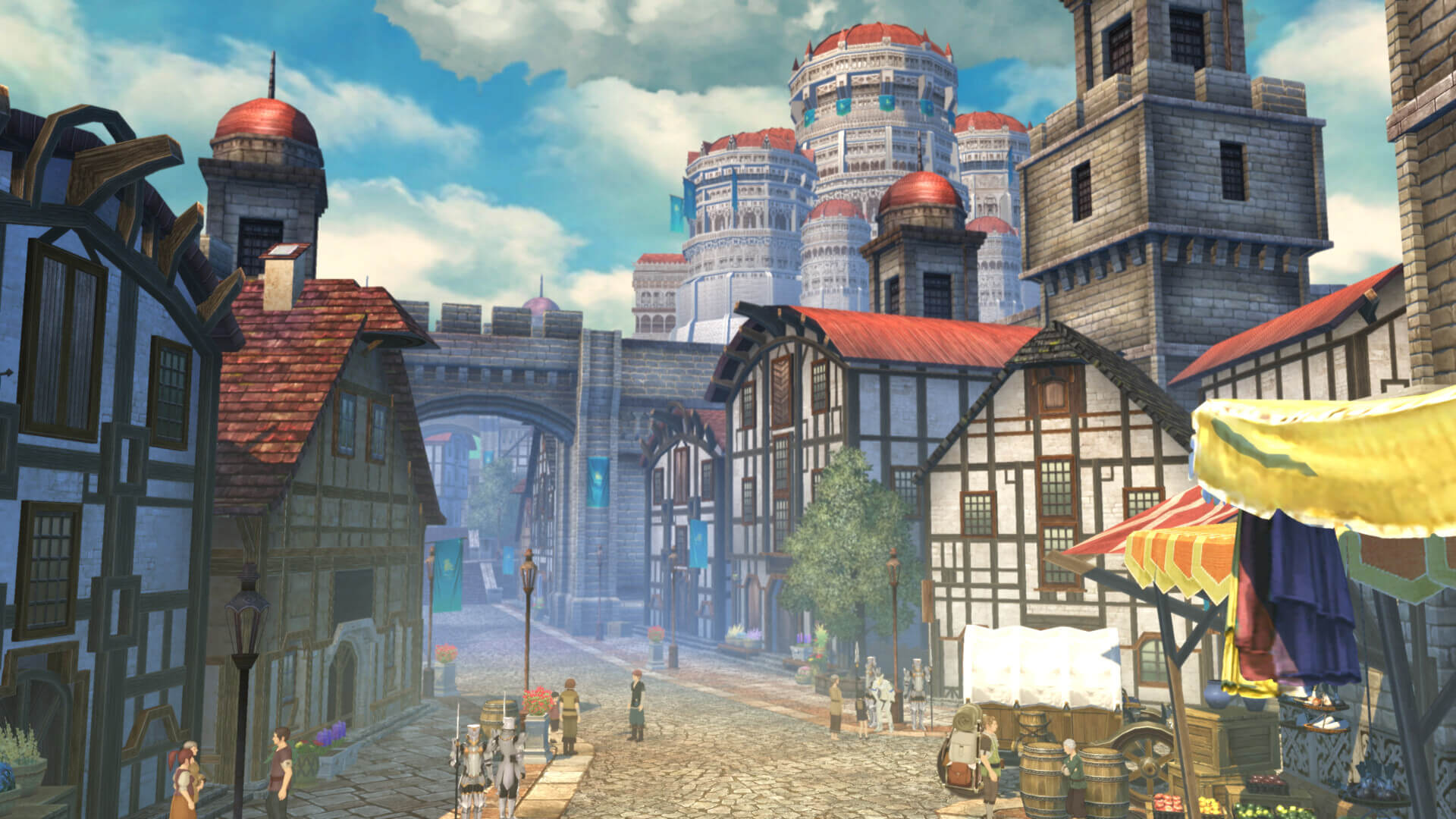
Visually, the game has aged well. Not super surprising, given the game isn’t too old. The anime-style presentation still looks great, and the cutscenes in particular hold up nicely. There’s a consistency to the art direction that helps mask some of the technical limitations. Even so, this is where some of the remaster’s shortcomings start to show.
While character models look sharp, some environmental textures haven’t received the same level of attention. You’ll occasionally notice flat or low-resolution surfaces that stand out more than they probably should, especially at 4K. There’s also some noticeable pop-in with objects appearing as you move through areas. It’s not game breaking, but it does remind you that this is still fundamentally an older game at its core.
Level design is another area that feels a bit dated. The pacing of the story is generally strong, but it’s sometimes interrupted by repetitive dungeon layouts and backtracking. You’ll revisit areas more than once, and while that was more common in older JRPGs, it can feel a bit tedious here.
On the audio side, though, the game absolutely delivers. The soundtrack quickly became one of my favorites in the series. It does a great job of reinforcing the tone of each moment, whether it’s a quiet character scene or a high stakes battle. The main theme, performed by FLOW, is a standout. I’ve been a fan of their work for a while, and hearing them here just adds another layer to the experience.
Final Thoughts
Looking back on it, Tales of Berseria Remastered feels like a game that didn’t necessarily need a remaster, but still benefits from one. It’s aged well, and the improvements here make it more accessible and enjoyable, especially for newcomers like me.
It’s not perfect. Some of the older design choices and technical limitations are still present, and I do think the effort could have gone further in certain areas. But at its core, this is still a strong JRPG with a memorable story, a fantastic cast, and a deep combat system. I’m glad I finally played it. And if you’ve been on the fence, this version is probably the best way to experience it.
A review code was provided by the publisher for the purpose of this review.
If you want to see more content like this and never miss one of our frequent gaming and anime giveaways come and Follow Ani-Game on Twitter.
8.5
- + A great story with a solid cast of characters
- + Includes useful quality of life changes
- + Amazing soundtrack
- + A mostly really well paced adventure
- - Does still have some noticeably dated low-res assets
- - The backtracking and repetitive dungeons aren’t that fun