When most people think of the long-running Monster Hunter franchise, they picture intense action battles against towering beasts and the thrill of crafting powerful gear from the spoils of the hunt. But the spin-off series, Monster Hunter Stories, has always taken a very different approach. Rather than portraying monsters purely as prey, the Stories games explore a world where humans form bonds with creatures known as Monsties, raising and fighting alongside them in turn-based battles.
Late last year, I finally decided to dive into the series properly, playing through both Monster Hunter Stories and Monster Hunter Stories 2: Wings of Ruin in preparation for the next entry. I enjoyed both games quite a lot, the first for its charming simplicity and the second for expanding the scope of the formula, but neither quite reached the heights I felt the concept was capable of. Now that I’ve rolled credits on Monster Hunter Stories 3: Twisted Reflection on PlayStation 5, I can confidently say the series has taken that next big leap. With its larger scale, noticeably darker tone, and impressive visual upgrades, this third entry has easily become my favourite in the series.
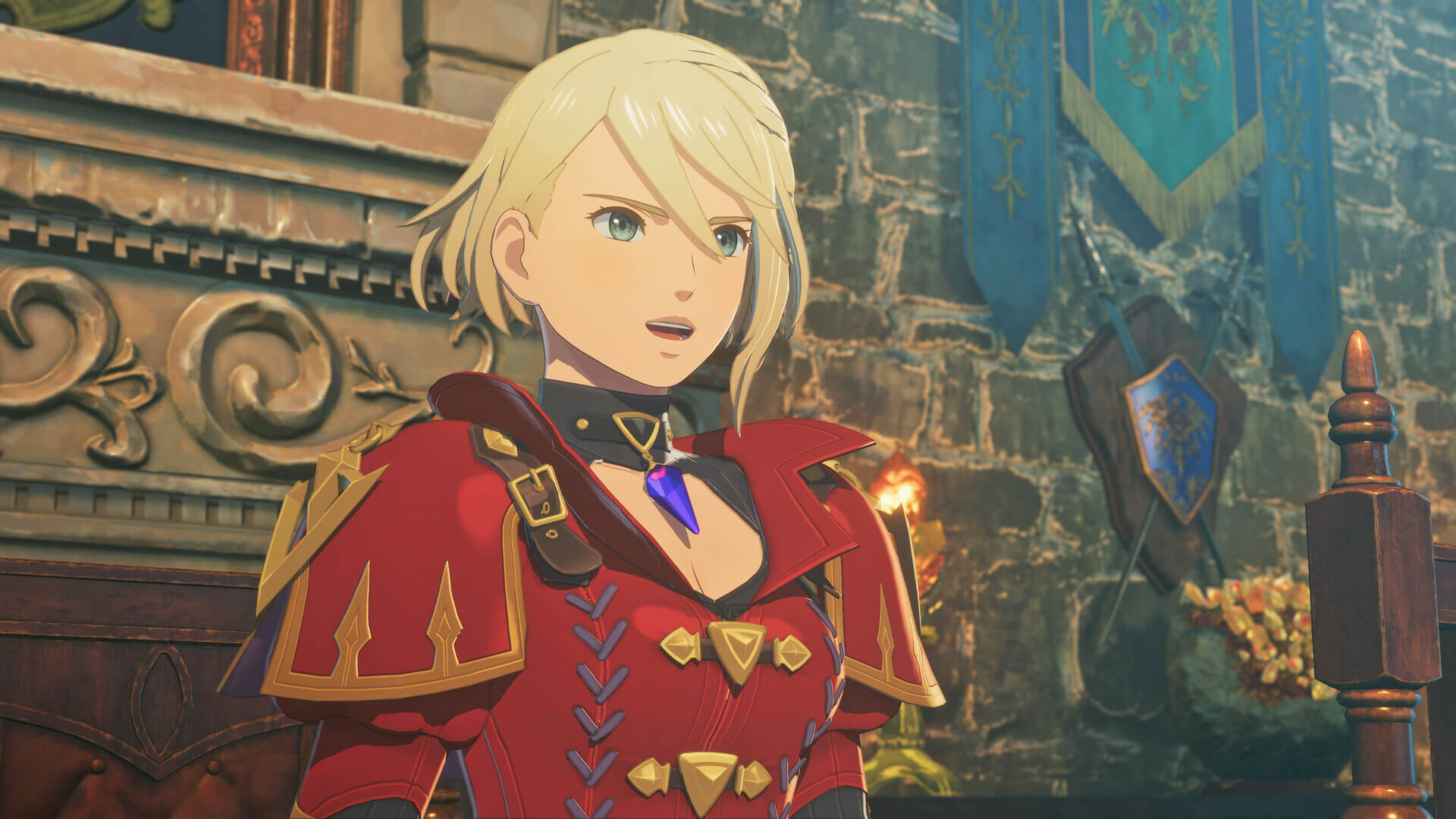
One of the first things that struck me about Twisted Reflection is how quickly it sets the stage. Rather than slowly building toward the central premise, the game opens with a striking flashback sequence that establishes the bond between your custom-created protagonist and their Rathalos companion. This time around you play as the prince (or princess) of the kingdom of Azuria, a nation whose political stability hangs by a thread.
In that opening sequence, we witness how your character comes to bond with a Rathalos that is part of a rare twin pair. The moment is brief but meaningful, establishing both the importance of the creature and the emotional connection between Rider and Monstie. After that, the story leaps forward several years to the present day, where tensions between neighbouring nations are rising and the fragile balance between humans and monsters is beginning to fracture.
From there, the narrative escalates quickly into something far more serious than what the series has attempted before. Previous Stories titles certainly had stakes, but Twisted Reflection leans heavily into themes of war, political power struggles, and the consequences of manipulating nature. Alliances shift constantly, characters hide secrets, and the kingdom you’re sworn to protect is rarely as stable as it appears on the surface.
What really impressed me was the level of intrigue woven into the story. There were multiple moments where I thought I had the narrative figured out, where a certain character seemed destined to fall into a familiar archetype, only for the game to completely flip those expectations on their head. Some of the twists genuinely caught me off guard.
Because of that, I’d honestly recommend going into the story as blind as possible. The narrative is easily the biggest strength of the game, and discovering its turns organically is part of the experience. Thankfully, newcomers don’t need to worry about playing catchup either. While Twisted Reflection references the events of the earlier games occasionally, it’s set far enough in the future that it functions perfectly well as a standalone adventure.
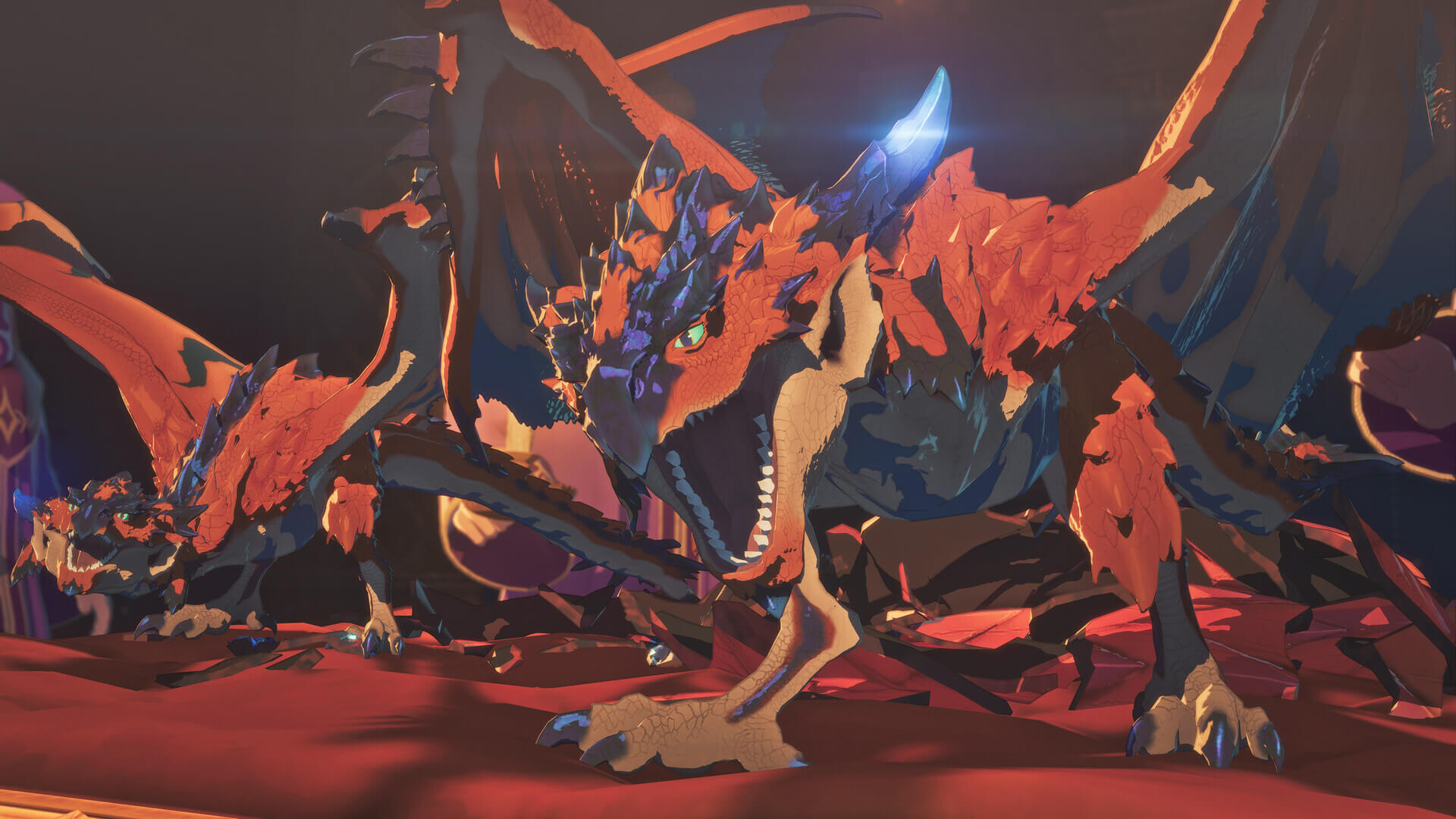
Another area where Twisted Reflection takes a massive step forward is in its visual presentation. It’s easy to forget that the original Stories began life on the Nintendo 3DS, and even the second game still carried traces of that handheld DNA. Here, though, the leap in graphical fidelity is immediately noticeable.
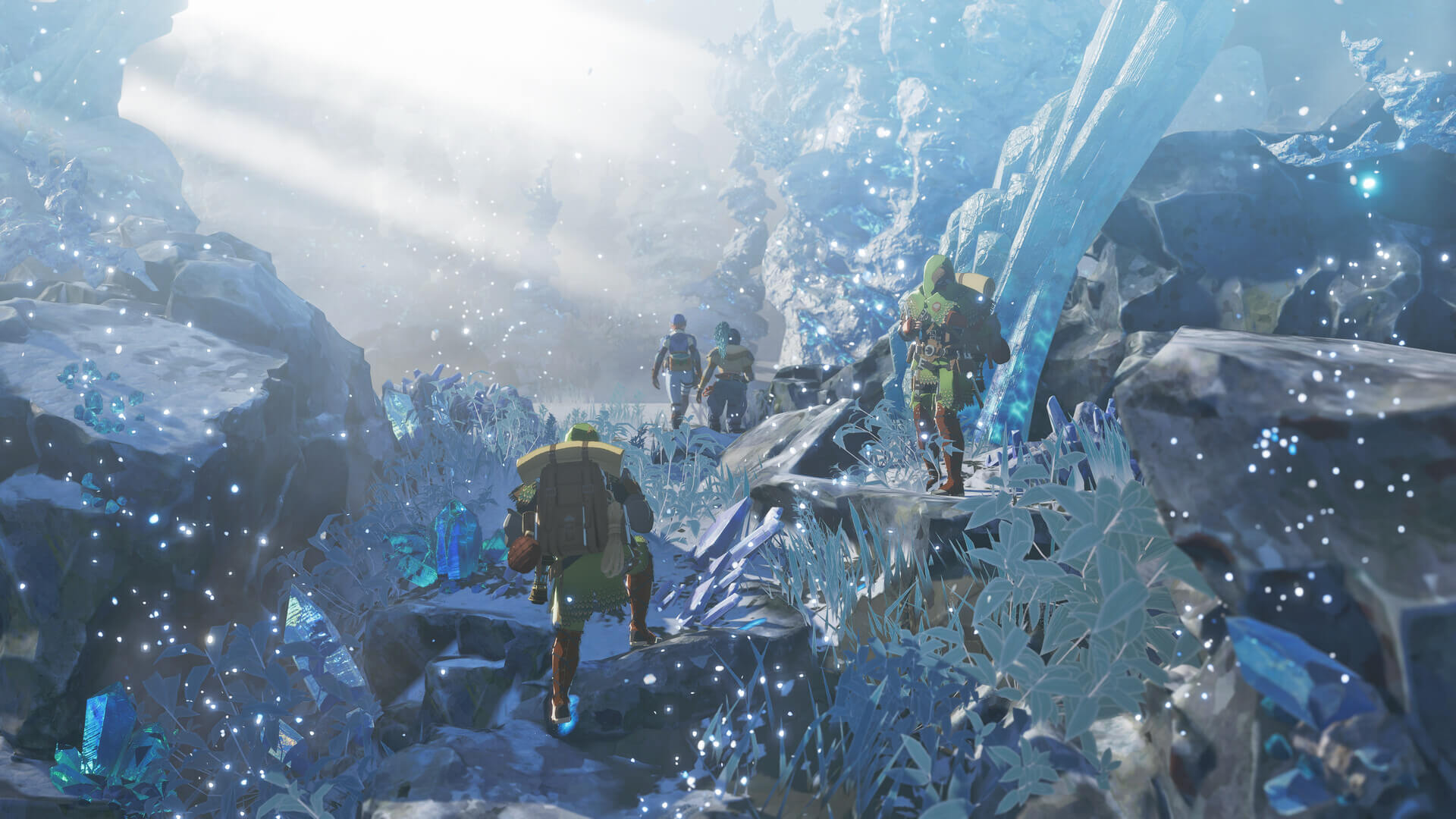
Character models are far more detailed, environments are packed with life, and lighting effects bring the world to life in ways the series hasn’t achieved before. Dust swirls across desert plains, glowing spores drift through dense forests, and the particle effects during combat make each clash feel dynamic and energetic.
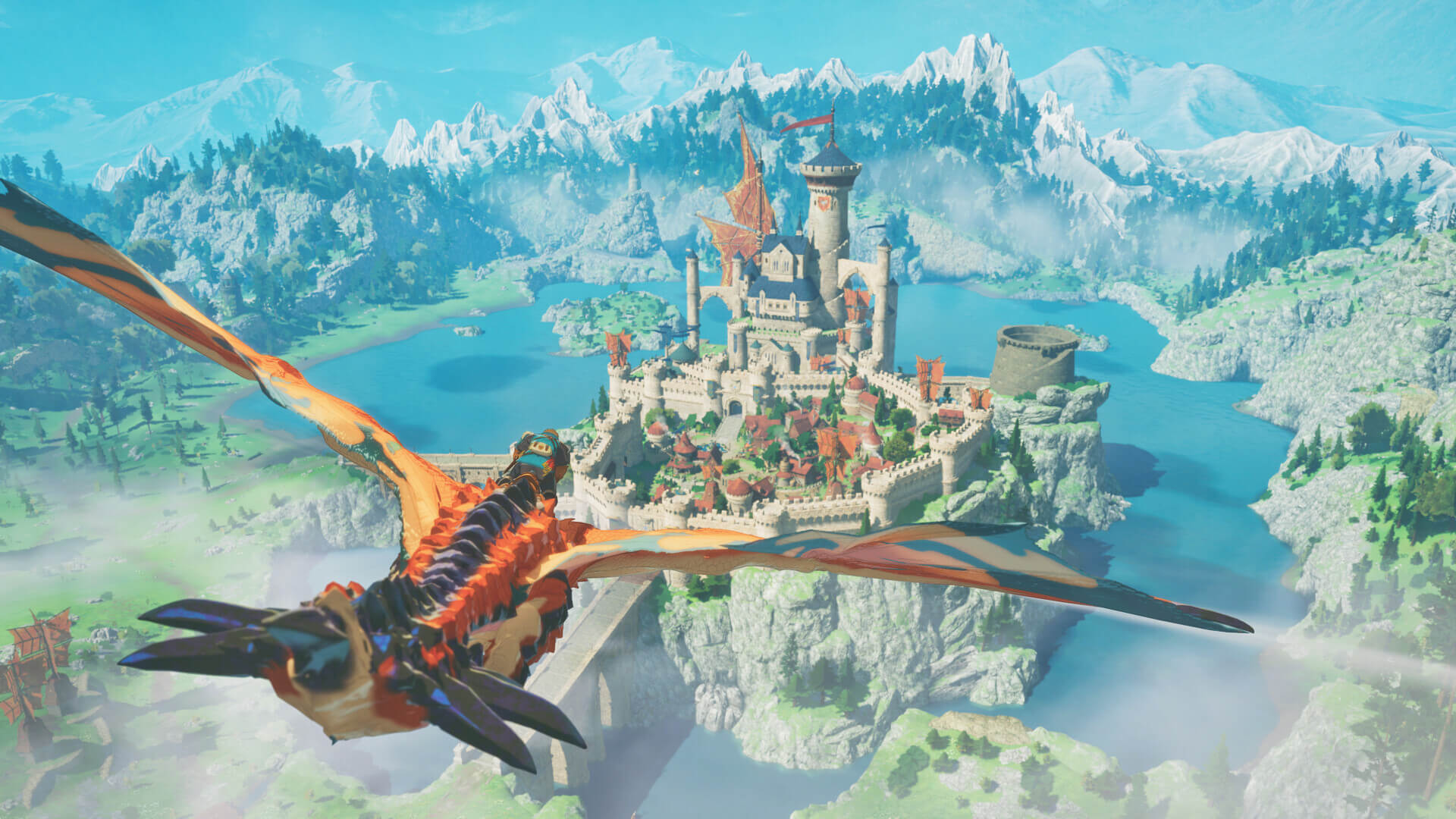
More importantly, the world itself feels vibrant and lived in. Cities bustle with activity, wildlife moves naturally through ecosystems, and distant landscapes stretch far beyond the horizon. Playing on PS5, I found myself multiple times stopping just to take in the scenery, something I rarely did in the earlier games.
Twisted Reflection also expands the scope of exploration significantly. The kingdom of Azuria itself serves as the central hub for the adventure, but the surrounding regions quickly open up into vast landscapes filled with secrets to uncover.
Your Monsties play a crucial role in traversal this time around. At almost any moment you can jump onto the back of one of your companions to move across the environment at speed. Some Monsties allow you to fly across large areas, while others grant unique abilities such as climbing vertical cliffs or swimming through deep waters. This design encourages experimentation with your party composition even outside of battle. If you encounter an area you can’t access yet, chances are you’ll need to swap to a different Monstie with the appropriate traversal ability.
It’s a clever system that keeps exploration engaging while also reinforcing the bond between Rider and monster.
Even though the main storyline is quite lengthy on its own, the world of Twisted Reflection is packed with optional content. There are partner missions tied to your fellow Rangers that delve deeper into their personal stories and motivations. These are some of the best side quests in the game, as they flesh out the supporting cast and often reveal surprising character development.
Beyond that, there’s a constant stream of smaller objective based missions offered by NPCs scattered throughout cities and wilderness camps. Some involve tracking down specific monsters, while others ask you to gather rare materials or investigate unusual phenomena in the wild. Taken together, these side activities add an enormous amount of content to the experience, arguably as much as the main story itself.
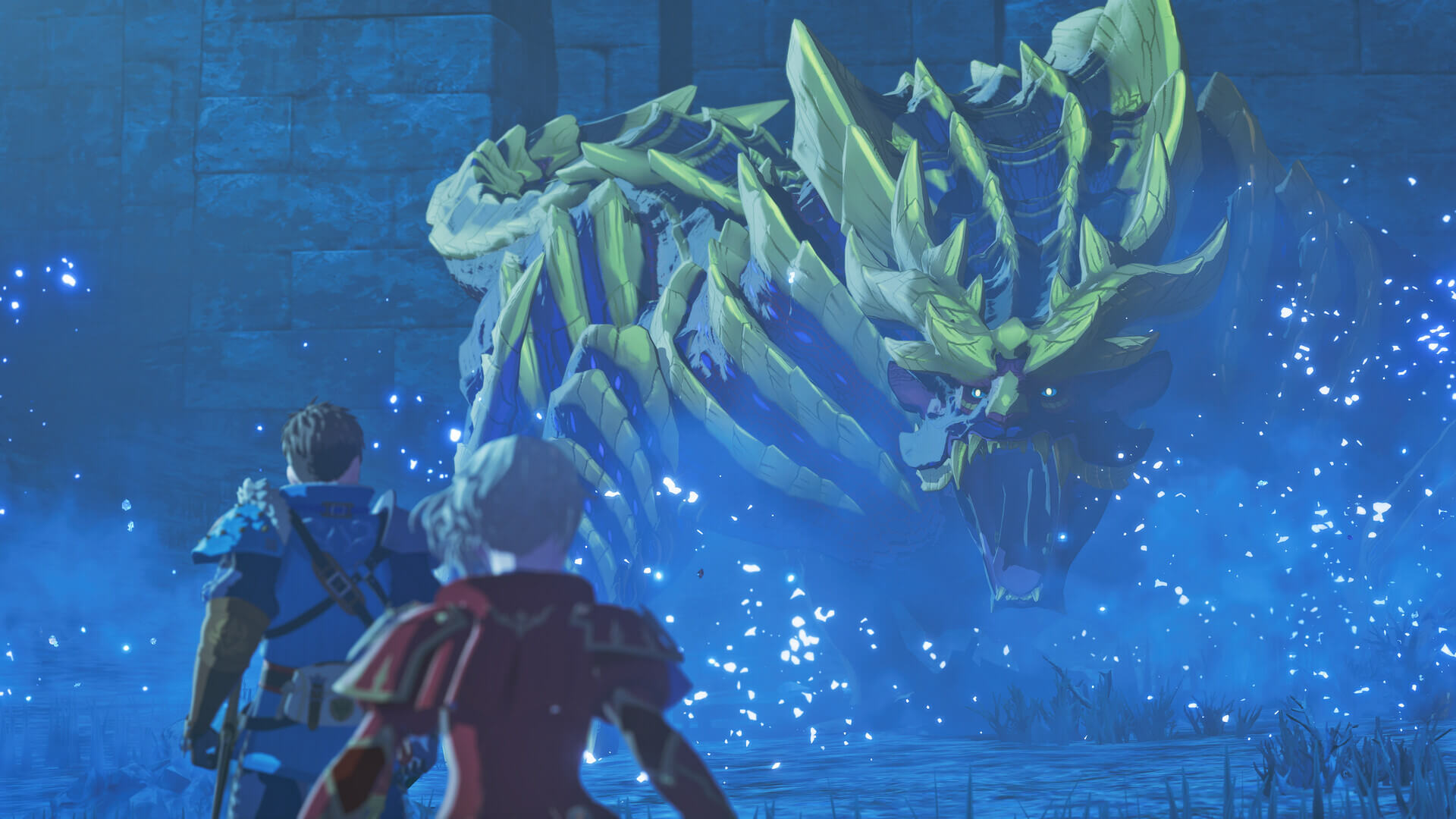
Twisted Reflection also introduces several systems that significantly extend the gameplay loop. One of the most exciting additions is the presence of feral monsters, extremely aggressive creatures that roam certain regions and act as mini-boss encounters. These battles are often much tougher than standard fights and require more careful planning to overcome.
Alongside them are invasive species that disrupt local ecosystems, forcing you to intervene before they cause widespread damage. The habitat restoration system ties directly into this concept. By clearing out dangerous monsters and restoring balance to certain areas, you can unlock new rewards, resources, new monsters in the area and opportunities for exploration. All of these mechanics encourage players to engage with the world in ways that go beyond simply progressing through the story.
Of course, the heart of the Stories experience still revolves around collecting and raising Monsties. Monster dens are scattered throughout the world, each containing eggs that can be brought back to hatch. Some dens are fairly common, but occasionally you’ll stumble across rare dens that hold particularly powerful creatures. Hatching eggs expands your roster, allowing you to build a diverse team with different abilities and combat strengths.
Not long into the adventure, the game also introduces the returning Rite of Channeling system. This mechanic allows you to transfer genes between Monsties, effectively fusing traits together to create powerful combinations.
It’s an incredibly deep system that rewards experimentation. With enough effort, you can craft specialised builds that emphasise certain elemental strengths or combat strategies. For players who enjoy min-maxing and optimisation, it becomes a game within the game.
Combat remains turn-based, but Twisted Reflection builds upon the core systems introduced in previous entries.
The familiar rock-paper-scissors mechanic still forms the backbone of battles, with Power, Speed, and Technical attacks countering one another. Learning which attack style an enemy prefers and responding with the correct counter remains a core part of the experience.
However, the game adds additional layers of strategy through more complex enemy behaviours. Bosses and feral monsters often have multiple phases, evolving attack patterns, and unique weaknesses that you must discover through observation and experimentation.
Weapon variety adds yet another dimension. Switching between weapon types allows you to adapt to specific enemy parts or vulnerabilities, creating a constant push and pull between offence and defence.
Despite all these systems, the game does a surprisingly good job of easing players into the complexity. Early encounters particularly the first feral monster battles act as guided tutorials that gradually introduce each new mechanic keeping things from getting too overwhelming.
Interestingly, the game even weaves its tutorials directly into the story. Your protagonist is already an experienced Ranger when the game begins. Instead of learning alongside the player, they often act as the one explaining systems and techniques to a newcomer named Thea, who has just joined the Ranger ranks. Through these conversations, the game naturally delivers its exposition, lore, and gameplay explanations. It’s a clever narrative device that reinforces the competence of your character while also teaching the player everything they need to know.
Another major change is that the protagonist is now fully voiced. In earlier entries, your character remained mostly silent while other characters carried the dialogue. Here, hearing your Rider actively participate in conversations makes the entire narrative feel more immersive.
Because Twisted Reflection leans heavily into character drama and emotional storytelling, having a voiced protagonist adds significant weight to key scenes. Some of the game’s most dramatic moments simply wouldn’t land the same way without it. Fortunately, the voice acting across the board is strong, delivering performances that feel fitting for the tone of the story.
Despite how much I enjoyed Twisted Reflection, there are still a few areas where the game could improve. The biggest issue I encountered was with the clarity of certain UI elements during combat. The game includes an enemy information window that can be accessed mid-battle, but the icons and arrows representing weaknesses and resistances aren’t particularly clear or intuitive.
It’s not always clear whether those indicators refer to the enemy’s own traits or how they respond to your attacks. Similarly, the coloured targeting lines that appear between combatants aren’t well explained. Over time, you do learn what everything means through trial and error, but clearer visual communication would have made the learning curve smoother.
Another small but noticeable annoyance is the inability to pause during cutscenes. Some story sequences are quite lengthy, and once they start there’s no way to pause them, even if you jump back to the PS5 home menu, the scene will still continue to play behind the scenes. It’s a small quality of life feature I’d love to see patched in.
For anyone curious about the game, there’s actually a free demo available right now that lets players experience nearly the entire first chapter of the story. It runs roughly three to four hours long and offers a solid taste of both the narrative and gameplay systems. Progress from the demo even carries over into the full game, making it an easy recommendation for anyone on the fence.
Final Thoughts
By the time the credits rolled on Monster Hunter Stories 3: Twisted Reflection, I was genuinely surprised by just how ambitious the game turned out to be. The series has always had a strong foundation, but this entry finally realises its full potential. The darker, more mature story raises the emotional stakes, the expanded world offers endless opportunities for exploration, and the deeper combat systems provide satisfying strategic challenges throughout the adventure. While a few UI quirks and quality of life issues hold it back slightly, they’re relatively minor in the grand scheme of what is otherwise an incredibly rich RPG experience.
For longtime fans of the Stories sub-series, this is easily the best entry yet. And for newcomers curious about a different side of the Monster Hunter universe, Twisted Reflection might just be the perfect place to start.
A PS5 review code was provided by the publisher for the purpose of this review.
If you want to see more content like this and never miss one of our frequent gaming and anime giveaways come and Follow Ani-Game on Twitter.
9
- + A deeper, more mature story for the series
- + Has a deep list of systems that complement each other well resulting in a rich RPG
- + Has a great cast of characters, portrayed with solid performances
- + Plenty of content that will keep you busy finding new things for a long time
- - Some UI Elements could be more descriptive
- - Please let me pause during long cutscenes!