Over the past year and a half, Square Enix has made it abundantly clear that it’s not content to let the Dragon Quest legacy quietly age in the background. Instead, it’s been steadily bringing the series back into the spotlight. With the stunning HD-2D remakes of Dragon Quest I, Dragon Quest II, and Dragon Quest III, longtime fans have been treated to great recreations of the franchise’s earliest chapters. Now, with Dragon Quest 7 Reimagined, it feels like Square Enix is both celebrating the series’ history and carefully preparing a new generation for whatever Dragon Quest XII: The Flames of Fate ultimately becomes.
Originally released as Dragon Quest VII: Fragments of the Forgotten Past for the PlayStation in 2000, the seventh mainline entry quickly became infamous for its colossal length and pacing. It later received a full remake with Dragon Quest VII: Fragments of the Forgotten Past for Nintendo 3DS, trimming some of the excess but still retaining its identity as one of the longest RPGs in the genre. This new Reimagined version goes even further. As the name suggests, it doesn’t just remake the game it reworks it. Systems are streamlined, backtracking is reduced, and the overall experience feels curated for modern audiences. Most importantly, it no longer demands 120–150 hours to see the credits roll. For newcomers especially, that’s a blessing.
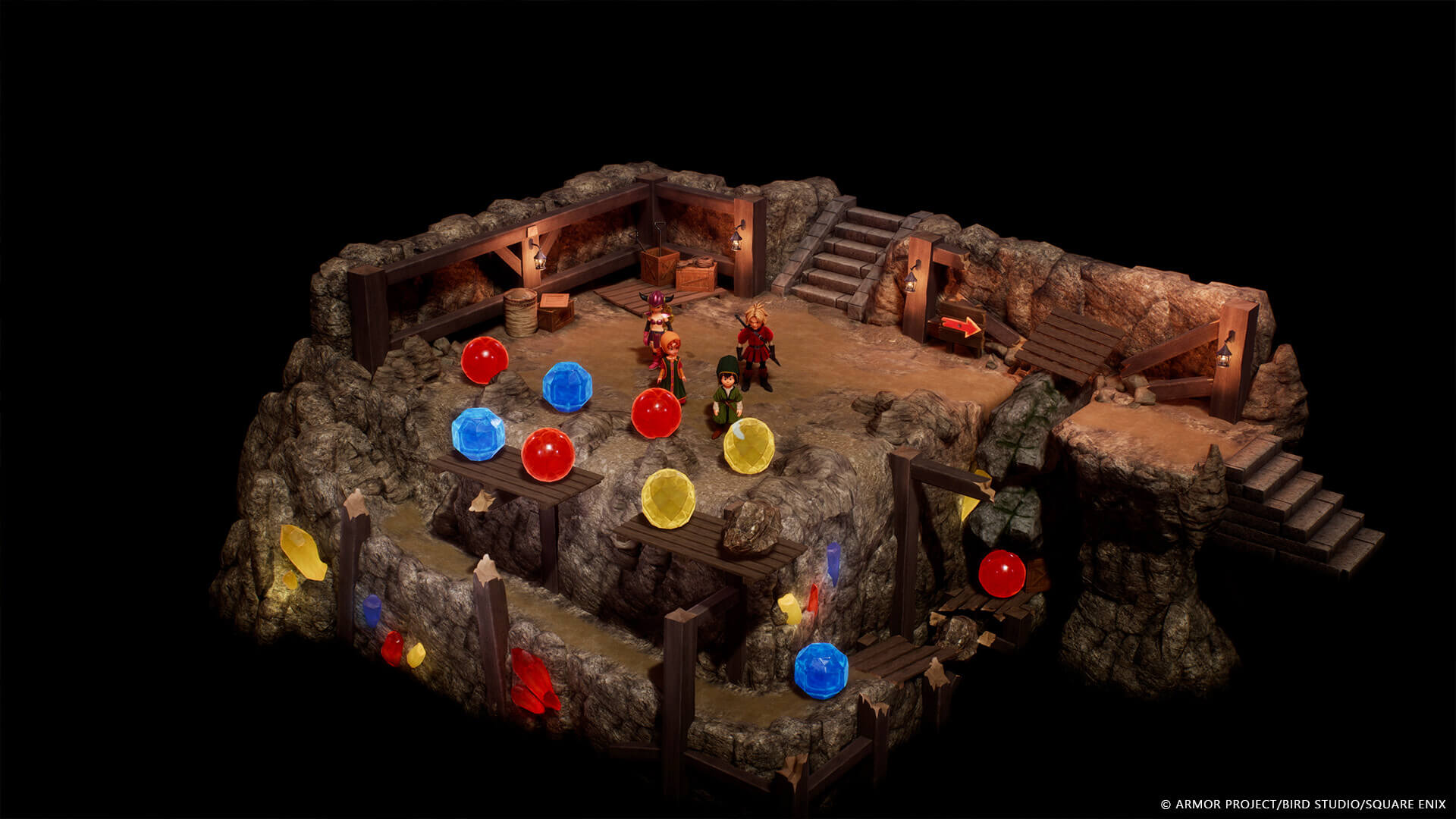
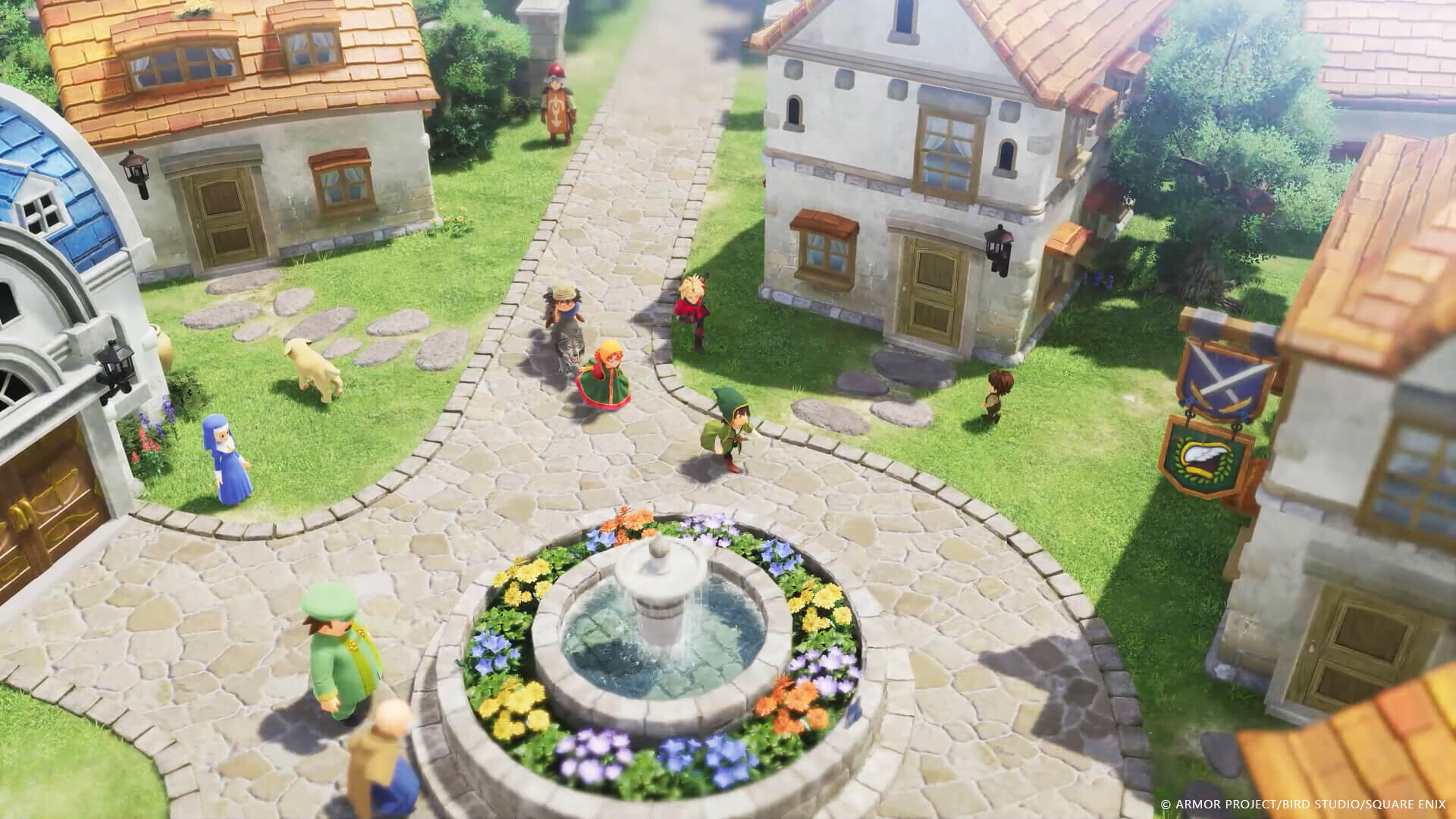
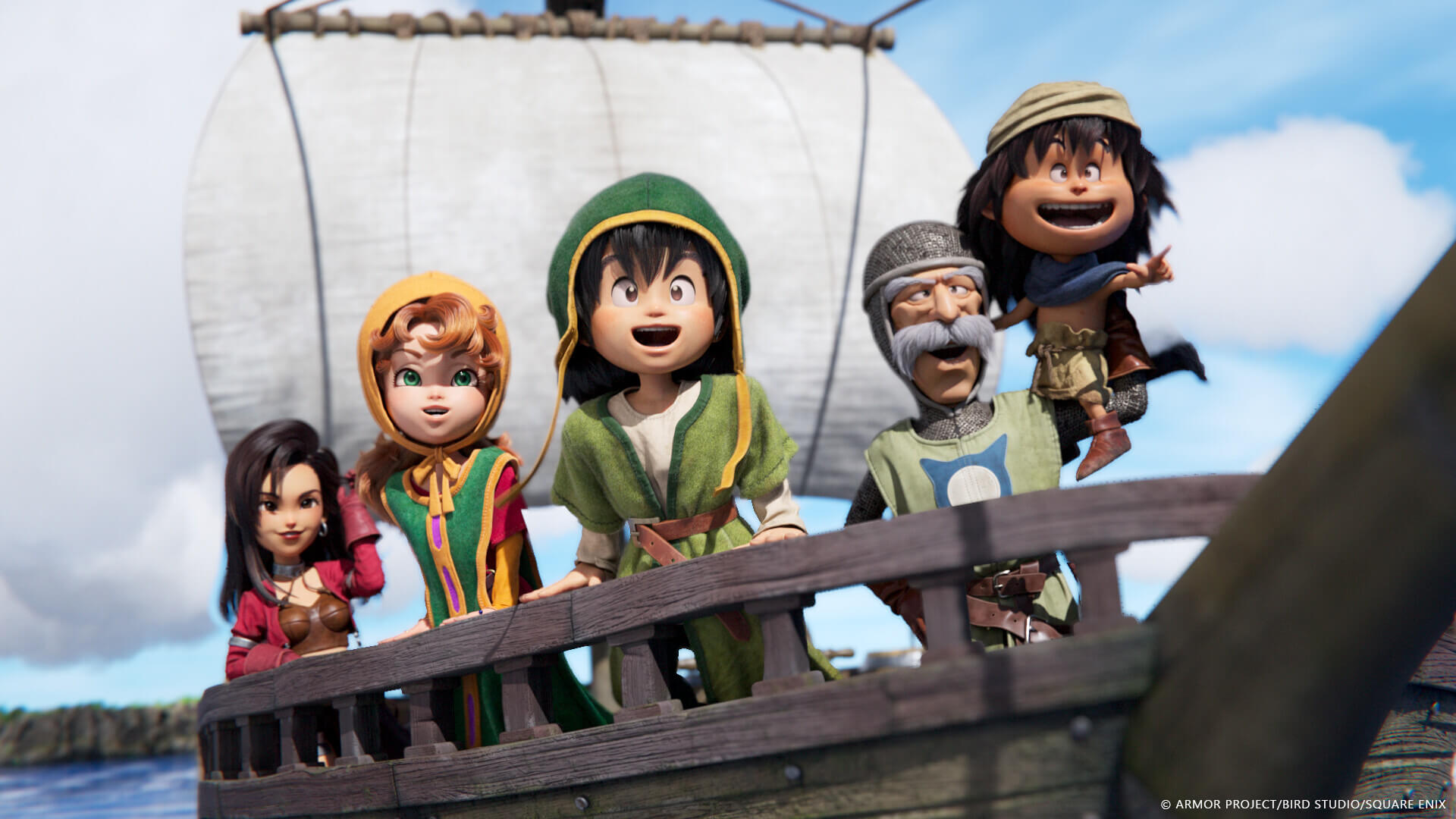
The first thing I noticed when booting it up on Switch 2 was the art direction. Instead of following the HD-2D route of the recent trilogy remakes, Dragon Quest 7 Reimagined opts for fully 3D character models and environments that genuinely pop. Square Enix reportedly based the character models on physical dolls they crafted, and it shows. There’s a tangible, toybox-like quality to the cast that makes them feel expressive and charming without losing the essence of Akira Toriyama’s iconic designs.
The environments feel like elaborate dioramas, miniature worlds brimming with detail. Towns bustle with subtle animation flourishes, forests sway with layered lighting effects, and ruins feel ancient and mysterious. The varied biomes, from coastal villages to volcanic landscapes, are beautifully realized. I appreciated that Square Enix didn’t simply default to the now-familiar HD-2D aesthetic. As much as I loved those remakes, this approach gives Dragon Quest 7 Reimagined its own identity and helps diversify the look of this wave of revivals.
At its core, Dragon Quest 7 tells a time traveling epic. You begin on a quiet island where the wider world seemingly doesn’t exist. Through the discovery of mysterious stone fragments, you unlock portals to the past, restoring forgotten lands one by one. Each fragment transports you to a different era and location, where you meet new characters, solve localised crises, and ultimately change history.
I’m a sucker for time travel stories, and this one hooked me. There’s something deeply satisfying about helping a struggling kingdom in the past, only to return to the present and witness how your actions reshaped it, sometimes subtly, sometimes dramatically. Entire towns evolve. Political landscapes shift. Characters remember, or don’t remember your deeds in ways that can be bittersweet or triumphant.
What I love most about the structure is how episodic it feels. Each time travel segment operates almost like a standalone short story. You arrive in a new land, uncover its conflict, resolve it, and move on. Individually, these arcs are compelling. Together, they build toward a larger, more ominous overarching narrative. For a game that first launched in 1999, this segmented storytelling structure still feels remarkably creative.
In this reimagined version, the pacing has been noticeably improved. The original PS1 release was notorious for its extended opening hours and frequent backtracking. Here, those rough edges have been smoothed out. Story beats arrive sooner, objectives are clearer, and unnecessary padding has been trimmed. It still feels like a substantial adventure, but it no longer feels bloated.
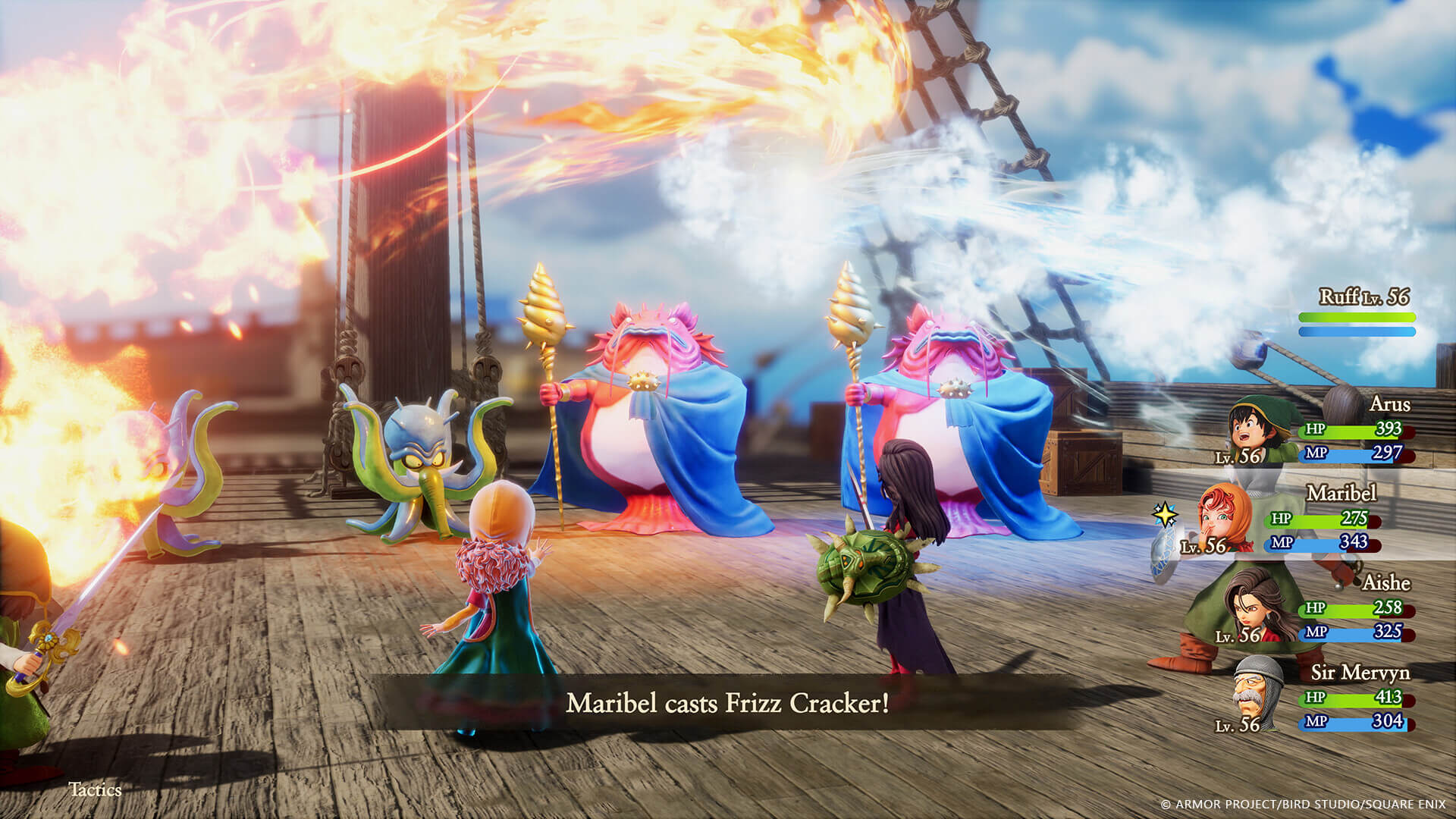
Combat remains classic turn based Dragon Quest, but with modern refinements. Battles are snappy, animations are fluid, and the UI is clean and easier to read and manage. Character progression follows traditional leveling, unlocking new spells and abilities as you grow stronger. However, the real depth lies in the vocation system.
Vocations, essentially character classes, return in full force. Once unlocked, you can assign party members to roles like Warrior, Mage, Priest, and more specialised paths. As you master vocations, you gain permanent abilities that carry over even if you switch classes. This encourages experimentation and long term planning.
New to this version are dual vocations, which allow characters to blend mastered classes into hybrid roles. This system adds flexibility and opens up really creative builds. I enjoyed tailoring my party to complement my preferred playstyle, mixing support and damage roles in interesting ways. It adds meaningful customisation without becoming too overwhelming.
Menus and equipment management have also been streamlined. Gear comparisons are clear, skill descriptions are concise, and swapping equipment is painless. It’s the kind of quality of life refinement that doesn’t draw attention to itself but makes the experience smoother across dozens of hours.
One of the standout additions is voice acting. Key story scenes are fully voiced, and I was impressed with the performances. The actors capture the earnestness, humor, and sadness of the script beautifully. Dragon Quest has always balanced lighthearted charm with darker undertones, and the voice work reinforces that tonal balance. It elevates major emotional beats without overdoing it.
The soundtrack is equally excellent. The sweeping orchestral arrangements breathe life into every town and battlefield. Classic themes from the original game have been remixed and reorchestrated, honoring their roots while taking advantage of modern audio fidelity. Each region has its own musical identity, and the tracks complement the episodic nature of the story wonderfully.
Of course, the streamlining isn’t without trade offs. In making progression faster and more accessible, the game has undeniably become easier. Several encounters that felt daunting in earlier versions now feel surprisingly manageable. Bosses that I expected to require careful preparation often fell on my first attempt. For some players, especially series veterans, the reduced difficulty may dampen the sense of triumph that comes in other entries when taking down a challenging foe.
The argument can also be made that trimming certain slower segments removes part of the original’s contemplative charm. Dragon Quest 7 was always about the journey, sometimes to a fault. By tightening the pacing, Reimagined sacrifices a bit of that old school adventure. Personally, I think it’s a fair compromise but I understand those that would think this way.
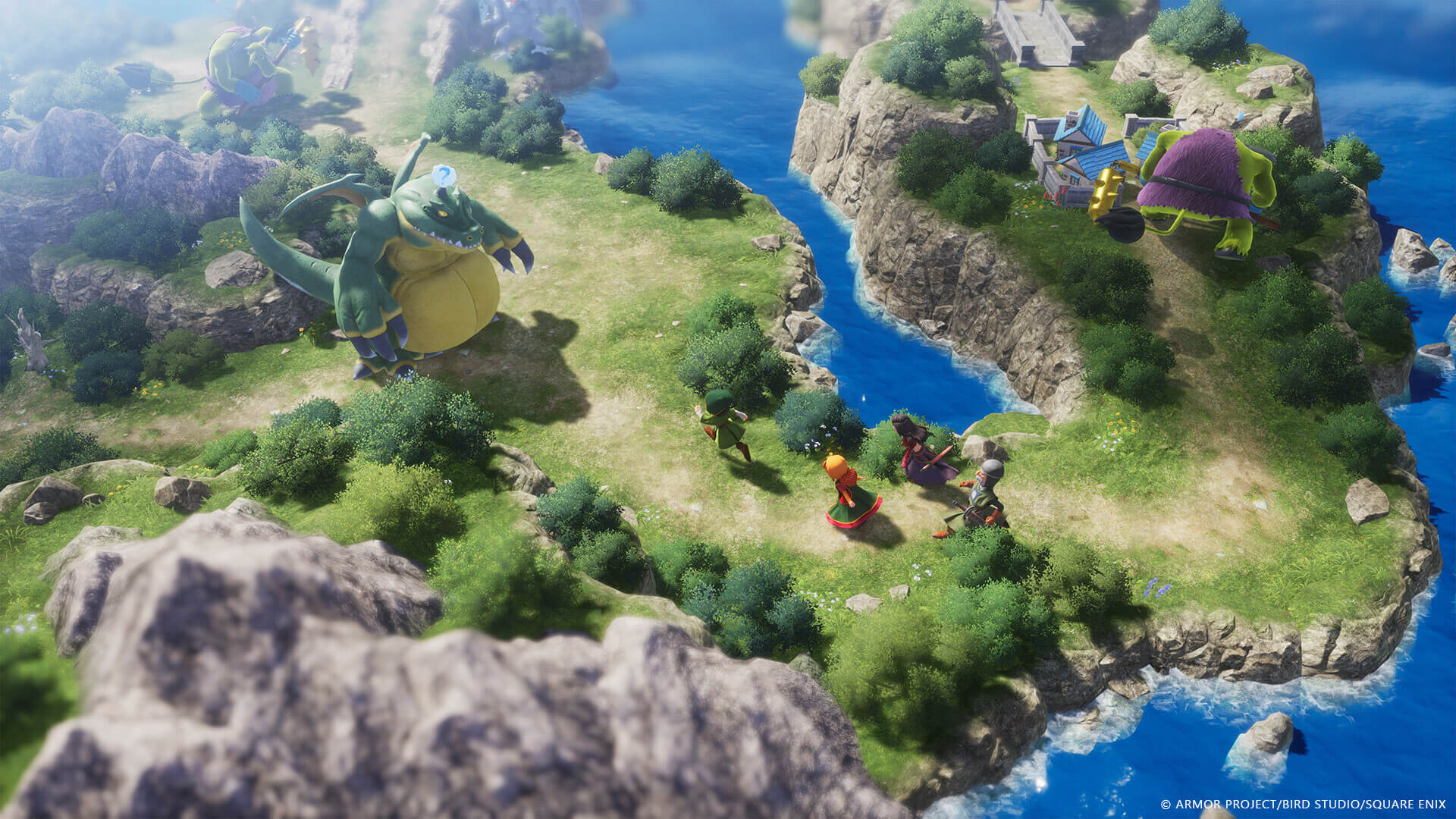
Technically, on Nintendo Switch 2, the game runs beautifully. Load times are minimal, performance is stable, and the enhanced hardware ensures crisp visuals both docked and handheld. The lighting effects and environmental detail shine on the system, making it feel like a definitive console experience that can also be taken portable.
Dragon Quest 7 Reimagined succeeds in doing exactly what it set out to do. It preserves the heart of one of the series’ most ambitious entries while reshaping it into something more welcoming and digestible. For longtime fans, it’s a gorgeous new way to revisit a classic. For newcomers, it’s perhaps the most accessible version of this sprawling time travel adventure ever made.
If this is part of Square Enix’s broader effort to reignite passion for Dragon Quest ahead of the twelfth mainline entry, it’s working. Dragon Quest 7 Reimagined feels both respectful of its past and confident in its present a delicate balance that few remakes truly achieve.
A Nintendo Switch 2 review code was provided by the publisher for the purpose of this review.
If you want to see more content like this and never miss one of our frequent gaming and anime giveaways come and Follow Ani-Game on Twitter.
9
- + A beautiful reimagining. Visually gorgeous
- + A great time travelling epic story
- + Job system overhauls and streamlined mechanics
- + Awesome music
- - The difficulty feels underbalanced at big moments
- - Some of the sense of adventure is lost with the pacing changes