For a series as big as My Hero Academia, I’ve always been a little surprised at how few console games we’ve had. The anime exploded in popularity not long after it debuted, and the fan base has only grown since. We got a couple of solid arena fighters, most recently My Hero One’s Justice 2, but after that, things went quiet. For a franchise that sells out theaters and dominates streaming charts, you’d think there would be more interactive adaptations.
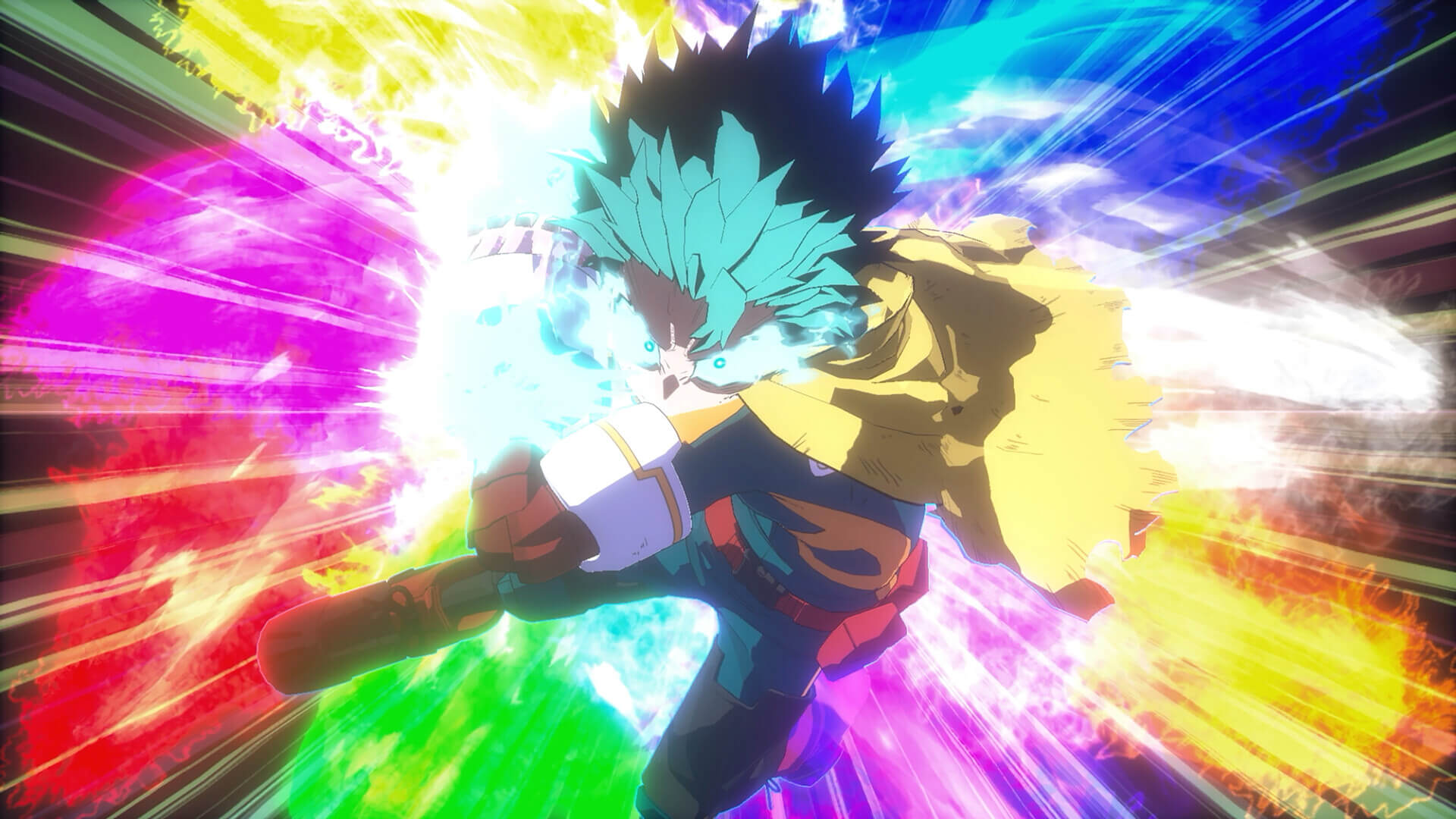
Now we have My Hero Academia: All’s Justice on PS5, and it feels like the biggest swing the series has taken in gaming yet. This time the focus is squarely on the final arc of the story, bringing the climactic battles and emotional payoffs to center stage. It’s not a reinvention of the formula, but it is a clear step forward in scope, presentation, and ambition.
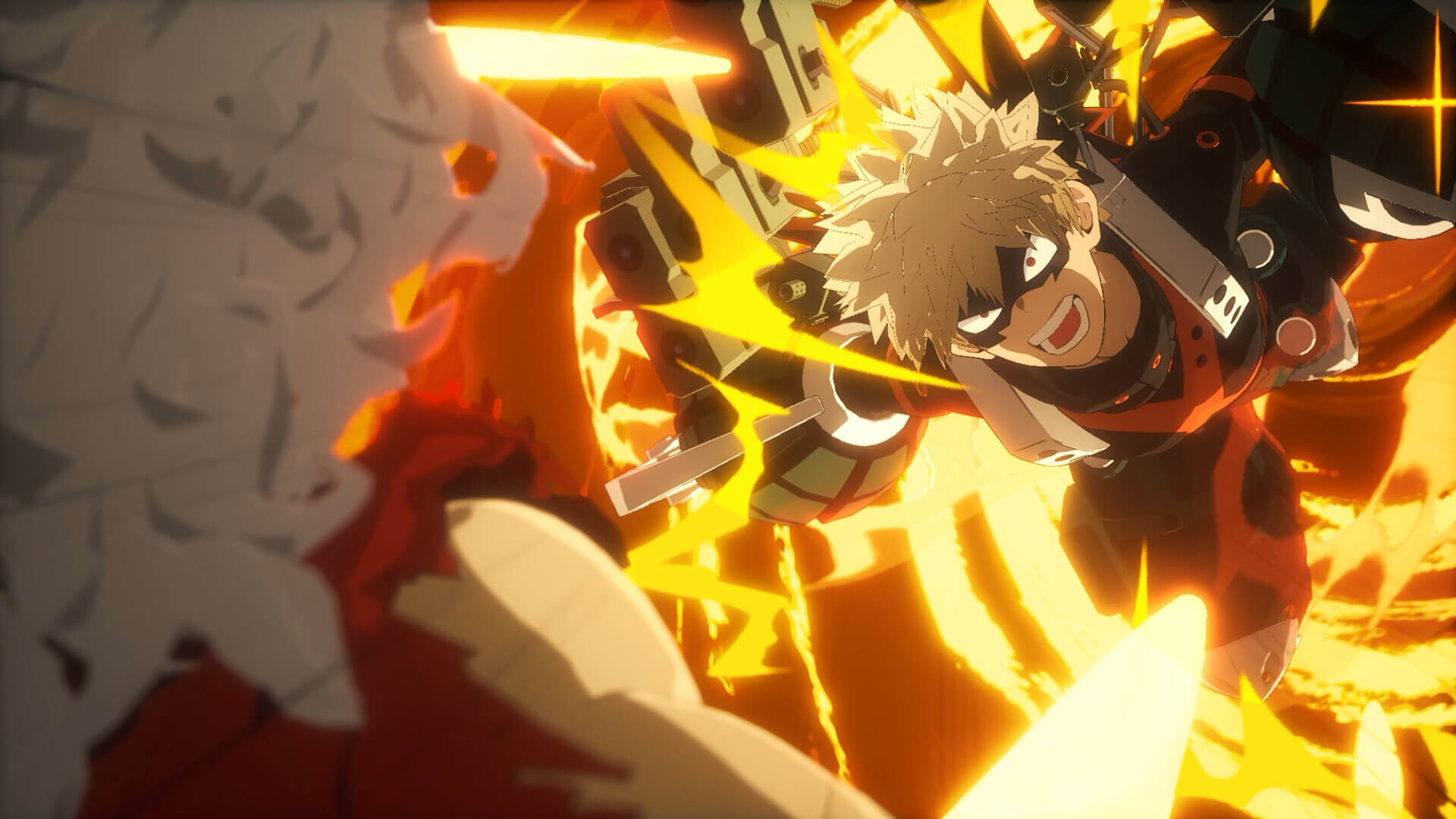
At its core, All’s Justice is a 3D arena fighter. If you’ve played games like Naruto Shippuden: Ultimate Ninja Storm 4, you’ll feel right at home. Battles take place in wide, open arenas where you can dash freely in all directions, chain together light and heavy attacks, launch opponents into the air, and call in teammates for support. It’s fast, flashy, and very anime.
The structure revolves around 3v3 fights. You pick a main character and two partners, and you can swap between them mid-battle. On paper that sounds simple, but the real depth comes from knowing when to switch. If one of your characters is low on health, you can rotate them out and let them recover on the sidelines. If your opponent is zoning you with ranged attacks, you might swap to a more mobile fighter who can close the gap. It’s less about frame-perfect inputs like in Tekken 8 or Mortal Kombat 1, and more about decision making.
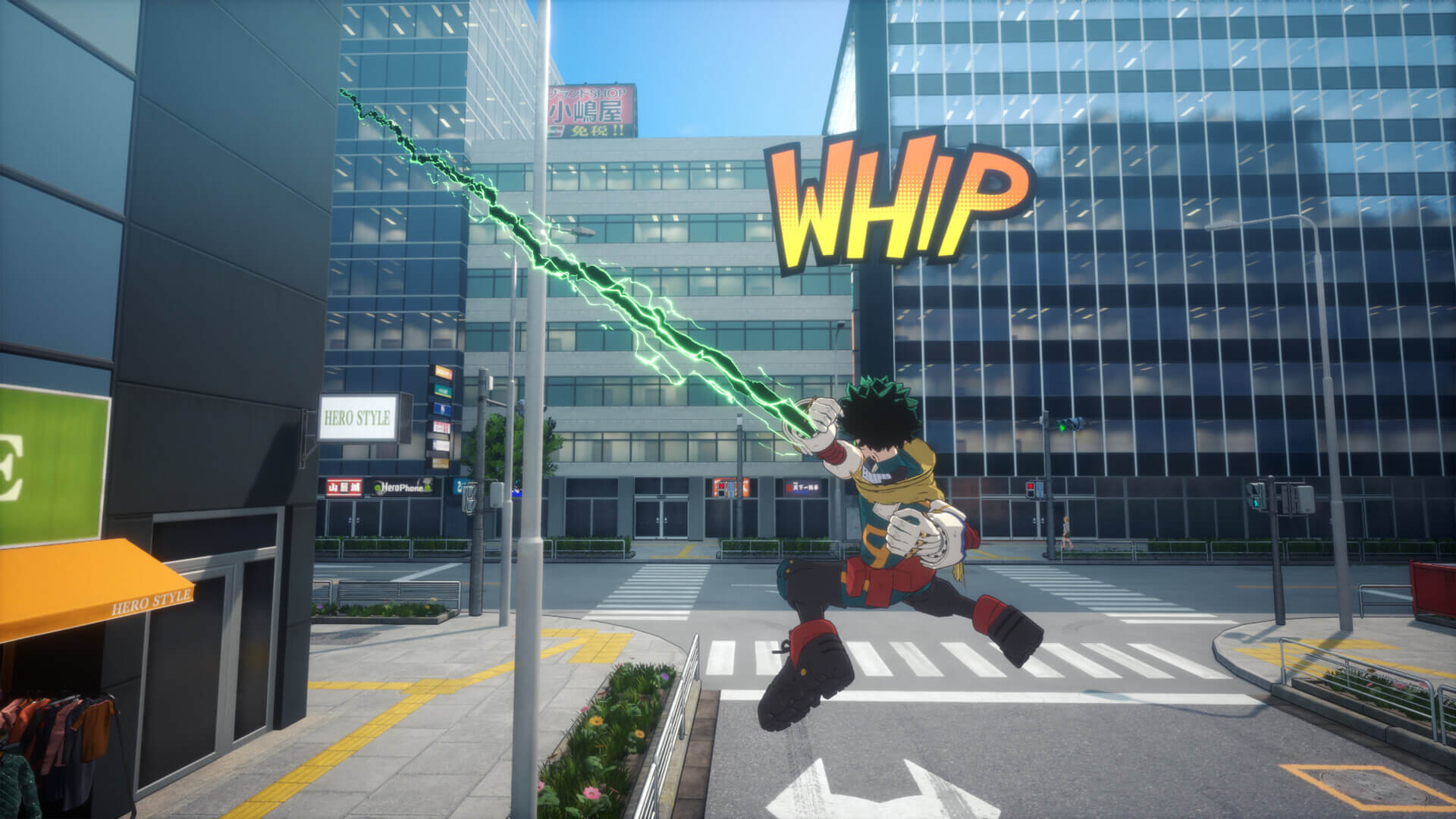
Timing is everything. Do you rush in and extend a combo, or do you hold back and bait out a counter? Do you burn your special meter now, or save it for a comeback? That constant push and pull gives fights a layer of strategy that I really appreciated. It’s accessible enough that newcomers can jump in and have fun, but there’s enough nuance in team composition and meter management to reward players who want to dig deeper.
One of the biggest mechanics is Rising abilities. As you take and deal damage, you build toward a temporary powered-up state. Activating Rising boosts your abilities and opens the door to your Plus Ultra attacks. These are the cinematic super moves the series is known for. Triggering one at the right moment can completely swing a match. But because Rising doesn’t last forever, you have to think carefully about when to use it. Blow it too early and you might waste the advantage. Wait too long and you might get knocked out before you can capitalise. I found myself holding my breath every time I saw that meter fill up, weighing my options.
The story mode is easily the main attraction. It retells the events of the final arc through a mix of playable battles and cutscenes. Some scenes are presented through motion-comic style sequences with moving images and voice acting, while the major moments are fully rendered in-engine. Those fully animated cutscenes look fantastic. The camera angles are dynamic, the character animations are expressive, and the fights feel as intense as they do in the anime.
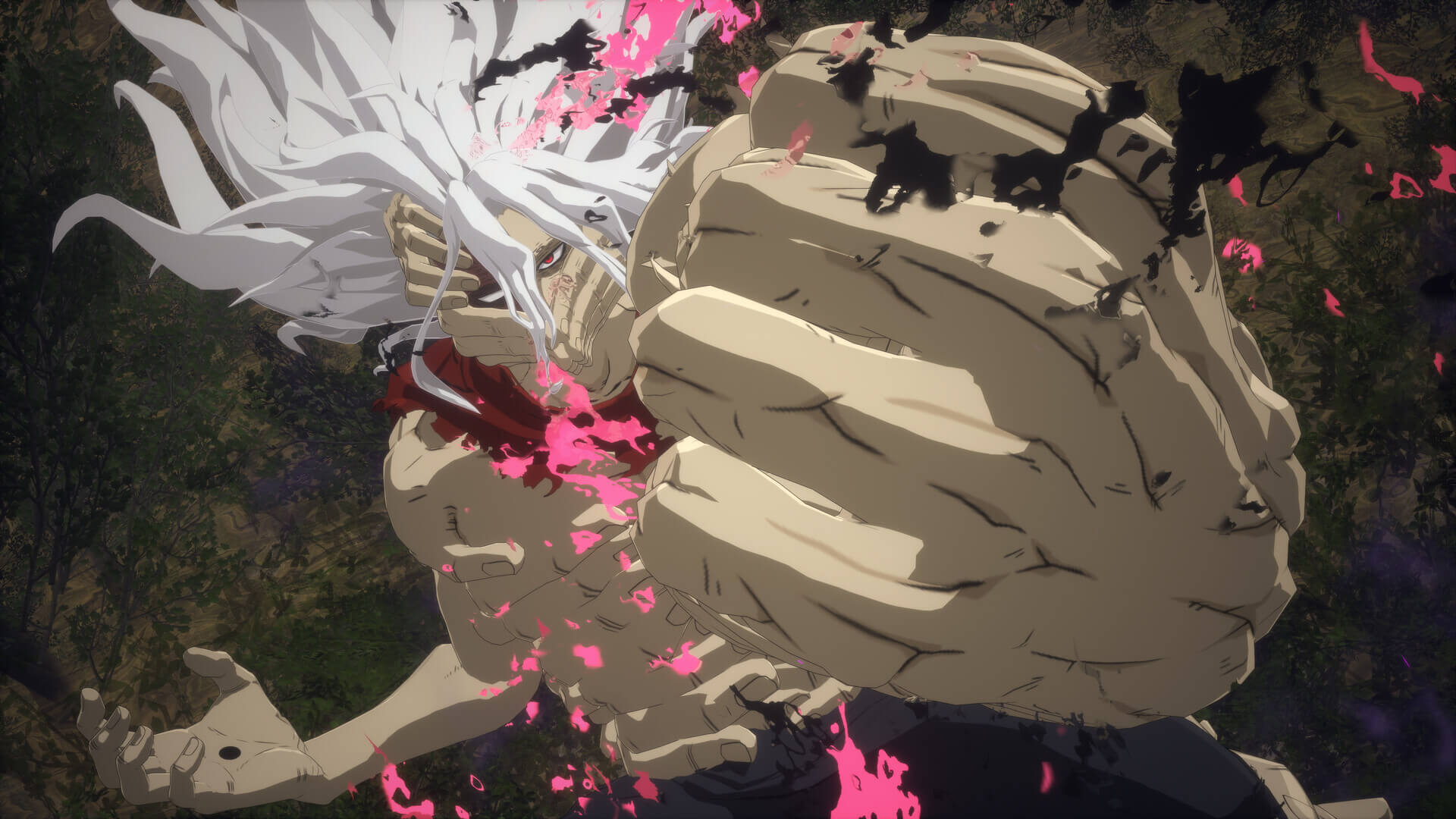
The presentation reminded me of Dragon Ball Z: Kakarot and the Naruto Storm games. When the game leans fully into in-engine cinematics, it really shines. Explosions light up the screen, debris flies, and characters deliver their emotional speeches with weight. I do wish the entire story was handled this way. The motion-graphic segments get the job done, but they don’t have the same impact. I can’t help but hope that one day we’ll get a My Hero Academia game that tells the entire saga from beginning to end using fully rendered cutscenes throughout.
Beyond story mode, there’s a solid variety of additional modes. Team Up Mission has you tackle structured battles with different objectives, often fighting waves of enemies or powerful boss characters. There’s a light progression system where you can build synergy between characters, encouraging experimentation with different team combinations.
Hero’s Diary is a more character-focused mode. It blends light exploration with side missions and smaller encounters. You get to spend more time with individual heroes, unlocking dialogue and small story snippets that flesh out their personalities. It’s fan service in the best sense. If you love these characters, you’ll enjoy seeing them interact outside of high-stakes battles.
Archive Battle is a standout addition. Even though the game focuses on the final arc, this mode lets you replay iconic fights from across the series. It’s basically a greatest hits collection. For longtime fans, it’s a nostalgic trip. For newer players, it’s a crash course in the series’ most important moments.
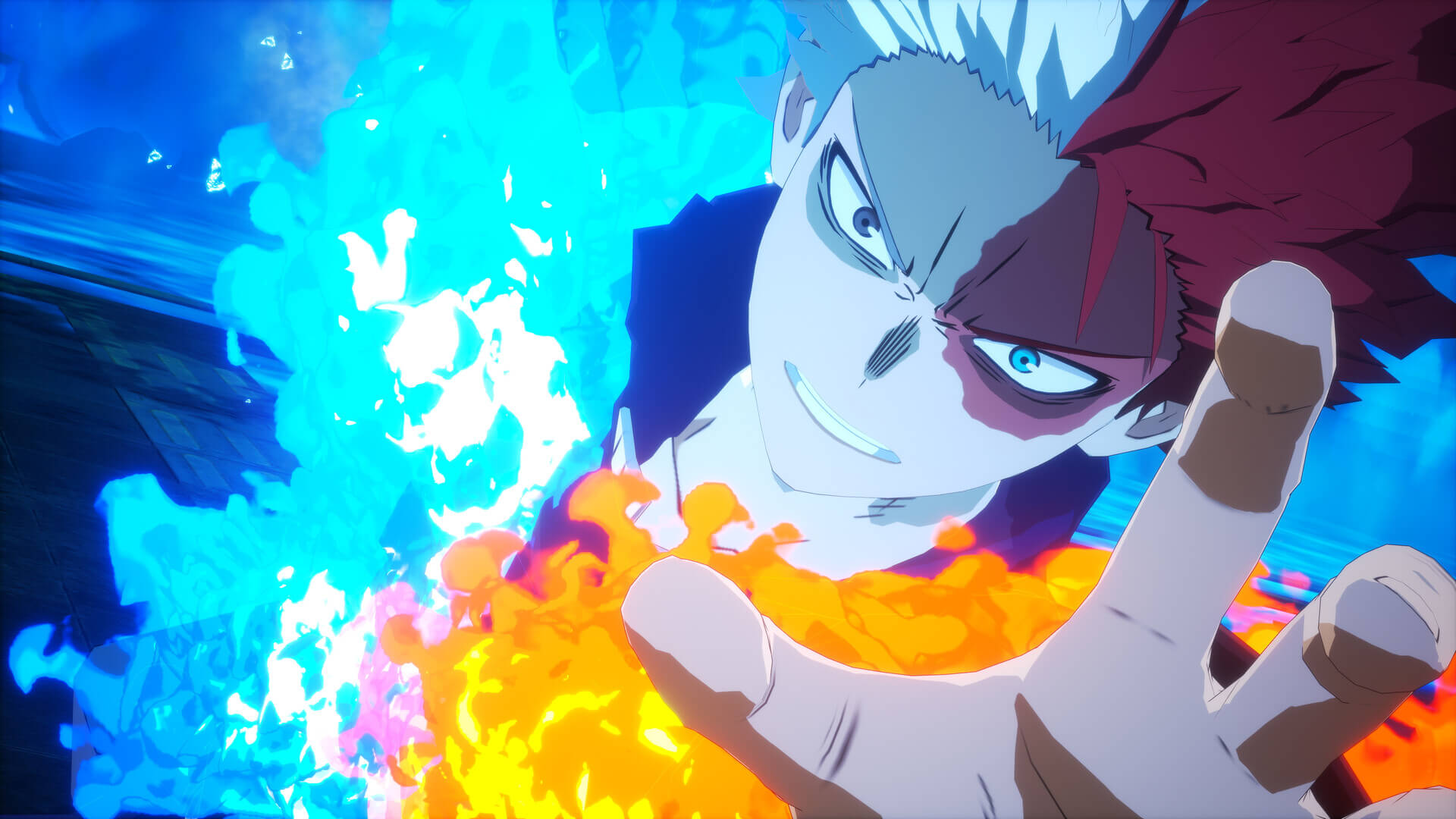
There’s also a straightforward CPU Battle mode for quick matches, along with online multiplayer. Online battles are where the combat system really opens up, though performance can be inconsistent depending on connection quality.
The roster is massive. Bandai Namco has packed in around 70 characters, more than any previous entry. That includes multiple versions of key fighters at different points in their development. The character models look excellent. They capture the anime’s bold outlines and vibrant colors while adding subtle details that make them pop in motion. Each character’s mannerisms are spot on, from confident poses to nervous tics. It’s clear a lot of care went into making them feel authentic.
The game is fully voiced in both English and Japanese, which I genuinely appreciate. The English dub cast brings a lot of personality to the performances, and having the option to choose is always welcome. In an era where some licensed anime games skip English voice work entirely, this feels like a real bonus.
The music is another highlight. Familiar tracks from the anime are woven into battles and story scenes, giving everything that recognisable My Hero energy. There’s also a newly remixed version of “You Say Run” that kicks in during key moments. Hearing that theme swell as you land a decisive Plus Ultra attack is exactly the kind of fan service I want.
That said, the game isn’t perfect. Some modes feel more polished than others. Story mode clearly received the most attention, while certain side modes can feel a bit shallow. Hero’s Diary and parts of Team Up Mission occasionally come across as repetitive, with similar objectives and limited environmental variety.
The modes also feel somewhat disjointed. I would have loved a more cohesive structure tying everything together. Imagine if progress in Hero’s Diary directly influenced story scenes, or if Team Up Missions unlocked unique character interactions that carried over elsewhere. As it stands, they sometimes feel like separate islands of content rather than parts of a unified experience.
Performance on PS5 is mostly solid during battles, but I did notice hiccups when moving through the larger environments in Team Up Mission and Hero’s Diary. Frame rate dips and texture pop-in break immersion, especially in moments that are supposed to feel big and dramatic.
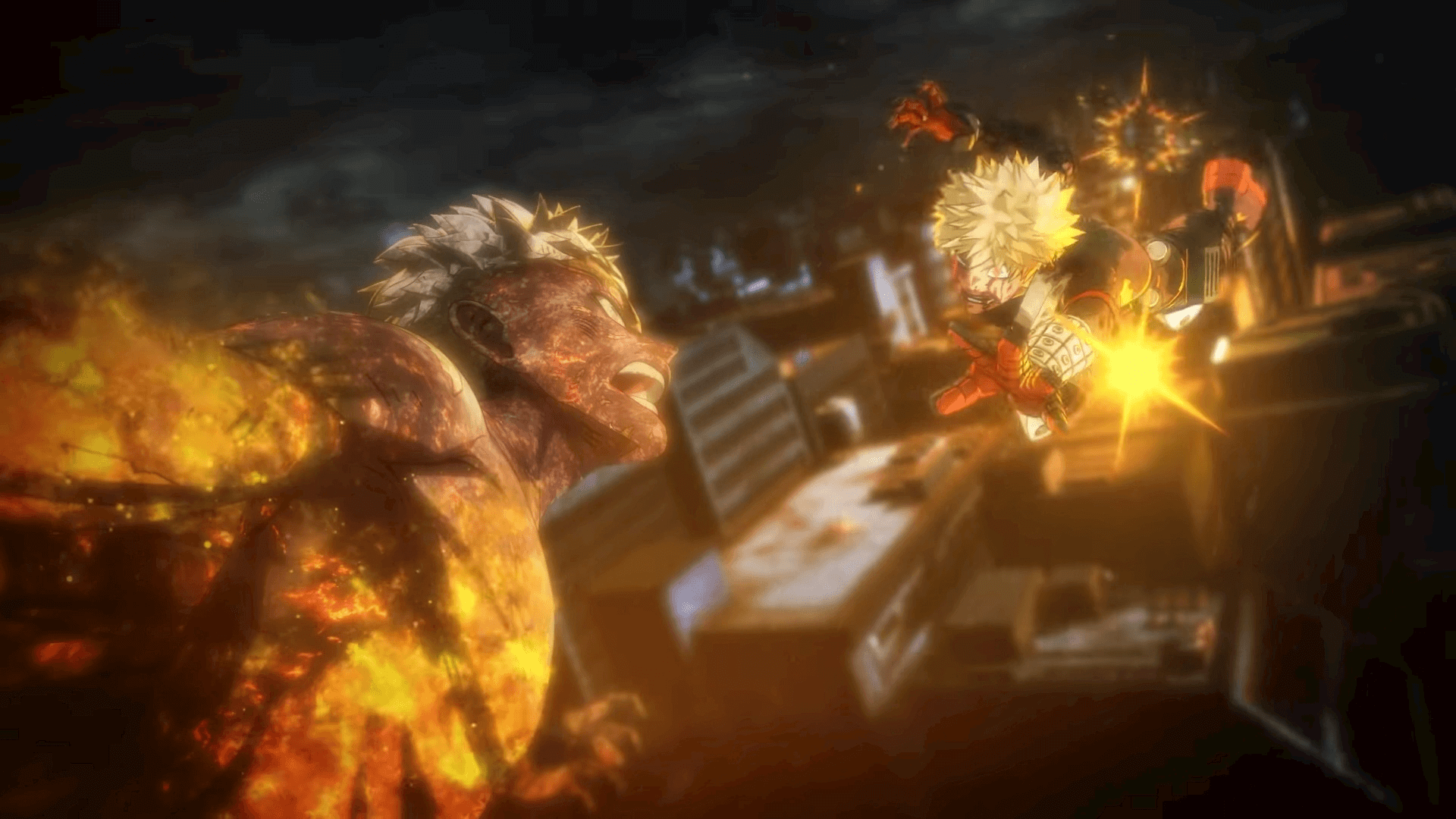
Even with those issues, I had a solid time with My Hero Academia: All’s Justice. It captures the spirit of the series, delivers flashy and strategic combat, and gives fans a chance to relive some of the most intense moments of the final arc. It feels like a celebration of everything that makes My Hero Academia special.
More than anything, it left me wanting more. I can’t wait for the day when we get a definitive My Hero Academia game that covers the entire story from start to finish, presented fully in-engine with seamless cinematic storytelling. Until then, All’s Justice is a satisfying adaptation of the end of the series and for fans of the series, it’s an easy recommendation.
A PS5 review code was provided by the publisher for the purpose of this review.
If you want to see more content like this and never miss one of our frequent gaming and anime giveaways come and Follow Ani-Game on Twitter.
7.5
- + Captures the look and feel of the anime series really well
- + Largest roster of characters yet
- + Encourages a lot of strategy with its combat system
- + Has a great English dub and soundtrack
- - WOuld have loved the experience and the modes to feel more cohesive
- - Does have performance problems in some modes
- - Hero’s Diary and Team Up Mission are quite repetitive in structure