When the original Code Vein launched, the idea of an anime styled soulslike immediately had me interested. A moody, post-apocalyptic world full of vampiric Revenants, over-the-top weapons, and flashy abilities sounded like a perfect blend of style and challenge. I enjoyed what I played of it. The combat felt weighty, the character creator was absurdly detailed, and the companion system gave it a slightly different flavor compared to the usual lonely trek through despair you get in most games inspired by Dark Souls. But if I’m being honest, I eventually fell off. The difficulty spikes, the repetition, and a story that never quite pulled me in made it easy to drift away before the credits rolled.

That’s why Code Vein 2 surprised me. This sequel doesn’t just feel like more of the same. It feels like a deliberate attempt to evolve the formula, especially in areas where the first game struggled. Most notably, there’s a much bigger focus on storytelling and character-driven drama this time around. In a genre that typically leans heavily on environmental storytelling and obscure lore entries, seeing a soulslike embrace lengthy cutscenes, fully fleshed out character arcs, and a central narrative hook immediately got my attention.
Even better, this is a brand new story with a fresh cast of characters. You don’t need to have finished the first game to understand what’s going on. That approach makes it far more approachable for newcomers, and I appreciated not feeling like I was missing key context.
What really sealed the deal for me, though, was learning that the story heavily revolves around time travel. I’m a sucker for time travel narratives. There’s something inherently compelling about revisiting the past, uncovering truths, and then using that knowledge to alter the present. Code Vein 2 leans hard into that concept. You’re not just fighting monsters. You’re investigating the roots of corruption, stepping back in time to meet characters before their downfall, and then returning to the present to confront twisted versions of them. It creates this layered sense of tragedy and mystery that pushes you forward.
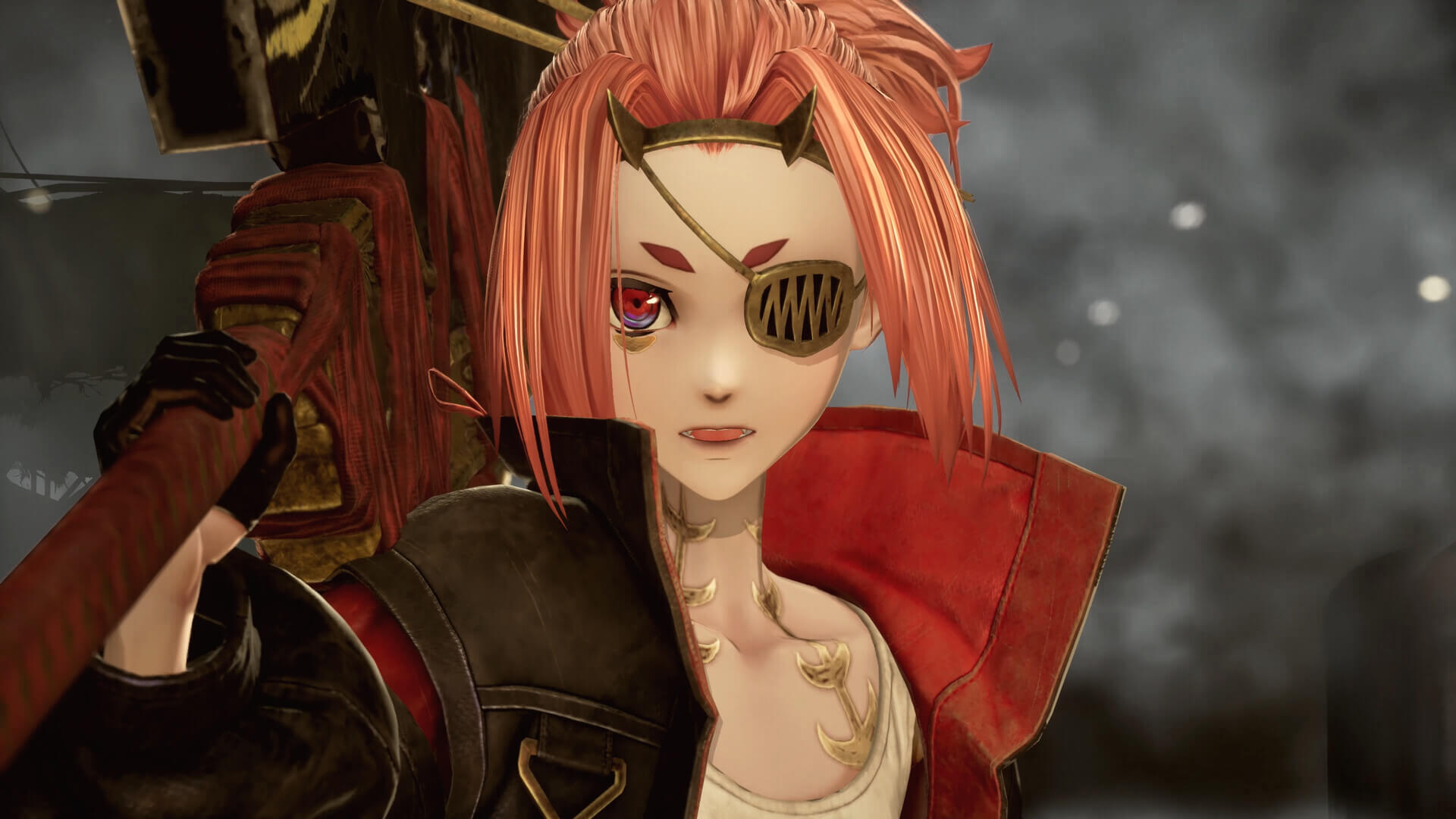
The adventure begins the way any good anime-inspired RPG should. With an absurdly in-depth character creator. The first Code Vein was widely praised for having one of the most detailed character creators out there, and somehow this sequel pushes it even further. The amount of customisation is borderline overwhelming. Hairstyles, facial structures, accessories, scars, color gradients, layered outfits, tiny cosmetic details you didn’t even know you wanted. I spent a huge amount of time tweaking sliders and testing combinations.

That said, if you’re not into micromanaging eyebrow angles and color palettes, the game has you covered too. There are plenty of preset characters that already look fantastic, and you can build on those with minimal effort. It strikes a nice balance between depth and accessibility.
Once I stepped into the world, the story wasted little time establishing its stakes. As a Revenant caught in a world suffering from a spreading corruption, I quickly learned that the present is shaped by forgotten events of the past. Through mysterious mechanisms tied to blood and memory, I gained the ability to travel back in time. There, I met key figures before they became corrupted monstrosities in the present. By uncovering hidden truths and understanding what led to their downfall, I could return to my timeline better prepared and with the ability to face them head on.
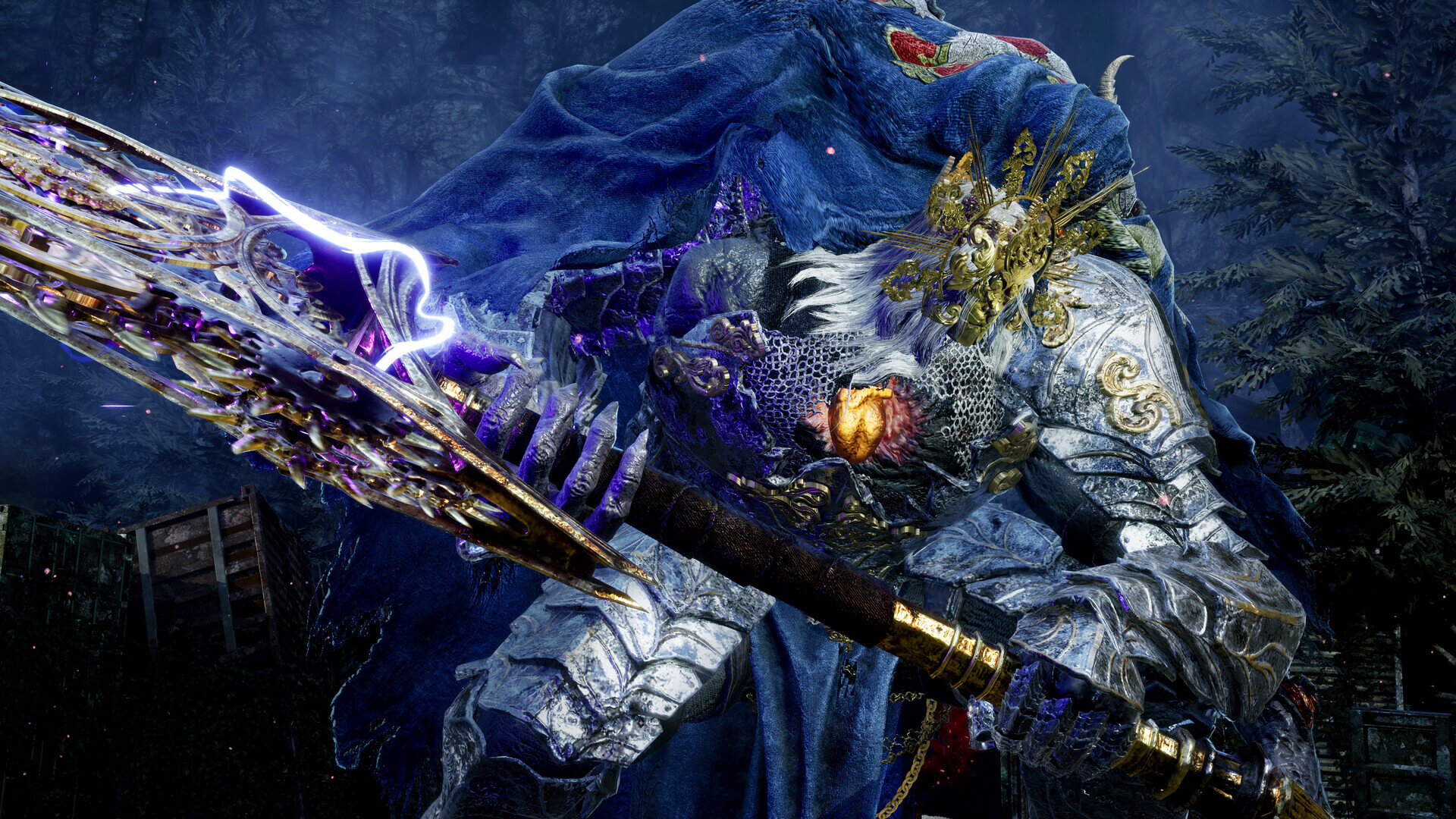
In some cases, that knowledge translated directly into gameplay advantages. Learning a character’s weakness in the past might reveal a strategy to exploit when facing their corrupted form later. In others, it opened up new dialogue options or alternative paths. Beating these corrupted figures felt more meaningful because I knew who they once were. The emotional weight of those encounters elevates the standard boss fight formula.
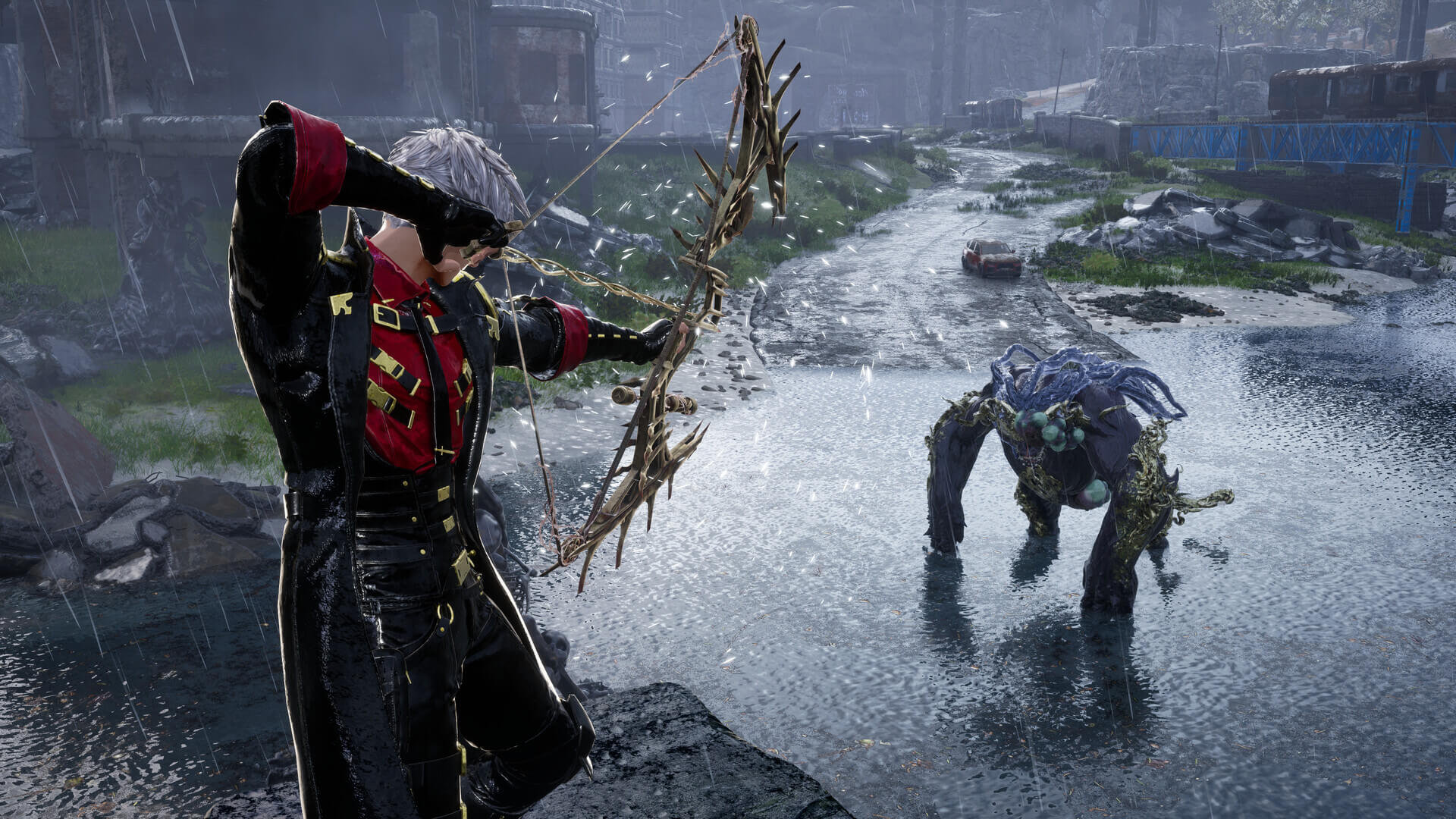
Combat remains at the heart of the experience, and Code Vein 2 expands it in meaningful ways. Classic weapon types from the first game return, including swords, spears, and massive hammers. But this time around, we also get new additions like Rune Blades and Dual Swords. Rune Blades blend melee strikes with magical effects, making them perfect for hybrid builds. Dual Swords, on the other hand, lean into speed and relentless aggression. These additions significantly widen the range of viable builds.
The game can be brutally punishing if you approach a boss with the wrong setup or try to brute-force your way through. I learned that the hard way more than once. Charging headlong into a fight without adjusting my build or strategy often ended in disaster. But that’s part of the appeal. When I finally adapted, reworked my loadout, and approached a fight with patience, the victory felt earned.
The combat system itself feels deeper thanks to tweaks around blood harvesting and new Formae attacks. Harvesting blood remains central to fueling your abilities, but it feels more integrated into the flow of combat now. Instead of stopping to think about resources, I found myself naturally weaving attacks and blood drain mechanics together.

Formae attacks are a standout addition. These are powerful techniques that can incorporate devastating melee combos, ranged assaults, or magic bursts depending on your build. They allow for some wildly diverse character setups. I experimented with a hybrid build that combined fast Dual Sword strikes with mid-range magical blasts, and it felt viable. That flexibility makes the system feel less rigid than many souls-likes, where builds can sometimes feel narrowly defined.
Another defining feature is the ally system. This is still a story about your Revenant and the companions you meet along the way. Most of the time, you have an ally fighting beside you. Who that is changes depending on the chapter, which ties nicely into the narrative. In battle, they’re genuinely helpful. They attack, draw aggro, and most importantly, they can revive you if you fall. The revive has a cooldown, so you can’t abuse it, but it does give you some breathing room. It makes the experience more forgiving without removing the tension.
If you prefer a solo challenge, you can assimilate your ally. Doing so grants you their skills and a noticeable power boost, but it comes at a cost. Once assimilated, they can’t revive you. It becomes a risk versus reward decision. I appreciated having that choice. On particularly tough bosses, I sometimes went solo for the added power. In sprawling areas with lots of ambushes, I kept my ally active as a safety net.
And ambushes are common. Combat encounters can get overwhelming fast, especially when multiple enemies swarm you. Positioning and awareness are crucial. Thankfully, like in Elden Ring, there’s a leveling system that lets you grind if you’re struggling. If I felt underpowered, I could farm enemies, boost my stats, and return better prepared. It doesn’t eliminate the challenge, but it gives you options.
The world itself feels larger this time. Not just wider, but taller. There’s a strong sense of verticality, with layered environments, interconnected shortcuts, and hidden side paths. Some of the main dungeons are incredibly detailed, with clever layouts that loop back on themselves. I especially loved the pathfinding mechanic that highlights where you’ve already walked, colour-coded by how recently you traveled that route. In complex areas, this was a lifesaver. It helped me identify unexplored corners without relying entirely on memory.
That said, the map system could be clearer. Because of the vertical design, I often followed a marker only to realise the objective was far above or below me. The map doesn’t always communicate elevation well, which led to moments of confusion.
The open world also has its rough edges. You can traverse it on a bike, which is a welcome addition for covering long distances. But it’s surprisingly easy to get snagged on minor bumps, rocks, or cracks in the terrain. What should feel smooth and empowering sometimes becomes frustrating. Performance also dips more noticeably in these open areas. The frame rate can struggle when speeding around and loading assets.
Ironically, some of the open regions feel less detailed than the tightly designed dungeons. While the interior areas are packed with atmosphere and visual storytelling, parts of the overworld can feel a bit empty.
Even with those issues, I can’t ignore how much Code Vein 2 improves on its predecessor. The deeper focus on storytelling, the ambitious time travel premise, expanded combat options, and enhanced customisation all make it feel like a true evolution rather than a safe sequel. For me, this is the game I wanted the original to be. It keeps the stylish anime souls-like identity intact but adds emotional weight and mechanical depth. Code Vein 2 feels more confident, more ambitious, and more willing to tell a story in a genre that often hides its best ideas in the shadows.
A PS5 review code was provided by the publisher for the purpose of this review.
If you want to see more content like this and never miss one of our frequent gaming and anime giveaways come and Follow Ani-Game on Twitter.
8
- + A far more narrative driven story compared to the first game
- + Challenging but rewarding learning curve
- + Incredible character creator
- + Plenty of customisation for creative and powerful builds
- - Map and objectives very are unclear to times
- - Design of some of the open world is lacklustre
- - Does have noticeable performance dips in the larger areas