When most people hear “Monster Hunter,” they think of oversized weapons, grueling boss fights, and carefully carved steaks cooking over a campfire. The Stories subseries has always done something different. Instead of hunting monsters, you befriend them. You hatch them. You ride them into battle. It takes the familiar world of Monster Hunter and reshapes it into a turn-based, character-driven RPG.
Late last year, I went back and played through both Monster Hunter Stories and Monster Hunter Stories 2: Wings of Ruin to prepare for this new entry. I wanted to refresh myself on the systems, the tone, and the way the series balances its lighter presentation with surprisingly emotional storytelling. I enjoyed them more than I expected to. So when I finally got the chance to put substantial time into Monster Hunter Stories 3: Twisted Reflection, I went in hopeful.
Fourteen hours in and, I’m not just hopeful. I’m hooked.
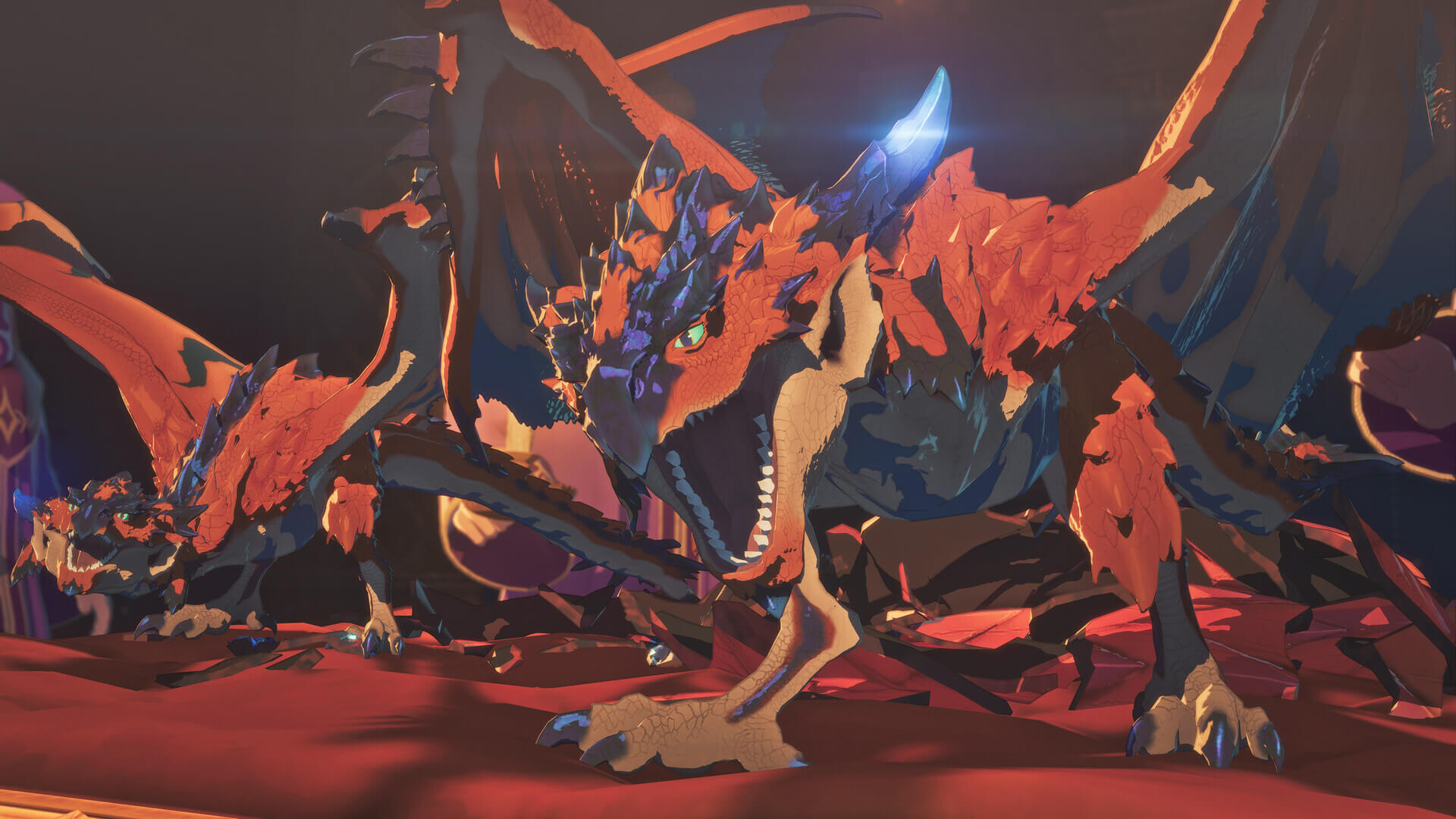
Twisted Reflection wastes no time setting the stage. You play as a custom-created character who is the prince or princess of Azuria, a powerful kingdom on the brink of unrest. Very early on, the game throws you into a flashback sequence that shows how you first bonded with your Rathalos. Not just any Rathalos, either. Yours is one of a rare twin pair, a detail that immediately feels important in a way the game doesn’t fully explain.
That early sequence is dramatic, chaotic, and tinged with loss. Then the game jumps forward in time.
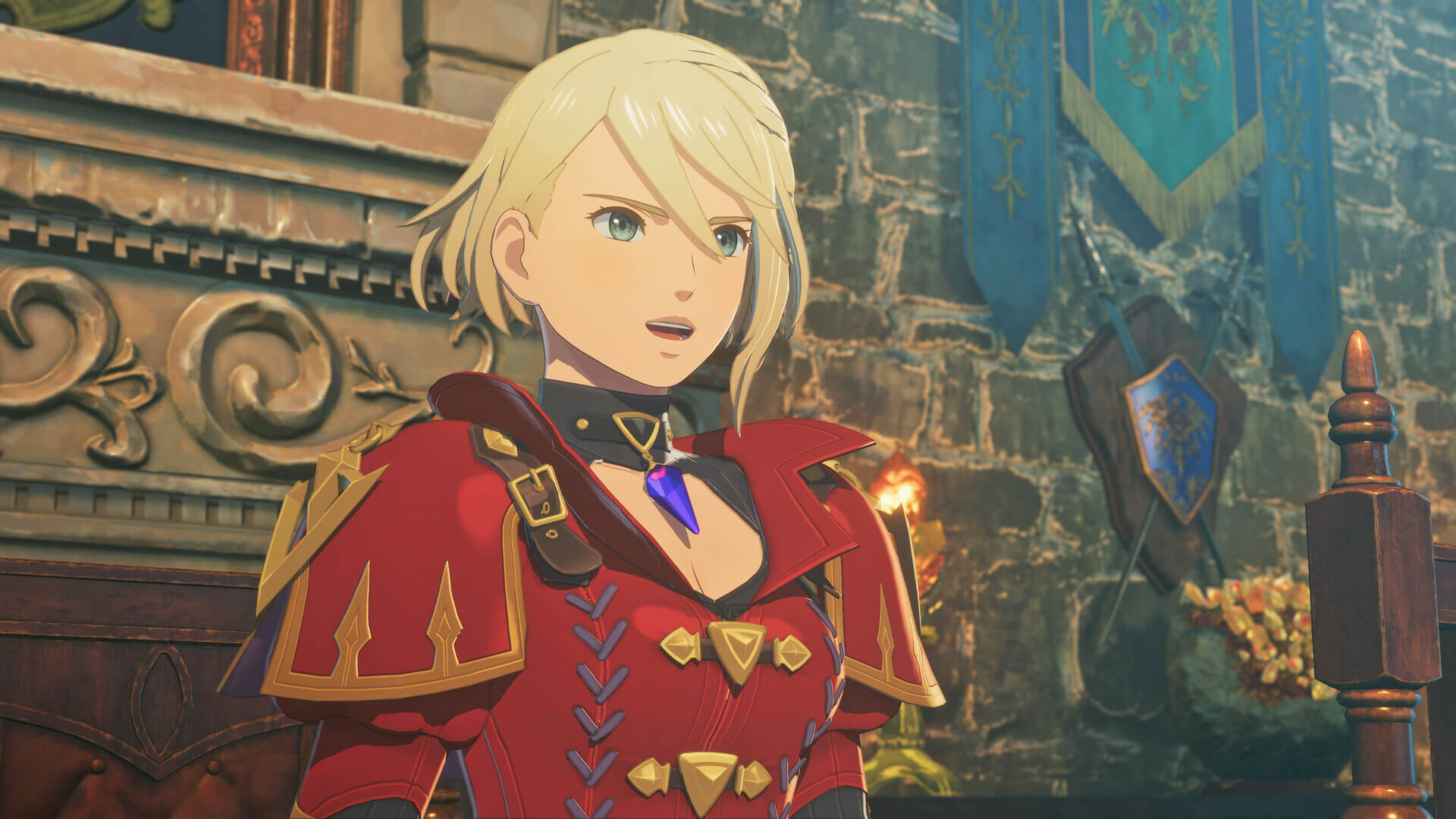
When the story properly begins, you’re no longer a wide-eyed youth. You’re an experienced Ranger with a reputation, responsibilities, and the weight of Azuria’s political future on your shoulders. The tone this time around is noticeably more mature than previous Stories games. War is no longer background flavor. It’s central to the conflict. Feuds between nations are begging to brew. Alliances are fragile. There’s open talk of invasion, betrayal, and the consequences of power.
Even in the first couple of chapters, I’ve already seen several twists that genuinely caught me off guard. Political feuds escalate quickly. Characters I thought I understood reveal hidden motives. The twin Rathalos thread continues to loom over everything. It’s clear the stakes are much higher than before. This isn’t just about stopping a rampaging monster. It’s about preventing a continent-wide catastrophe.
If you’re curious, there’s a free demo available right now that covers almost the entire first chapter, roughly three to four hours of content. It’s a generous slice and gives a strong sense of both the story and the systems.
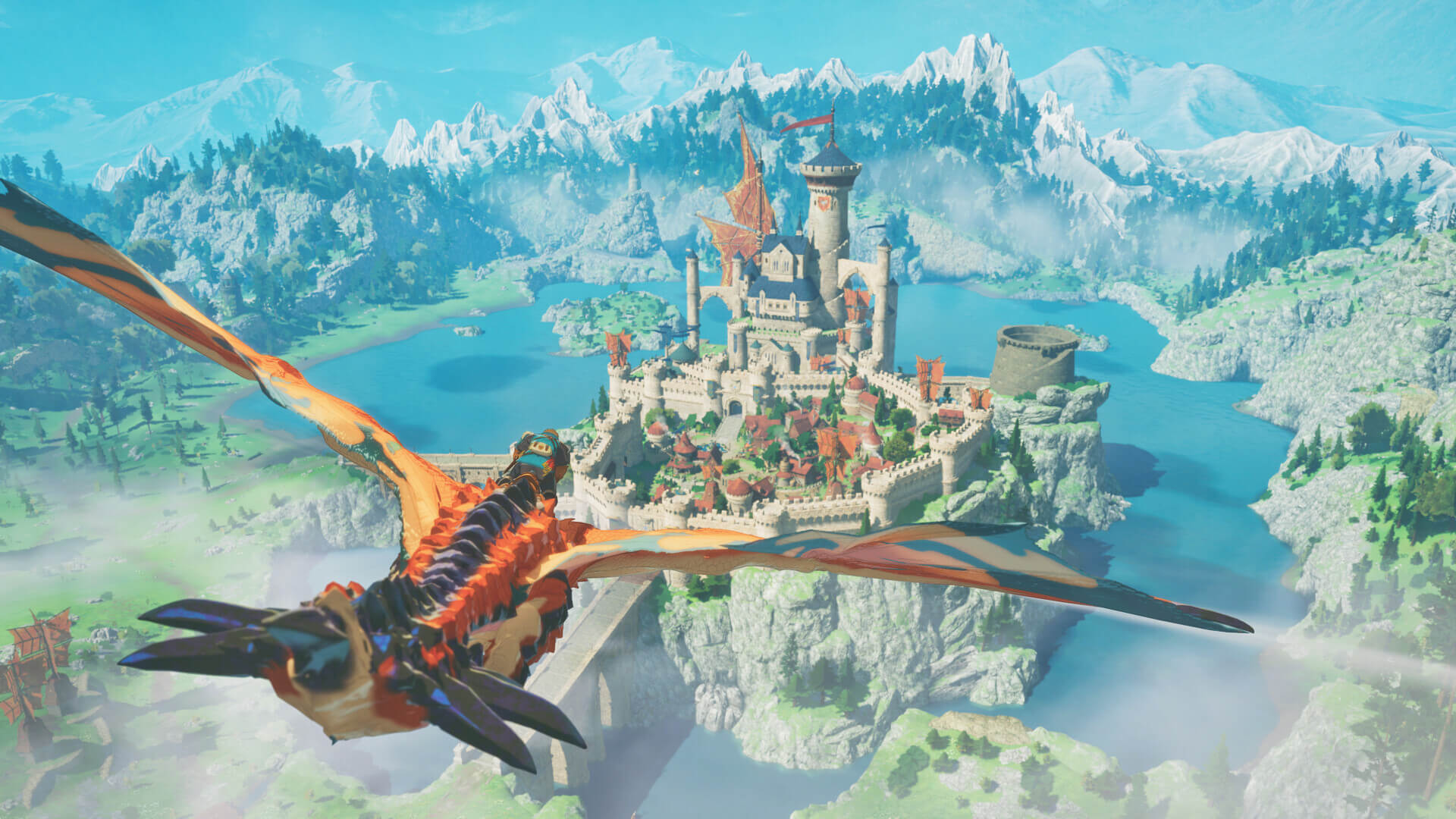
One of the first things I noticed, even before the plot really got going, was just how much better the game looks. The original Stories launched on 3DS, and while it had charm, it was limited. Even Stories 2, though a big step up, still felt stylized in a slightly simple way. Twisted Reflection feels like a proper leap forward.
Character models are more detailed, with more expressive faces and subtle animations during conversations. Armor sets have texture and weight to them. Lighting plays a much bigger role in setting the mood, especially during nighttime scenes or in torchlit interiors. Particle effects fill the air during battles, from drifting embers to swirling dust. The environments feel denser and more alive, with wildlife roaming, foliage swaying, and distant monsters moving across the horizon.
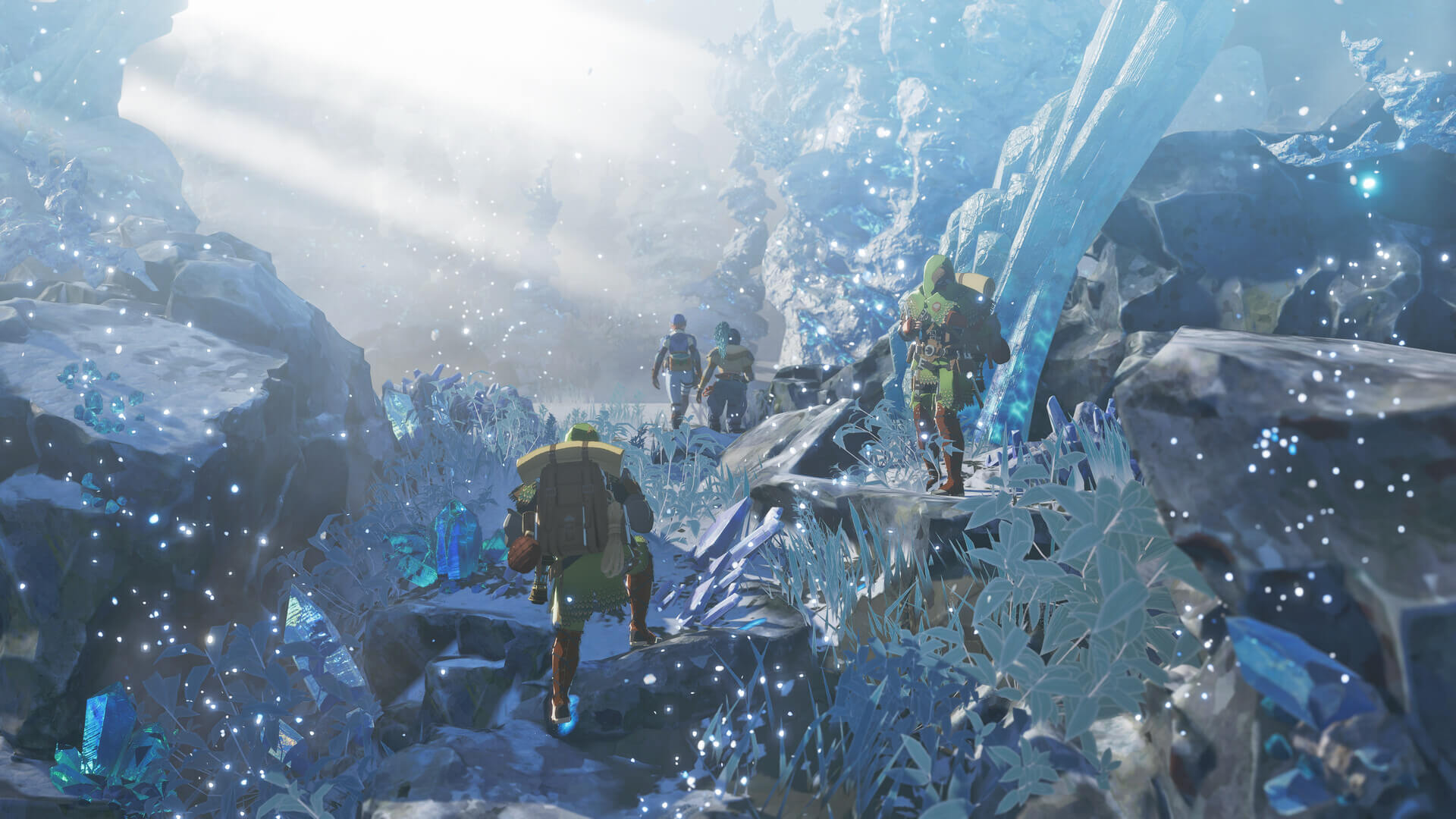
Azuria itself is expansive. And this time, the design is much more open. I can roam wide stretches of land with minimal interruption, hopping onto the back of my Monsties at any time. Movement feels fluid. If I want to sprint across plains, take to the sky, or scale a cliff face, it’s usually just a matter of switching to the right Monstie.
Traversal is directly tied to your party. Some Monsties can climb vertical walls. Others can swim over deep water. Flying types let you bypass hazards or discover hidden plateaus. It encourages experimentation and party variety, not just for combat but for exploration. I’ve already stumbled into optional areas simply because I happened to bring along a Monstie with the right field skill.
And there’s a lot to find. The main quest drives you forward, but the world is packed with side content. Each of your fellow Rangers has their own questlines that flesh out their personalities and backstories. Spending time on these missions isn’t just about rewards. It deepens the relationships, and given how political and character-driven this story is, that matters.
Beyond that, NPCs in cities and out in the wild frequently offer smaller objective-based missions. Hunt this monster. Gather these materials. Investigate this disturbance. They’re often quick, but they help the world feel reactive and lived in.
Then there are the monster dens. Exploring dens remains one of my favorite parts of the series. You enter these semi-randomized spaces searching for eggs, carefully navigating around monsters to reach the nest. The thrill of finding a rare den still hasn’t worn off. When that golden glow appears on the map, I immediately detour.
Back at the stables, hatching eggs expands your party. Each Monstie has its own stats, skills, and gene layout. Not too far into the game, you’re introduced to the Rite of Channeling, which lets you fuse genes between Monsties. This system has been expanded in Twisted Reflection, and it’s already clear how much depth there is.
You can transfer traits, stack elemental bonuses, and craft specialised builds that lean into certain combat roles. Want a fire-focused powerhouse with speed-based tendencies? You can build that. Prefer a technical support Monstie with healing abilities pulled from another species? That’s possible too. It adds a layer of strategy that goes well beyond simply collecting your favorites.
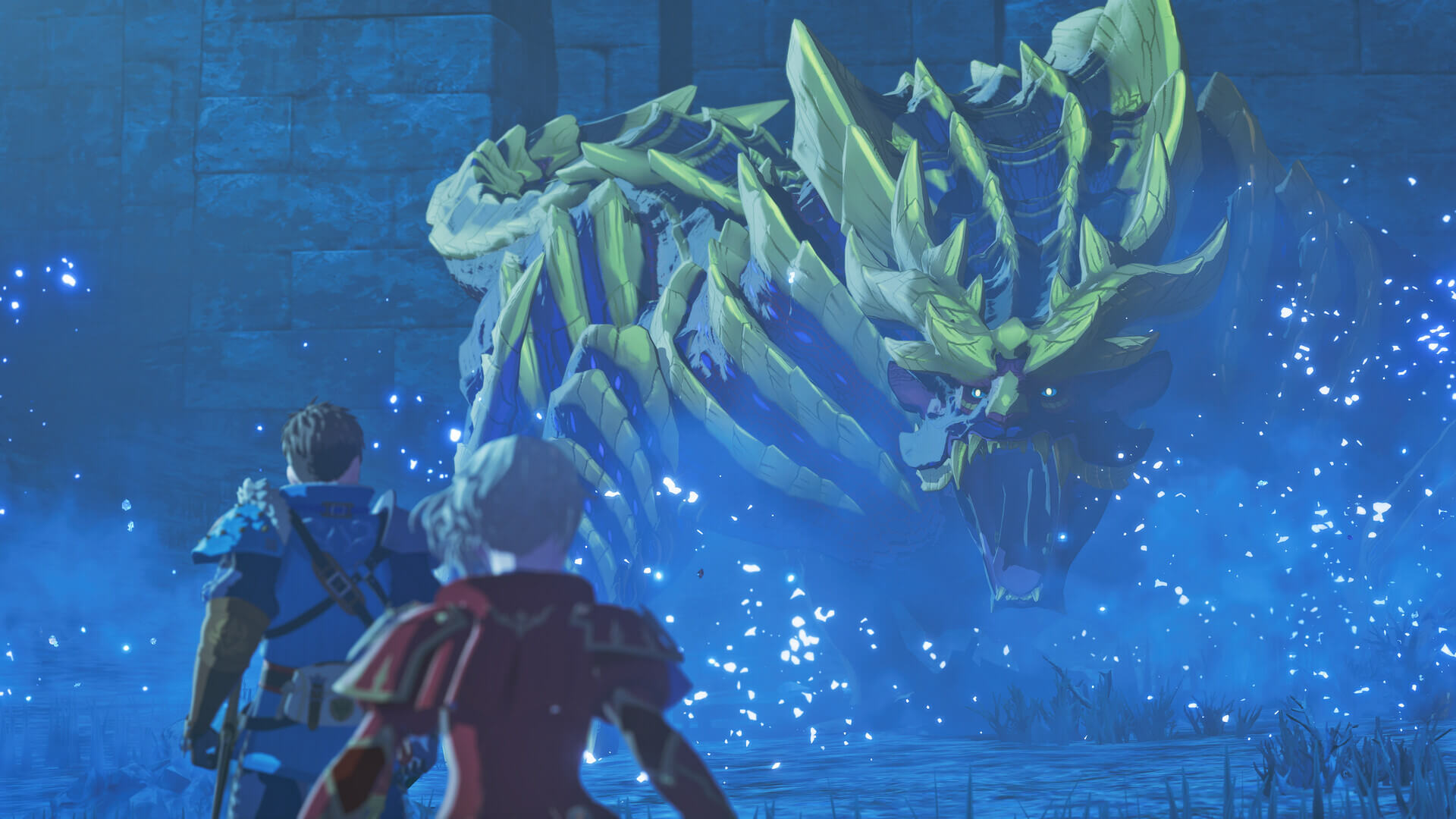
The world itself also feels more dangerous this time. Invasive species and feral monsters play a bigger role in the ecosystem. Feral creatures are especially aggressive, often acting as mini-boss encounters with enhanced stats and unpredictable behavior. Invasive species disrupt local habitats, sometimes triggering side quests or altering what monsters appear in certain regions.
These additions make the wilderness feel unstable, which fits perfectly with the game’s broader themes of conflict and imbalance.
Combat still uses the familiar rock-paper-scissors system. Technical beats Power. Power beats Speed. Speed beats Technical. On the surface, it’s simple. But in practice, it’s layered with nuance.
Enemies telegraph patterns. Learning whether a monster tends to open with Speed attacks or shift into Power when enraged becomes essential. Bosses and feral creatures often have multiple phases. They change behavior mid-fight, gain new abilities, and sometimes introduce new hazards. You’re constantly adapting.
Add in weapon types, elemental weaknesses, status effects, and your Monstie’s abilities, and fights can get complex quickly. There’s real satisfaction in correctly predicting an enemy’s move, countering it, and triggering a powerful Double Attack alongside your Monstie.
What I appreciate most is how the game teaches these systems. Your character is already an experienced Ranger. They don’t need basic lessons. Instead, a newcomer named Thea joins your group. She’s enthusiastic but completely new to the role. So when mechanics are explained, they’re explained to her. It’s a clever framing device. Your character walks her through combat basics, field skills, and the political landscape. It functions as a tutorial for the player, but it also reinforces that your protagonist knows what they’re doing. It builds credibility. It makes you feel competent.
Another major change is that your character is now fully voiced. That alone adds a surprising amount of weight to the story. Emotional scenes land harder when your character can actually respond with tone and expression. Given how character-driven and dramatic Twisted Reflection already is, this feels like the right move. I found myself more invested in conversations and conflicts because my character felt like an active participant, not a silent observer.
After fourteen hours, I’ve only scratched the surface. I’ve seen political tension boil over. I’ve faced down feral monsters that forced me to rethink my strategy. I’ve hatched rare Monsties and started experimenting with gene builds. And the story keeps hinting at bigger revelations to come, especially regarding the twin Rathalos.
I’m genuinely excited to keep playing. If you’ve never tried the Stories subseries, this looks like it could be the boldest entry yet. And if you’re on the fence, that free demo is a great way to see if it clicks for you. As for me, I’m ready to dive back into Azuria and see just how twisted this reflection becomes.
Monster Hunter Stories 3: Twisted Reflection launches on PS5, Nintendo Switch 2, Xbox Series X|S and PC on March 13.
If you want to see more content like this and never miss one of our frequent gaming and anime giveaways come and Follow Ani-Game on Twitter.