For a series as huge as My Hero Academia, its video game history has always felt a little lighter than you might expect. The anime and manga have been absolute juggernauts for years now, pulling in massive audiences across the globe, inspiring endless merch, movies, and spin-offs. And yet, when it comes to console games, the lineup has been fairly modest. We have had a couple of solid arena fighters, with My Hero One’s Justice and One’s Justice 2 being perfectly enjoyable adaptations, but the last of those landed all the way back in 2020. For a franchise with such a passionate fan base, that gap has always surprised me.
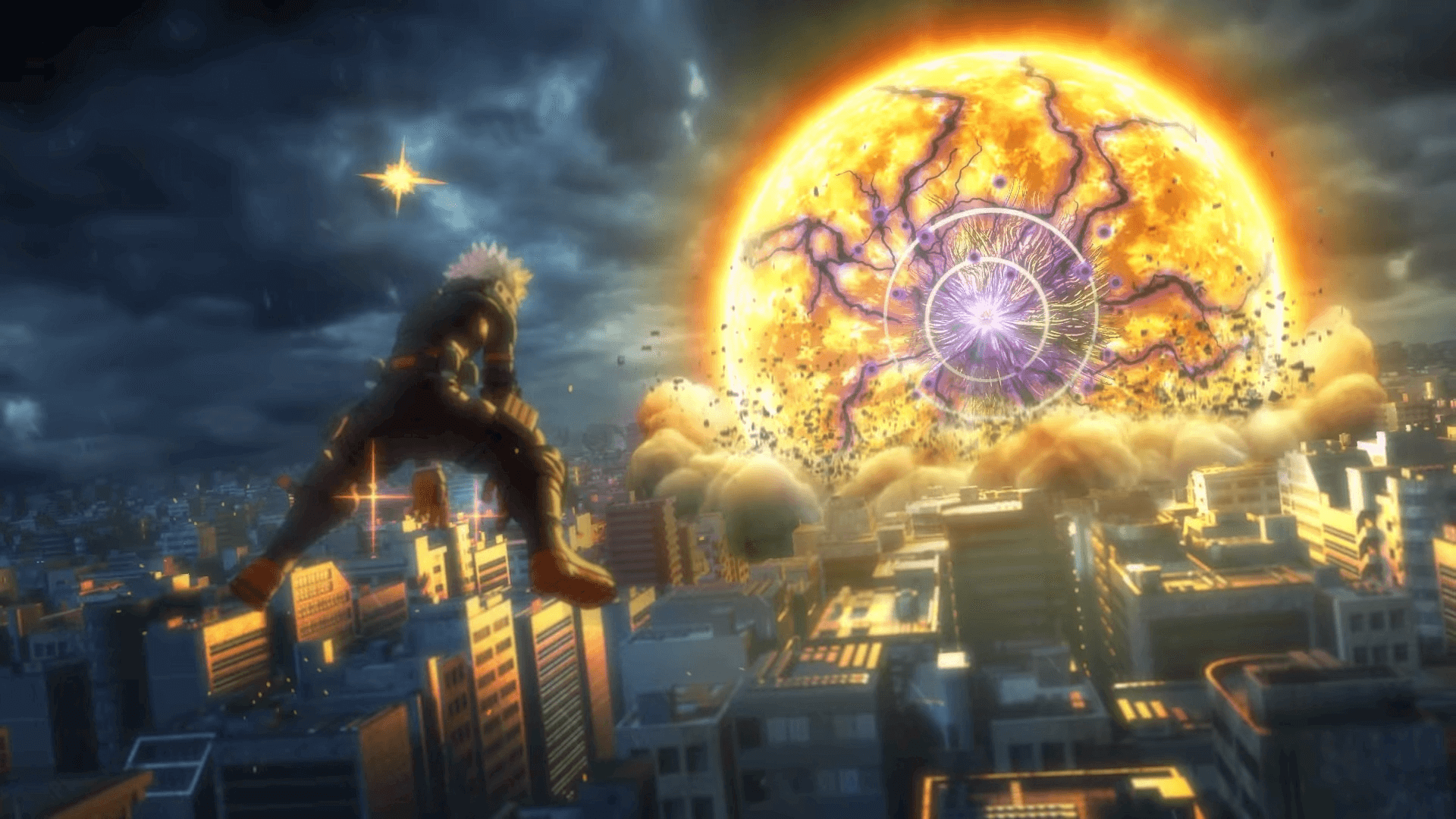
That’s why My Hero Academia: All’s Justice feels like a big moment. Not only is it the first new console entry in years, it is also aiming straight for the most dramatic material the series has to offer. All’s Justice is built around the final arc of My Hero Academia, bringing the story toward its explosive conclusion while also expanding the scope of the gameplay in ways that feel long overdue. After getting some hands-on time with the game recently and trying out a range of its modes, I walked away genuinely excited to see the full release.
During my session, I was able to sample several of the game’s modes, including Story Mode, Team-Up Missions, Hero’s Diary, and a standard CPU Battle mode. Each of them offers a slightly different way to engage with the game’s combat and characters, and together they paint a pretty clear picture of what Bandai Namco is aiming for with this release. It feels like a more complete package than previous entries, one that is trying to cater not just to competitive players, but also to fans who mainly want to relive big moments from the anime.
The standout for me was Story Mode, which I got to experience through a section focused on Bakugo’s fight against All For One. This slice of the campaign made it clear that All’s Justice is putting a lot of effort into presentation. The story is told through a mix of standard gameplay fights, moving-image cutscenes, and fully rendered in-engine cinematics. Those in-engine scenes are particularly impressive. They use dynamic camera angles, strong framing, and plenty of visual flair to sell the intensity of these climactic battles.

It immediately reminded me of how Dragon Ball Z: Kakarot and the Naruto Ninja Storm games handle their biggest moments. The action is over-the-top, the characters are constantly in motion, and the game is not afraid to slow things down or zoom in when it wants to land an emotional beat. Bakugo’s confrontation with All For One had real weight to it, and even though I was only seeing a small part of the overall story, it felt like the developers understand just how important these scenes are to fans. If the full game maintains this level of cinematic storytelling, Story Mode alone could be a major draw.
Outside of the narrative, All’s Justice sticks to the familiar 3D arena fighter format. Battles take place in wide, open environments that allow characters to dash, jump, and unleash their Quirks with plenty of room to breathe. Matches are structured around 3v3 teams, letting you swap between characters on the fly. This setup encourages you to think about team composition and timing rather than just focusing on a single fighter.
The combat system itself is approachable but layered. Basic attacks, special moves, guards, and counters are easy to pick up, and the game clearly prioritizes smart decision-making over strict execution. This is not a fighter that demands frame-perfect inputs or deep knowledge of frame data in the way something like Tekken or Mortal Kombat does. Instead, it is about reading your opponent, choosing when to go on the offensive, when to block or evade, and when to tag in a fresh character to keep the pressure on.
If you have played any of the Naruto Ninja Storm games, the overall feel will be very familiar. Characters move quickly, attacks are flashy, and clashes often turn into brief cinematic moments that emphasize the spectacle of the fight. What makes it engaging is the constant push and pull. Overcommitting to an attack can leave you open, while playing too defensively can give your opponent room to build momentum, unleash unblockable attacks or unleash crushing counter attacks.
That sense of momentum is where systems like Rising and Plus Ultra attacks come into play. Rising allows your characters to power up during battle, enhancing their abilities and opening up access to stronger options. Plus Ultra attacks are the big, screen-filling moves that fans will instantly recognize from the anime. They look fantastic, but they are not something you can just throw out without thinking. Timing is everything. Use them too early, and you might not get full value. Hold onto them too long, and you risk getting overwhelmed before you can turn the tide.
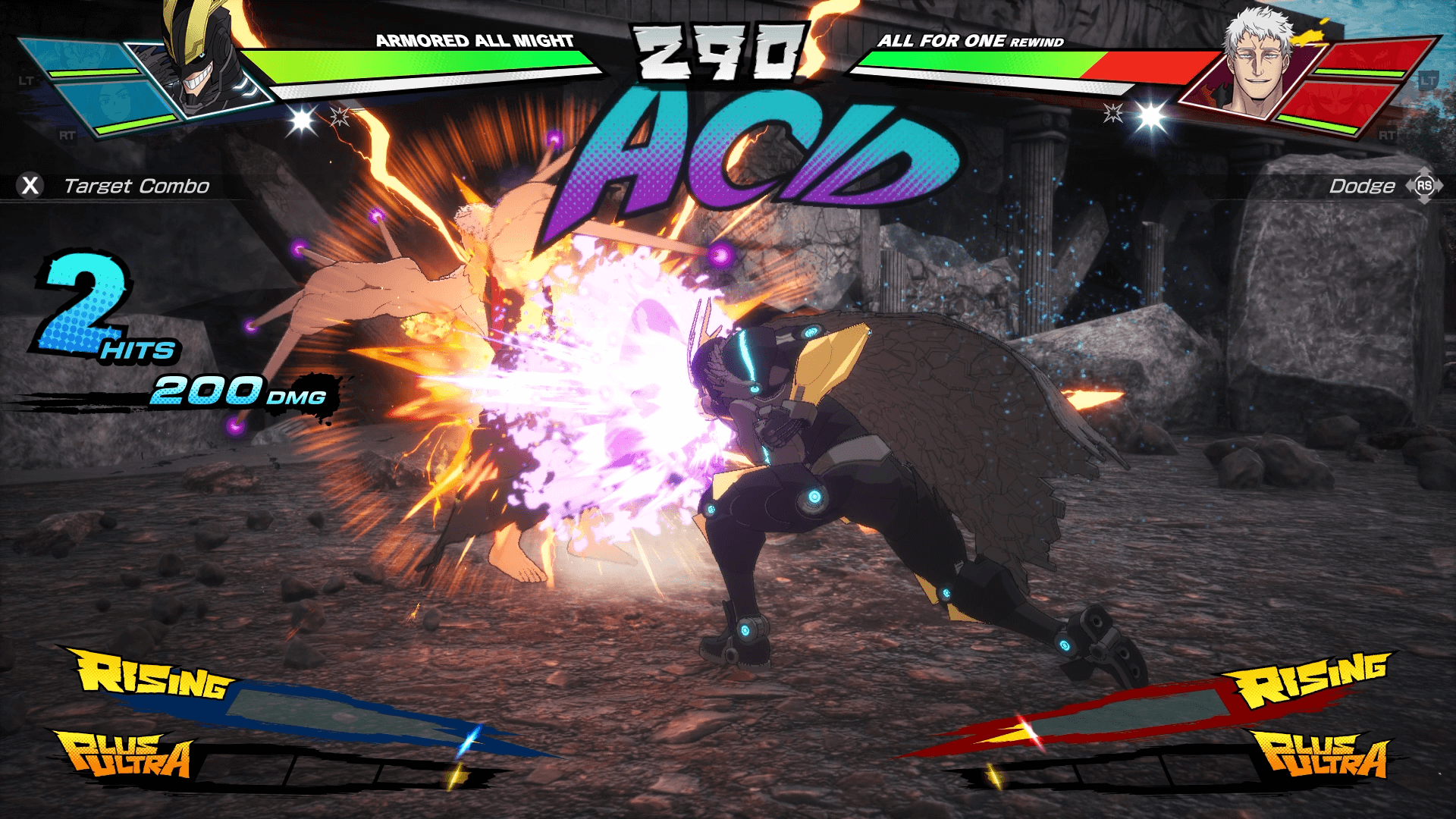
I found this added a nice layer of strategy to fights. Deciding when to trigger a power-up or unleash a Plus Ultra attack became a meaningful choice rather than a simple reflex. In longer matches, especially during tougher CPU battles, those decisions often determined who walked away with the win.
Another major talking point is the roster. Bandai Namco has already revealed that All’s Justice will feature around 70 playable characters, making it the largest lineup in any My Hero Academia game to date. That number alone is impressive, but what matters more is the variety it brings. Heroes, villains, and supporting characters from across the series are all represented, giving fans plenty of options to experiment with different team combinations and playstyles.
While the game is primarily focused on the final arc, it is not completely ignoring earlier parts of the story. The developers have confirmed a mode that lets you replay iconic fights from throughout the series, essentially acting as a greatest hits collection. For longtime fans, this sounds like a fantastic addition. It gives you a reason to revisit classic confrontations while using the expanded roster and refined systems of All’s Justice.

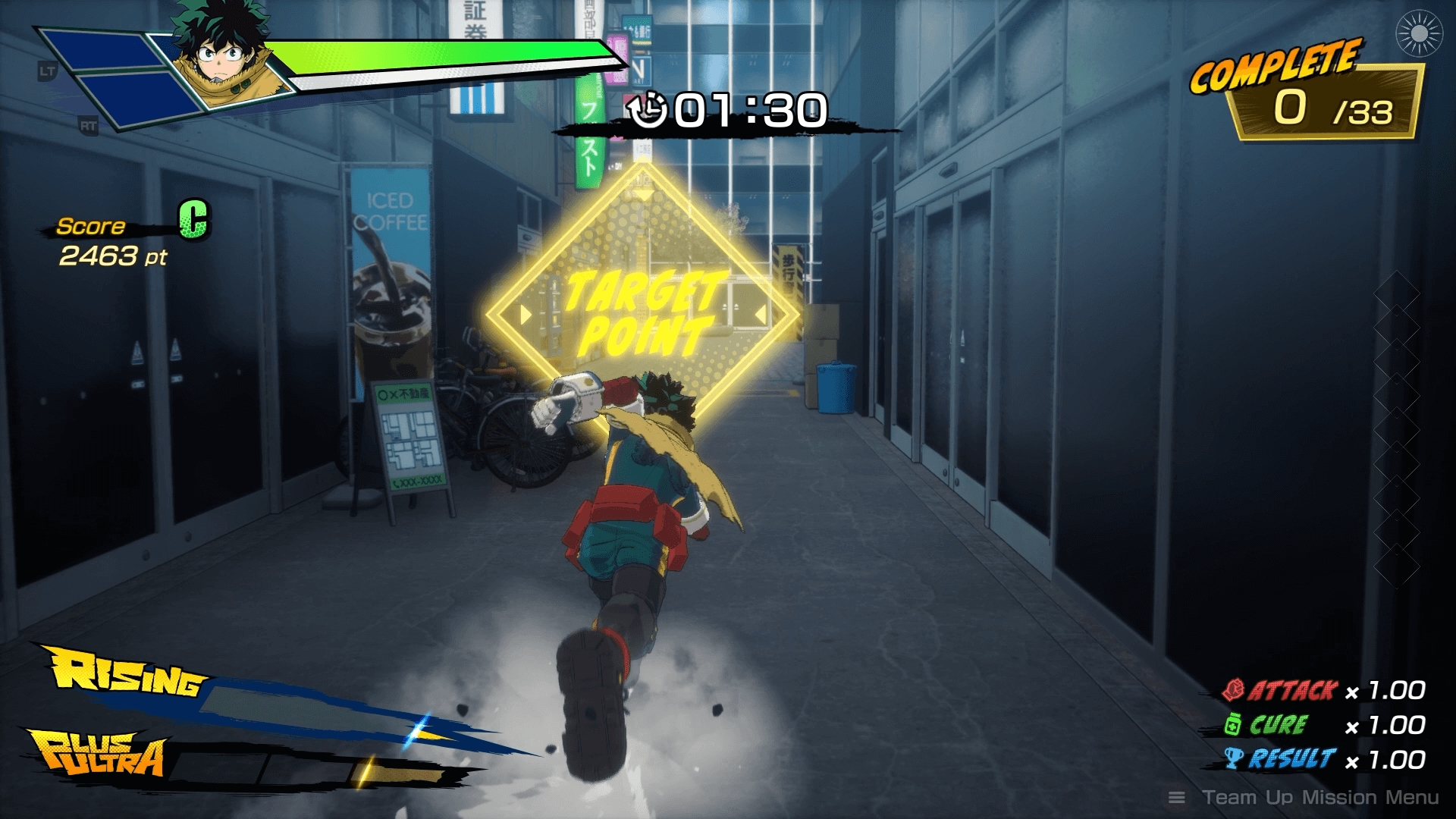
Beyond combat and story, I also spent some time with modes like Team-Up Missions and Hero’s Diary. Team-Up Missions lean more into challenge based gameplay and let you traverse the open city environment, using individual character’s quirks to both get around and complete missions and tasks. The team component of this mode also encourages you to think about synergy between characters and tackle specific objectives.
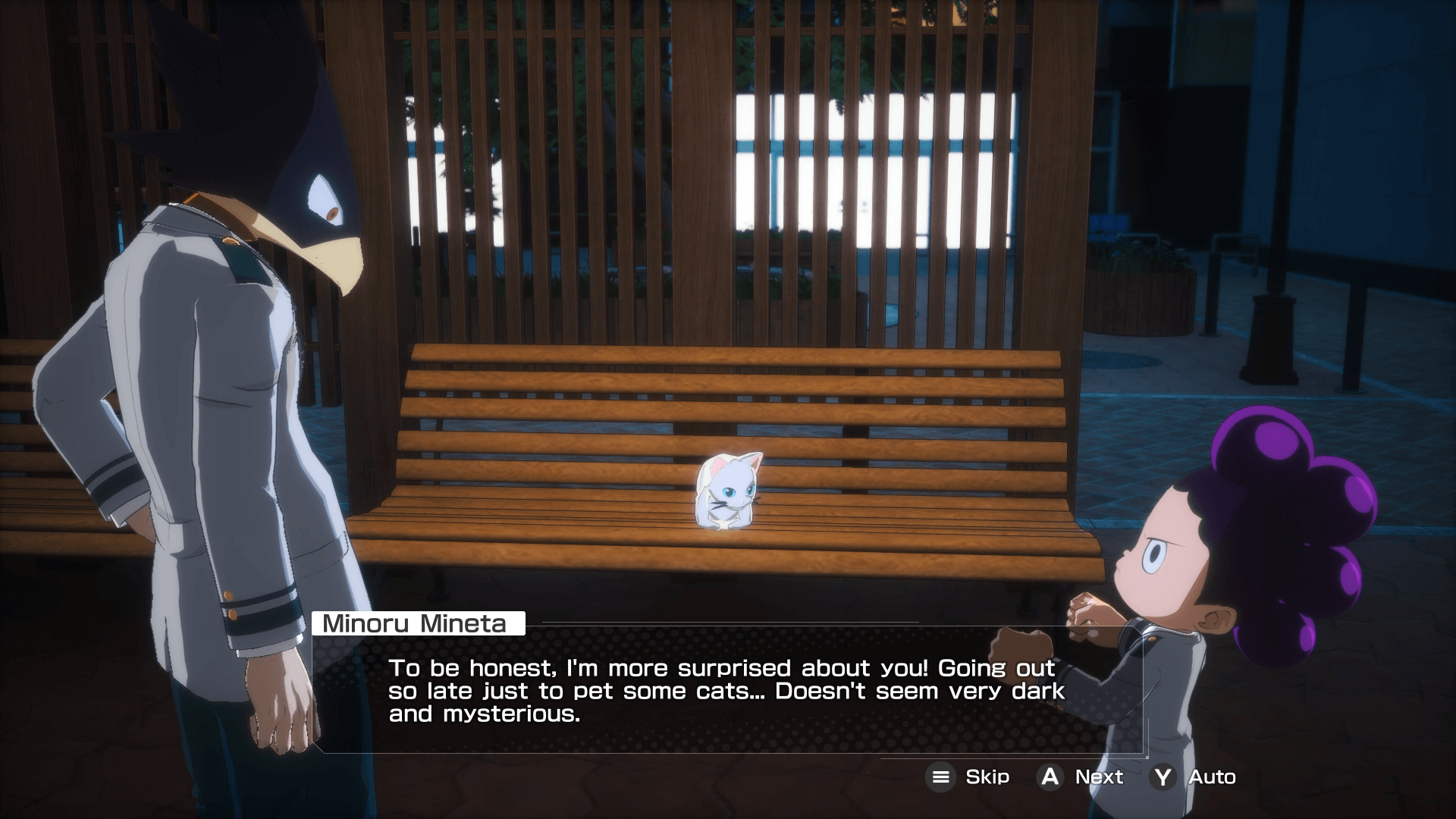
Hero’s Diary, on the other hand, feels more like a supplemental mode, offering smaller tasks and progression elements that flesh out the overall experience. This mode is a bit more low stakes and has almost more of a slice of life element, focussing mainly on the characters of Class 1-A interacting with each other, having dialogue interactions and setting up smaller missions, combat encounters and traversal based challenges and races etc.This mode might not be the main reason people buy the game, but they add welcome variety and help make the package feel fuller especially as you don’t get to see the cast doing regular hero work around the city in the anime. It was cool to have something interesting to jump into that isn’t a high stakes battle and lets the characters act in situations that are a little more grounded.
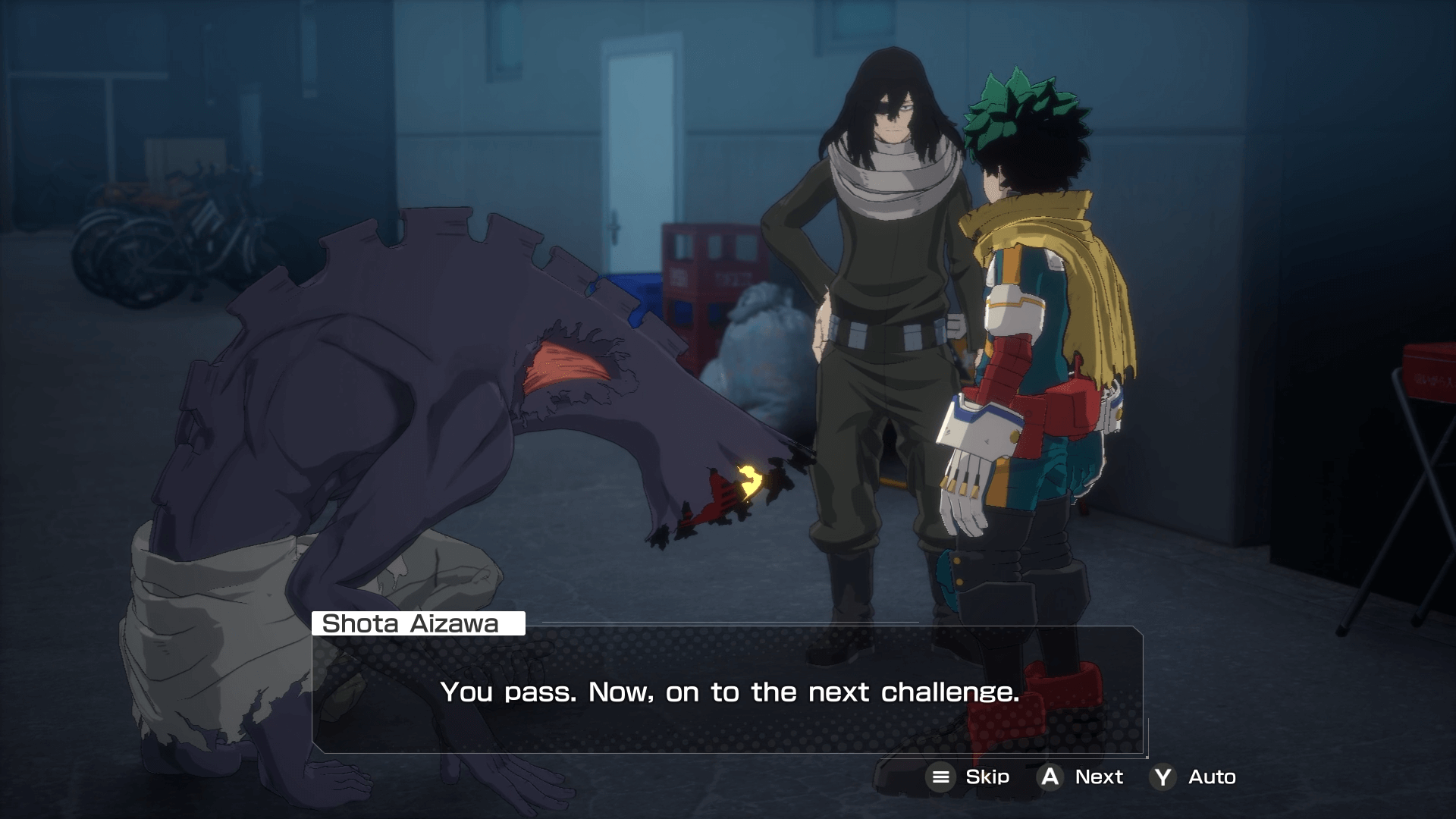
One thing I was especially happy to see is full voice acting in both English and Japanese. English dubs in anime games are still surprisingly rare, so having the option here is a big plus. The performances I heard were strong across the board, and being able to switch between languages depending on my mood is something I always appreciate. It makes the game more accessible and more comfortable for players who primarily watch the anime dubbed.
The music also deserves a shoutout. All’s Justice pulls in several tracks from the anime, and they do a great job of boosting the emotion and intensity of key moments. The soundtrack immediately feels like My Hero Academia, which goes a long way in selling the experience. I was particularly thrilled to hear a newly remixed version of You Say Run. It is one of the most iconic tracks in the series, and hearing it reworked for the game gave some scenes an extra punch that genuinely raised the hairs on my arms.
After spending time with My Hero Academia: All’s Justice, I came away feeling optimistic. The game feels confident in what it wants to be. It embraces the spectacle of the series, focuses on accessible but strategic combat, and puts real effort into telling the story of the final arc in a cinematic way. The expanded roster, multiple modes, strong presentation, and attention to audio all point toward a release that understands its audience.
There are still questions, of course. How well will the full story mode flow from start to finish? Will the balance hold up across such a large cast? And how much replay value will the side modes really offer in the long run? Those are things I will be looking closely at once the full game is in my hands.
For now, though, I am genuinely keen to play more. With All’s Justice launching in less than a month, it feels like My Hero Academia is finally getting the big, ambitious game it deserves. If the final release builds on what I have seen so far, this could easily become the standout entry in the series’ gaming history.
My Hero Academia launches on February 6th on Playstation 5, Xbox Series X|S And PC.
If you want to see more content like this and never miss one of our frequent gaming and anime giveaways come and Follow Ani-Game on Twitter.