The Monster Hunter series has always been about preparation, mastery, and the thrill of taking down massive creatures through skill and persistence. Monster Hunter Stories takes that familiar world and flips the core idea on its head. Instead of hunting monsters for parts, you befriend them. Instead of a loose framework that exists mostly to push you toward the next hunt, Stories puts characters, relationships, and a clear narrative front and center. The result is a very different kind of Monster Hunter game, one that leans far more into adventure RPG territory than action hunting.
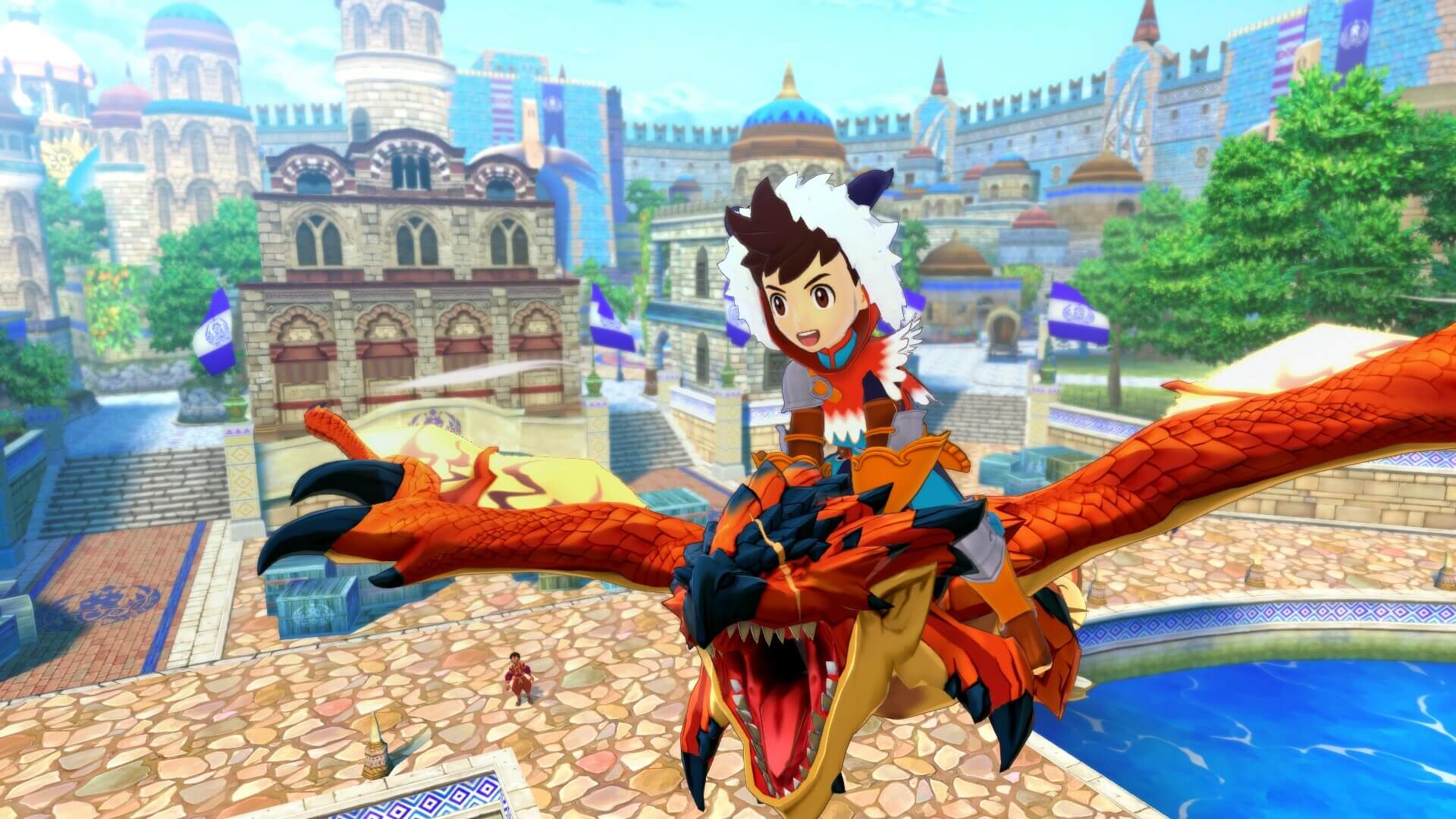
I’d never played either Monster Hunter Stories or its sequel before this collection. With Monster Hunter Stories 3 just around the corner and both Stories 1 and 2 finally making their way to Xbox, it felt like the perfect excuse to jump in. After spending a significant amount of time with both games, I came away pleasantly surprised by just how well they hold up and how distinct they feel, even when compared to each other.
The collection includes a remastered version of the original Monster Hunter Stories, which originally launched on the Nintendo 3DS. Visually, it’s a noticeable upgrade. The clean, colorful art style scales nicely to modern hardware, and the higher resolution does a lot to bring out the charm in the environments and character designs. It still very much feels like a game from an earlier era, but in a way that’s more nostalgic than dated.
The first game sets the tone quickly. You play as a Rider, someone who forms bonds with monsters rather than hunting them. This immediately puts you at odds with traditional Hunters, creating a central conflict that drives much of the story. It’s a setup that allows Monster Hunter Stories to explore ideas the main series rarely touches. There’s a heavier focus on community, tradition, and the emotional connections between humans and monsters. The narrative leans far more into character development and story beats than you’d ever expect from a core Monster Hunter title.
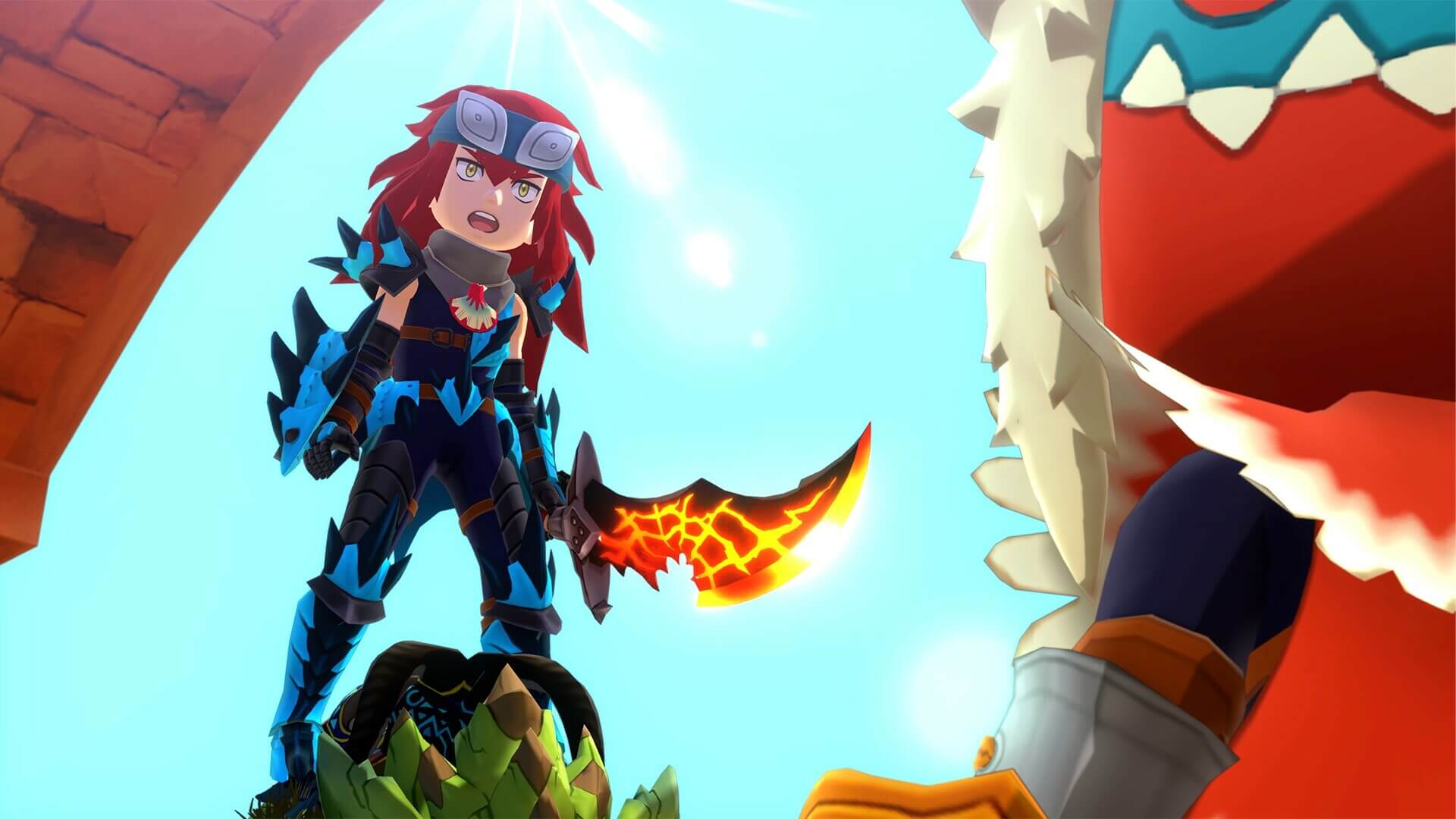
That doesn’t mean the story is groundbreaking. It follows a fairly familiar structure, complete with a creeping threat that endangers the world and a young protagonist learning what it truly means to be a Rider. Still, I found myself more invested than I anticipated. The game takes its time introducing its cast, letting relationships develop naturally, and that slower pacing works in its favor. It’s a story designed to be approachable, but it doesn’t feel lazy or dismissive of its audience.
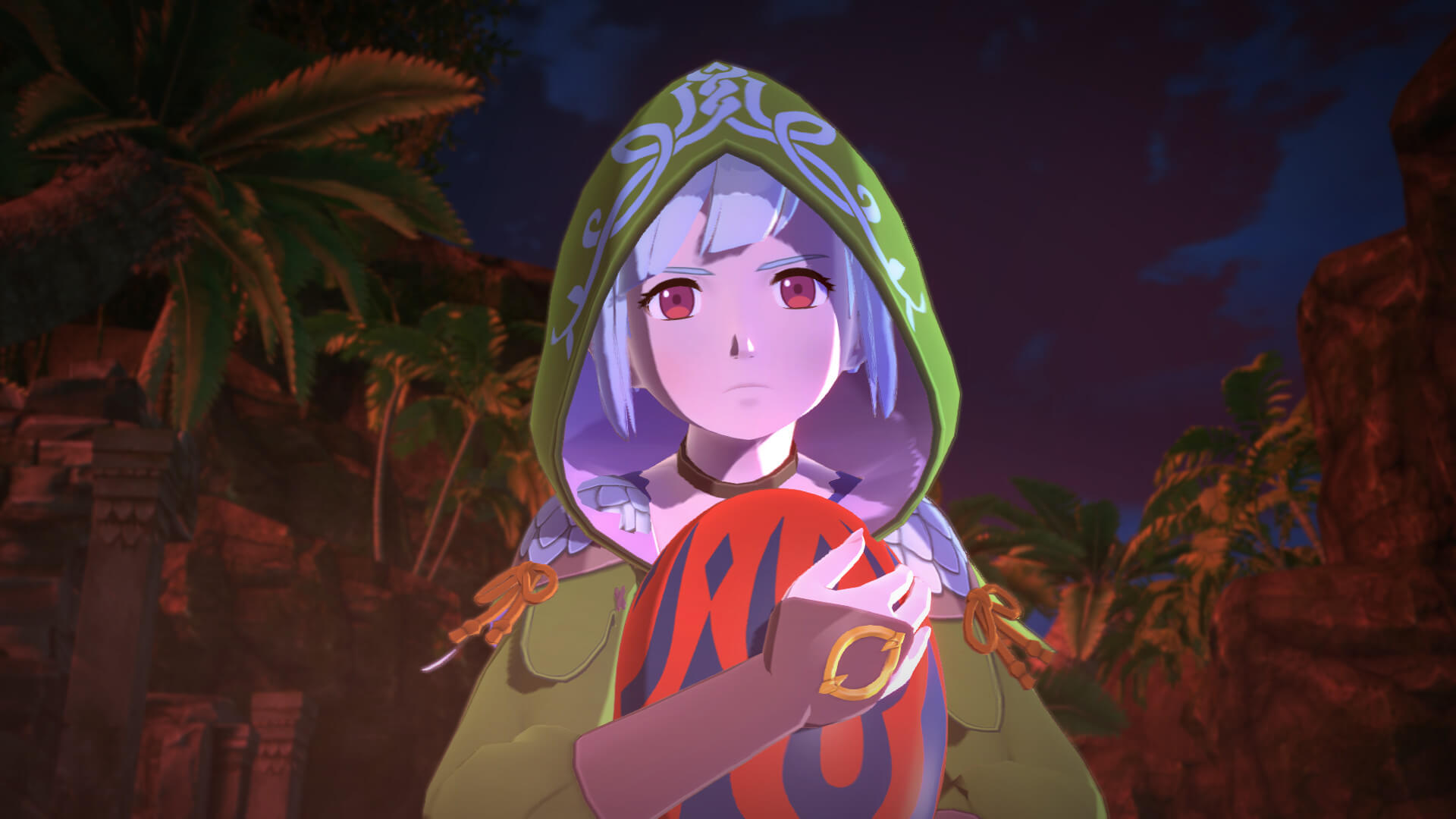
Monster Hunter Stories 2 builds directly on that foundation and improves nearly every aspect of the experience. Set several years after the first game, it once again follows a Rider, this time tied closely to a mysterious Rathalos egg. Even if you haven’t played the first game, Stories 2 does a good job of bringing you up to speed without overwhelming you with callbacks. For those who have played the original, there’s a nice sense of continuity that makes the world feel lived in.
The art direction across both games is consistently bright and welcoming. Environments are colorful, monsters are expressive, and characters lean into exaggerated designs that fit the tone perfectly. That said, I was genuinely surprised by how often the story dips into darker territory. Themes of loss, fear, and responsibility come up more than once, and the games don’t always shy away from emotional moments. It’s still very much a lighthearted adventure overall, but it has more emotional range than I expected going in.
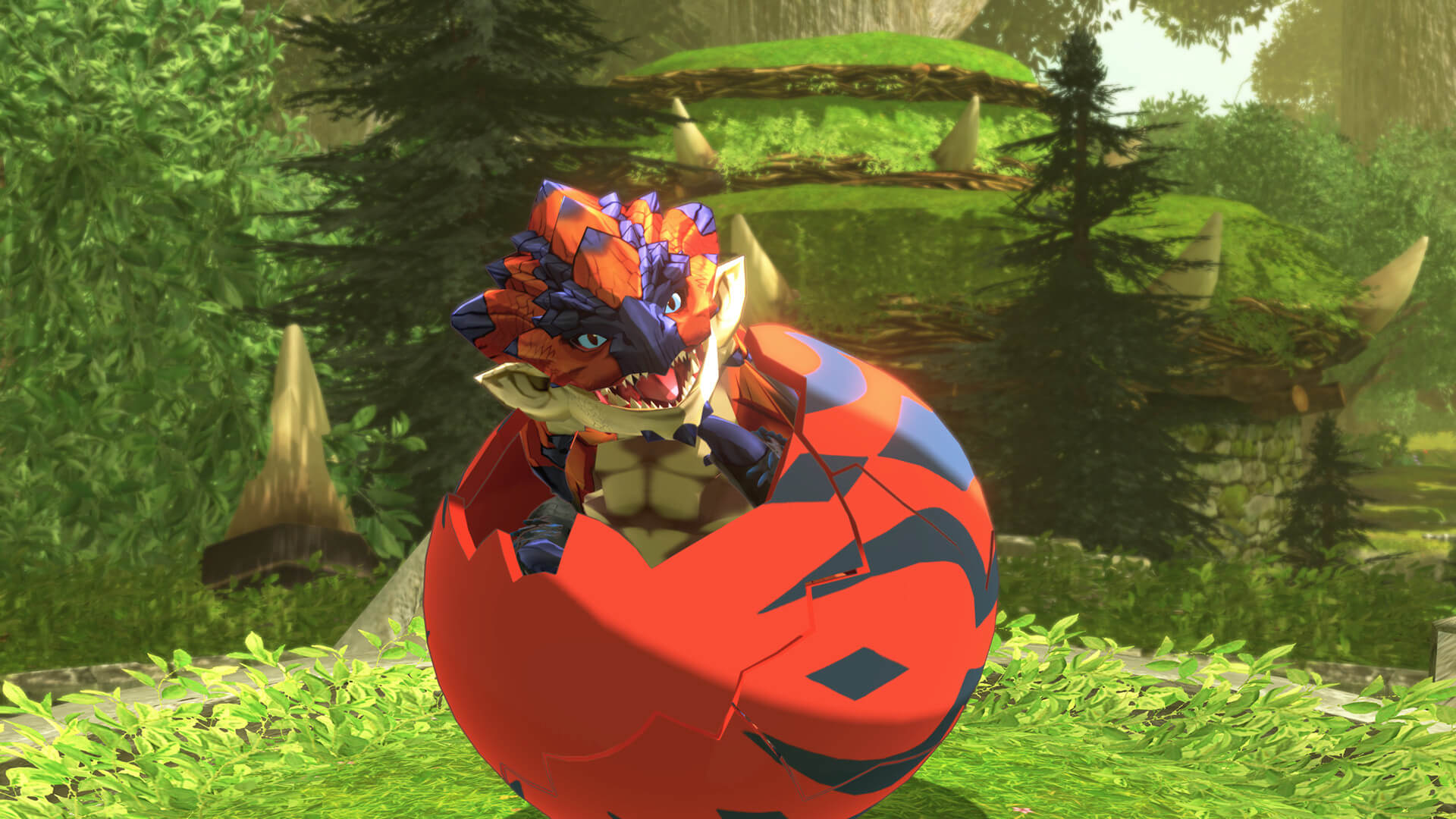
I grew especially fond of the world and its characters. While the overarching plot doesn’t break new ground, the moment-to-moment interactions carry it forward. Towns feel distinct, companions are likable, and even side characters have enough personality to make them memorable. Stories 2, in particular, boasts a large and well-designed cast that gives the narrative more weight and variety.
Gameplay is where Monster Hunter Stories really separates itself from the rest of the franchise. At its core, it’s a turn-based RPG built around exploration, monster collecting, and combat encounters. You travel between towns and regions, take on quests, explore dungeons, and engage in battles against both monsters and other Riders. The loop is simple but satisfying, especially once the systems start opening up.
Monster collecting is a huge part of the experience. You’ll find monster dens scattered throughout the world, each containing eggs you can bring back and hatch. There’s a genuine sense of excitement when grabbing an egg, especially rarer ones, since you never know exactly what traits the resulting monster will have. Over time, your stable fills with familiar Monster Hunter faces, each one offering different strengths and abilities.
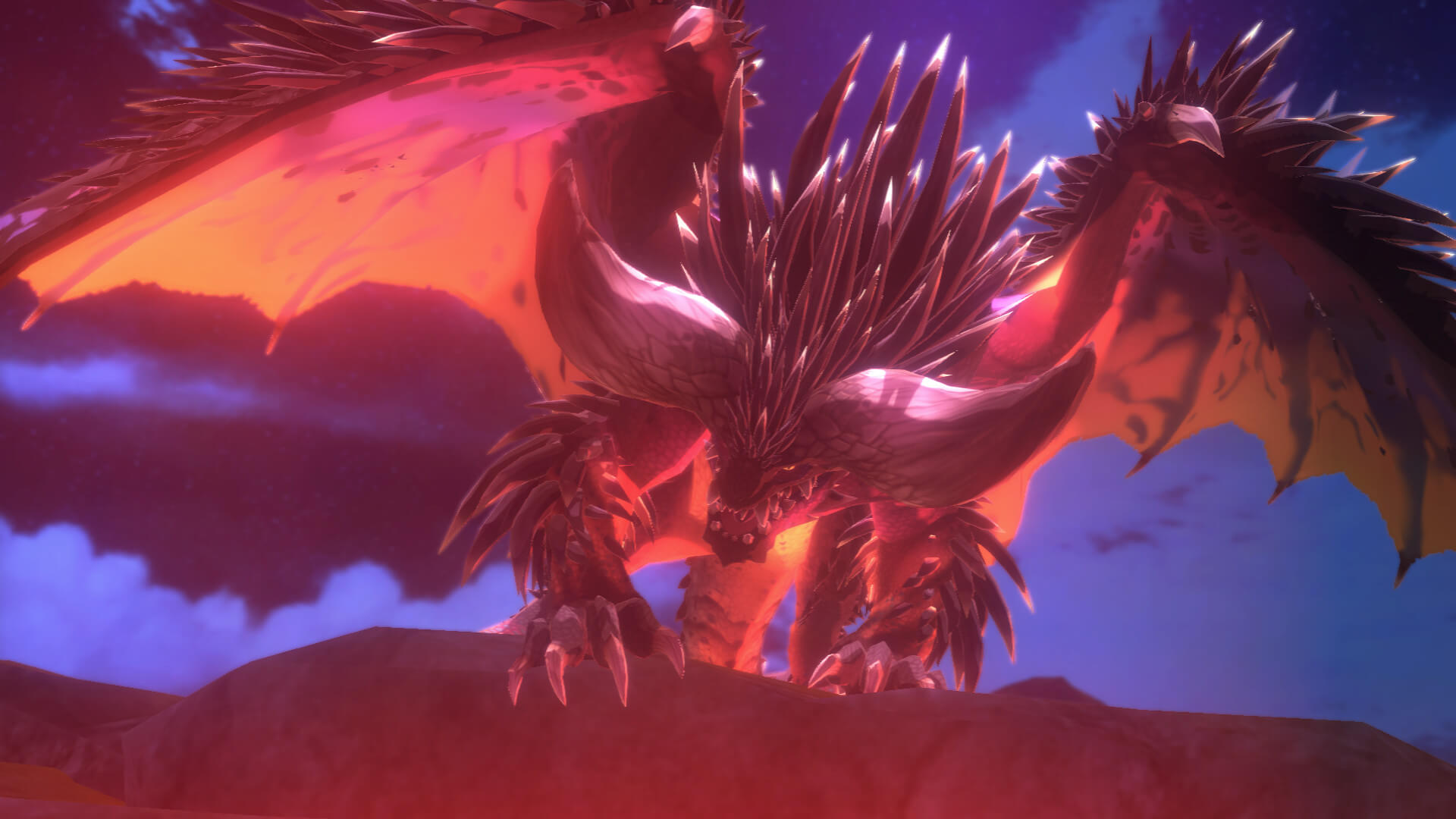
One of my favorite systems in both games is the gene system. Monsters come with various genes that determine their skills, elemental strengths, and passive bonuses. Through a process of channeling, you can transfer genes from one monster to another, essentially fusing traits to create something tailored to your playstyle. It adds a surprising amount of depth and customisation, encouraging experimentation rather than simply sticking with the strongest option. I lost track of how much time I spent tweaking builds, trying to create the perfect monster for specific encounters.
Exploration is another highlight. Both games feature a wide range of biomes, from lush forests and arid deserts to snowy mountains and volcanic regions. Traveling through these areas gives a strong sense of adventure, and there’s always an incentive to poke around off the main path. Hidden dens, rare monsters, and collectible items reward curiosity, making the world feel worth exploring rather than just something to pass through.
Combat is fully turn-based and revolves around a rock-paper-scissors style system. Attacks are divided into Power, Technical, and Speed, with each one countering another. Success depends on reading enemy patterns and choosing the right response. On top of that, you’ll swap between different weapon types, each offering unique skills and tactical advantages. It’s a system that’s easy to understand but becomes more engaging as battles grow more complex.
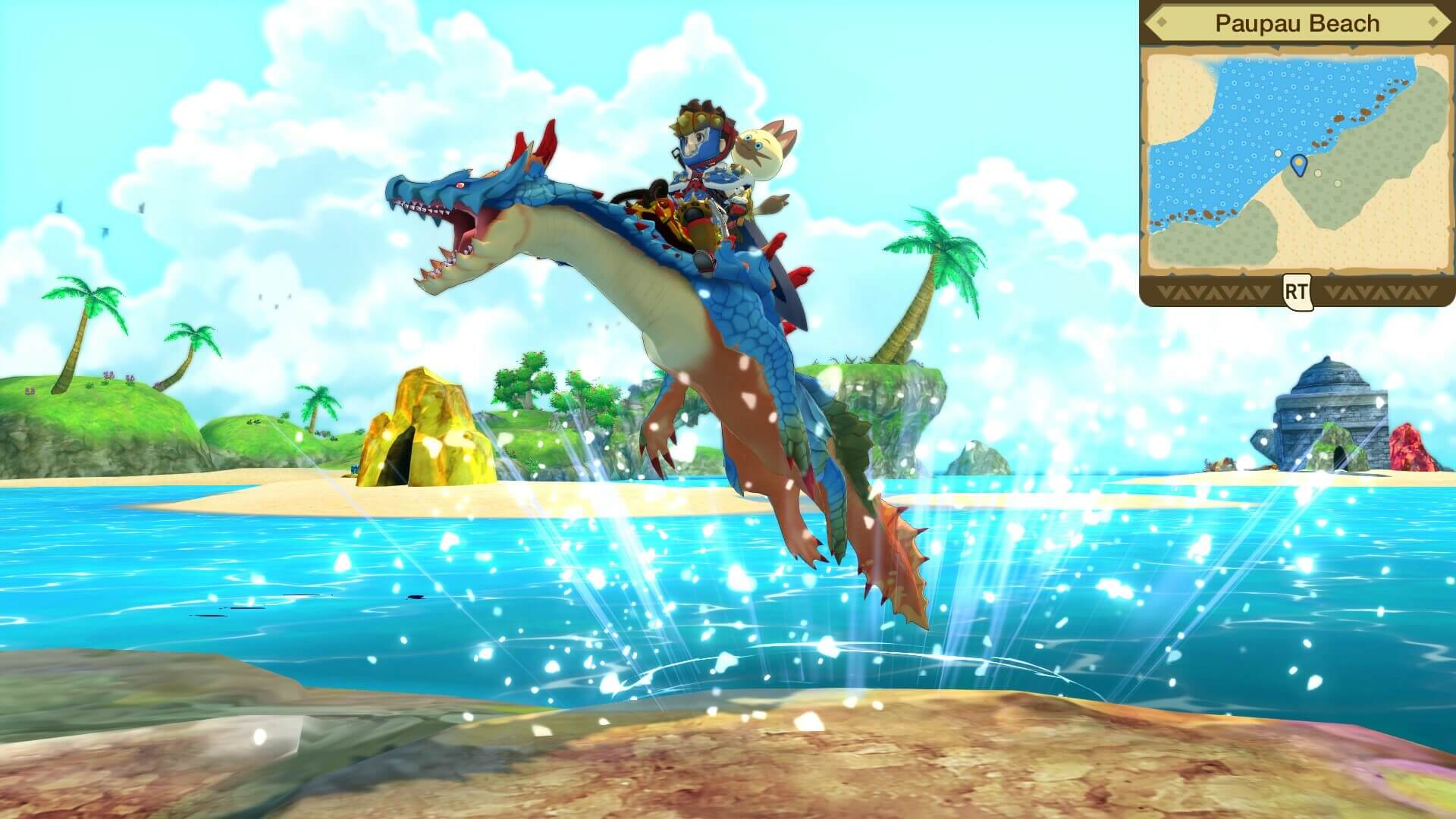
What really sells the combat is how it integrates your monsters as partners rather than tools. Coordinating attacks, triggering special abilities, and managing your team’s health creates a strong sense of cooperation. Boss fights, in particular, do a great job of testing your understanding of the mechanics without feeling unfair.
Both games are fully voice acted, in both English and Japanese, and the performances across the board are strong. The cast handles comedic moments with charm and sells the more intense scenes when the story calls for it. Voice acting goes a long way toward making the characters feel real, and it helps elevate the narrative beyond what you might expect from a spin-off title.
Musically, the collection is excellent. The soundtracks capture the adventurous spirit of the series while maintaining a lighter tone that fits the Stories style. Monster Hunter Stories 2 stands out here, especially during battles. Its combat themes are energetic and memorable, often making even routine fights feel exciting.
That said, the games aren’t without flaws. The first Monster Hunter Stories, in particular, can feel a bit slow in its early hours. Tutorials stretch on longer than necessary, and the pacing doesn’t really pick up until several hours in. Some quality-of-life features introduced in Stories 2 would have been welcome additions to the first game’s remaster. There are also moments where side quests feel repetitive, relying too heavily on familiar objectives.
Final Thoughts
Despite those issues, the Monster Hunter Stories Collection is an easy recommendation for fans of RPGs and Monster Hunter alike. It offers a refreshing take on a well known universe, blending monster collecting, turn-based combat, and heartfelt storytelling into a cohesive package. Playing both games back to back highlights just how much the series has grown, with Stories 2 refining and expanding on nearly every idea introduced in the original.
For newcomers like me, this collection feels like the ideal entry point into the Stories subseries. It captures the spirit of Monster Hunter while confidently carving out its own identity. If Monster Hunter Stories 3 is set to build on what these two games established, then the future of the series looks incredibly promising.
Review codes for both games were provided by the publisher for the purpose of this review.
If you want to see more content like this and never miss one of our frequent gaming and anime giveaways come and Follow Ani-Game on Twitter.
8.5
- + Colourful world and great cast of characters
- + A nice change up to the typical Monster Hunter games
- + Great soundtracks
- + Customisation and depth of the gene system
- - Pacing issues in the early hours of the games
- - Would have loved some improvements from 2 to be retroactively included in Stories 1